BMI Monier launches workshop on traditional roofs
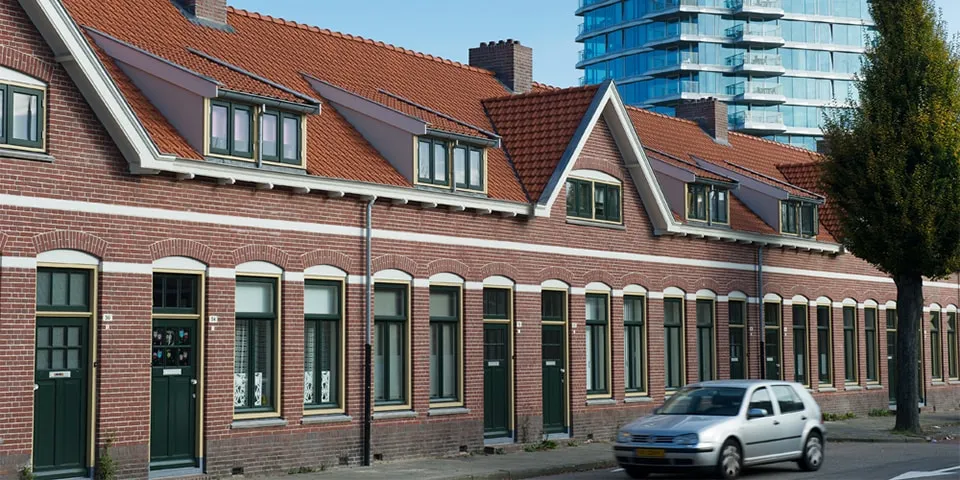
To preserve a building’s authentic appearance after renovation or restoration, the roof requires extra attention. Whether it is a historic building or a 1930s urban home, the right roof tiles are always key to its appearance. BMI Monier has been producing and supplying authentic Dutch traditional tiles since 1835, including Oude Holle, Tuile du Nord, Grote Romaanse and Kruispan. They are made with great craftsmanship and attention to important details, such as the original dimensions established long ago. Since a roof is not just made up of tiles but is a complex system with many other factors to consider, BMI Monier is launching a workshop on traditional roofs. Private and commercial owners of traditional buildings, roofers and contractors will receive a lesson in every aspect of the traditional roof.
Traditional roofs require extra attention during renovation and restoration
Insulation and ventilation are also important considerations for traditional roofs. The roof must look exactly as it did 100 years ago, while still meeting current building regulations. This calls for expertise and knowledge, which BMI Monier is keen to share. According to Guus Killaars, head of export and responsible for traditional roof tiles, the wrong tiles are often used, with no connection to authentic traditional Dutch roof tiles. Their dimensions and colours are incorrect, or they are combined with ridge tiles that do not fit.
What should you look out for?
“You can recognise an authentic traditional Dutch roof tile immediately,” says Killaars. “The right clay, the appearance of the glaze or engobe layer, and the colour are all things to look out for. If the glaze is not applied properly, a layer that is too thick will result in crazing, while one that is too thin will cause staining. If too much oxygen is present during the firing of blue tiles, there will be significant colour variation. But that is not all,” he continues. “Since a roof is a system, you need to consider it as a whole and ensure all the components work together. The roof details also look much better when they flow seamlessly into one another. That is why we offer a matching tile clip and the right screws for every roof tile. We know which insulation materials are suitable and can calculate the exact spacing required between the battens.”
Sharing knowledge
The traditional roof is something of a neglected child, Killaars believes. The heritage authorities provide only a few guidelines on roofs, while municipalities and provinces generally set their own local requirements. This means that roofs receive plenty of attention in some places, while in others it is difficult to achieve an optimal appearance. “That is a shame,” he says. “With a little knowledge, you know exactly how to create a good traditional roof. It is not just about an authentic appearance, but also about the quality of the roofing system, so it is guaranteed to withstand the elements for many years and provide sufficient insulation and ventilation. That is why our Roof Service department has developed the traditional roofs workshop. The course guides owners, roofers and contractors through the many aspects of traditional roofs and helps them make the right choices.”
Bespoke work and BIM
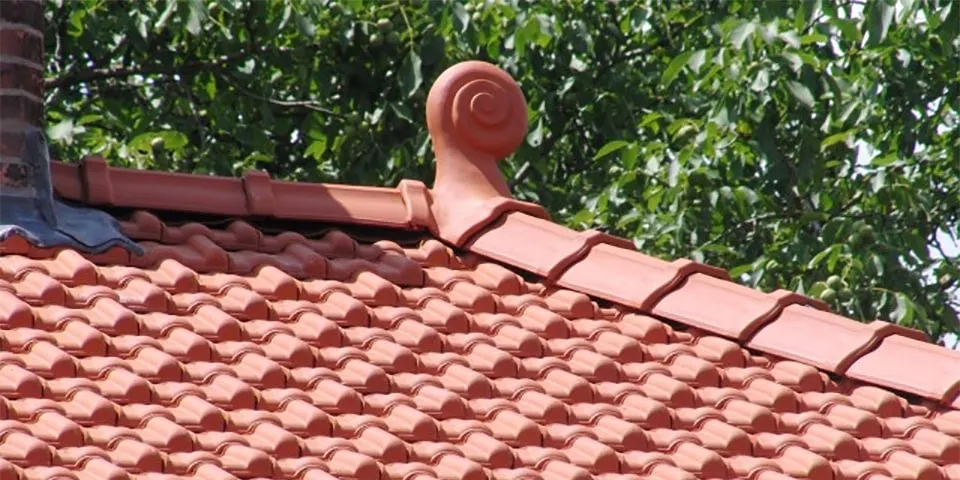
Many traditional roofs feature ornaments, special tiles or unusual connections. These are often the roof’s defining features. They are usually no longer available as standard products. At BMI Monier, items including finials, broekstukken, angled tiles and ridge tiles are made to measure, often using a replacement example to create a new mould. The special components are ready within six to eight weeks.
To prepare the construction of a traditional roof as effectively as possible and determine any bespoke work in advance, BMI Monier has converted all its roof tiles, including the associated roofing system components, into 3D models for BIM modelling. This is also an excellent tool for designers considering a new building with a traditional appearance.
Workshop
The workshop takes place over half a day, including lunch, at the factory in Tegelen and costs € 150,-. Topics include: which tile is right for which roof? What types of tiles are available? Production methods, colours and glaze, replacement or cleaning, repair and maintenance, the roof as a system, and what to consider during renovation and restoration. You can register at www.monier.nl/klassieke-daken. You will also find more information there about BMI Monier’s traditional Dutch roof tiles.
Question about this story? Ask your question
Keep following this
Get an email when a new story is published. No account needed.
- SubjectGeneral