Platform on new construction, renovation, restoration and transformation

Point Cloud makes it possible
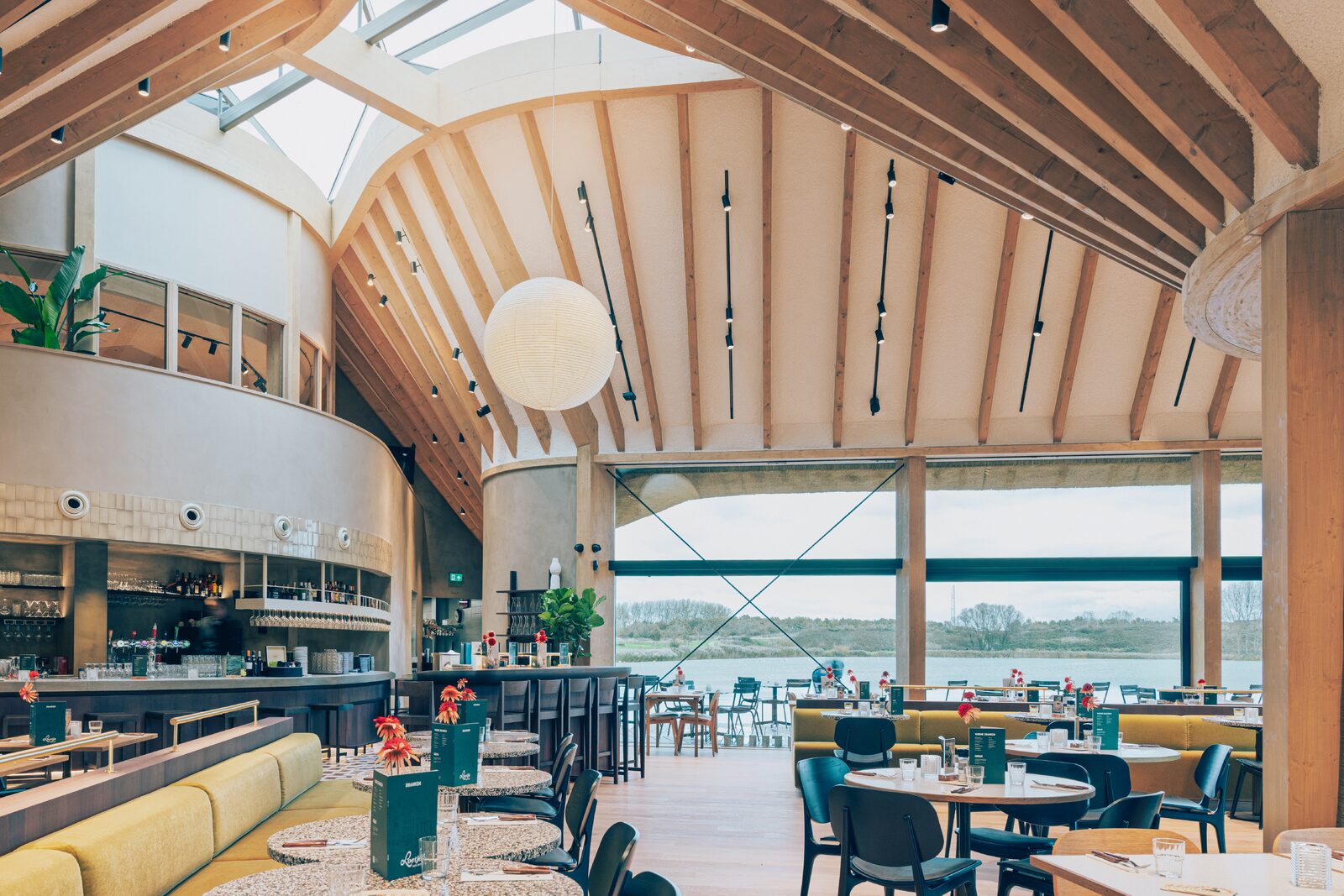
With a glass dome, one atrium of the castle was transformed into a multipurpose meeting place. The other atrium became the outdoor area of the catering facility, complete with roof garden and terraces. These are just the eye-catchers of Shell's state-of-the-art commercial building. Much also happened on the installation front.
The monumental building housing Shell International dates back to 1917. To bring the building up to today's requirements, several rounds of renovations have already taken place. In 2014, all the roofs and facades were renovated, in 2019 the exterior window frames were replaced, and from 2019 to 2022 the entire building was made more sustainable. In this, Shell wanted to set an example in terms of energy transition and went for LEED Platinum. This is the highest achievable environmental certification.

For the perfect connections of old and new, the entire building was digitally measured in advance with Point Cloud. "This made the perfect assembly of the dome possible," says Kees Verdoorn, project manager of De Vries and Verburg. "The main supporting structure of the dome was carried out with a steel edge beam, imposed on the existing walls. This was then filled in with a steel grid in an elbow construction, which made the elements self-supporting. Then the ribs were covered with cold-bent glass panels."
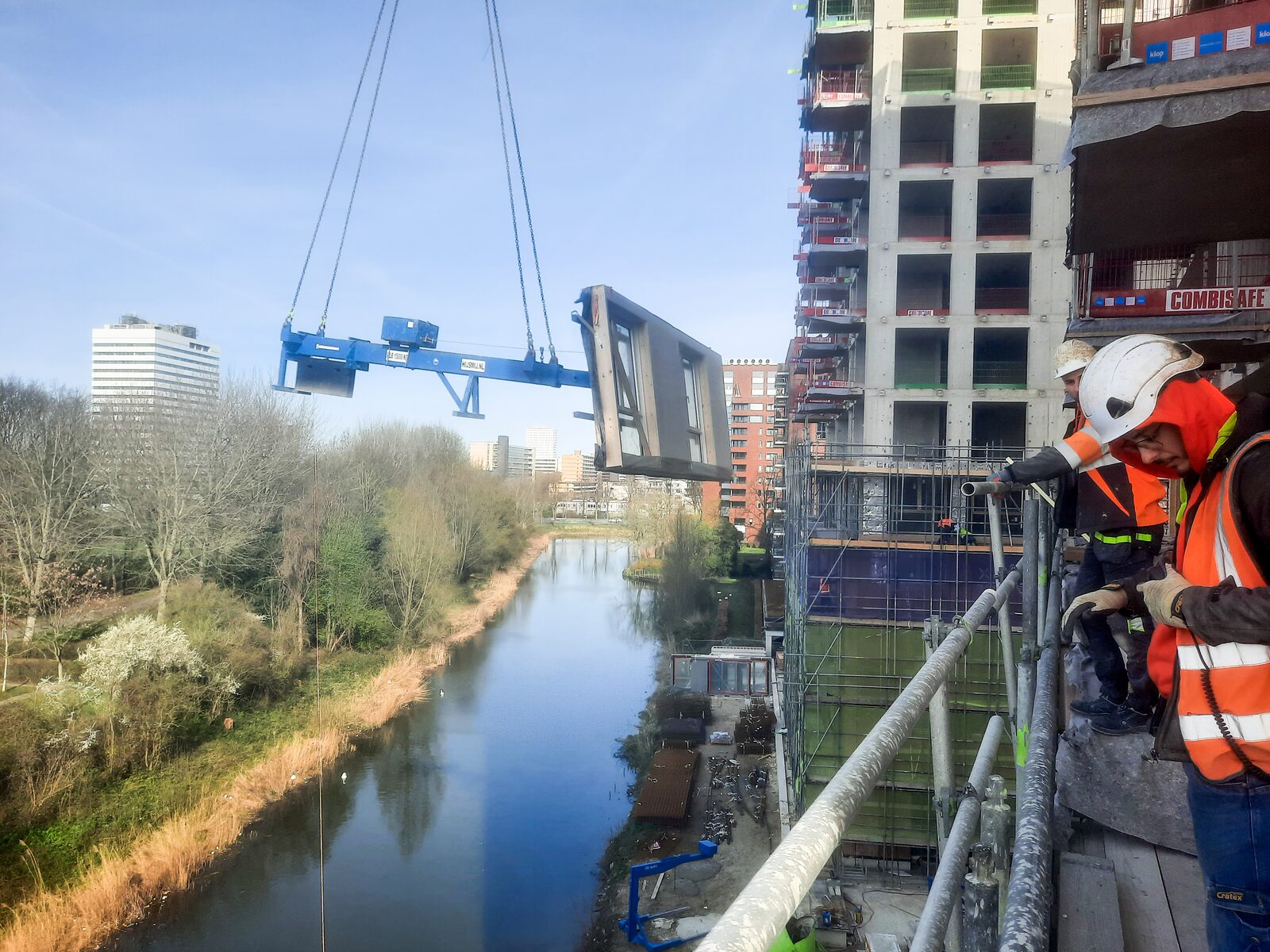
Transporting the dome was just one of the challenging transports De Vries en Verburg had to deal with. "Very regularly there was the question of not exceeding the maximum floor load. To protect the floors, we had everything delivered in small packages. Virtually the same problem played outside. Here, due to lack of space, all orders had to be delivered just-in-time. Moreover, numerous agreements on loading and unloading times were running."

The new, environmentally friendly electrical and climate installations in the monumental building created structural issues. "For the new cables, pipes and ducts, 8,000 openings had to be made in the existing supporting structure. Then you have to ask yourself whether this is still responsible. Therefore, each recess and the relationship between the recesses was assessed by the structural engineer. Where necessary, a position was sought where the recess did not pose a problem."
Following the canopy, the atrium was decorated with two canopies with seats all around. The pinewood "crowns" are placed freestanding in the space and serve both a decorative and acoustic function. They consist of ten openwork rings in a trapeze shape and approach the canopy of the atrium. Verdoorn: "The engineering and fabrication involved structural feats. The enormous number of triangles with slopes and connections was programmed by ABT. This seems simple, but it is innovative and never seen before."
By March 2022, the entire premises had been revitalized and Verdoorn could look back on an extraordinary project. "All parties were working directly on behalf of Shell. Yet the cooperation was excellent. Of course, each party had its own DNA, but the common goal was paramount."