Platform on new construction, renovation, restoration and transformation
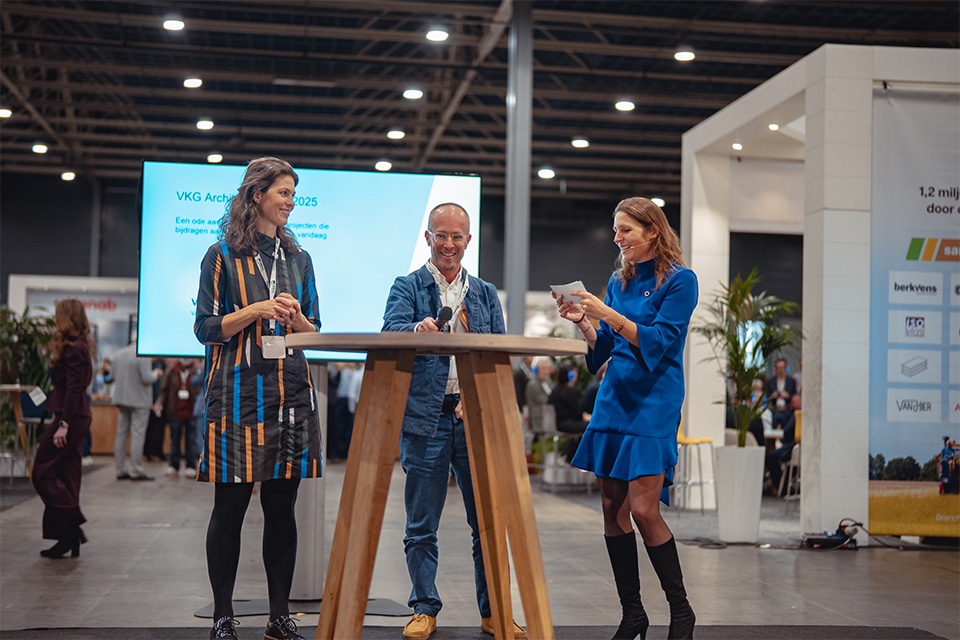
During the Climate Summit Built Environment in the Jaarbeurs Utrecht, the winners of the VKG Architecture Award 2025 were announced. The prize highlights projects in which architectural quality, sustainability and social added value come together. For urban planners, this edition is particularly relevant because both winning projects convincingly demonstrate how innovation - or, conversely, preservation - can contribute to future-proof urban development.
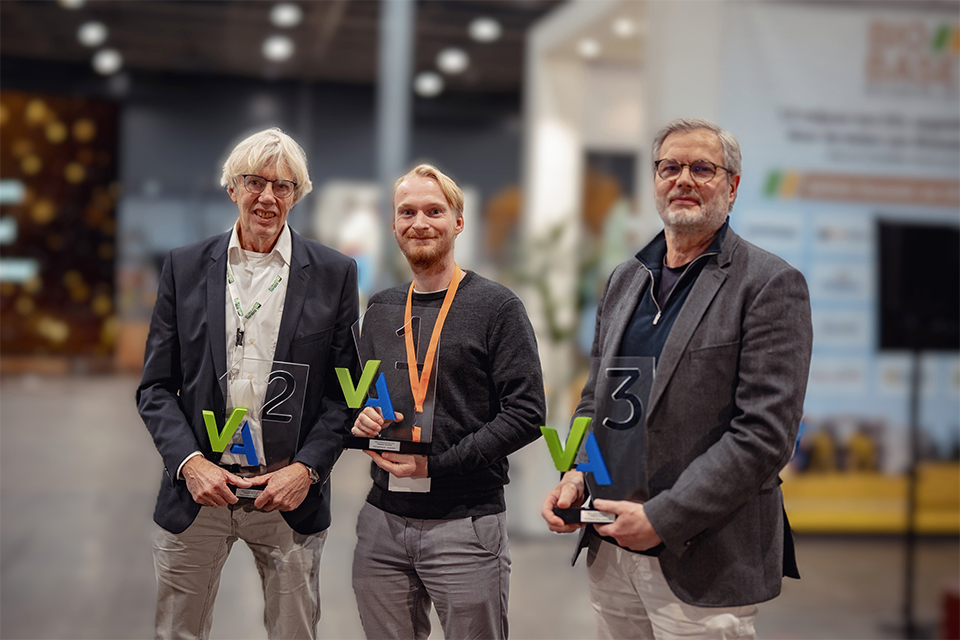
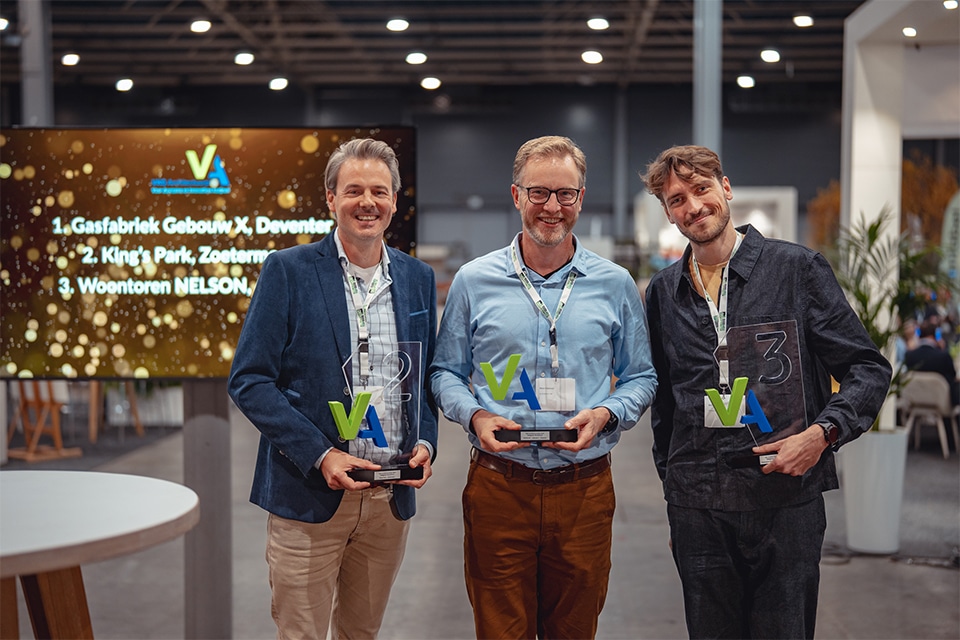
The professional jury, consisting of former winners Karin Dorrepaal (DOOR Architects) and Merijn de Jong (SOME architects), sustainability experts Wietse Walinga (Duurzaam Gebouwd) and Mantijn van Leeuwen (Nibe) and VKG director Albert Zegelaar, selected the winners in the new construction and renovation categories. “The winning projects are not only strong at the building level, but also add something to the living environment,” says De Jong. “I always look to see if it is really built for people. Social design, rooted architecture and new perspective: for me these are the three pillars that together determine whether a design is relevant for the future. Especially in renovation projects, several layers come together: existing residents, an existing building and a neighborhood that you have to give new meaning. That requires craftsmanship as well as empathy.”
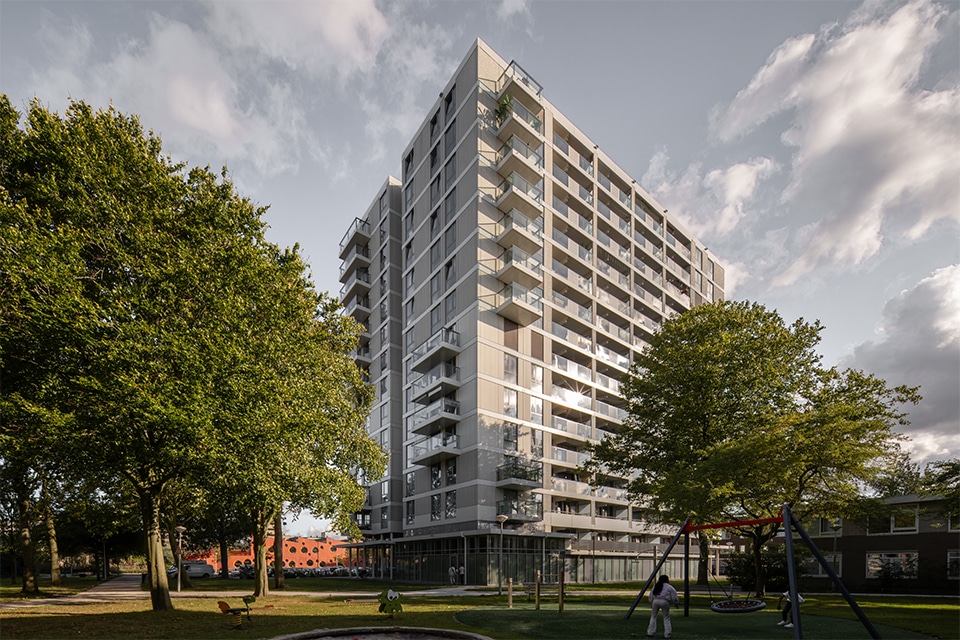
According to the jury, the transformation of a tower block on Statenjachtstraat in Amsterdam is an example of how urban planning quality can increase without demolition. This approach ties in with an important theme in urban renewal: making maximum use of existing structures. Under the direction of Vanschagen Architects, in collaboration with KBK Bouw and Schipper Kozijnen, the building was given a second life. The apartment was made more sustainable, provided with new facades and 53 housing units were added. “The addition of housing was cleverly combined with the makeover. This created a successful transformation with more residential quality, more connection and future value.”
De Jong praises both the architect and the client who took on this challenge. “The building has gone from generic to specific,” he says. He says that is exactly what many postwar neighborhoods need: projects that add identity and give residents perspective. “This renovation has made the neighborhood stronger.” Moreover, the approach is continuing: a second apartment on the same street is also being transformed. The area development at the building level is thus translated to the scale of the neighborhood.
Where Amsterdam shows how renovation can restore area quality, Deventer shows how new construction can take root in the DNA of an existing site. Building X on the Gasworks campus in Deventer was designed by Architecten_Lab as a future-proof, circular building that fits seamlessly into the industrial context of the site. The robust corten steel facade refers to history, industry and heavy materials, while the bio-based interior construction provides a sustainable counterbalance. De Jong: “It is progressive and at the same time deeply rooted in the site - rooted architecture in optima forma. The facade is lively, with patterns and shifting rhythms. The plastic window frame is set back slightly, bringing the Corten steel to the fore. This was done quite deliberately: the frame serves the design. It is precisely this restraint that makes the whole powerful.”
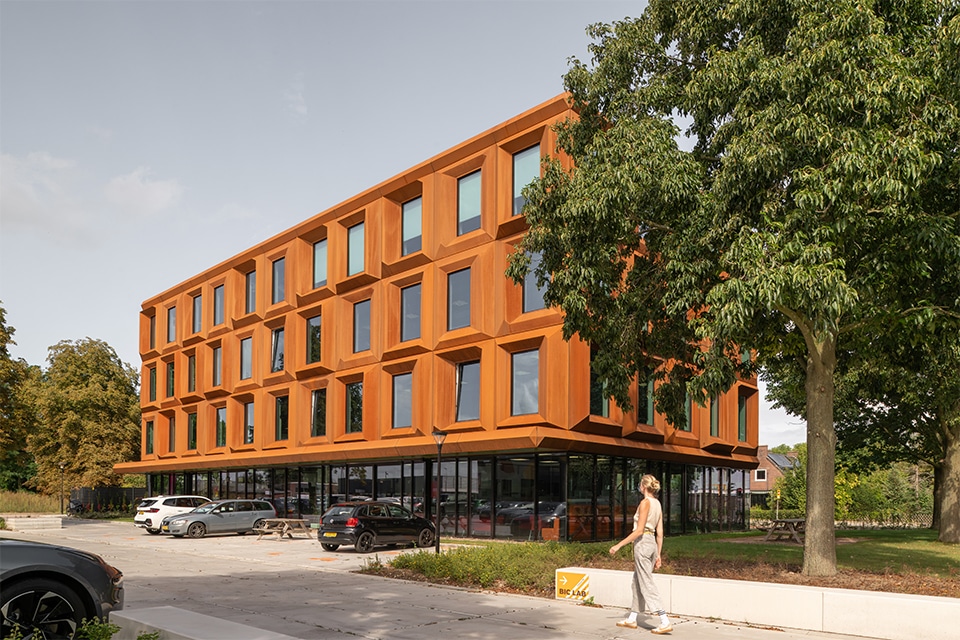
The VKG Architecture Award puts innovative and sustainable applications of plastic window frames in the spotlight. Not as a material competition, but as recognition for designs in which technology, sustainability and spatial quality come together. The winning projects show how plastic - with its low-maintenance character, long life and strong insulation values - is a logical building block within the urban task in which future-proof buildings and neighborhoods are increasingly central.
Neem dan rechtstreeks contact op met VKG - Vereniging Kunststof Gevelelementenindustrie.
 Contact opnemen
VKG - Vereniging Kunststof Gevelelementenindustrie - is the trade association for plastic window frames. We stand for valuable chain cooperation on behalf of circularity and sustainable quality. Our quality requirements for plastic window frames go beyond European laws and regulations. When a manufacturer or supplier meets the high standards, the VKG quality mark may be used. With this [...]
Bekijk Bedrijfsprofiel