Platform on new construction, renovation, restoration and transformation
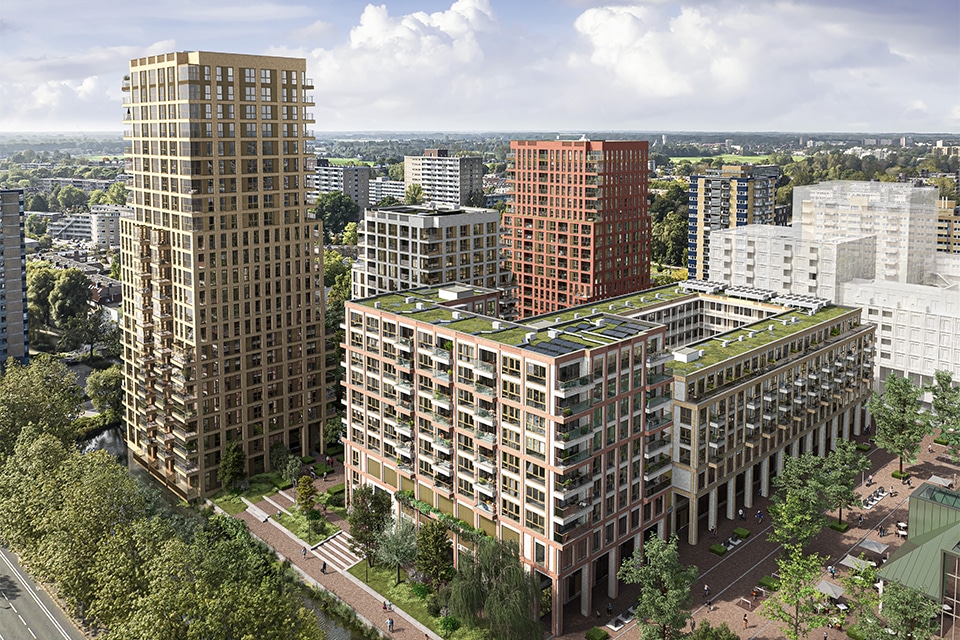
LEVS Architects has been working on the urban and architectural design of the south strip of development area Schalkstad since 2016. What began as a small residential block with fifty apartments on a former carwash site has grown in recent years into HIGH5: a complex and ambitious urban transformation from a monofunctional shopping center to a multifunctional district center with commercial, cultural and social facilities as well as a wide variety of housing. A nice place to meet and stay. But above all: a place where all residents of Schalkwijk will feel at home.
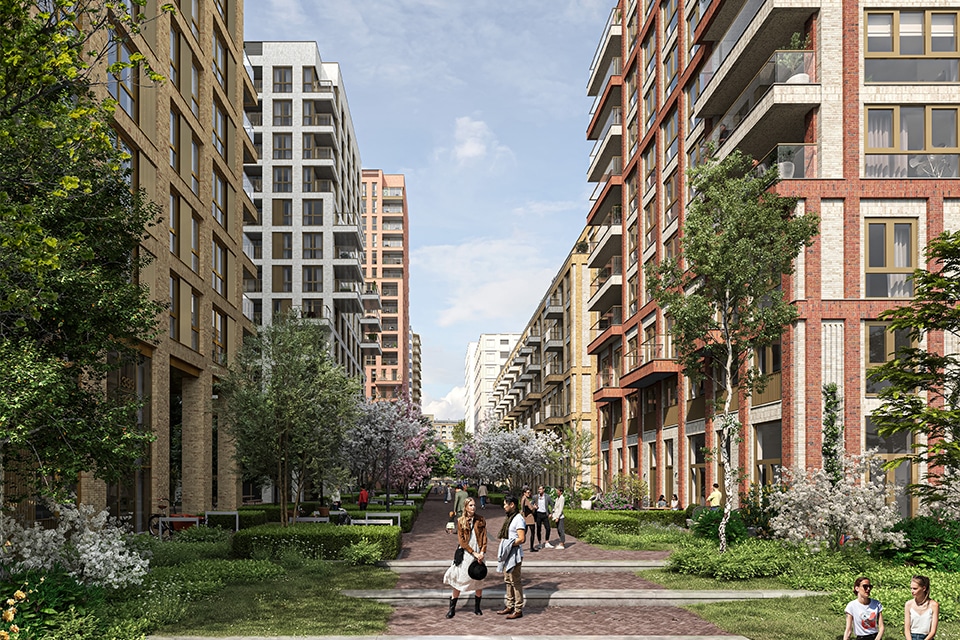
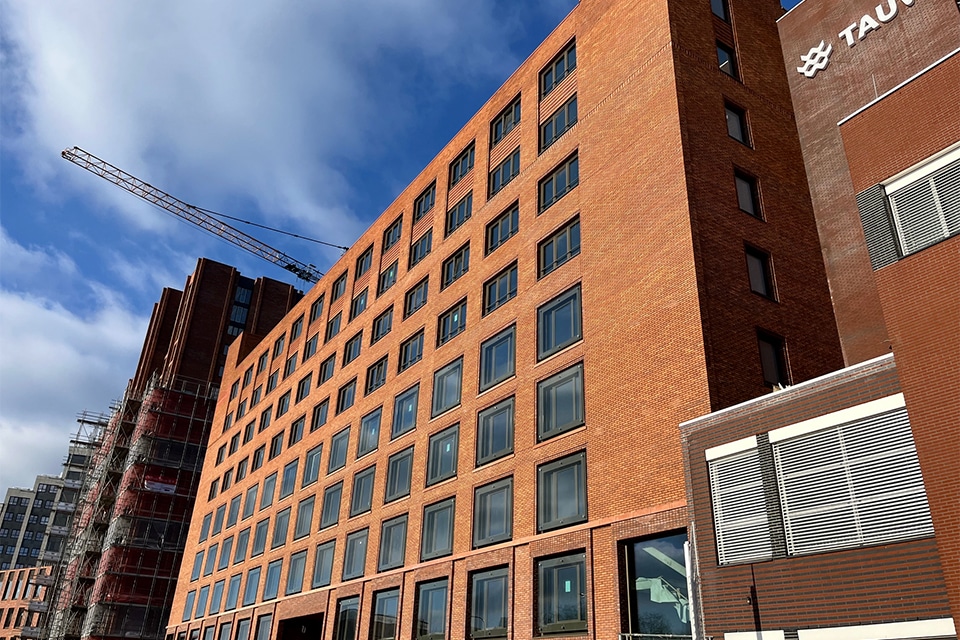
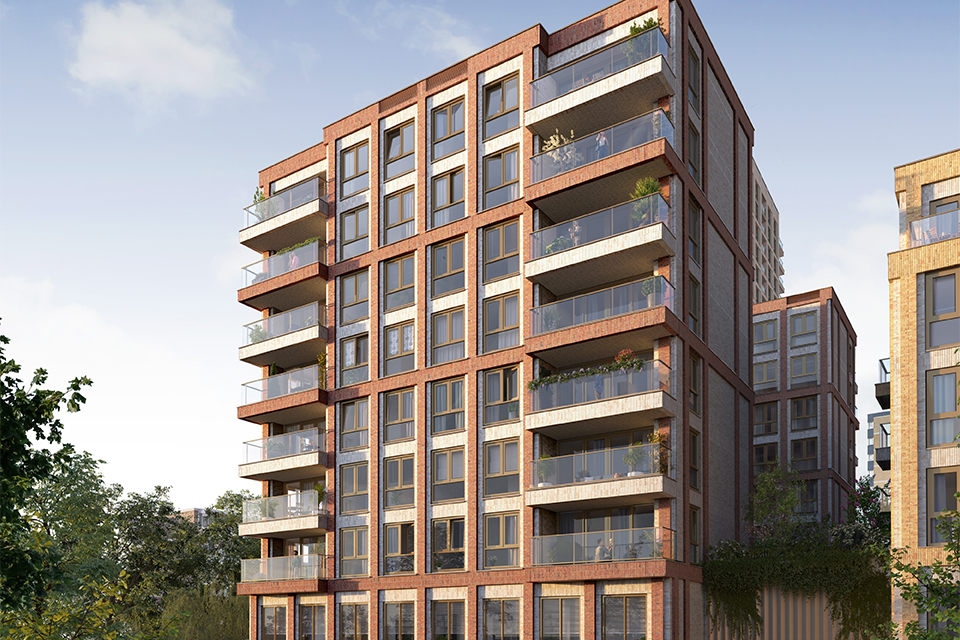
Central to HIGH5 is the realization of the five residential buildings San Francisco, San Jose, San Diego, Long Beach and Los Angeles, which together form an ensemble with 569 owner-occupied and rental units, each with its own position and significance. Adriaan Mout, architect and partner at LEVS architects, first mentions the two building blocks on California Square, which will form the future heart of Schalkstad shopping center. “The new building blocks conform in form, articulation and detailing to the urban architecture around the square and refer to the center of Haarlem. They are intersected by a passage, which connects the square with the three towers behind it. These towers stand with their feet on the water and are part of the green strip that folds around Schalkstad. A classical construction and subtle articulation of brick and aluminum cladding architecturally divides the towers into a plinth, center section and crowning, without losing the coherence of the towers. This subtly nuances the building height.” Three different colors of masonry (yellow, white and red) make each building unique and give it a warm feel.
“Despite the high density, we succeeded in creating a very friendly and inviting residential environment between and within the buildings,” says Mout. “For example, through a carefully landscaped ground level, but also through a differentiated plan with diverse functions and a large housing variety.” Yet the plan also emphatically forms a unity. “The buildings are really designed as an ensemble. Both in terms of architecture, coloring and urban integration. For example, the three colors of brickwork of the towers come together very nicely in the building blocks on the square.” At the same time, the buildings also clearly occupy their own place and position. “This also has to do with the programming. For example, a plinth for commercial and social facilities has been added in the blocks on the square. Above this are the social rental and owner-occupied apartments. In addition, this is where the parking needs of all residents are met.”
Initially, a single-story parking garage under the entire plan area was planned, which was later turned into a two-story parking garage under part of the buildings. “Due to poor ground conditions, however, this solution proved financially unfeasible,” says Mout. “As an alternative, parking was therefore raised, to the first and second floors of the city block. In combination with the green roof garden above, we add an important residential quality to the area. Moreover, this above-ground solution saves an enormous amount of CO2 - comparable to as many as 480 aircraft movements around the earth.” Highly sustainable is also that this plan anticipates the future. “When fewer parking spaces are needed in the future, the parking garage can be converted relatively easily into office space, for example.”