Residential and non-residential construction
Plug-in installation in housing: High installation speed and an error-free installation
Text Lieke van ZuilekomPhotography Oudshoorn Elektrotechniek
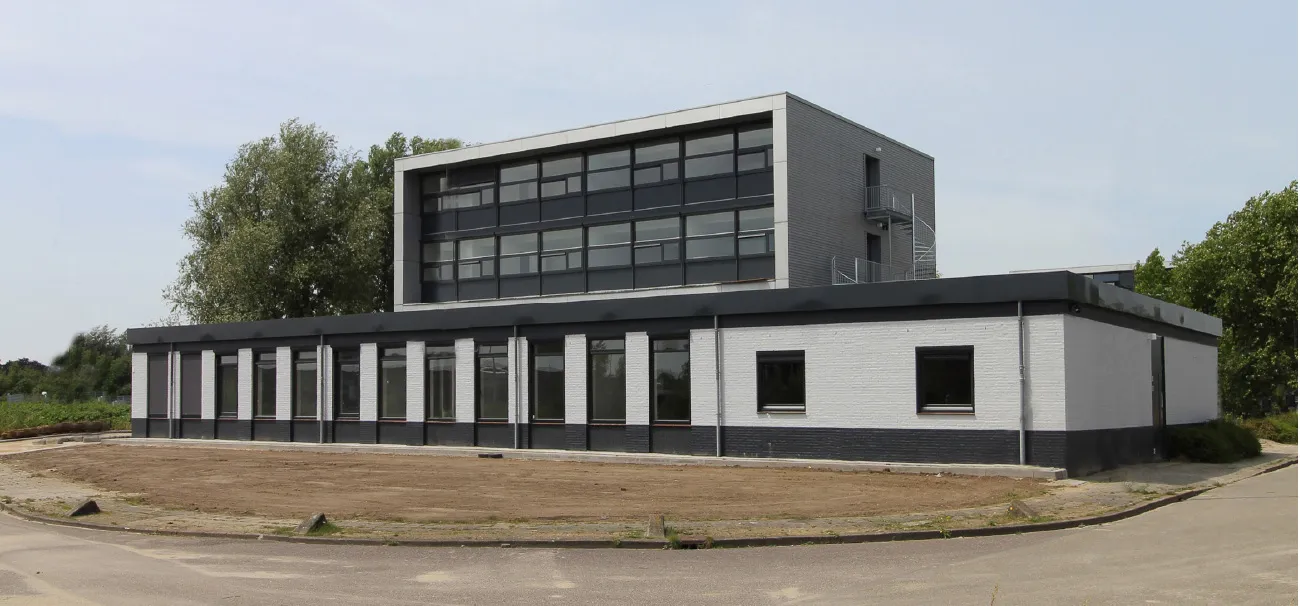
Alphen aan den Rijn urgently needs housing for around 2,000 to 3,000 workers, mainly from Eastern Europe. As a result, a vacant office building on Genielaan, among other locations, has been converted into a residential building with 44 temporary homes for 128 workers. HEJA Vastgoed & Ontwikkeling initiated the conversion. Bouwbedrijf Nobel was responsible for the construction work, while Oudshoorn Elektrotechniek installed all the electrical systems. “To achieve a quick and cost-effective conversion, modular homes with their own bathrooms and kitchens were installed,” says John Oudshoorn, director and owner of Oudshoorn Elektrotechniek. “Wherever possible, we also opted for plug-in installation using WINSTA® RD.”
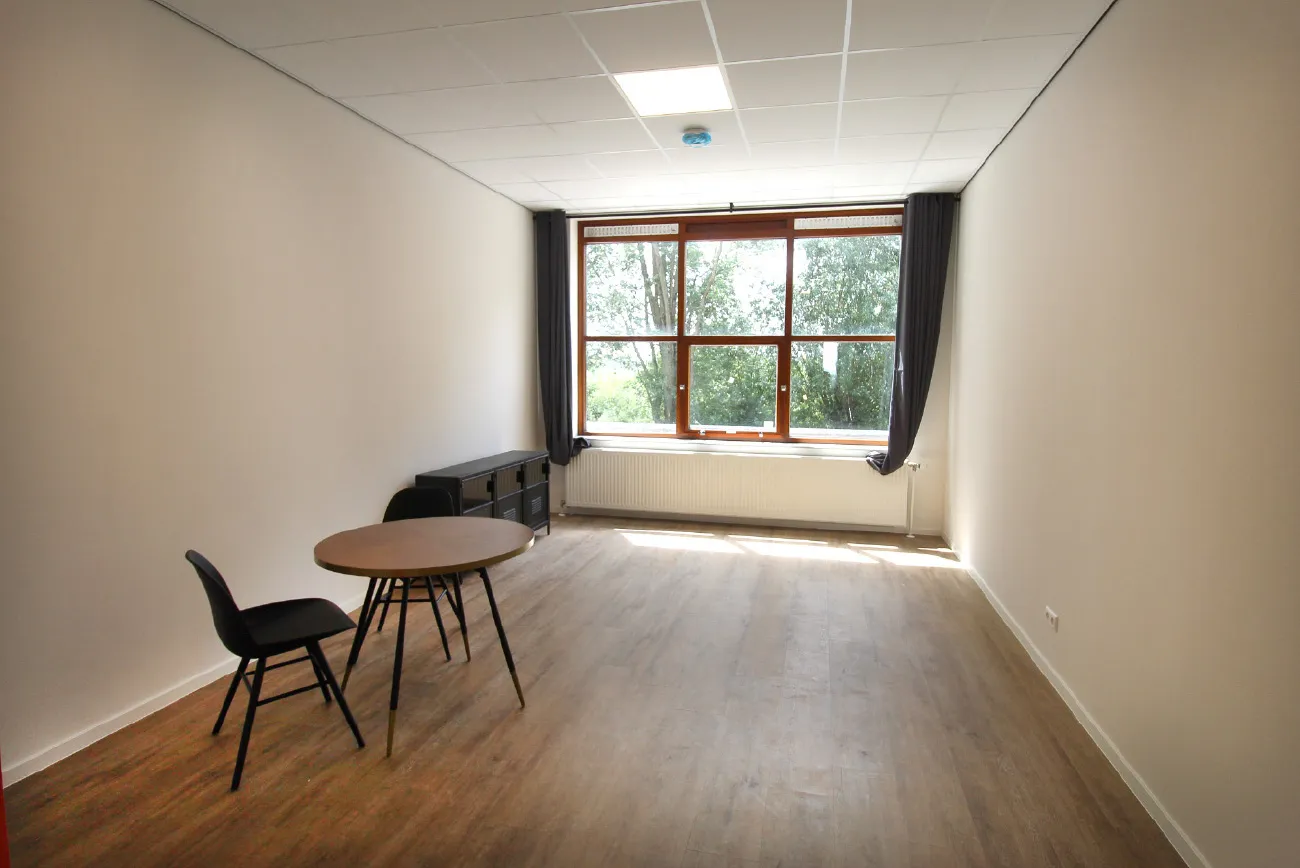
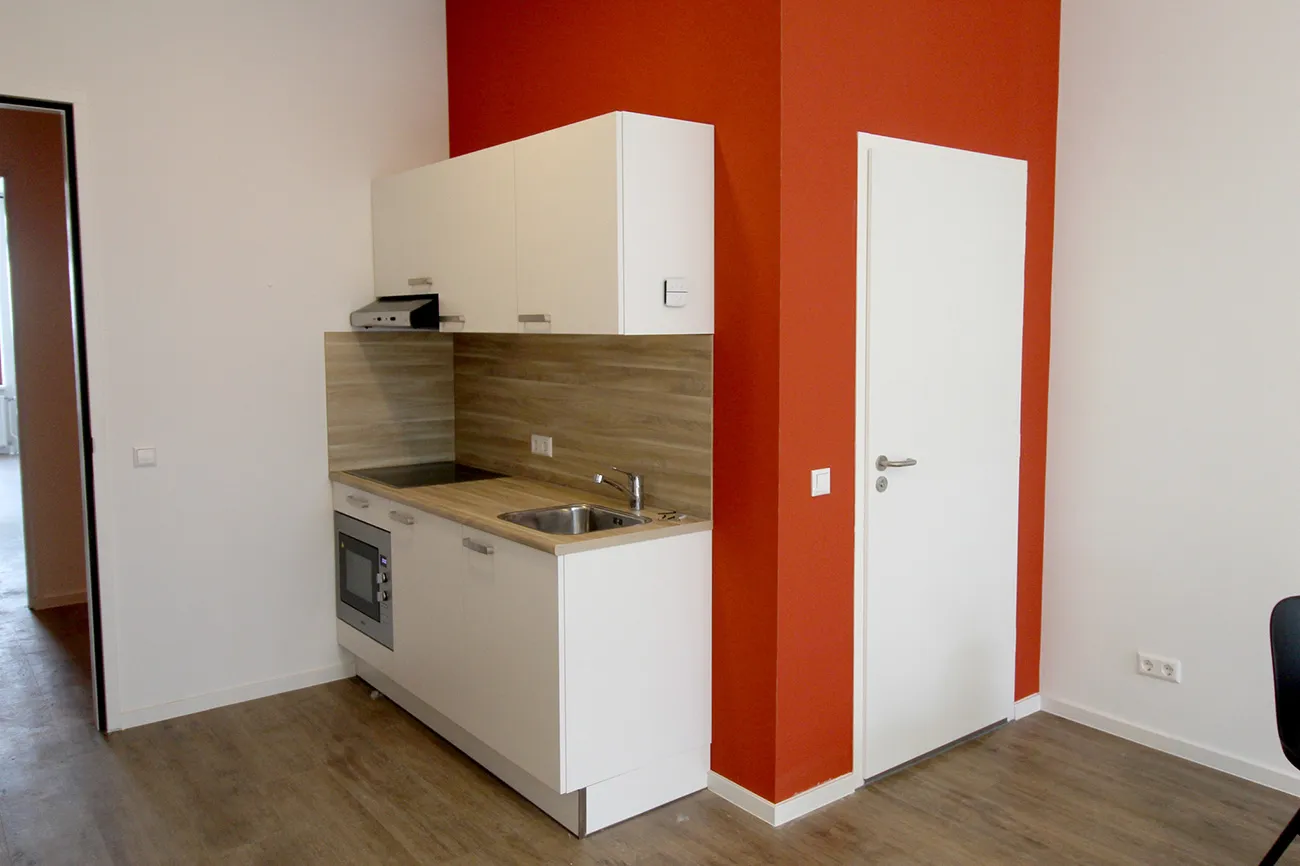
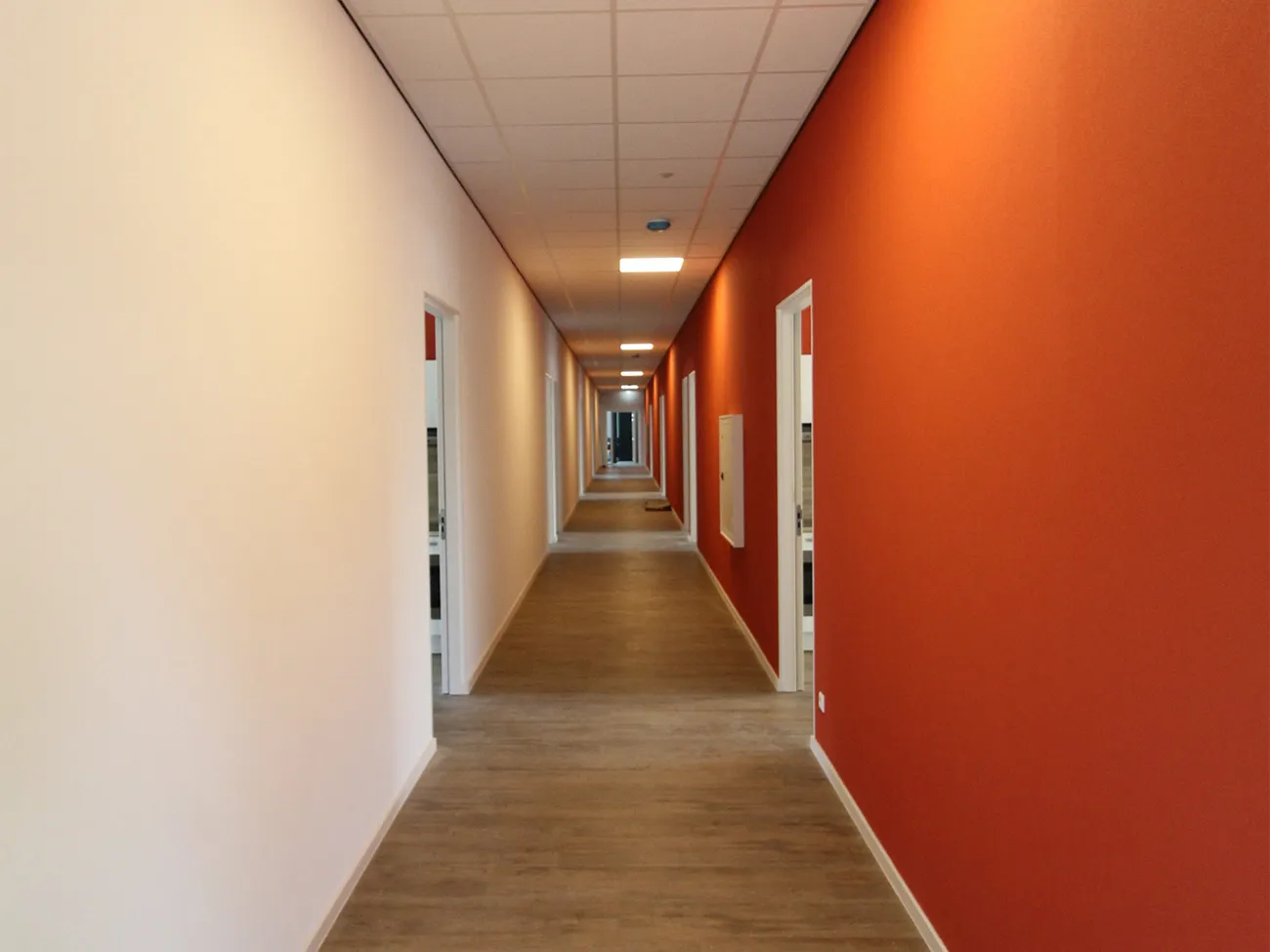
“The entire building has suspended ceilings,” says Oudshoorn. “In addition, 95% of the rooms have dry-lined walls. This made the project particularly suitable for plug-in installation, both in the homes and in the communal areas.” Only the technical installation was built using conventional methods, he explains. “From the plant room, we ran flat ribbon cable to the corridors. Branch connections were then made from these main feeds to the consumer units in the homes, using special connectors. From there, the installations were built using 100% plug-in systems, from the socket outlets to the switches and lighting. The lighting in the corridors and entrances was also installed using plug-in connections.”
High installation rate
“Using WINSTA® RD for plug-in installation made it very easy and quick to run all the cables inside the walls and above the ceilings,” says lead installer Marco Ruijgt. “We no longer needed to install conduits or fit clips, which cut installation time by almost half. To ensure the work went smoothly, we divided the project into a left wing and a right wing. All the walls in the left wing (18 rooms) were fitted with plug-in installations in just one day. The right wing followed a week later. The installations above the ceilings could be completed in around 1.5 hours per home.” Round connectors were used in the homes, while flat connectors were used in the corridors, Ruijgt explains. “These flat plug-in connections made it even easier to create circuits, including above the ceilings.”
Pioneer in plug-in installation
The Genielaan project is certainly not the first project in which Oudshoorn Elektrotechniek has used plug-in installation. “In 2015, we became the first contractor in the Netherlands to carry out a project using WINSTA® RD: the conversion of a former town hall into 16 apartments,” says Oudshoorn. “Since then, we have regularly carried out projects using plug-in systems. Our installers are now very familiar with the systems, enabling us to take advantages such as high installation speed and error-free installation to an even higher level. During the design phase, we worked out the plug-in systems in detail in collaboration with WAGO (connection cables and connectors), Attema (socket outlets and consumer units) and JUNG (switchgear). All the plug-in components were then delivered to the site in one consignment. This allowed our installers to work at a high pace without interruptions.” Ruijgt adds: “During our first plug-in projects, WAGO was regularly on site to explain connection methods and answer installers’ questions. Their experts also visited us several times during this project, mainly out of interest, but also to see where support might be needed or helpful. We greatly appreciate their involvement.”
Have a business enquiry for WAGO? Get in touch
Companies in this story
Keep following this
Get an email when a new story is published. No account needed.
- SubjectResidential and non-residential construction
- CompanyWAGO