Platform on new construction, renovation, restoration and transformation

For eleven years now, housing association Stadlander has been renovating the Gageldonk-West neighborhood in Bergen op Zoom. The final piece of the Vijverberg-Zuid subarea is the 32 apartments on Teunisbloemstraat, where there has been a strong focus on circular construction. Although everything looks brand new and in tip-top condition, many elements have been reused, right down to the sinks.
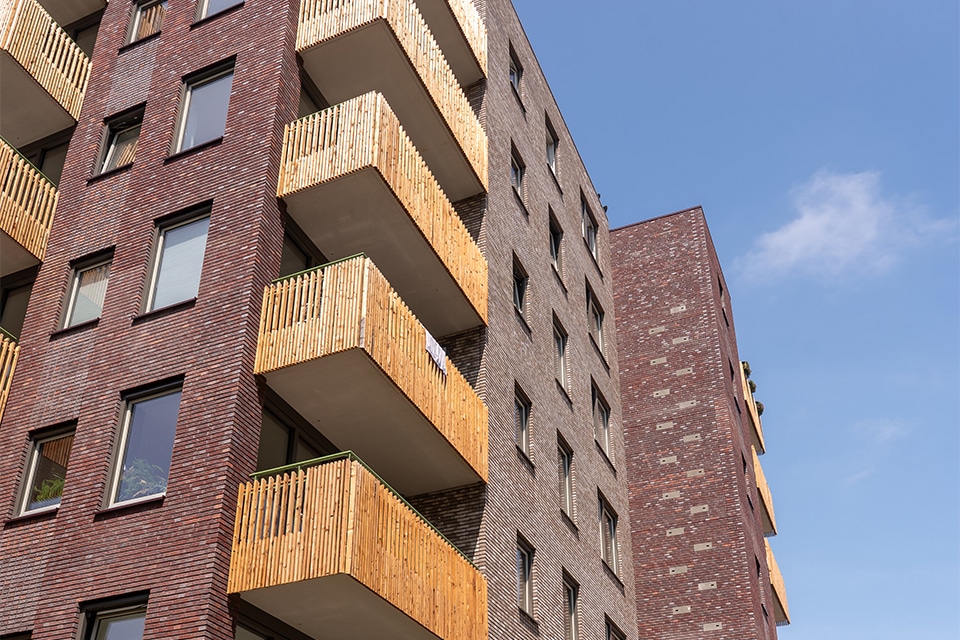
Gageldonk-West was a neighborhood built in the 1950s and 1960s with many repetitive low-rise buildings and stacked porch flats. Next to it is a park with a pond, but the old structure did not connect to it. In the renovated neighborhood, the street patterns have been adapted so that residents now live in a park-like environment. The type of housing has also been changed, says architect Tjerk van de Wetering of Spring Architects. ’We adapted the existing urban structure to create space for slightly taller apartment buildings. The plan was optimized so that no living space was lost. The result is a nice mix of ground-level and stacked homes.’
“In collaboration with our partners, we have already demolished and built a large number of homes. Both owner-occupied and rental properties have been rebuilt. We have not only tackled the bricks and mortar, but have also worked on strengthening the socio-economic fabric of the neighborhood,” says Joke Franken, real estate developer at Stadlander. The final phase consisted of 32 apartments in the Op de Vijverberg building in Vijverberg-Zuid. Franken: “We wrote a business case on how we could develop the project in a circular manner. We made a conscious decision to focus on reusing building materials or using better materials within a traditional design.”
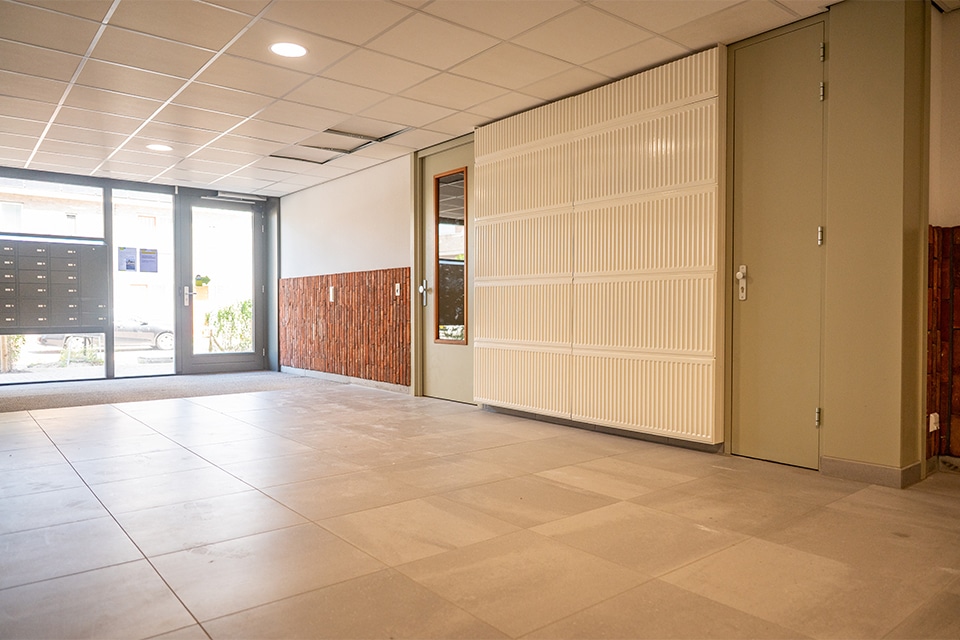
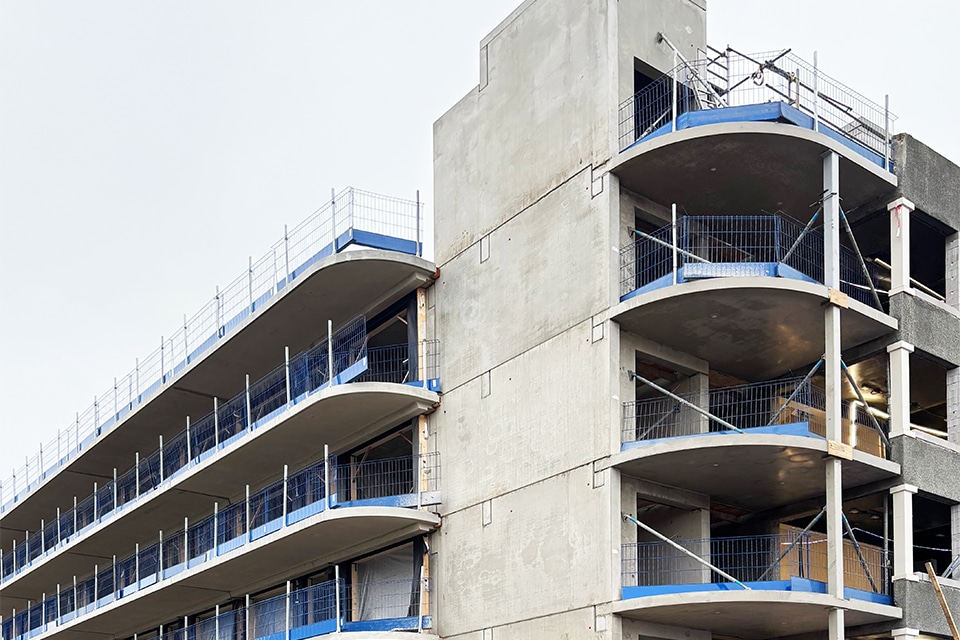
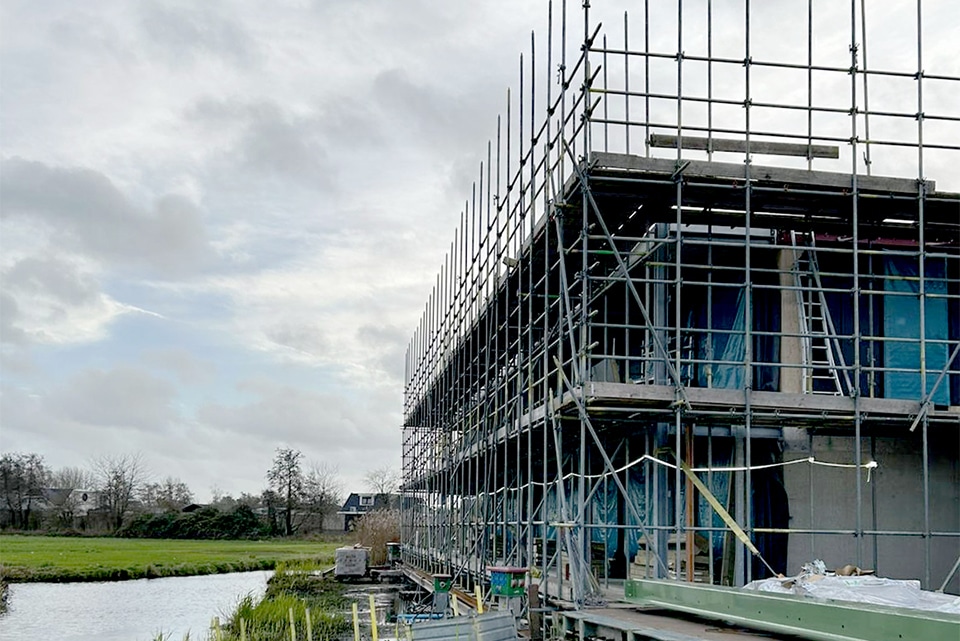
Construction of the last apartment complex began in January 2024 and was recently completed. The three-room apartments all have the same layout, with a surface area of 70 and 75 square meters. These are social housing units. The preliminary phase took some time because local residents had to be involved. “It is always difficult to develop in an area where people already live. They are used to a certain image and a certain height. We had lengthy discussions with local residents. Initially, we had planned a taller building. We lowered it while retaining the same number of homes,” says Franken. Van de Wetering adds: “We always want the best for the neighborhood. We set up a sounding board group and involved residents in all the considerations and challenges that arose during the design of the project. We also provided insight into the effect of certain design choices on the surrounding homes. If you make it clear what effect changing the position of the new apartment building will have on the living experience of the neighbors, you ensure that you develop the best plan together.”
The construction partners were selected at an early stage. This allowed them to work together on the participation process and the demolition. Franken: “Together, we looked at what we could reuse from the demolition. We were progressive in this regard.” Sjors van Gorp, operational director at A. van Liempd Sloopbedrijven, agrees. “We reused a lot of material from the demolition, including for the new construction. We demolished more projects in the neighborhood in a circular manner and stored the materials in Stadlander's materials bank.” This resulted in distinctive elements in the homes, such as wooden cladding, balcony railings, and fences made from construction wood from the old buildings. Rubble was used for paving within the neighborhood, and balcony railings from another project are now being used as facade elements for plants to grow on. Even sinks and shelves for the bathrooms were given a new lease on life. Van Gorp: “Even the name on the facade is made from reused material. It looks like new, but with the story behind it, it has added value.”
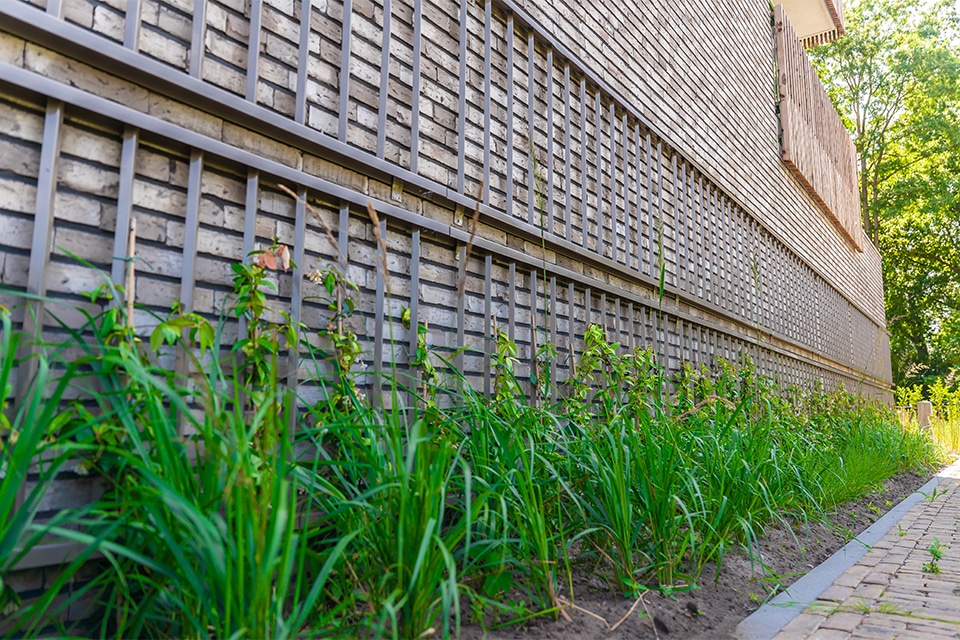
This does not mean that tenants have to make do with outdated products. Sustainability is important, but people must, of course, be able to live comfortably. Much of it is second-hand, but it looks like new. “Tenants expect new stuff, and we don't want to disappoint them. If you don't know, you can't tell that the products have been reused,” says Bjorn Jongste, project manager at Lithos bouw & ontwikkeling. Everything was thoroughly cleaned and underwent a rigorous quality check. In the traditional recycling world, a sink would be processed into rubble, but that was not the case here. This does not mean that it was cheaper, explains Franken: “New is often cheaper and easier because you don't need quality control. We take responsibility for this. The construction industry is a major polluter, with lots of new materials and CO2 emissions. We are trying to create new demand here, so that the market for used materials grows. We were easily able to do ten percent better than traditional construction, without it costing more. We also learned a lot for future projects.”
Because Stadlander is a pioneer in the reuse of materials, it is a source of inspiration for other housing associations, according to the architect. “Of course, there are more sustainable projects. However, the ambitions are often sky-high and the costs so high that the ambitions have to be adjusted at a later stage. During the preliminary design phase, we decided that we wanted to make it more sustainable and made efforts to achieve a great result with a small impact. With seemingly small interventions, we have still achieved a great result.”
A total of 700 homes were demolished and rebuilt throughout Gageldonk-West. In the Vijverberg-Zuid subarea, this involved 131 homes. Fifty homes from the 1960s were preserved. Van de Wetering: ‘The people who live here have been through a lot. They have been living with construction for years, and even a number of street names have been changed. By painting the window frames of the existing homes in the same colors as those of the new buildings, the difference between old and new is minimal. The original residents of Gageldonk-Zuid feel part of the new development in the neighborhood.“
The neighborhood developments are still ongoing. The municipality is still working on paving the streets and installing playground equipment. Franken: “Last year, we opened a Community Center. Together with Stadlander, the municipality, and social partners, we organized a big party for and by the residents with a multicultural festival. We celebrated ten years of Gageldonk-West. Now we are finally completing the last parts of the neighborhood.”