Platform on new construction, renovation, restoration and transformation
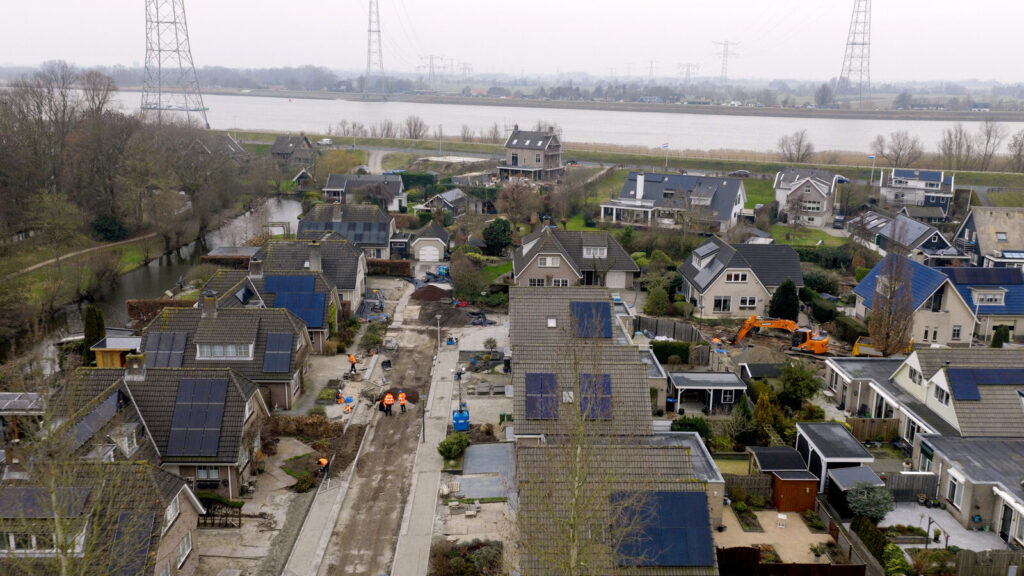
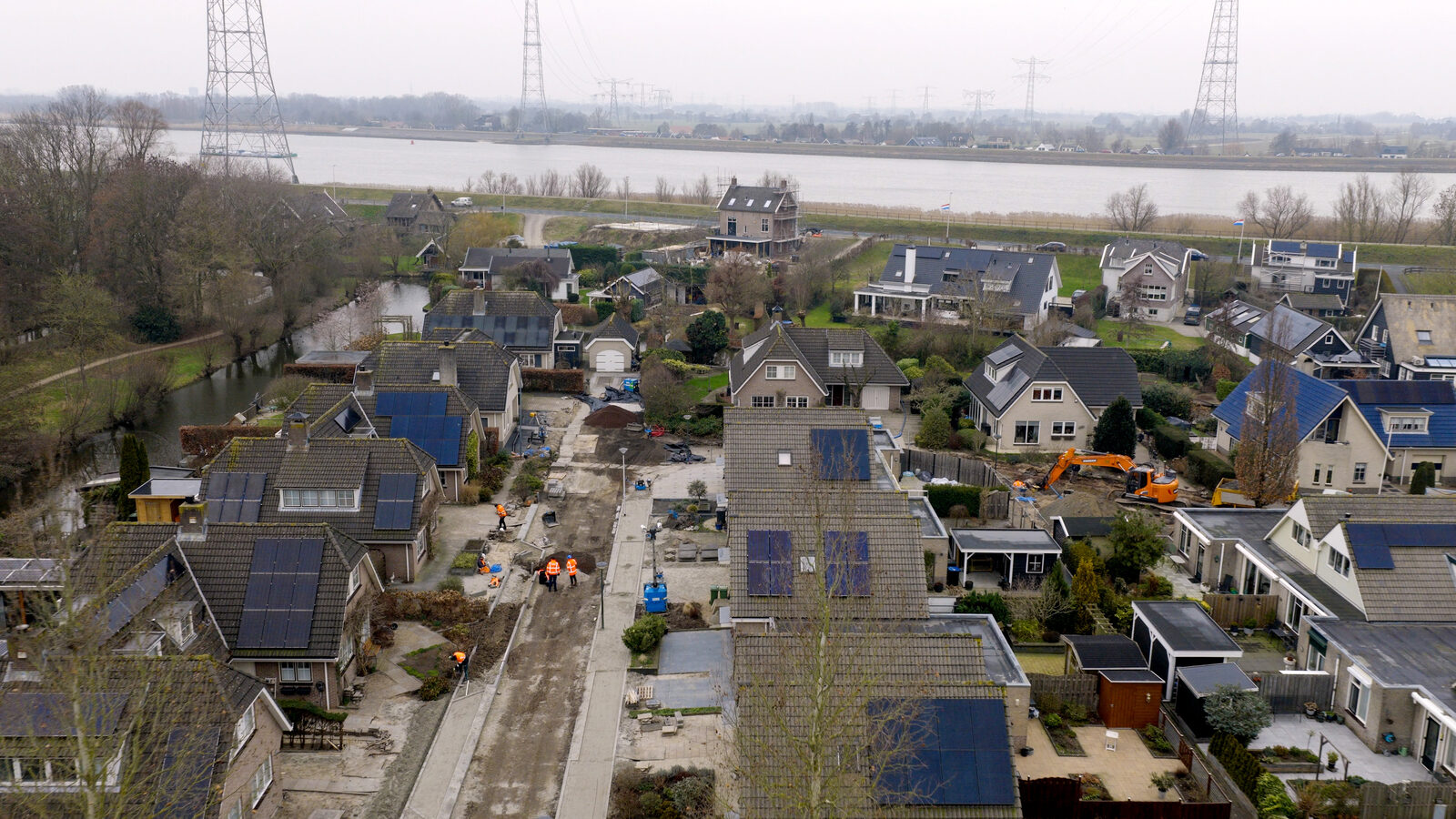
As part of the large-scale redevelopment of Nieuw-Lekkerland, the municipality of Molenlanden is installing approximately 250 Axedo® polypropylene (PP) manholes. The municipality has been using this type of manhole from DYKA for years and has had positive experiences with it. For road manager Jochem van den Berg, the low weight, flexibility in connecting the drains, and ease of maintenance were the deciding factors. Arjan Heijdra, C&I District Manager at DYKA Netherlands, explains why these characteristics are particularly important in reconstruction projects.
The decision to use PP was driven by a practical need at the municipality of Molenlanden. “In the past, we looked for a manhole that was easier to handle,” says Van den Berg. “Mainly to make installation easier for our field staff.”
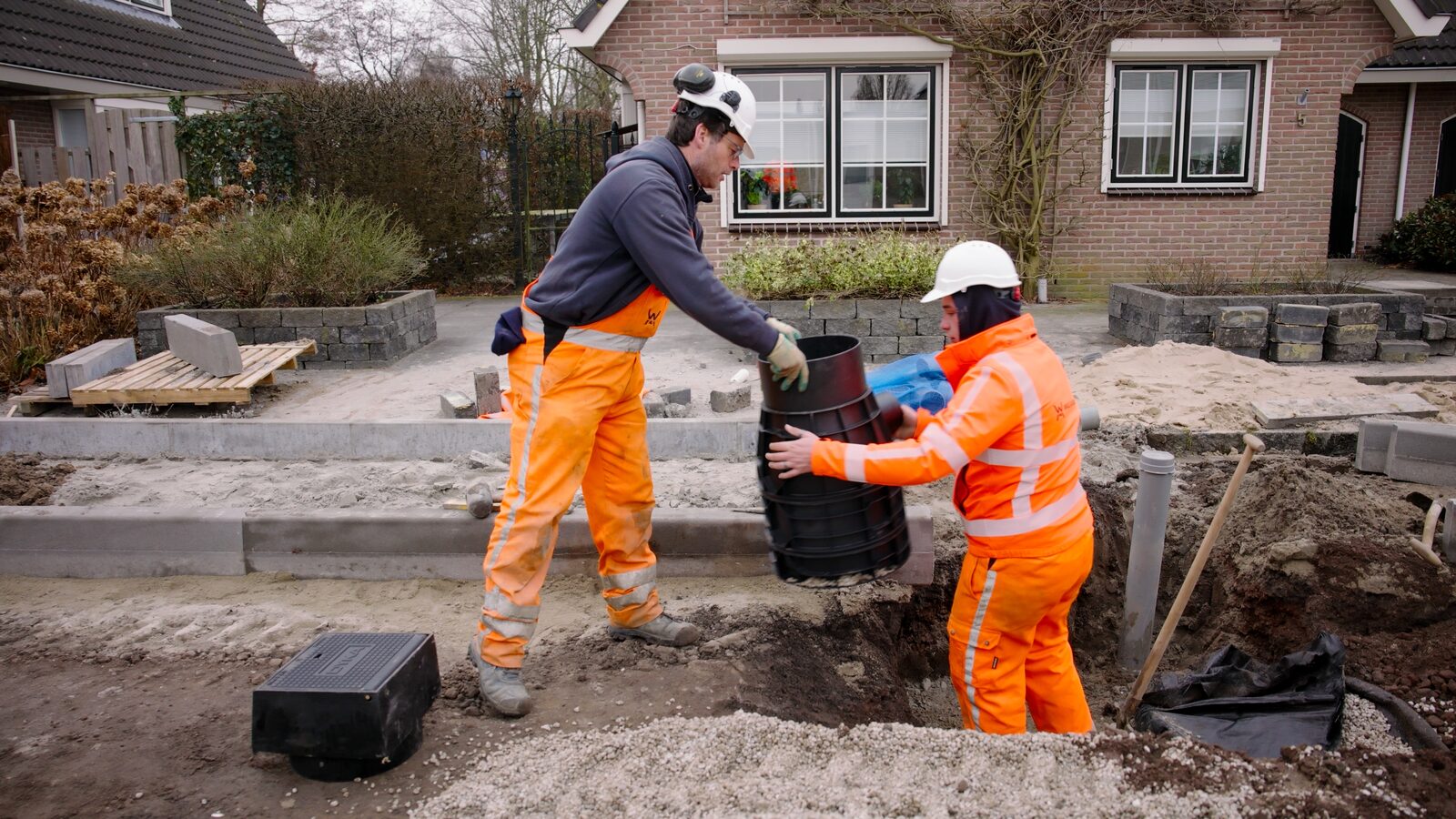
Initially, the municipality opted for a PVC manhole with a PE base; later, it chose the Axedo manhole made of PP. “The choice was primarily driven by its light weight and durability,” Van den Berg continues. The solution has now been in use within the municipality for years. “As far as I know, we haven’t had to replace a single drain yet.”
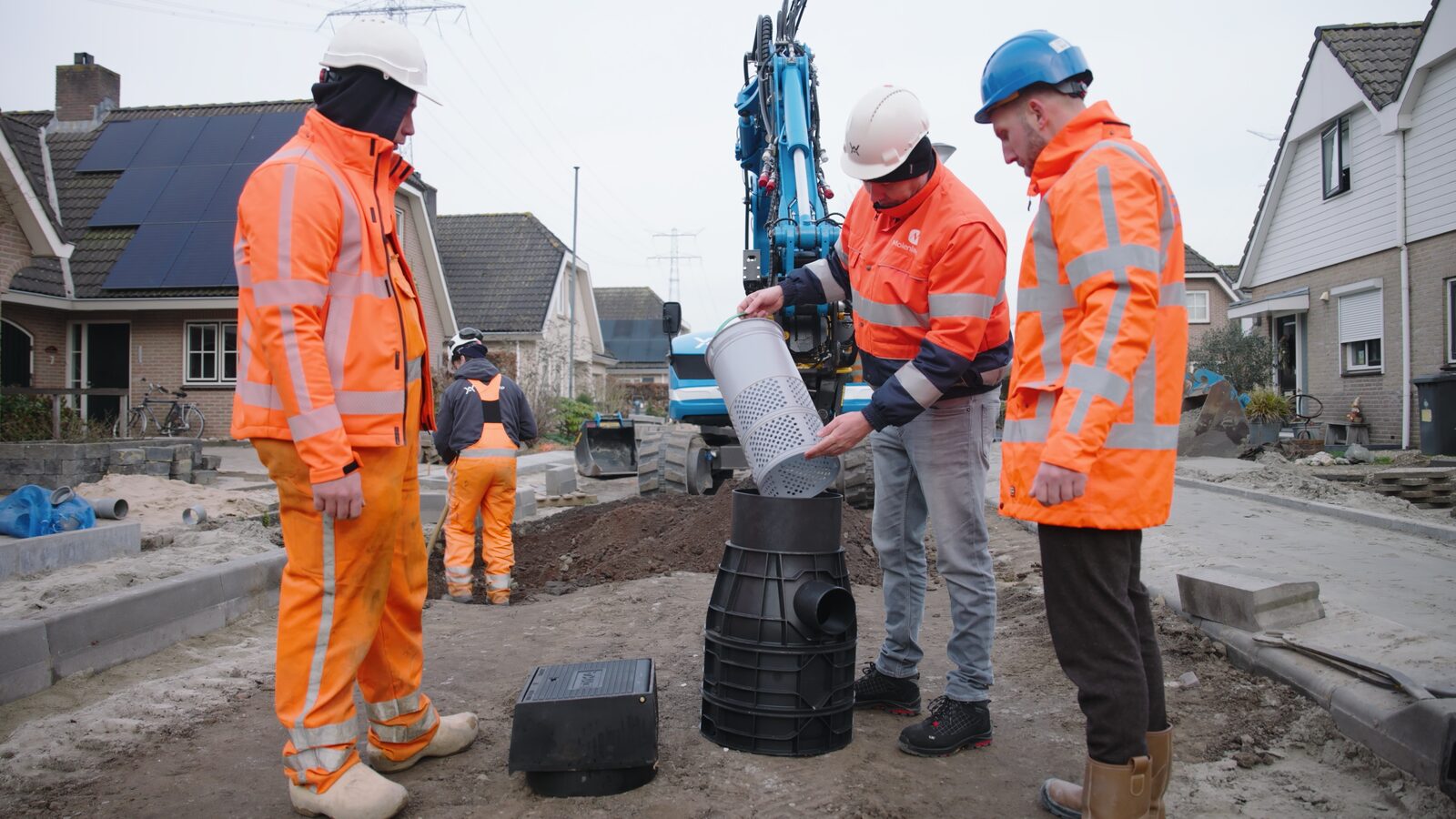
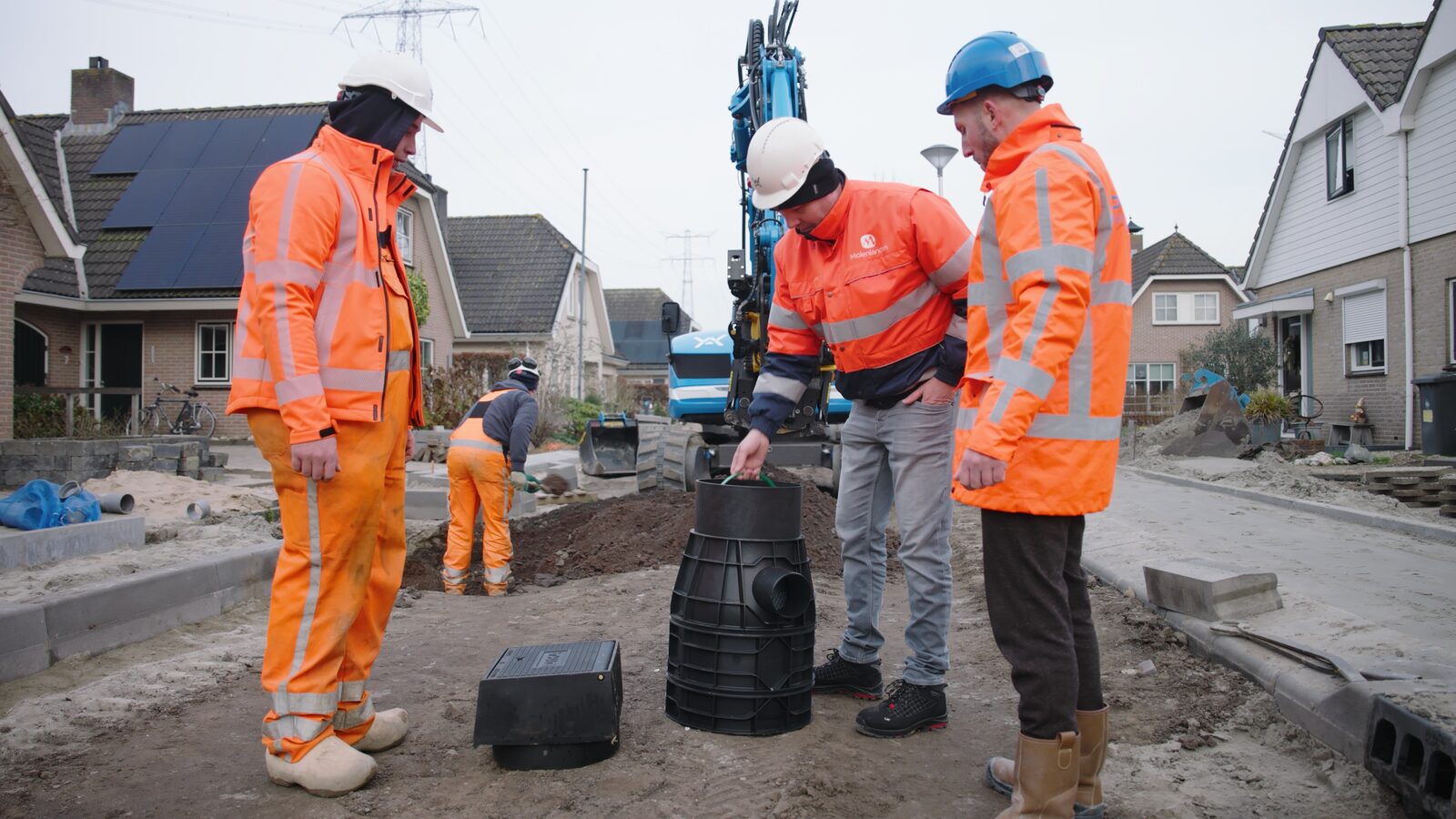
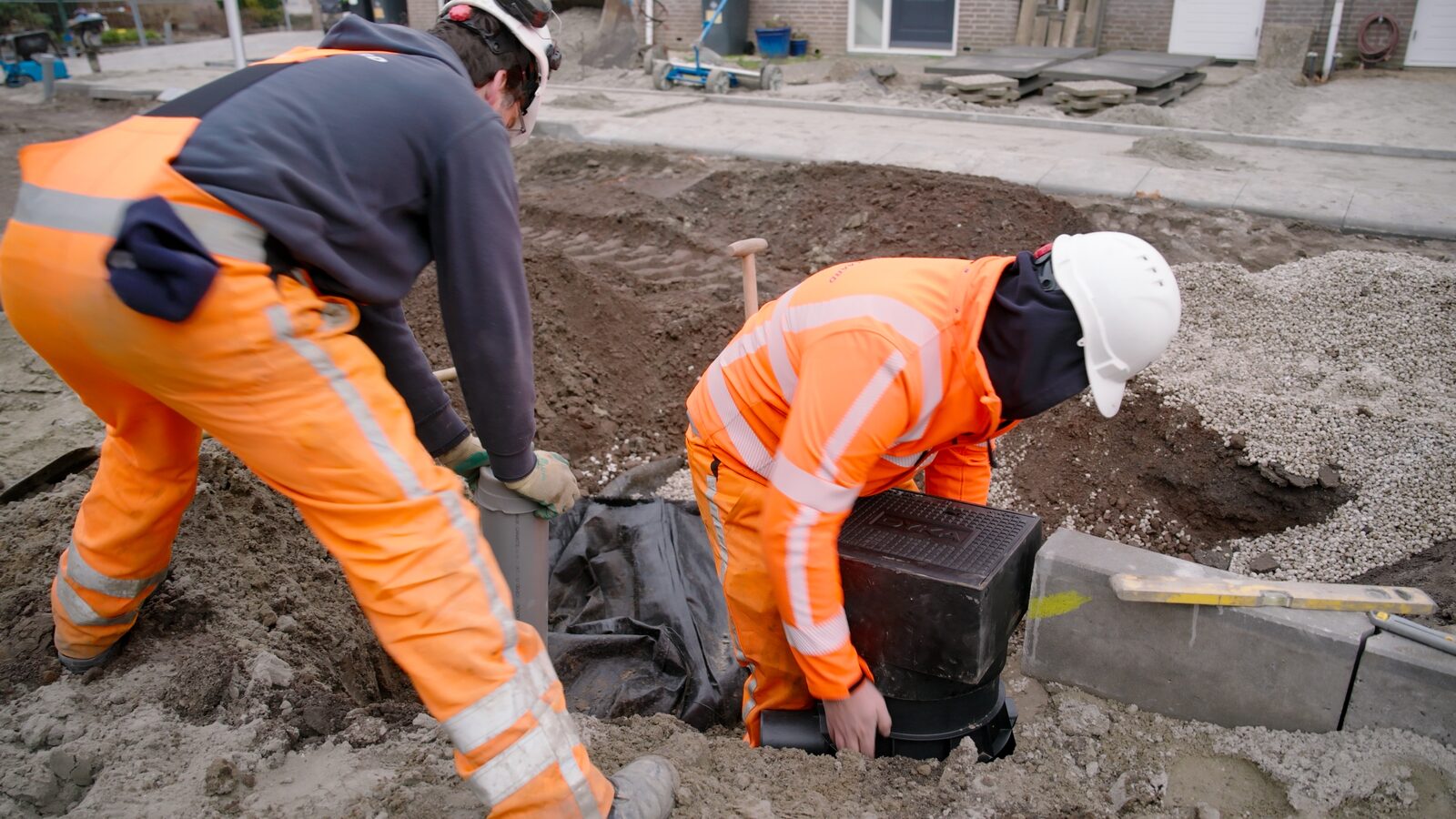
Its light weight offers advantages, especially during installation. Whereas a traditional concrete manhole must be installed with a crane, the PP version can be handled by hand. Van den Berg has heard from his employees that the manhole is easy to install and connect. This is also an ergonomic advantage. Heijdra also points out the two-part design. The base and the cast-iron upper section can be positioned separately, making it easy to align the connection with the direction of the pipe. This flexibility offers particular advantages during reconstruction projects. “In new construction, you usually have plenty of space. In a reconstruction project, there’s already a lot going on underground, and you sometimes encounter situations that aren’t shown on the drawings,” says Heijdra. This is also a factor in the redevelopment of Nieuw-Lekkerland, where the Axedo drains are being used on a large scale. The project will run from the summer of 2025 through April 2027 and, with approximately 250 drains, is the largest application in Molenlanden to date.
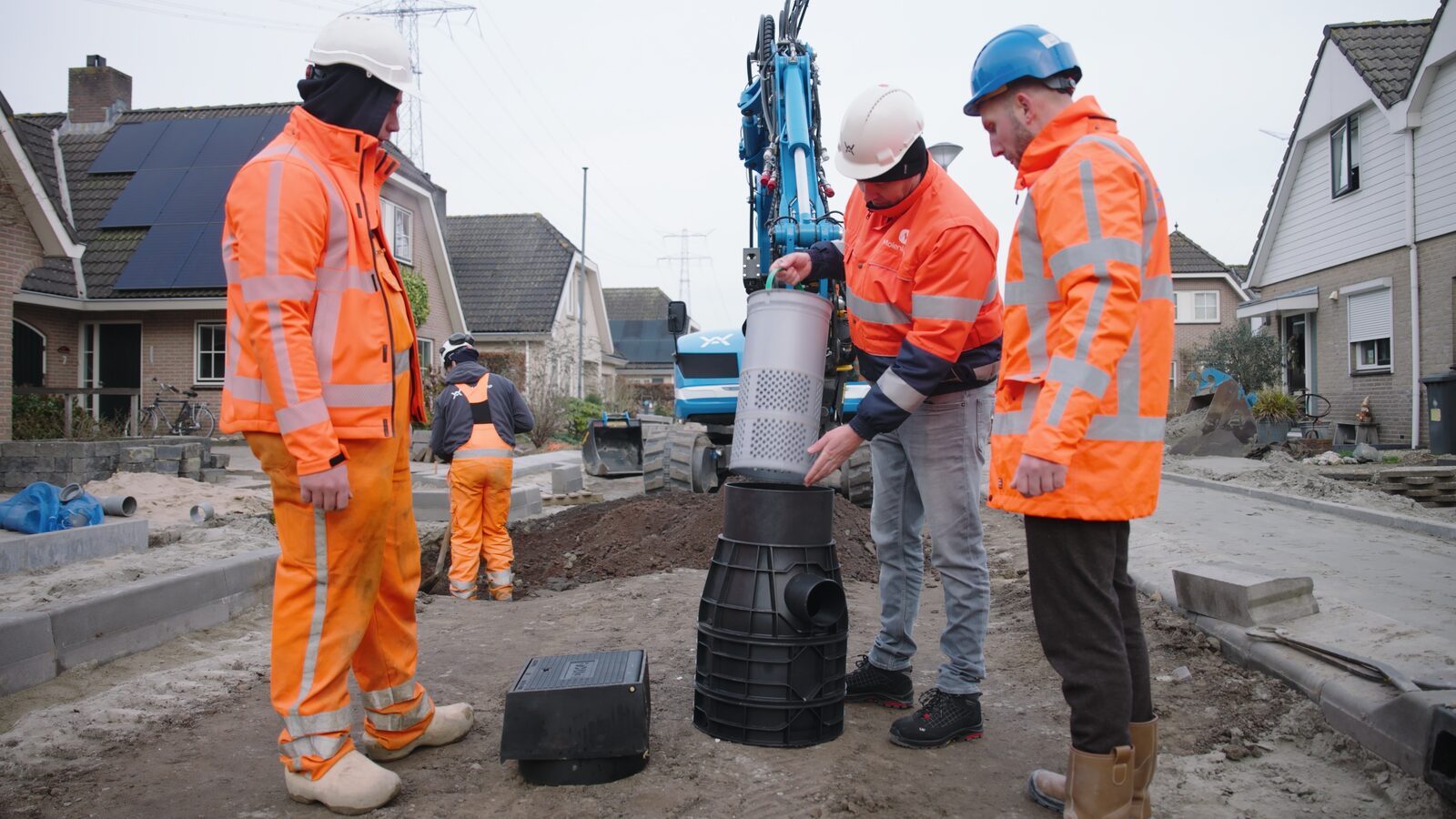
Maintenance is just as important. “A manhole is installed once and must then function properly for at least twenty-five years,” says Van den Berg. “That’s why we place a strong emphasis on simple and efficient maintenance.” Traditional concrete manholes are equipped with a cast-iron odor trap that can come loose during cleaning and must then be repositioned. The Axedo uses a free-hanging cylindrical odor screen, which eliminates that problem. “With concrete manholes, an extra round was sometimes needed after cleaning to reinstall loose odor traps. That takes extra time and labor,” says Van den Berg. Heijdra points out that a manhole is cleaned about fifty times over a twenty-five-year service life. That’s precisely when ease of maintenance counts. Van den Berg: “That’s why you shouldn’t just look at the initial purchase cost, but at efficiency throughout the entire service life.”
The choice of material also offers advantages in terms of sustainability. The Axedo is made from 100 percent recycled PP. The circularity of the material is also important: PP can be recycled again without compromising its material properties. Its low weight also reduces transportation costs and, consequently, CO2 emissions. However, sustainability is only one aspect of a future-proof public space. Dealing with increasingly intense rainstorms and the associated flooding also requires urgent attention.
According to Van den Berg, while the storm drain does play an important role in this regard, it is not, in and of itself, a solution for climate adaptation. “The storm drain is the first link in the stormwater drainage system: water flows from the street through the storm drain into the sewer. But for climate adaptation, you have to look at the entire water system.” The municipality of Molenlanden is therefore focusing, among other things, on larger sewer diameters, separate systems, and disconnecting stormwater from residential properties. “This reduces the load on the wastewater sewer system and minimizes the risk of flooding. Ultimately, it’s about ensuring that the entire water management system is well-coordinated.”