Platform on new construction, renovation, restoration and transformation

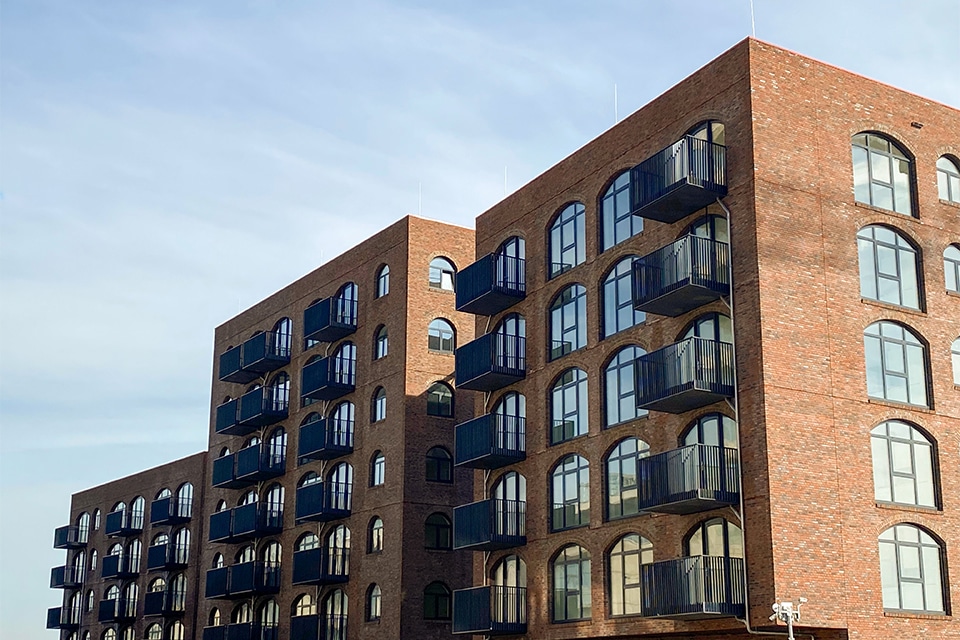
Living healthier and happier for longer. That is the ambition of Cartesius; a new and unique residential district in Utrecht that fully embraces the healthy urban living theory of the Blue Zones. In the Cartesius Triangle there will be over 2,400 homes, from social rental and starter homes to large apartments and townhouses. Synchronous to this impressive area development, OPL architecten designed a special subproject with two linked and five separate residential blocks, in which architectural beauty, manufacturability and affordability come together harmoniously.

Thinking in manufacturability has been in the DNA of OPL architects for 74 years. "In all our projects, we look for the right balance between architecture and engineering," says architect/owner Flip Luger. "An approach that becomes nicely visible in project Cartesius. In the competition phase, the urban planning conditions for the Cartesius Triangle were still in full development. Our plan had to continuously anticipate this." Keystone Vastgoed's initial brief involved a plot for 242 homes, with a healthy mix for low, middle and high incomes. "As the planning process progressed, it became clear that it had to be an ensemble of buildings, on one base plate (parking level), but each with its own architecture and atmosphere. Thanks to a studio-wide collaboration - in which our five architects all designed one or two buildings - we were able to secure the desired diversity and the buildings still form one family."
OPL architects' design includes five linked building blocks in an elongated U-shape along the railroad tracks, flanked by two separate residential blocks on the open park side. "The urban design beauty of Cartesius lies in particular in its diversity, fine-grained structure and careful detailing," Luger says. "In addition, our design is distinguished by a healthy and green living quality, where green facades are stylishly combined with a collective green courtyard garden as well as individual facilities. But also by a perfect harmony of design freedom and manufacturability."

To ensure the feasibility of its designs, OPL Architects always looks emphatically at feasibility and manufacturability, among other things. "Already in the VO phase, but certainly from the DO phase onward, we work out a plan in full architectural terms," Luger emphasizes. "Here we not only look at the aesthetic and technical (connection) details, but we also think completely along with the engineering of realization and construction process. Designs that have not been well thought out structurally almost always turn out to be technically and/or financially unfeasible. Adjustments are then inevitable. This often affects not only the intended architectural quality, but ultimately also our social mission. Anno 2022 we have an enormous housing task. At the same time, permit applications, participation and zoning plan changes remain pending for too long, construction takes place at too slow a pace and policy makers lack a clear vision. If design plans then also need a makeover before they are feasible and affordable, we lose even more valuable time and problems develop from bad to worse..."
During the financial crisis of 2007-2011, much architectural knowledge was lost, Luger believes. "Also among architectural firms. Several firms retreated to their core business and divested their engineering and drawing production. This has created a major deficiency that has not been solved overnight. Because even in the evaluation of pitch plans, too often the prettiest pictures, the coolest architecture and the most challenging ideas still win, without being sufficiently well thought out from an architectural point of view. With themes such as energy efficiency, circularity and nature inclusiveness making our building designs even more complex, thinking in terms of manufacturability becomes even more important."
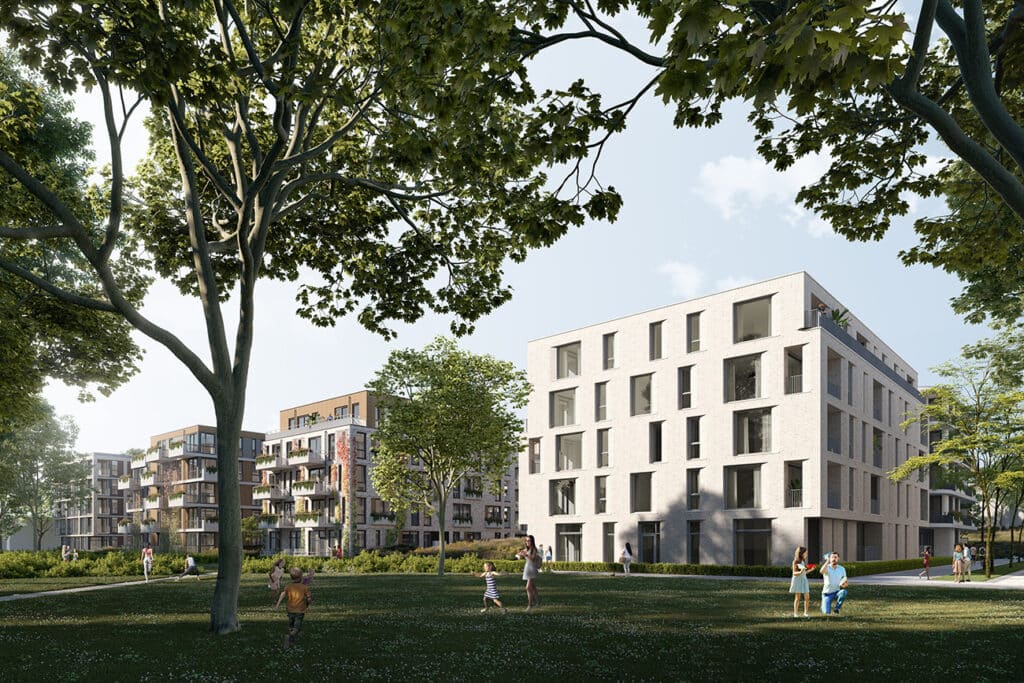
According to Luger, Cartesius is the calling card for an integrated design process and excellent building team collaboration. "At the start of the DO phase, the contractor asked if we could design the buildings so that scaffolding-free construction would be possible. From the earliest stages of elaboration, architectural appearance and construction feasibility were designed in an integrated manner. As a result, a harmonious project can now be realized, with a refined level of detail, an optimal execution method and maximum quality for everyone."