Platform on new construction, renovation, restoration and transformation
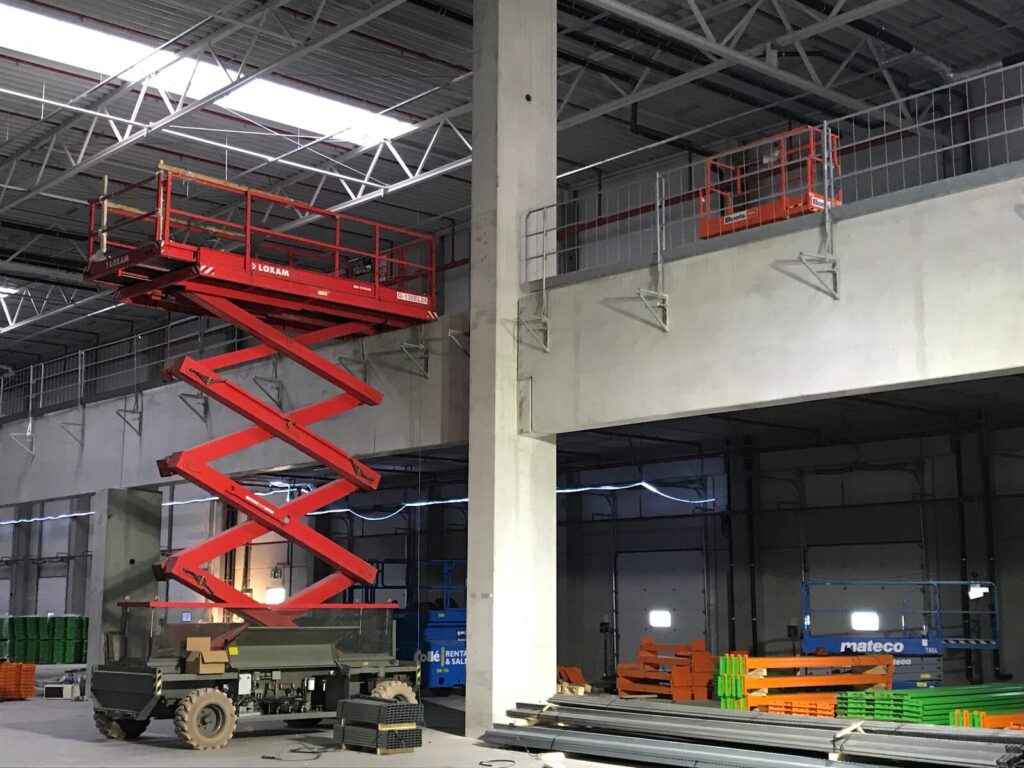
More and more often, machines are being used in ways they were never designed for, such as stepping off at height from an aerial work platform, a lifting scaffold, or a temporary suspended walkway. This isn’t due to a lack of willingness, but because work areas are not sufficiently accessible. The root cause often lies in the design or preparation phase of a (renovation) project.
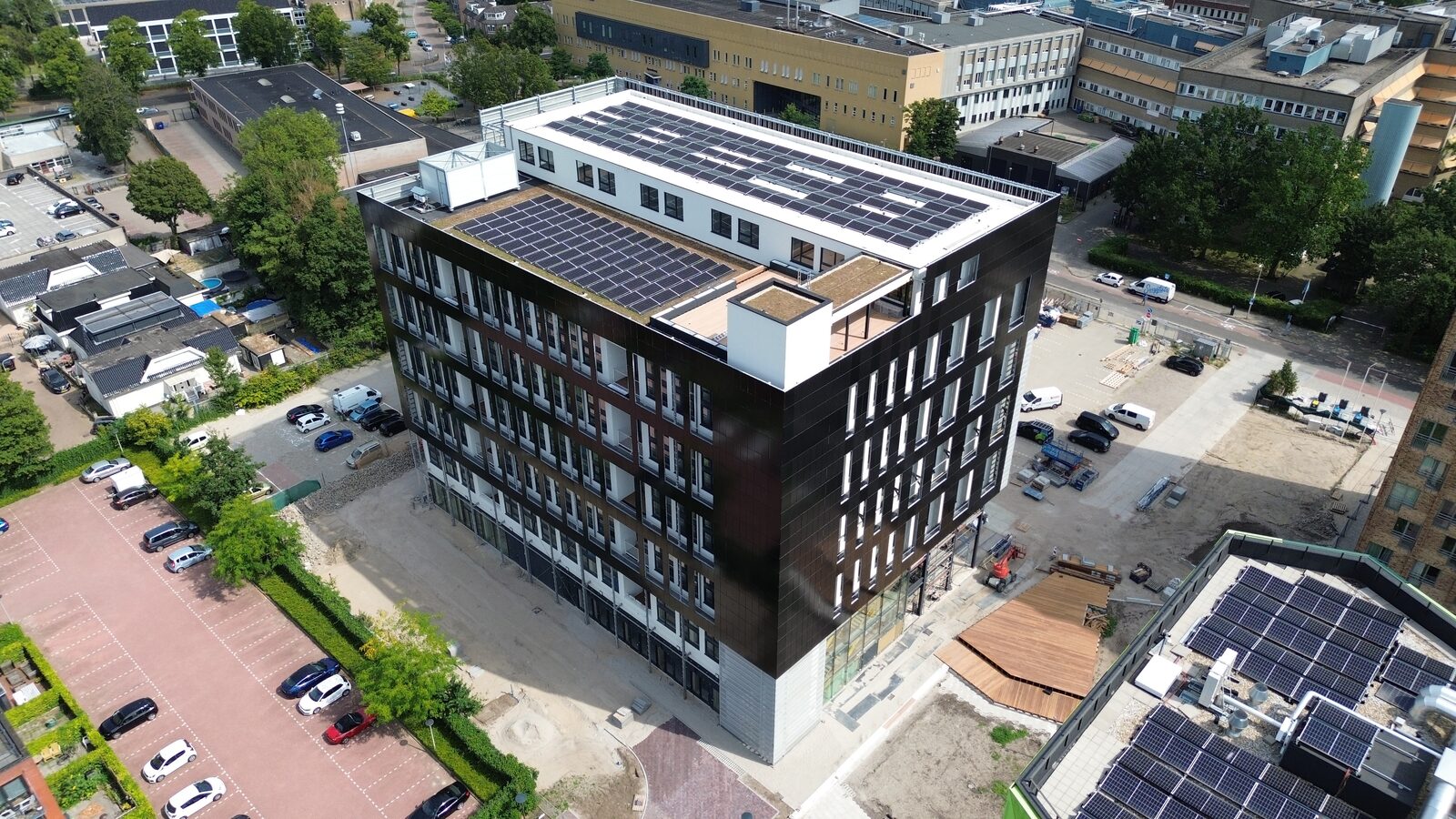
A common example is the installation of solar panels on factory buildings, says Remco van Noordenne of Aboma. “Roofs are covered with panels, but no thought is given to safe access for future inspection and maintenance. As a result, an aerial work platform is deployed, and employees step out at height to reach the roof. That may seem like a practical solution, but it’s not the intended use of the machine. Doing so increases the risk of unsafe situations.”
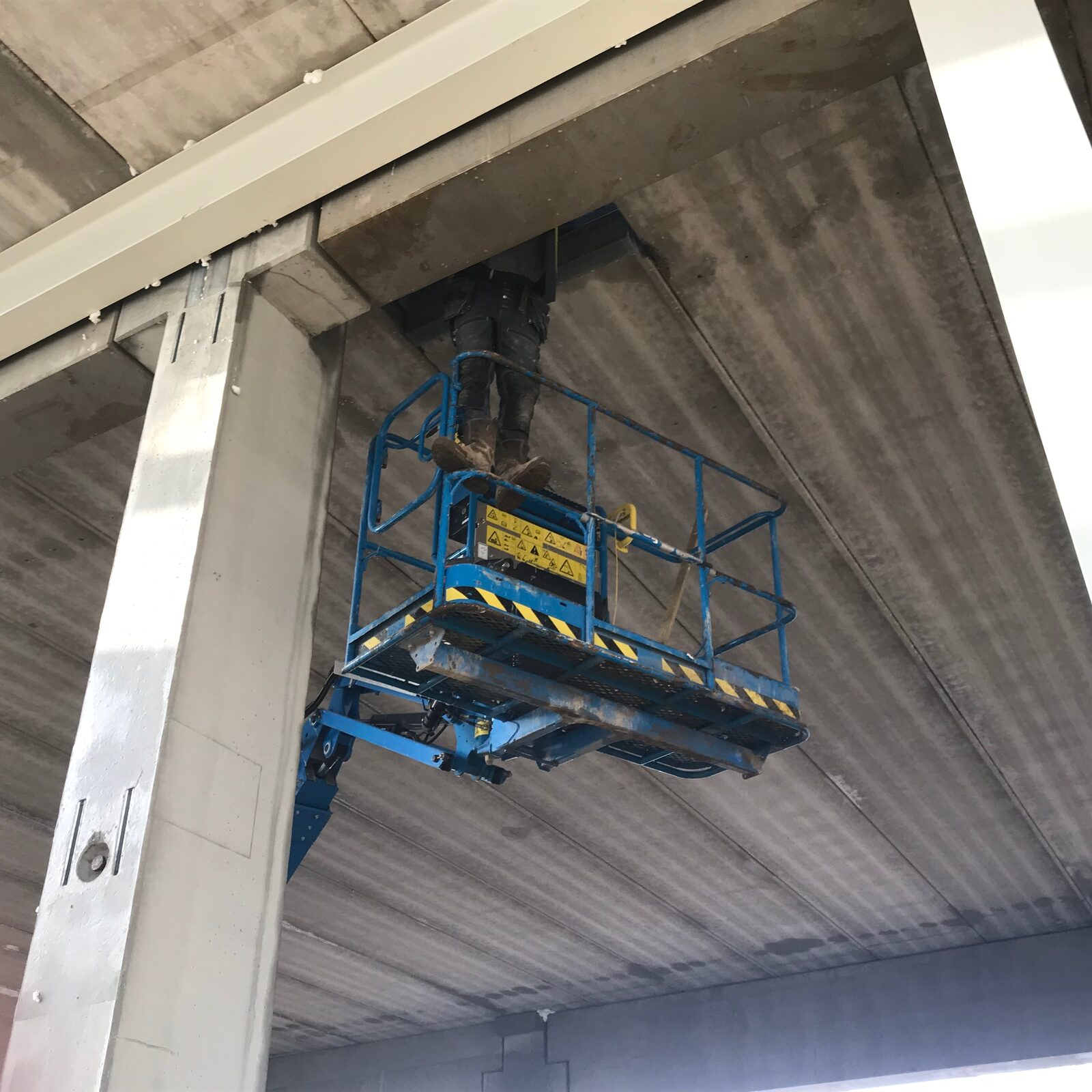
The same trend is evident in renovations of apartment buildings from the 1960s and 1970s, Van Noordenne continues. “To minimize disruption to residents, temporary suspended scaffolding or lifting scaffolds are used to access the facade from the outside. Sometimes workers step onto a balcony from these structures. These work platforms are not designed for this purpose either. Although a landlord may sometimes indicate that this is possible, it still deviates from the manufacturer’s intended use.”
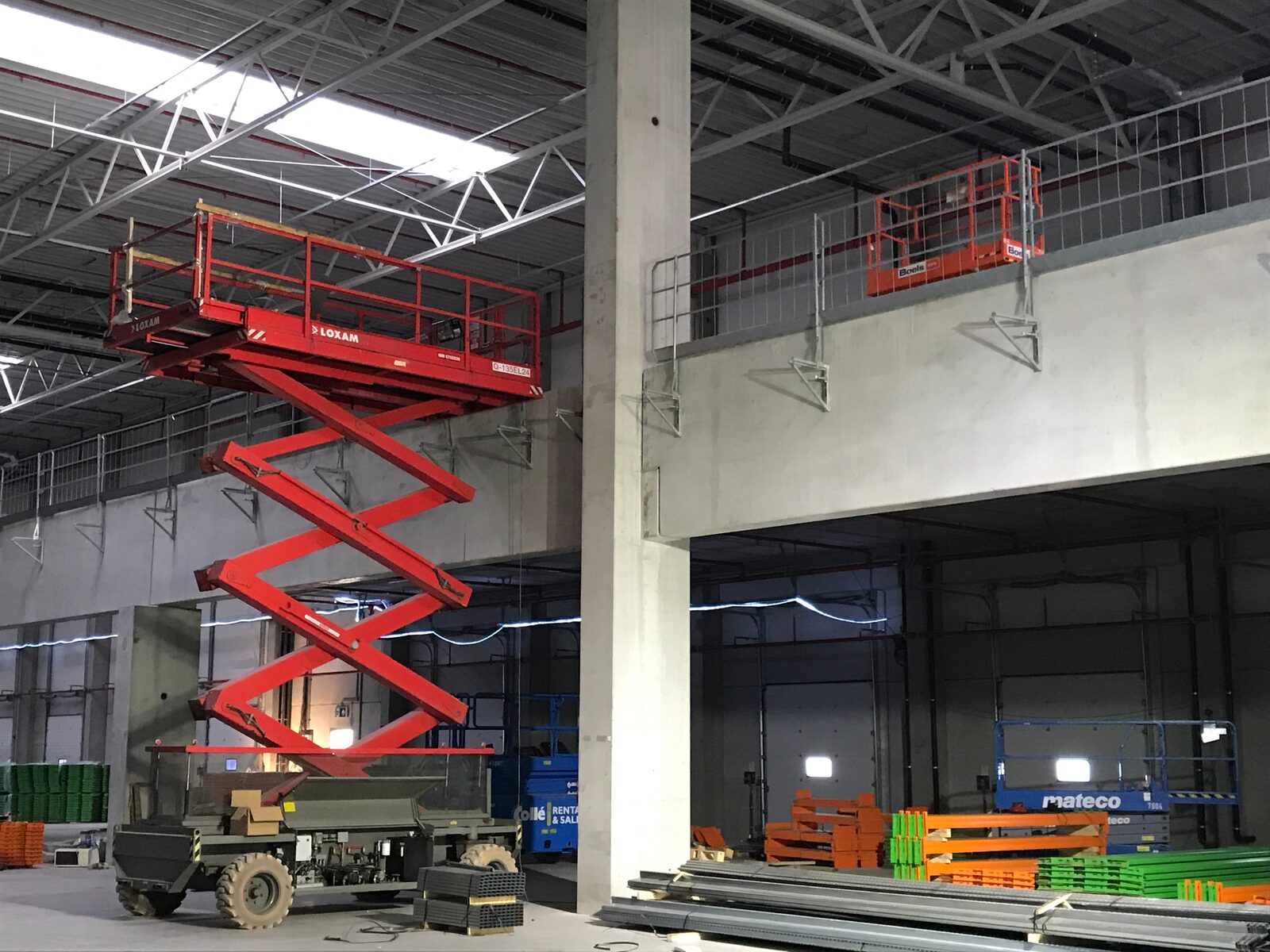
Similar situations also arise in modular construction. Van Noordenne: “For example, aerial work platforms are used as temporary edge protection during roof work. If someone falls against the railing, the machine can move, with all the risks that entails. In some cases, industry organizations state that this is permissible under strict conditions, but legally it remains a vulnerable situation. In the event of an accident, an investigation will determine whether the machine was used as intended by the manufacturer.”
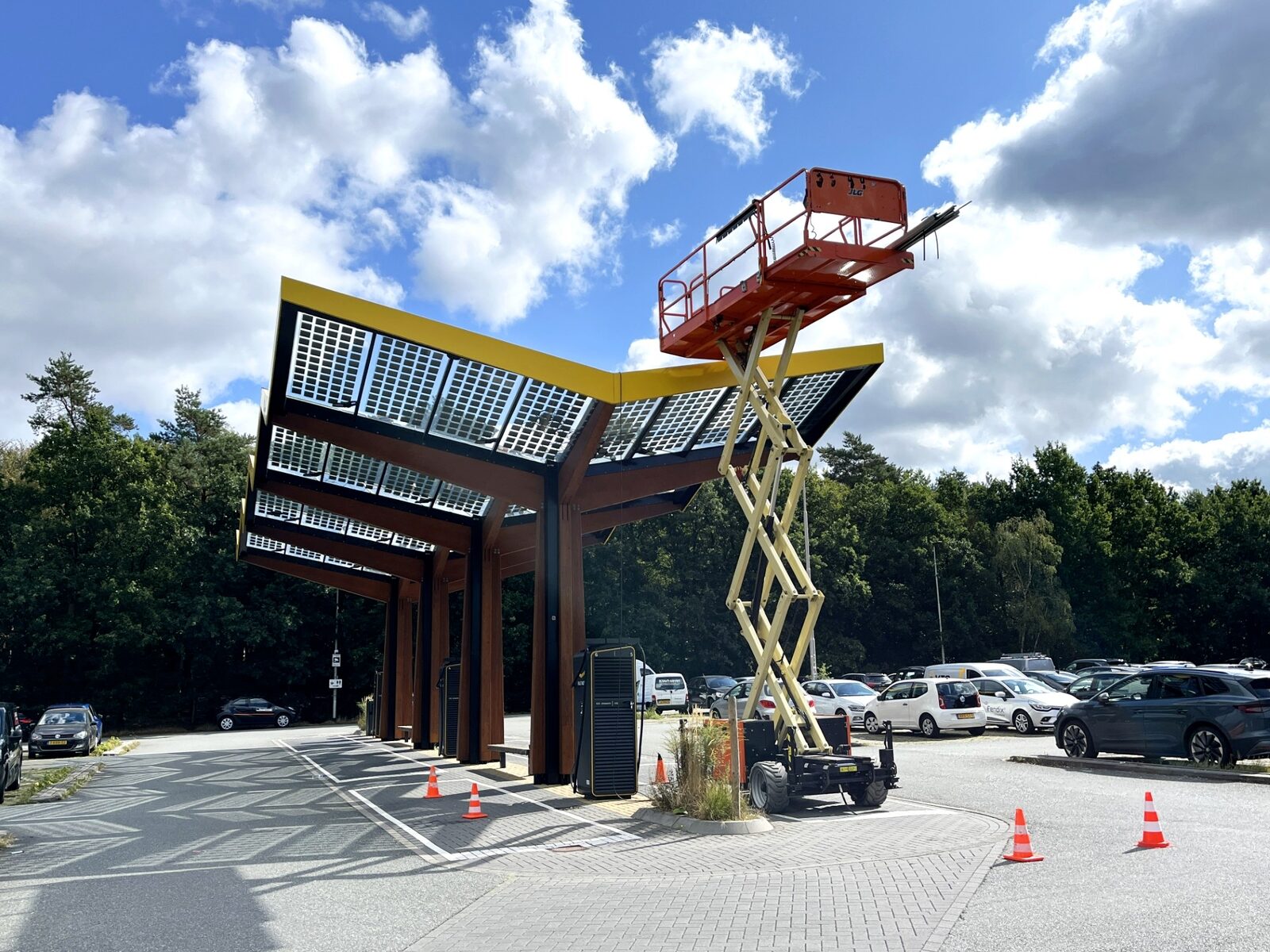
In theory, it is possible to modify a machine for the situations mentioned above, but doing so invalidates the manufacturer’s original EC Declaration of Conformity and CE marking. In effect, this creates a new machine, says Van Noordenne. “That entails an extensive process of assessment, certification, and verification against the applicable standards. The best solution, therefore, lies at the very beginning of a project. Consider safe access to the workplace as early as the design and preparation phases.”
Safe accessibility applies not only to new construction but also to existing buildings undergoing maintenance or renovation. “It’s part of the lifecycle of a building or system,” says Van Noordenne. “If this isn’t taken into account from the start, a problem arises during the operational phase. The temptation to misuse machinery then becomes strong. By incorporating accessibility into the design from the very beginning, unsafe situations and accidents can be prevented.”