Platform on new construction, renovation, restoration and transformation
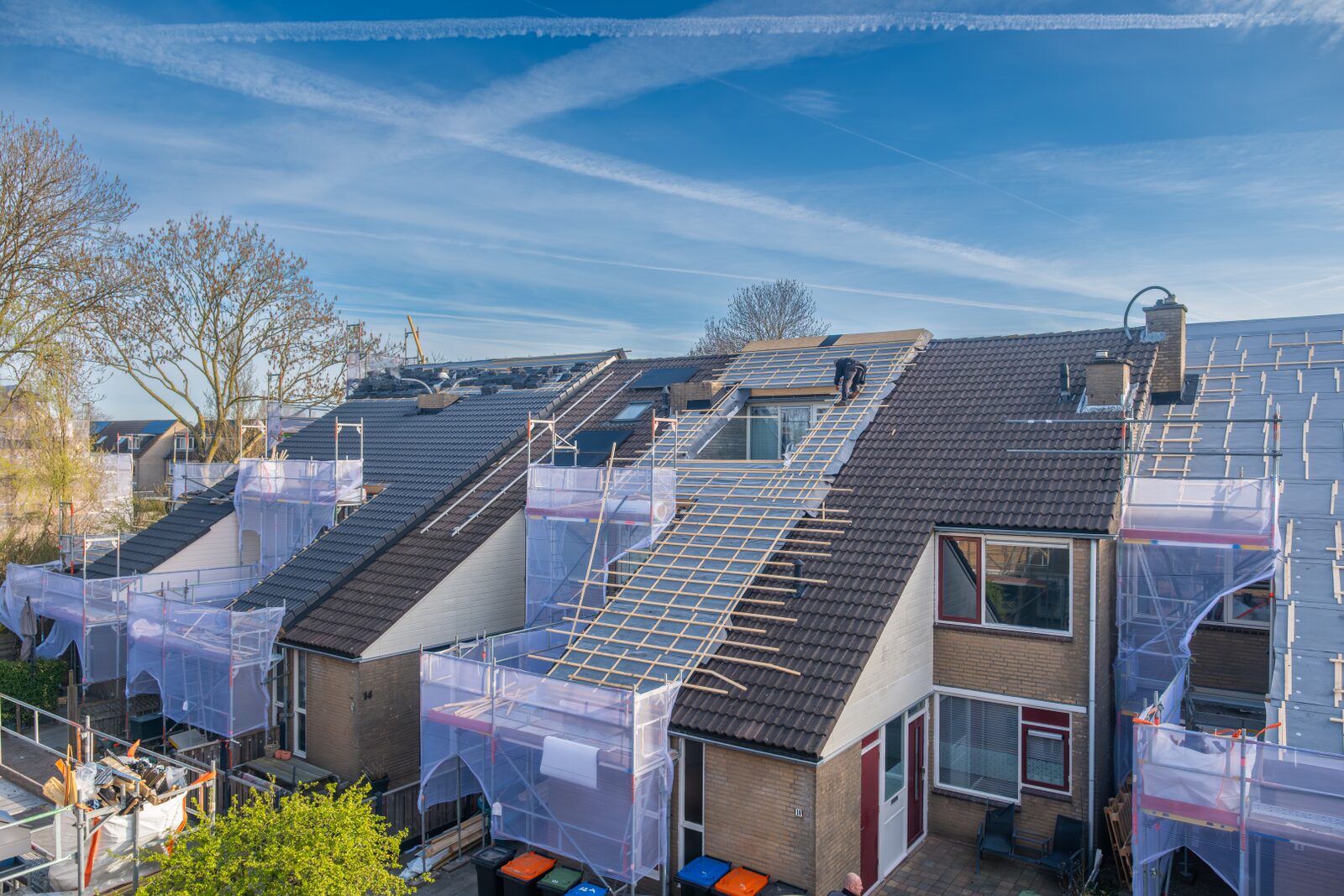
A renovation starts with knowing what you’re up against—especially when it comes to homes built or renovated before 1994. Roest Environmental Control (R.E.C.) has been working with various employees of SPIT Projecten for many years and, as a result of that relationship, is regularly involved in asbestos surveys. This was also the case during the renovation of Wijk00 (De Boomkamp and surrounding area) in Nieuwkoop.
“Like other RGS contractors, SPIT Projecten wants to prevent unexpected asbestos risks from arising during renovation work,” says Olmo Roest, founder and director of R.E.C. “That’s why you need to know as much as possible in advance about what’s present and take measures where necessary.” That starts with a thorough initial assessment. What work will be carried out, and in which areas? At Wijk00, the focus was on renovating the bathrooms, kitchens, and restrooms. During the on-site inspection, R.E.C. inspectors walked through the homes together with the professionals from SPIT Projecten. This allowed them to determine precisely where destructive testing was necessary. Among other things, they investigated whether asbestos-containing tile adhesive had been used.
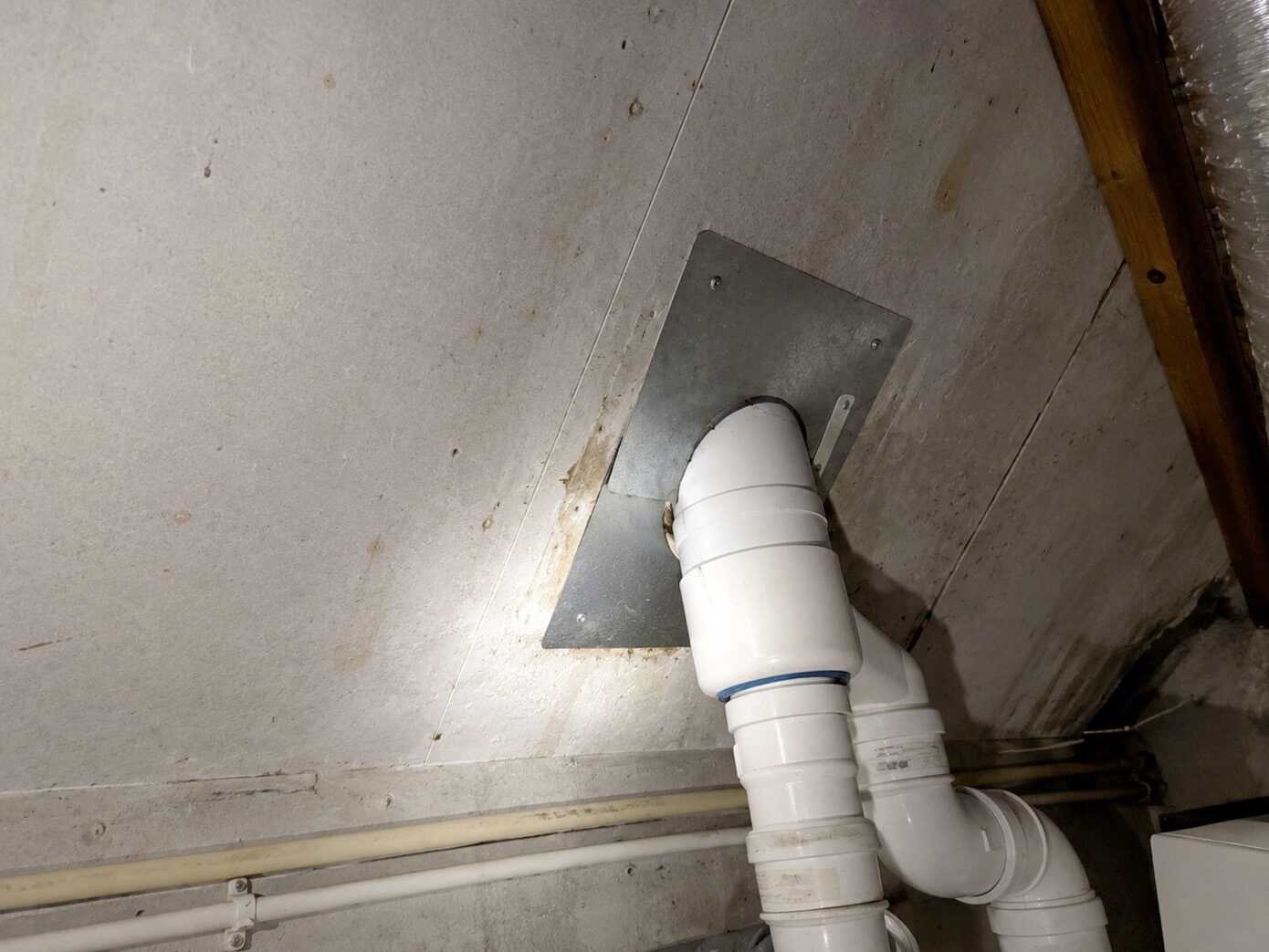
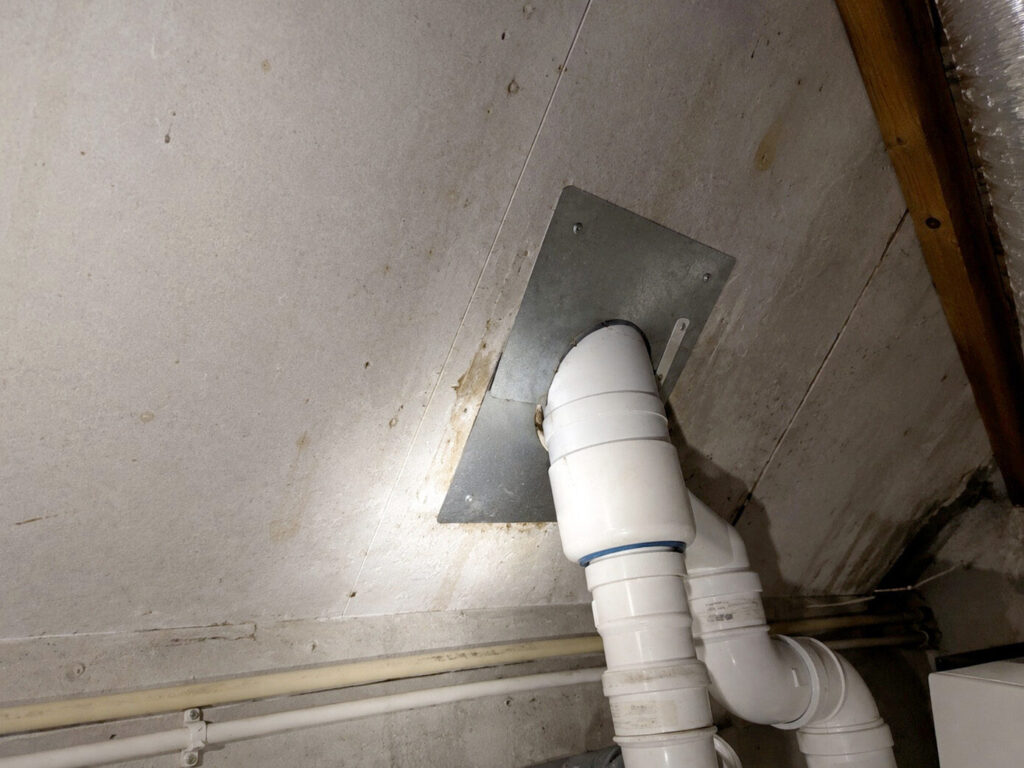
The exterior cladding was also examined. Based on existing reports and desk research, facades in various locations were stripped for sampling. No asbestos was found in the wet areas or on the facades. However, asbestos was found in the sheet material in several attics. Although bonded asbestos in good condition generally does not pose an immediate risk, R.E.C. recommended completely removing the panels.
But even with thorough preparation, surprises can arise during the work. In one home, asbestos was found to have been concealed behind the drywall. The work was halted immediately. In another home, an asbestos sheet was accidentally dislodged. “We immediately took adhesive samples and assessed what the situation meant for the resident,” says Roest. “The test results showed that it was safe to remain on the lower floor of the home.”
It is precisely at times like these that cooperation and swift action are crucial. SPIT and R.E.C. carefully coordinated the next steps. “It’s okay to have strong differences of opinion, but ultimately we share the same goal: working safely, ensuring the renovation proceeds, and minimizing disruption as much as possible. By taking quick measurements and thoroughly assessing the situation, the resident didn’t have to leave the home entirely. The necessary measures could be carried out in phases and safely.”