Platform on new construction, renovation, restoration and transformation
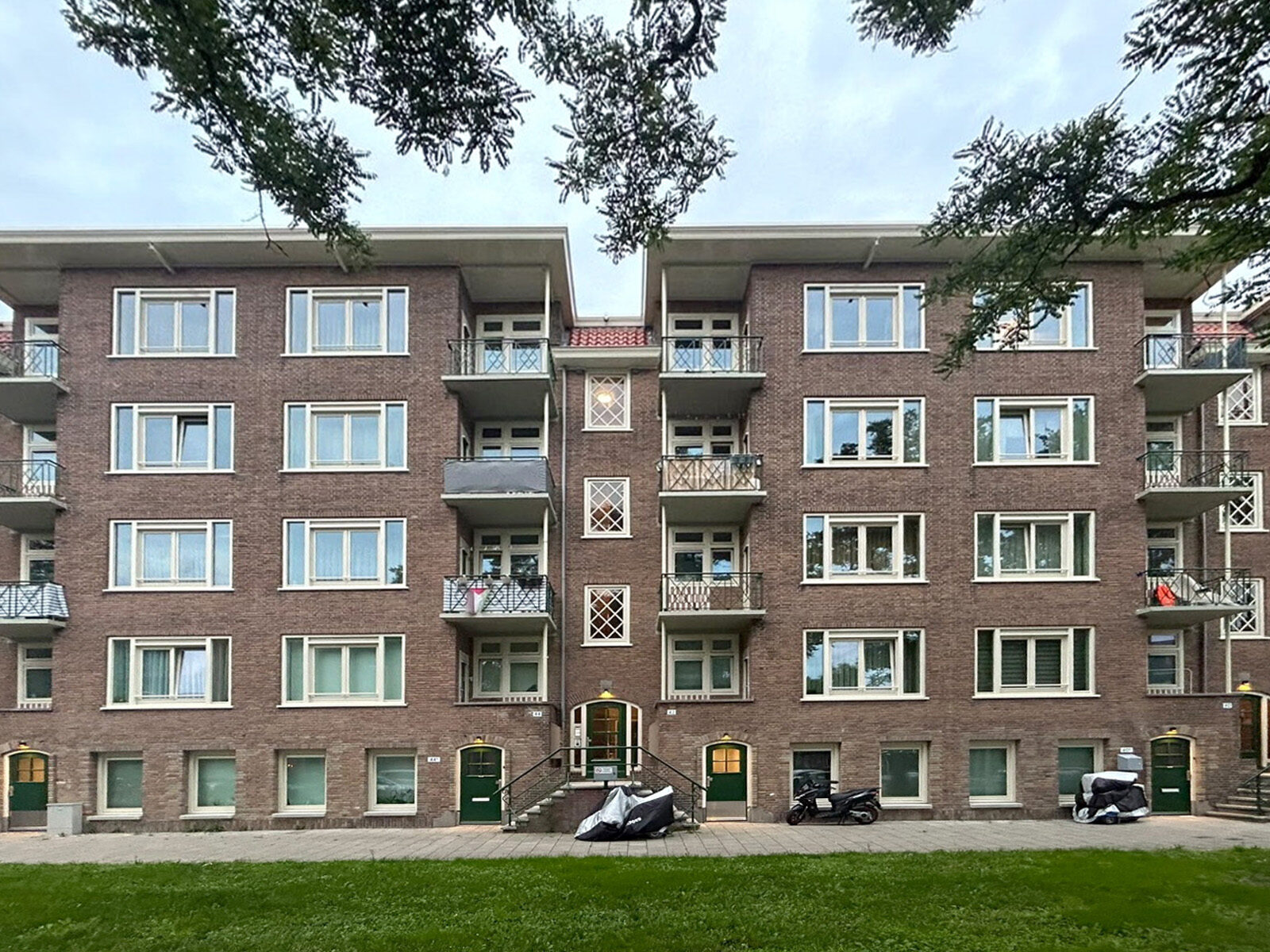
Renovating while residents remain in their homes requires tight organization and effective collaboration among all parties involved. In Wijk00 (De Boomkamp and surrounding area) in Nieuwkoop, SPIT Projecten and A.T.O. Elektro jointly completed the renovation of 53 homes. A.T.O. Elektro handled the plumbing and the installation of bathroom fixtures. By coordinating the work effectively, the homes could be renovated according to a fixed schedule.
‘Powerful in technology, strong in service.’ That is the motto of A.T.O. Elektro from Capelle aan den IJssel, which performs a wide range of installation services. “We started about 25 years ago as specialists in electrical engineering and electrical installations, but since then we’ve expanded to include access control, home automation, and plumbing, among other services,” says director Adrie Otterspeer. This broad technical expertise makes the company well-suited for a wide variety of renovation projects. “In addition to private projects, we enjoy working on behalf of larger contractors, such as SPIT Projecten. They can count on craftsmanship, direct communication, and excellent service for residents. That also makes us well-suited for larger renovation projects. Wijk00 is a great example of this. There, we completed the plumbing and sanitary fixture installation in 53 bathrooms in a short period of time.”
Good coordination between the various trades is essential, especially when renovating occupied homes. In Nieuwkoop, the work was therefore carried out according to a set sequence. Each contractor built on the work of the one before them. “On the first day, we dismantled the old plumbing fixtures and disconnected the piping,” explains plumber Arnold Trouwborst. “Then the demolition contractor was able to carry out his work. After removing the tiles, we marked the positions for the new plumbing and the shower drains in advance, so that the demolition contractor could also prepare the necessary trenching and holes.”
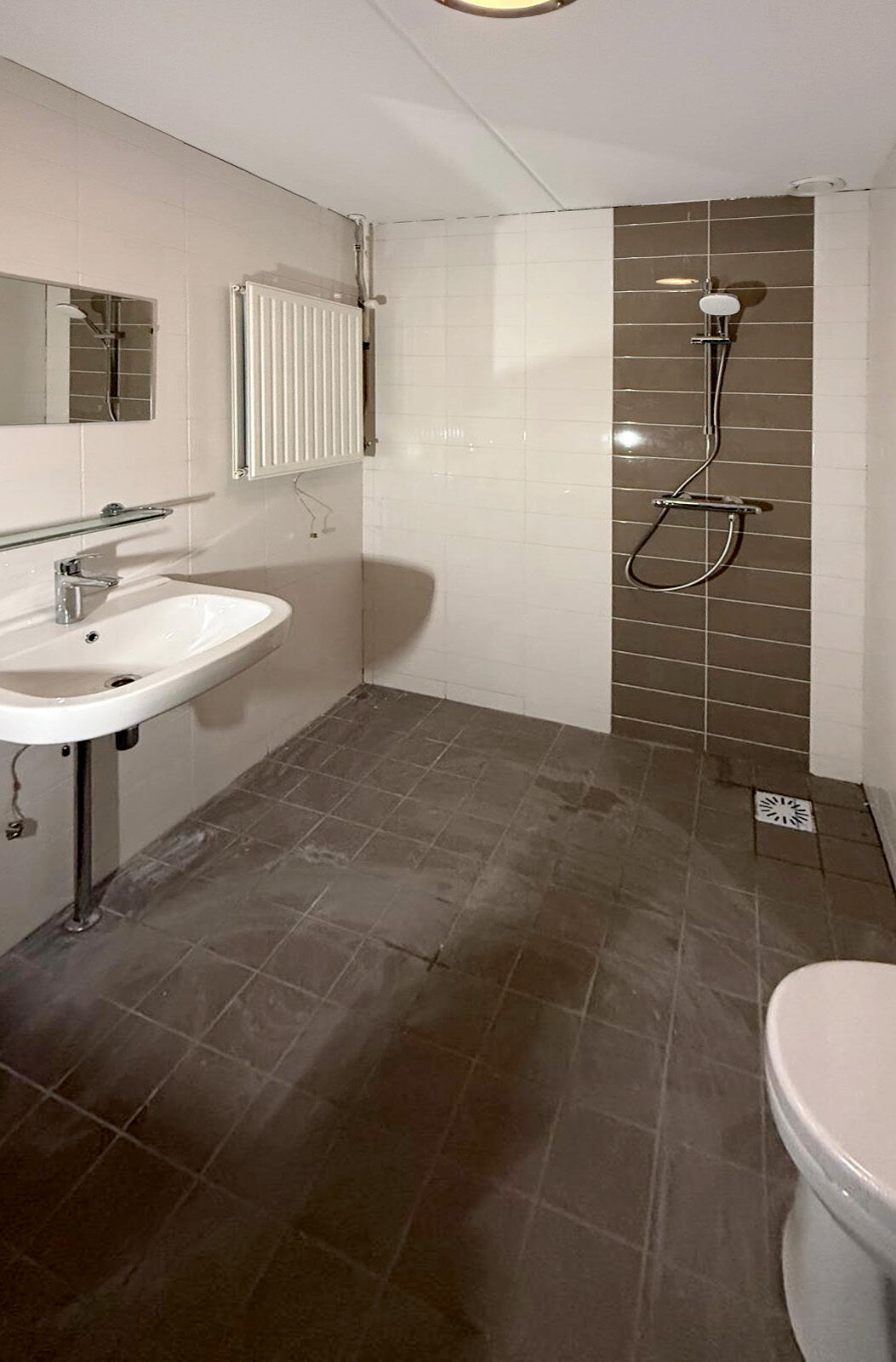
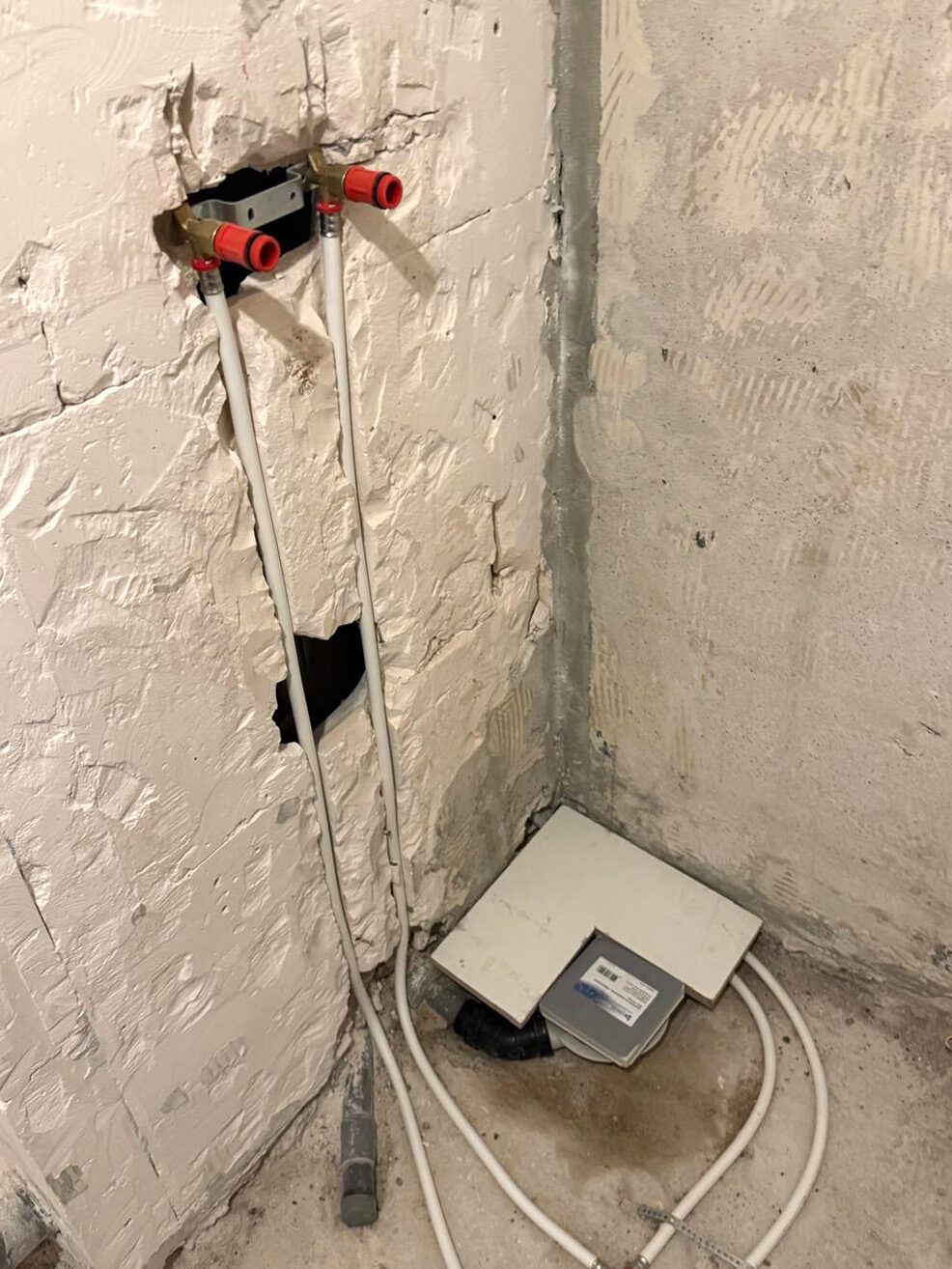
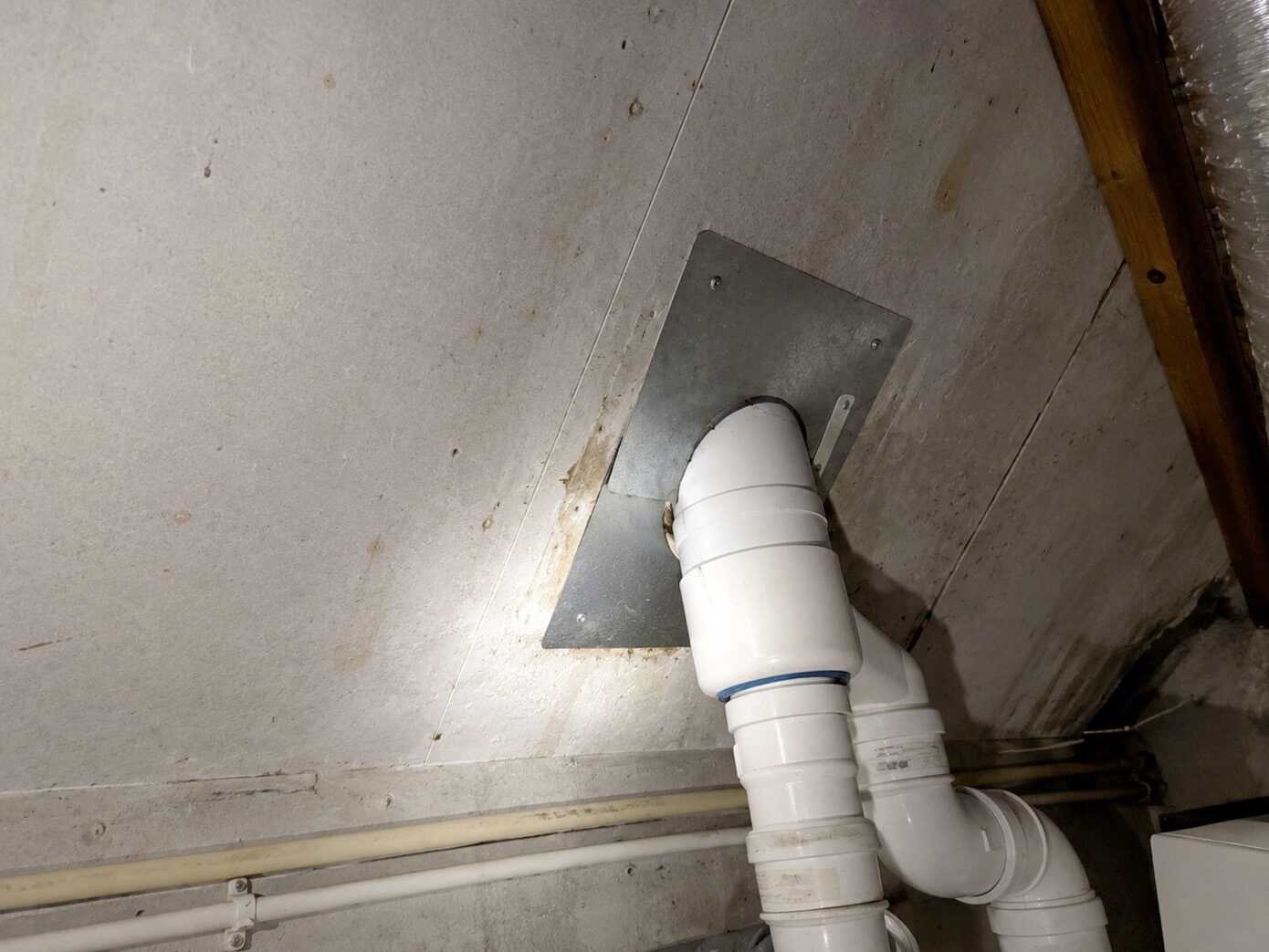
On the second day, A.T.O. Elektro completed the rough plumbing for the shower, toilet, and sink, exactly according to the installation drawings. “On this day, we installed both the hot and cold water pipes and the sewer lines,” said Trouwborst. “New shower drains were also installed. After that, the plasterer and tiler were able to get to work.”
After the wall and tile work was completed, A.T.O. Elektro returned to install the plumbing fixtures. “Just before the project was handed over, we installed the shower faucets, sinks, sink faucets, mirrors, and radiators,” says Trouwborst. “A caulker then took care of the final touches, after which the bathrooms were handed over to the residents, complete and ready for use.”
“On average, we had two to three tradespeople working on each home,” Otterspeer concludes. “We spent about four days on each home. Because all parties worked according to a logical construction sequence, we were able to work efficiently and minimize the disruption to residents. That’s especially important, of course, when renovating occupied homes.”