Platform on new construction, renovation, restoration and transformation

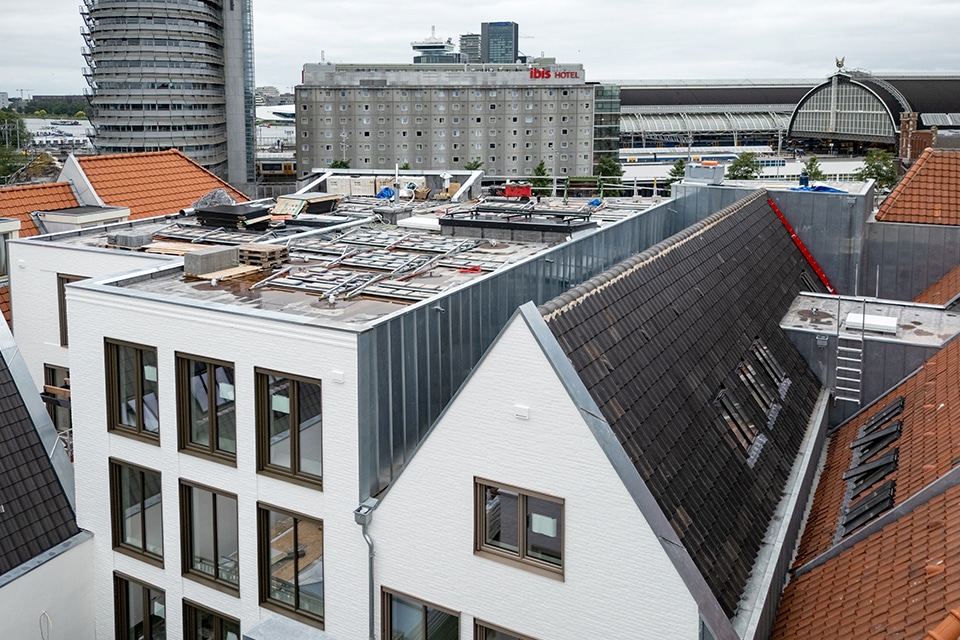
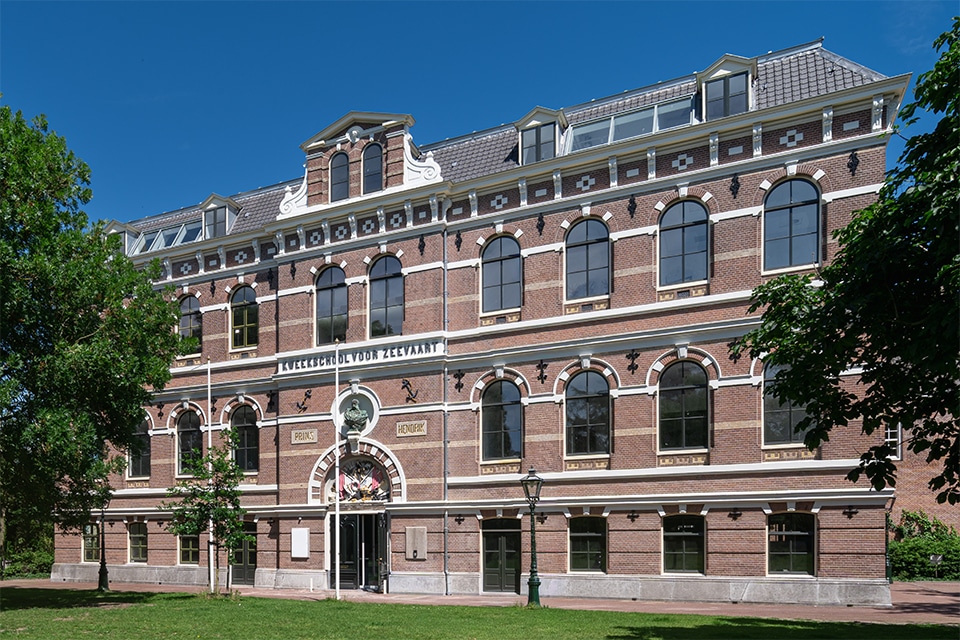
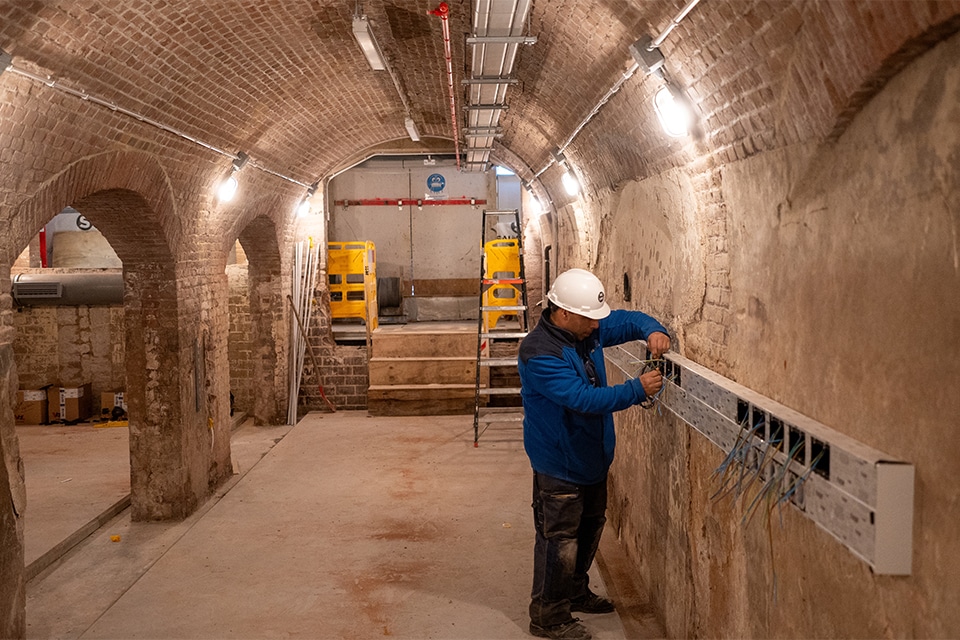
The Meelfabriek in Leiden is a special mix of monumental and new buildings. While the new buildings are naturally equipped with ultramodern and sustainable installations, this is less obvious for the monumental buildings within the complex. They were simply not built to be able to sustainably heat, cool and ventilate. Developing and realizing these systems has therefore been an enormous challenge.
"In monumental buildings, the building envelope, tightness of gaps and other building physical properties are often such that low temperature heating and/or high temperature cooling are not applicable," says Kees van Leeuwen, senior project manager on behalf of Burg Installatietechniek from Lisse. "Opting for a sustainable solution would lead to dissatisfied end users. To sustainably heat monumental buildings, such high capacities are demanded that the costs do not outweigh the benefits."

In the case of "The Flour Factory," everything is different. Here the installation of sustainable climate systems was a requirement. The conditions necessary for this in terms of willingness to invest were concretized. The vision was translated into a concrete plan for each building and led to the conversion of the Molengebouw and Riffellokaal, among others, into an apartment complex. Both monumental buildings are completely gas-free and equipped with effective heat pump technology for heating, cooling (active/passive) and hot water. They are also equipped with balanced ventilation systems with high-efficiency heat recovery.
All this was achieved by insulating - within the capabilities of the monumental buildings - as much as possible. "For example, restoration glass was used in the restored steel window frames and the parapets were insulated," Van Leeuwen said. "In addition, systems that increase the average surface temperature were chosen in the design of the heat delivery systems in particular. This is to compensate for colder surfaces and to increase comfort and thus user satisfaction. From a cost perspective, we worked with standardized solutions as much as possible, but with different design principles and other accents. All this has actually led to realization of the set goals: sustainable, energy-efficient and gas-free buildings, but above all satisfied end users."