Platform on new construction, renovation, restoration and transformation

Applying a dementia-friendly design in a beautiful monumental building and making it sustainable as well. That was the challenge for KAW architects. Both putting the interests of the target group first and taking into account the challenges involved in renovating a monument.

How do you best apply dementia-friendly design within a listed building with a rich history? Elderly people with severe dementia need a living environment where elements are clear in their function. For example, a door should also give the impression that it can open and close. There are also several facilities located in the building, such as a hairdresser, space for physical therapy and an activity room. To achieve a true "home," knowledge about dementia-friendly design and the target group was needed. The link with KAW was made.
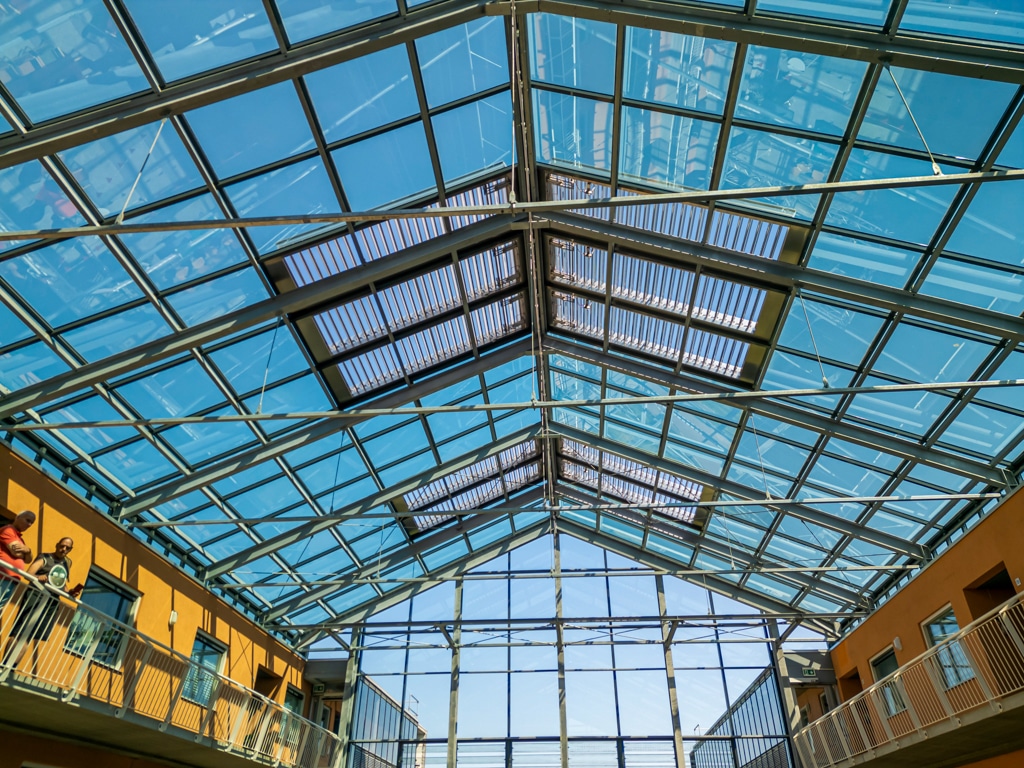
Built in 1929, the building served as an orphanage, nursing home and hospital. It was bombed in World War II and partially rebuilt. Special historical elements are now being restored, such as the old copper bell, the stained glass windows and the tile tableau above the main entrance. To create light and space, a lot of glass is used, making it look open and accessible. Also, the floor level differences will be taken out, to improve the accessibility of the building and to give the residents of the top floor a view of the beautiful landscape garden, which will be created at the front.

To give residents access to this large garden, the property has been "turned over. This is special because the former front is now the back and vice versa. This makes a large living space available, where residents spend a lot of time with activities and during meals, which are freshly prepared in the large open kitchen.

The people who come to live here are given a home completely adjusted to their needs. Care is adjusted accordingly. Elevators are needed to give residents their mobility and organize logistics. The challenge was to find a place for the elevator that was recognizable to the residents while making as few modifications to the building as possible.
Restoring a monumental building means thinking of alternatives. From the start, discussions take place with the client and the monument committee. You put the target group first and at the same time have to comply with the rules that are involved in the restoration of a monument. You carry out the adjustments step by step, in order to achieve the right balance between adjustment and preservation and to achieve the best living comfort. Every intervention is extensively discussed in the monument committee. As a designer, you have to be flexible and have alternatives ready. This ultimately led to a weighted design and a permit for construction!

The monument is not only being restored, but also made more sustainable. Besides better insulation, new climate control installations and PV panels, client Domus Magnus is investing in a heat pump system that will make the building gas-free and also bring down the energy bill considerably. This also brings living comfort, because not only heating, but in summer also cooling can be realized with this system. For more info see www.kaw.nl.