










Creating a future-ready living environment
Text Johan DebaerePhotography Lievense WSP
Many of the projects architects and engineering firms work on have a lifespan of decades, and often much longer. It is therefore important to take the future into account when designing and delivering them.
The future will look different, but nobody knows exactly how. We can, however, analyse long-term trends relating to climate change, the use of raw materials, social factors and technological developments. Future Ready is WSP’s global innovation and sustainability programme, inspiring all its employees to create future-ready solutions for our living environment.
The global consultancy and engineering firm, which Lievense has been part of since October 2019, has been working on this innovation and sustainability programme since 2015. This year, it was also rolled out in the Netherlands. “Looking to the future, we can expect more extreme weather as a result of climate change, and the move away from fossil fuels will continue. Society and technology will also continue to evolve. The only thing we don’t know is exactly how it will all unfold,” says Royny Mathan, Future Ready coordinator in the Netherlands. “By analysing trends, we can gain a better understanding of developments and so prepare our clients and their projects more effectively for the future.”
Putting theory into practice
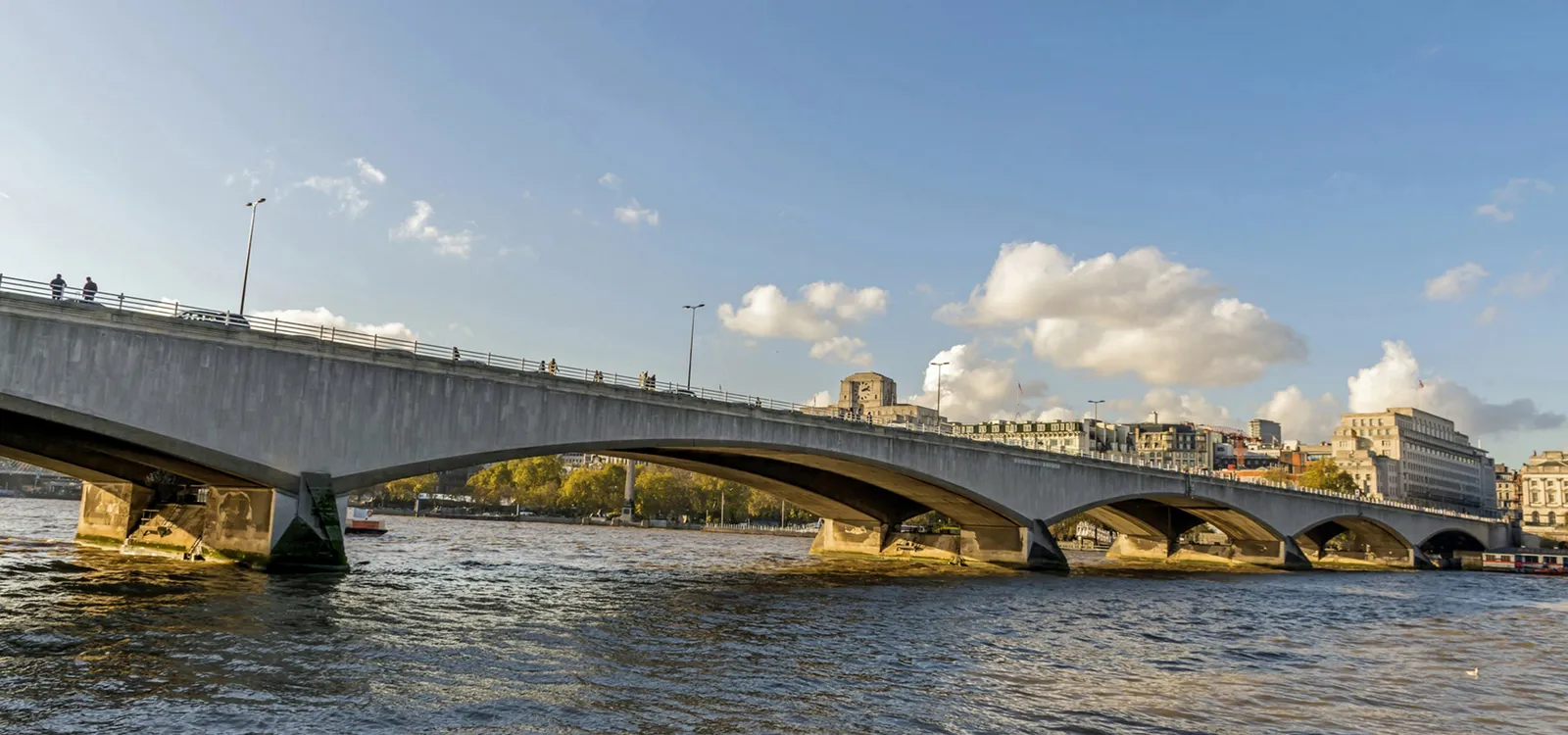
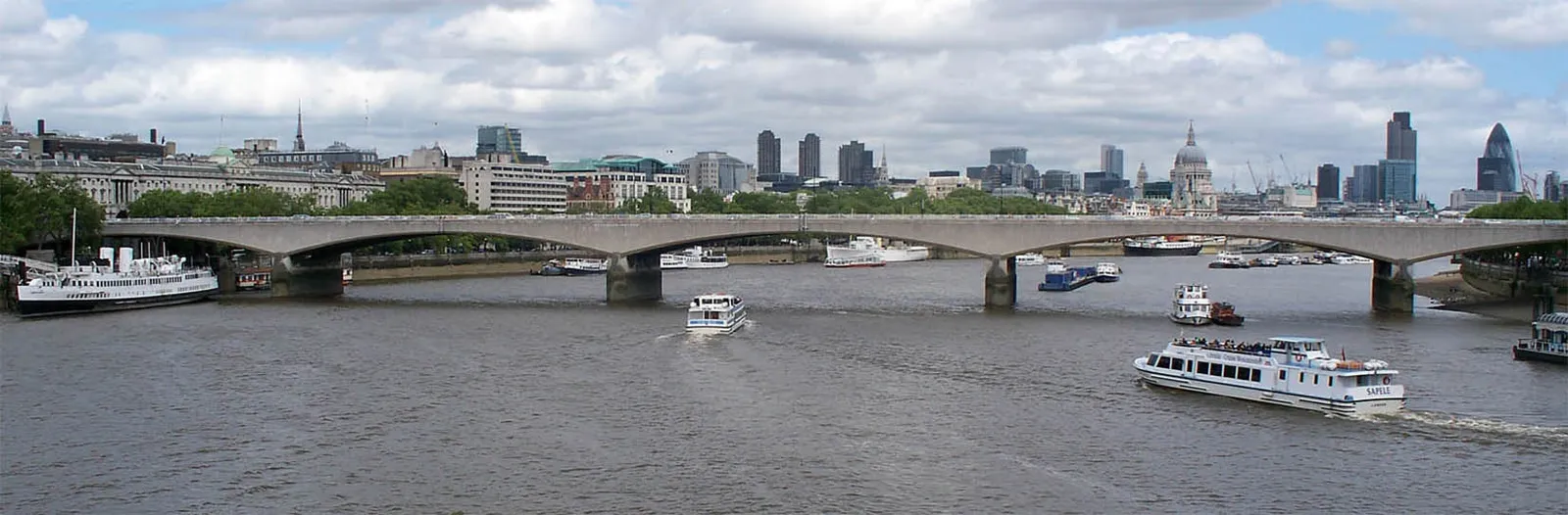
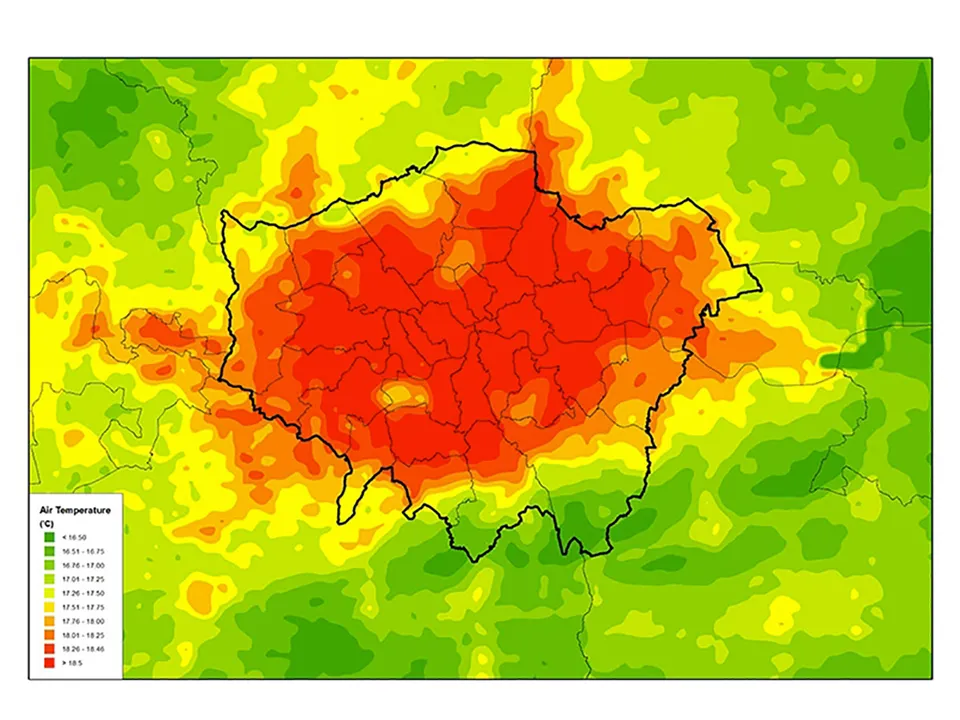
‘Let’s be Future Ready’ sounds good in theory, and it has already been put into practice on several prestigious projects, including in England. “At the request of Westminster City Council, WSP provided advice on Waterloo Bridge. The bearings on the old road bridge over the Thames had been replaced, but some were already no longer fit for purpose after 10 years. That is obviously a waste. We developed an advanced monitoring system that records temperatures and movements across the entire bridge. In collaboration with the University of Cambridge, data from the ESA’s TerraSAR satellites are also being incorporated. This allows us to better understand how the bridge behaves. This Future Ready approach enables our client to maintain this historic infrastructure safely, while also leading to the development of new sensor technology,” Mathan continues. “The Greater London Authority then called on WSP’s expertise again to assess the risks posed by extreme heat to the city, so that it could better prepare its policies, as well as the population, infrastructure and community facilities. We took an integrated approach and mapped the risks using sustainable urban analysis, taking account of various interrelated factors.”
A business enquiry for WSP? Get in touch
Companies in this story

Keep following this
Get an email when a new story is published. No account needed.
- SubjectGeneral
- CompanyWSP