Platform on new construction, renovation, restoration and transformation
There is a severe shortage of skilled workers in the Netherlands. This is no longer news to anyone in the construction industry. And yet order books are well-filled, especially in construction, finishing, and the technical manufacturing industry. For many contractors, the challenge is therefore not so much whether there is work, but who will do it. According to Twan van Schaaijk, director of JJM Personeel, this requires more than just extra helping hands. “Ultimately, it’s all about having the right people and organizing everything else around them effectively.”
In the coming years, the demand for skilled workers will only increase. “There’s a lot going on around Eindhoven. ASML’s expansion, the growth of the technical manufacturing industry, and the many regional contractors mean that skilled workers are needed more than ever.” According to Van Schaaijk, the shortage is not a temporary problem. "Due to the aging population, thousands of skilled workers will be leaving the construction industry in the coming years. At the same time, the Dutch education system is simply not producing enough new workers. International skilled workers will therefore remain indispensable.”
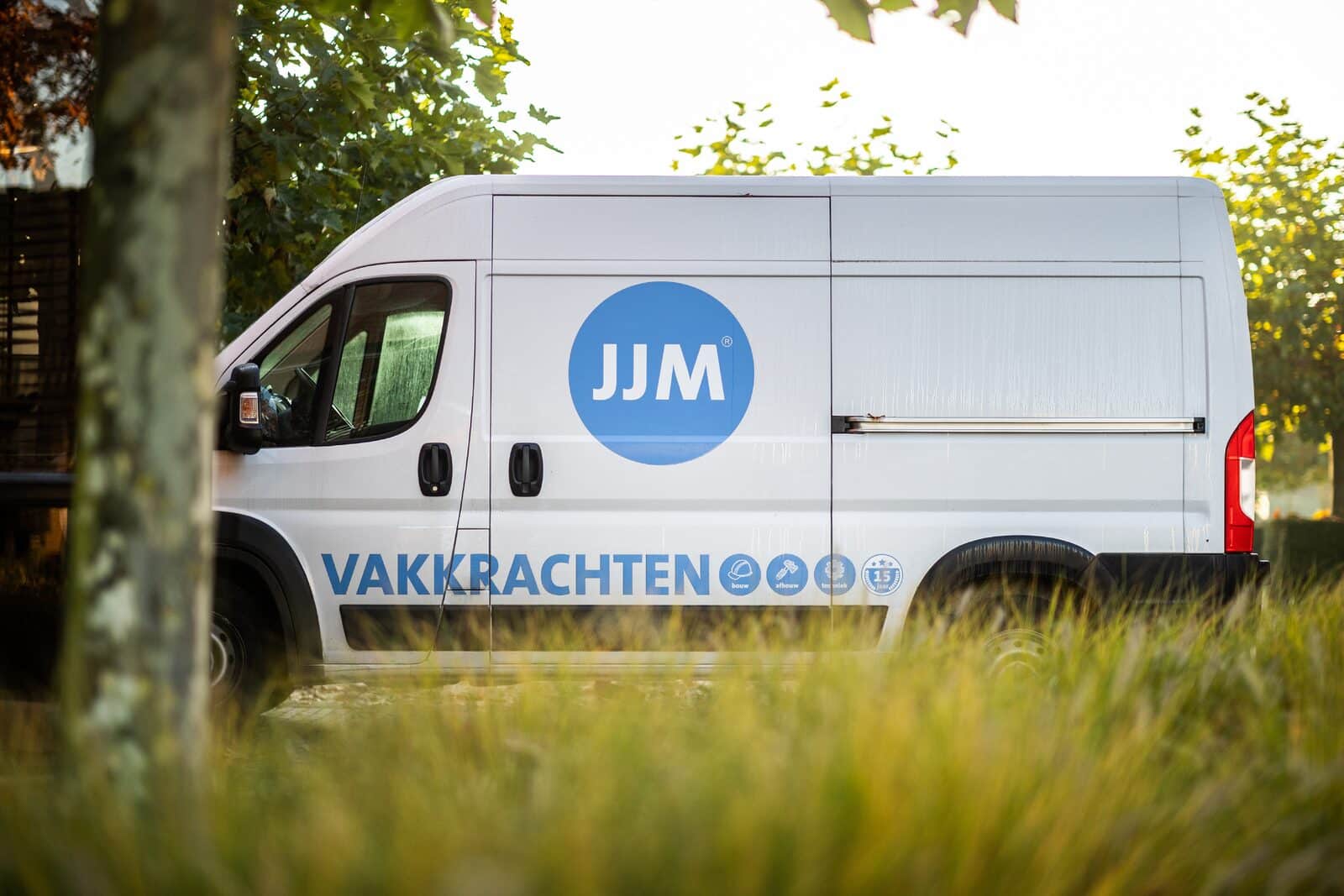
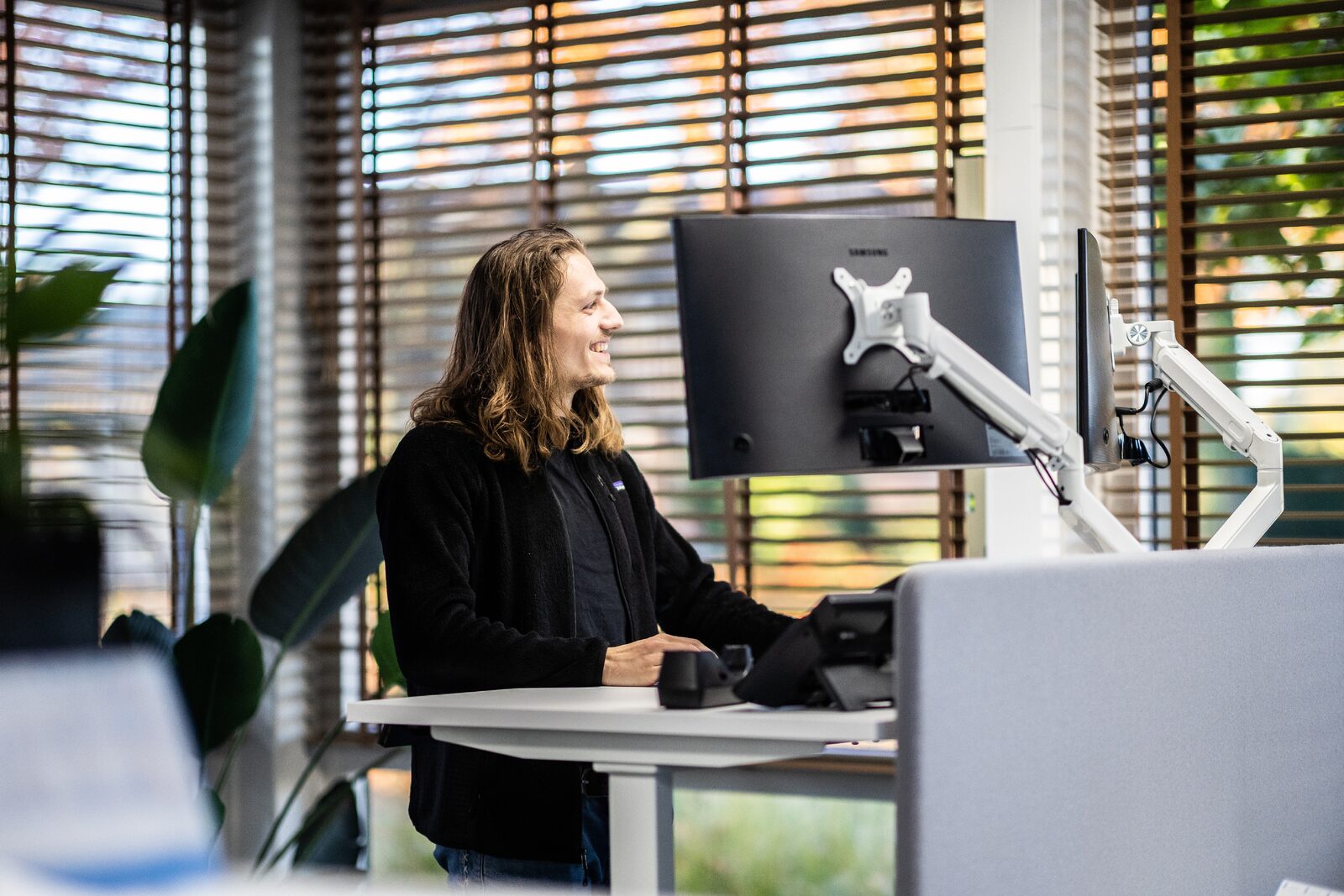
While many organizations focus on filling open positions, JJM takes a different approach. “A client doesn’t want to have to worry about a thing.” That’s why JJM provides all the necessary equipment, from tools and safety gear to VCA, GPI, and other required certifications. ”We also fully handle the vehicle fleet and housing, on-the-job training, payroll administration, sick leave, and tax compliance.”
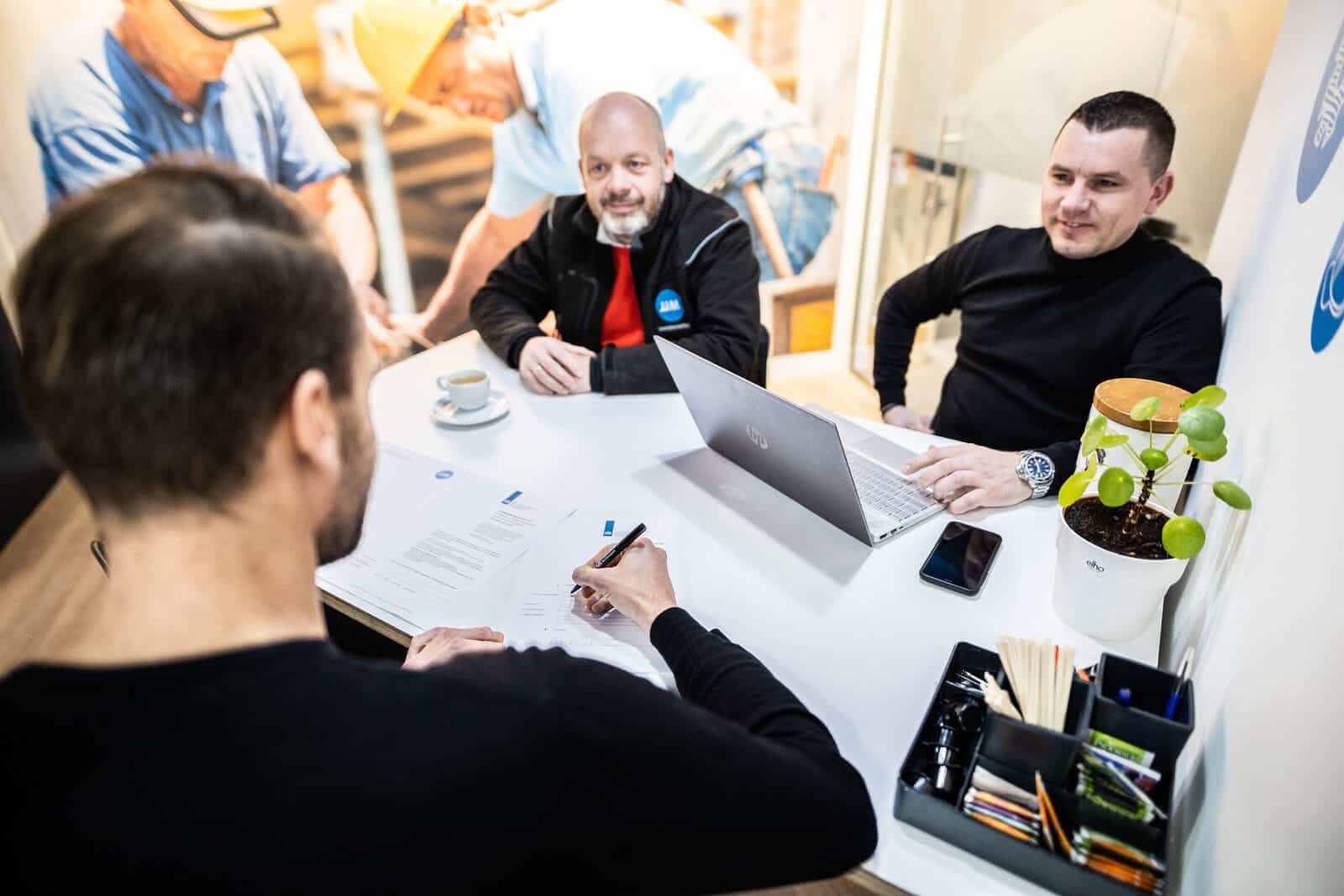
JJM primarily works with skilled workers from Romania and Moldova in a variety of disciplines within construction, finishing, and engineering. “We specialize primarily in carpenters, but we also work with metal stud installers, welders, assembly workers, and technical professionals, among others.” According to Van Schaaijk, it’s not just about technical expertise. “We work with people who are good with their hands, speak English, handle tools with care, and fit into our client’s culture.” He considers that personal fit to be just as important as technical knowledge. “We invest just as much in our employees as we do in our clients. That starts with the selection process but continues throughout the entire collaboration.”
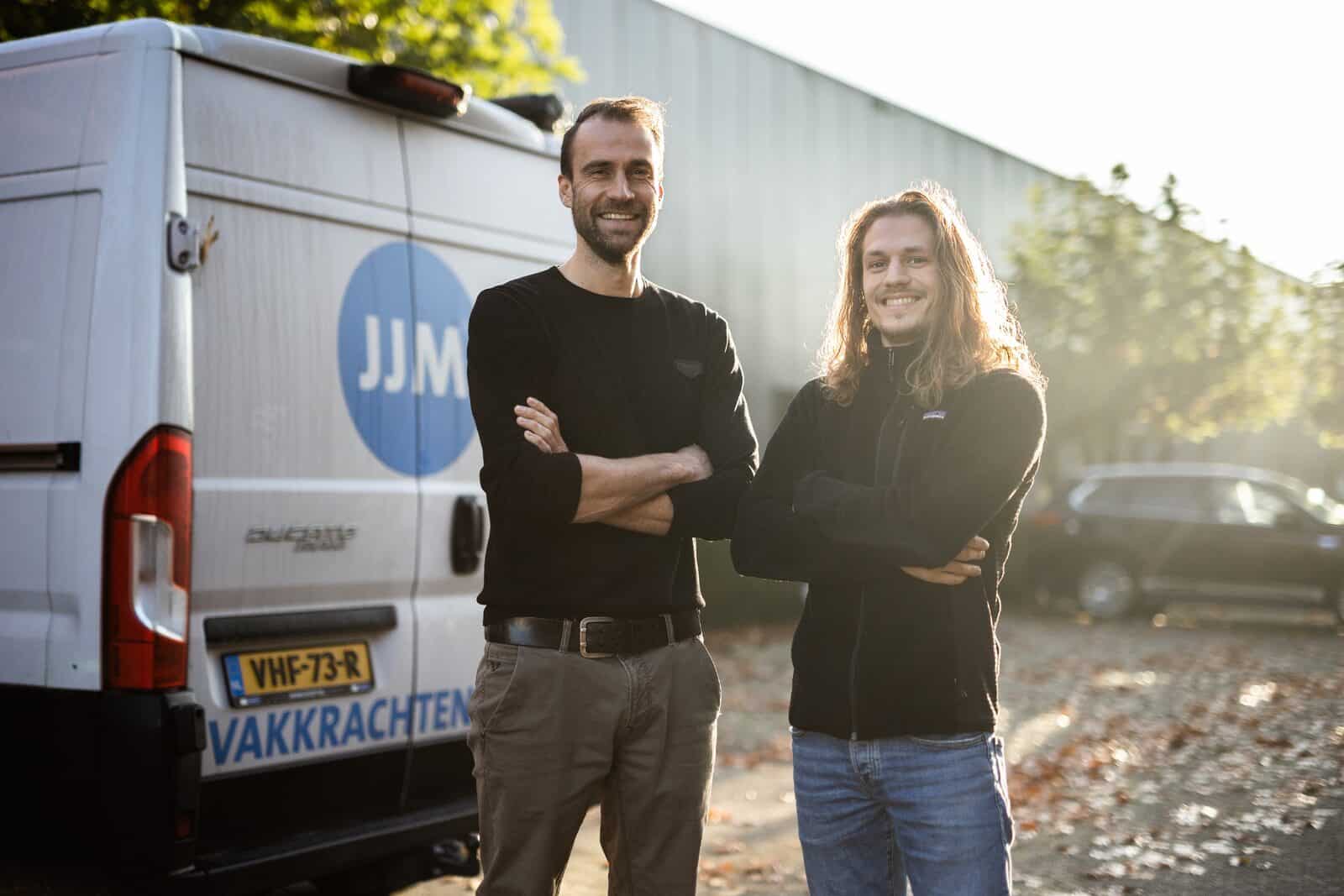
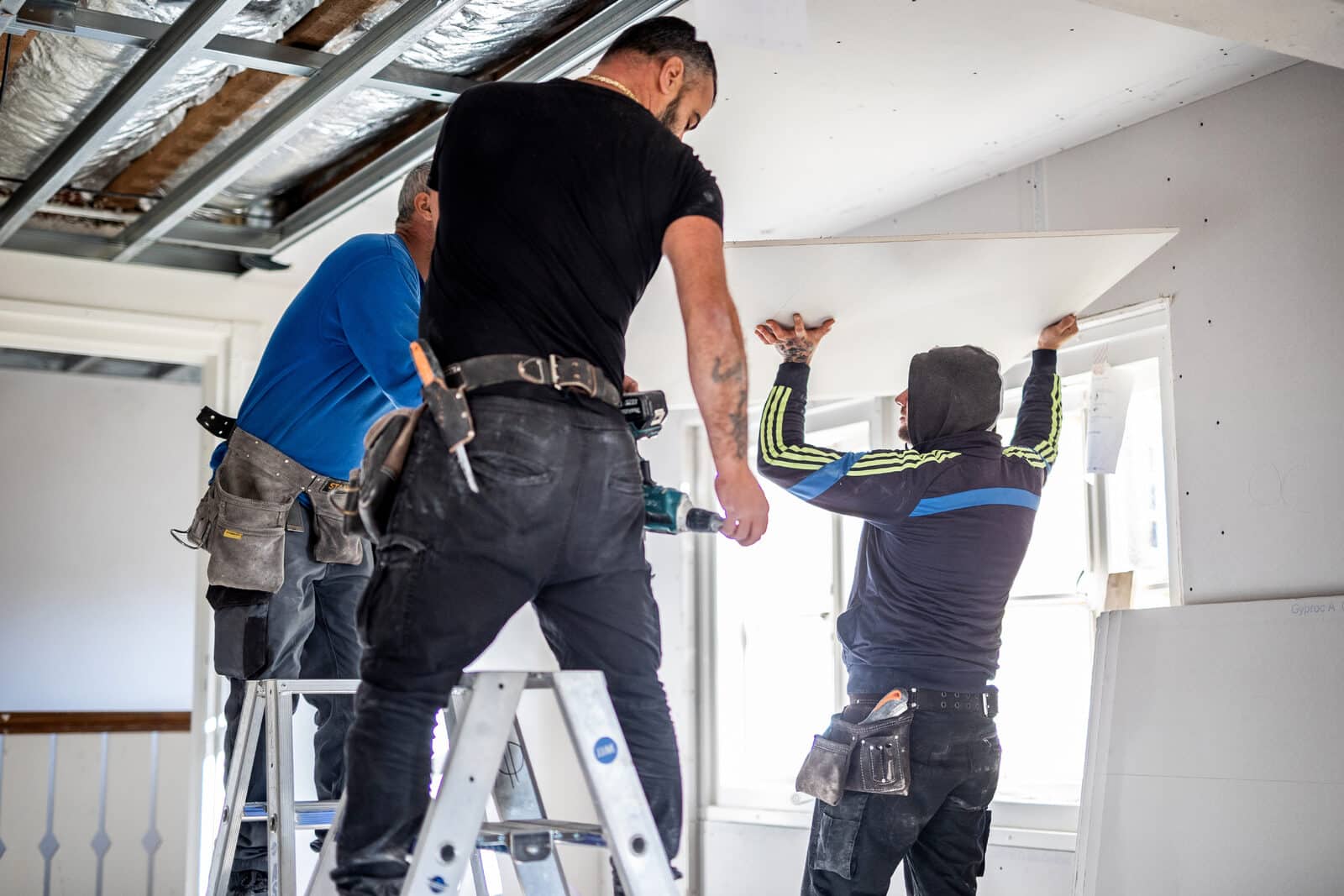
JJM ensures that most employees have their own bedroom, and job coaches visit the construction site several times a week to support both employees and clients. “These are all factors that make people feel at home and want to continue working with us. And that’s why companies choose to partner with us.”
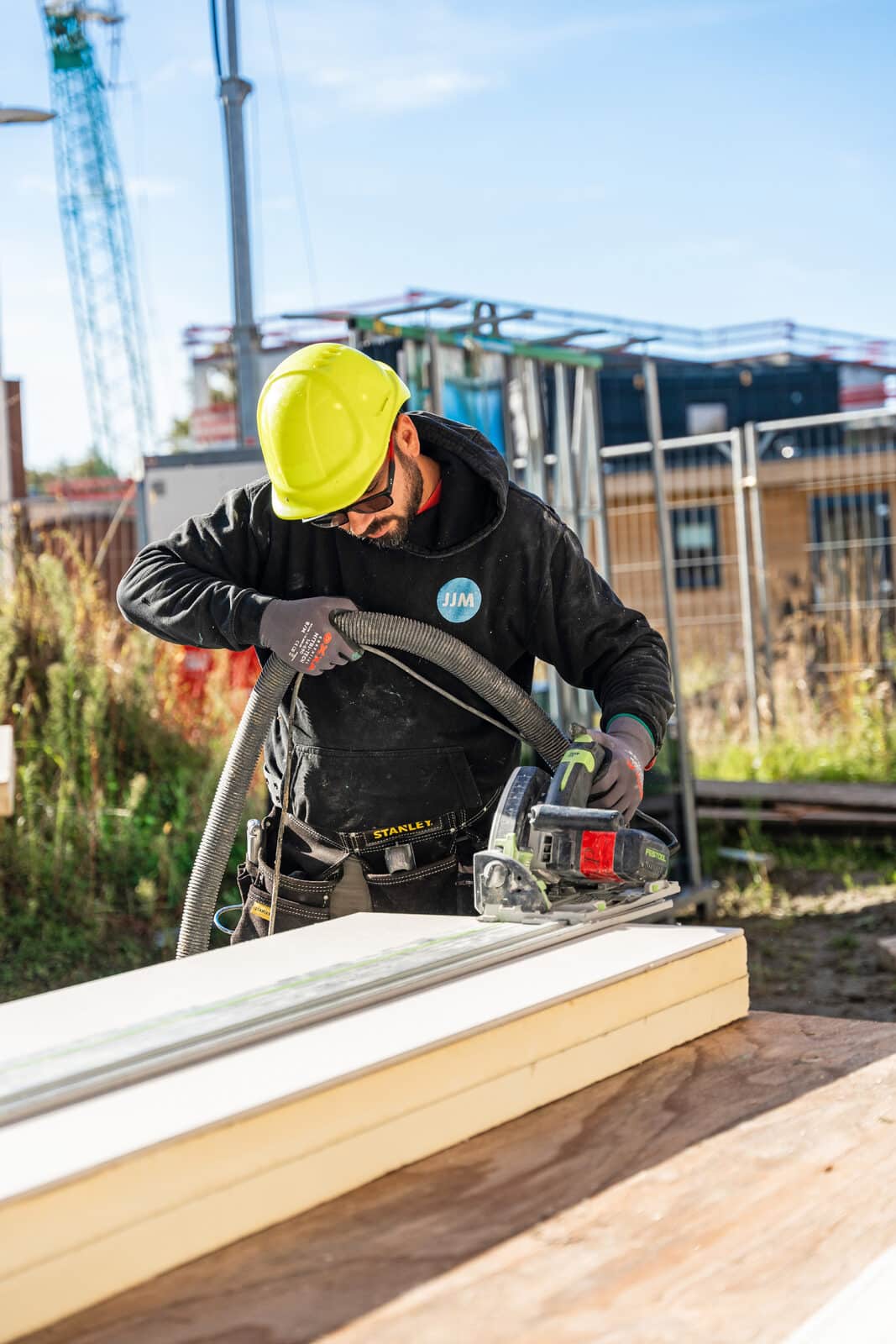
According to Van Schaaijk, it is precisely that long-term perspective that makes the difference. “Contractors are primarily looking for continuity on construction sites: people who can work independently, work safely, and remain part of a project for an extended period.” That is why JJM exclusively takes on assignments lasting six weeks or longer. “Our people practically become part of the permanent team. They’re familiar with the project, know how things are done, and don’t need to be trained over and over again. Ultimately, our clients benefit the most from this.” In addition, JJM deliberately chooses to employ staff on a salaried basis. “We don’t use all kinds of self-employed arrangements. Everything is legally well-structured, employees are compensated in accordance with the Dutch collective bargaining agreement, and clients know exactly where they stand.”
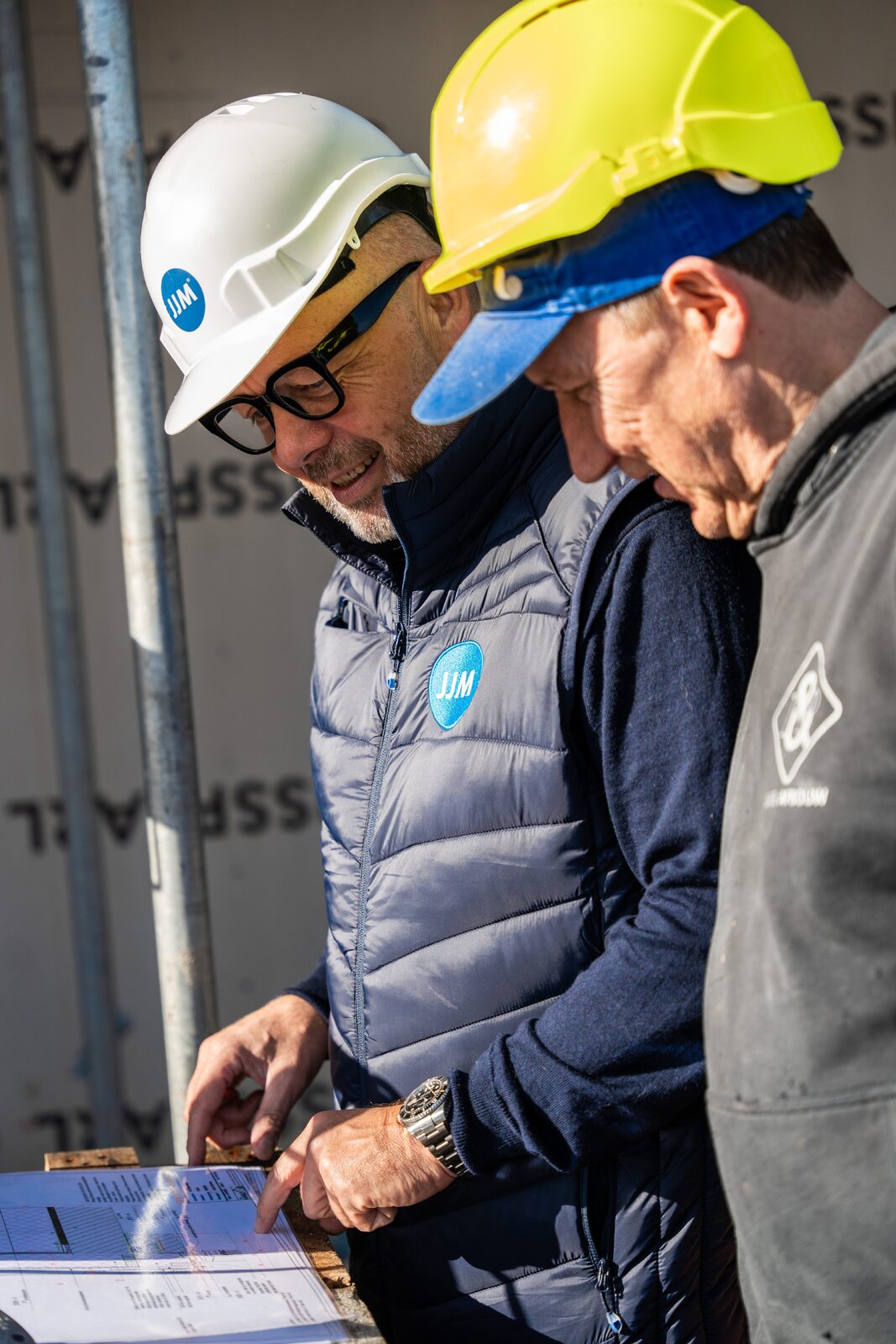
Although JJM remains active nationwide, the organization is focusing more and more on the Eindhoven region. “We want our people to live and work as close to their jobs as possible. That’s better for our employees and for our clients.” Above all, JJM wants to show companies that international deployment doesn’t have to be complicated, as long as it’s well organized. “And we take care of all the organizational aspects for them. That’s exactly what we stand for: Eastern European strength, Dutch clarity.”