Platform on new construction, renovation, restoration and transformation
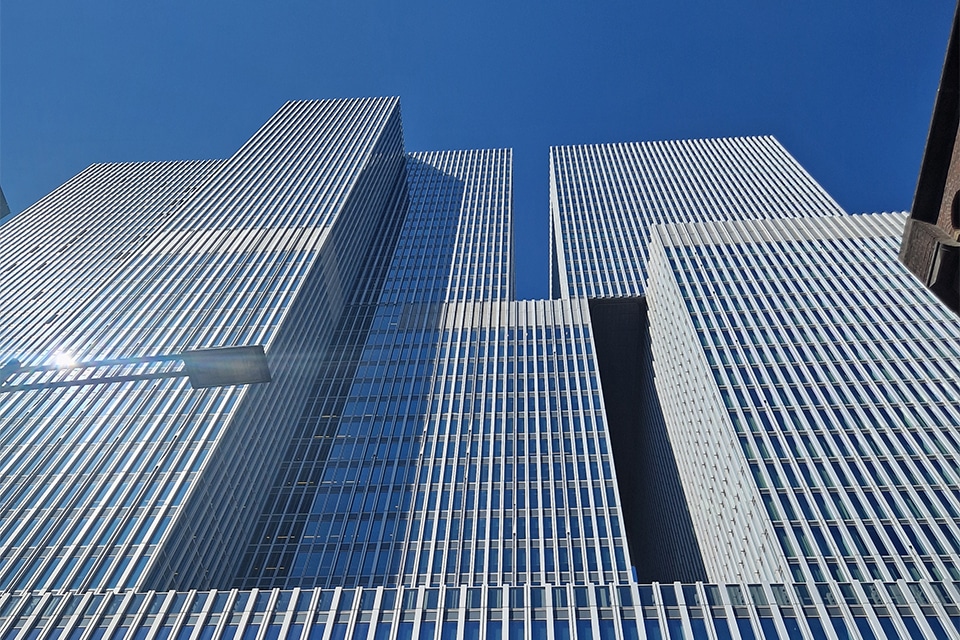
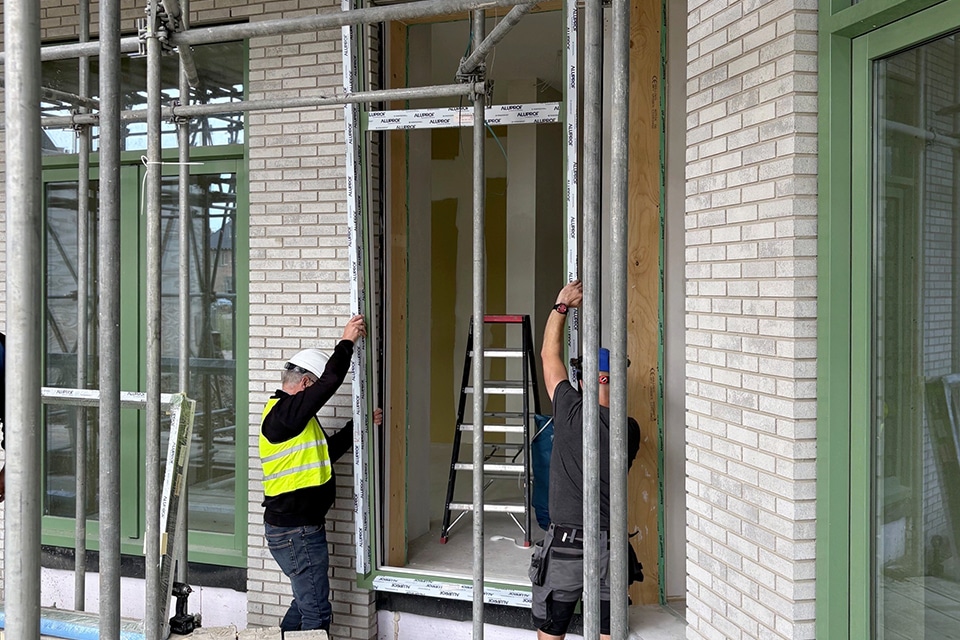
Facade assembly is a neglected child within the construction industry. In appreciation, pricing and training attention, the profession lags behind other disciplines, while the technical complexity and safety risks are high. Facade assembly combines working at height with heavy prefab elements, large-sized glass and minimal tolerances. In a market that has to deliver faster and faster, this puts pressure not only on the quality, but also on the safety and durability of facades.
This is precisely why Van der Lugt Montage continually invests in safety, durability and quality. The company was founded eleven years ago by two brothers, with now more than 25 years of experience in facade assembly. “Every day we work with an average of thirty to thirty-five professionals on a wide variety of projects,” says Diederik van der Lugt. “Of these, two specialized teams focus entirely on service and maintenance, including facade inspections, adjustments, malfunction handling and repair of fittings and moving parts.”
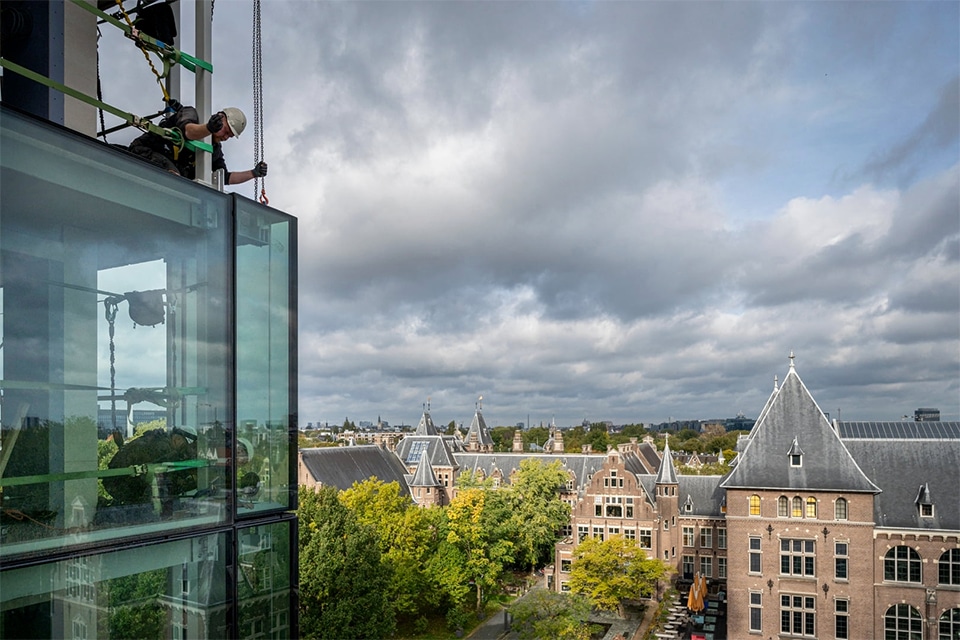
The added value of Van der Lugt Montage is mainly in the preliminary process. ‘Already in the engineering phase we think along about producibility, assembly logistics, lifting plans and accessibility on the construction site. Thanks to this integral approach, risks are recognized and controlled at an early stage. We are VMRG members and work in accordance with the applicable guidelines and quality standards within the facade industry. Our employees are VCA certified, machines and lifting equipment are inspected and equipped with the required safeguards. We do not start any project without thorough toolbox meetings and for specific work, such as the assembly of heavy element facades or glass with large dimensions, a project-specific Plan of Action is drawn up.“ In addition, the company commits to the Safety Ladder (light), appropriate for smaller and medium-sized assembly companies, as initiated by the VMRG. Although these measures require investment, the conviction is clear: safety should never depend on price pressure.
Van der Lugt also takes a technical approach to sustainability. “By investing in our own glass vacuums and glass robots with lifting arms, the heavy work can be done in a controlled, ergonomically sound manner and with less use of personnel. This reduces physical strain, increases assembly accuracy and reduces failure costs and downtime. It ultimately benefits quality.” Structurally ensuring safety, durability and quality is the basis for future-proof facade construction, according to Van der Lugt.