Platform on new construction, renovation, restoration and transformation
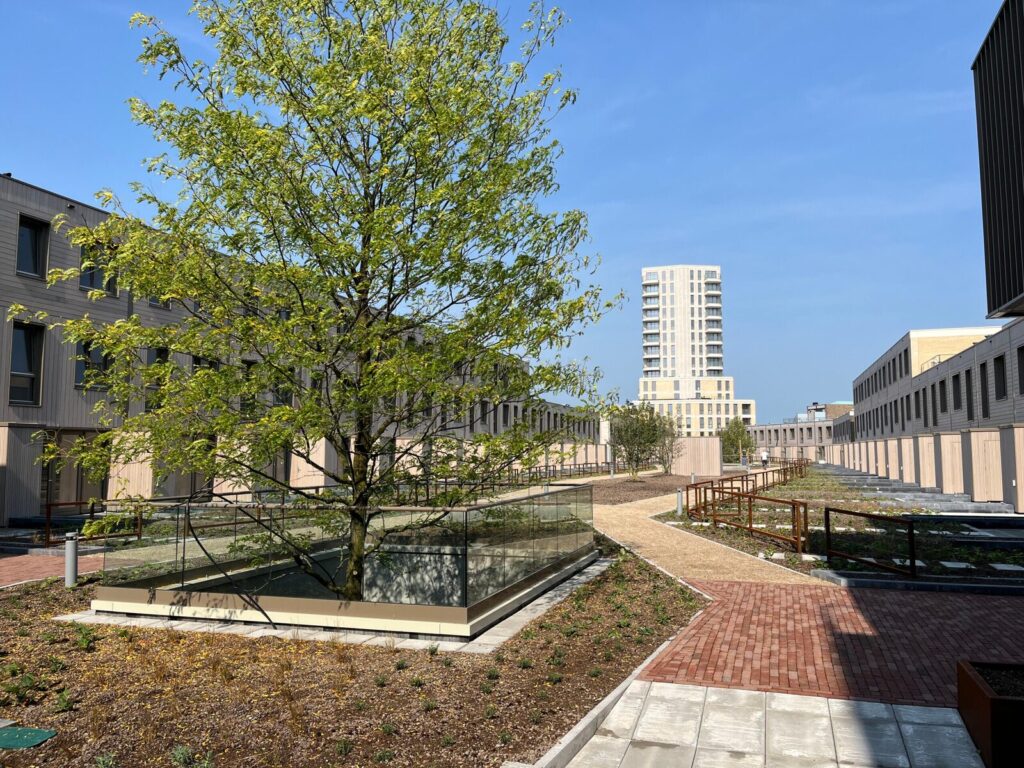
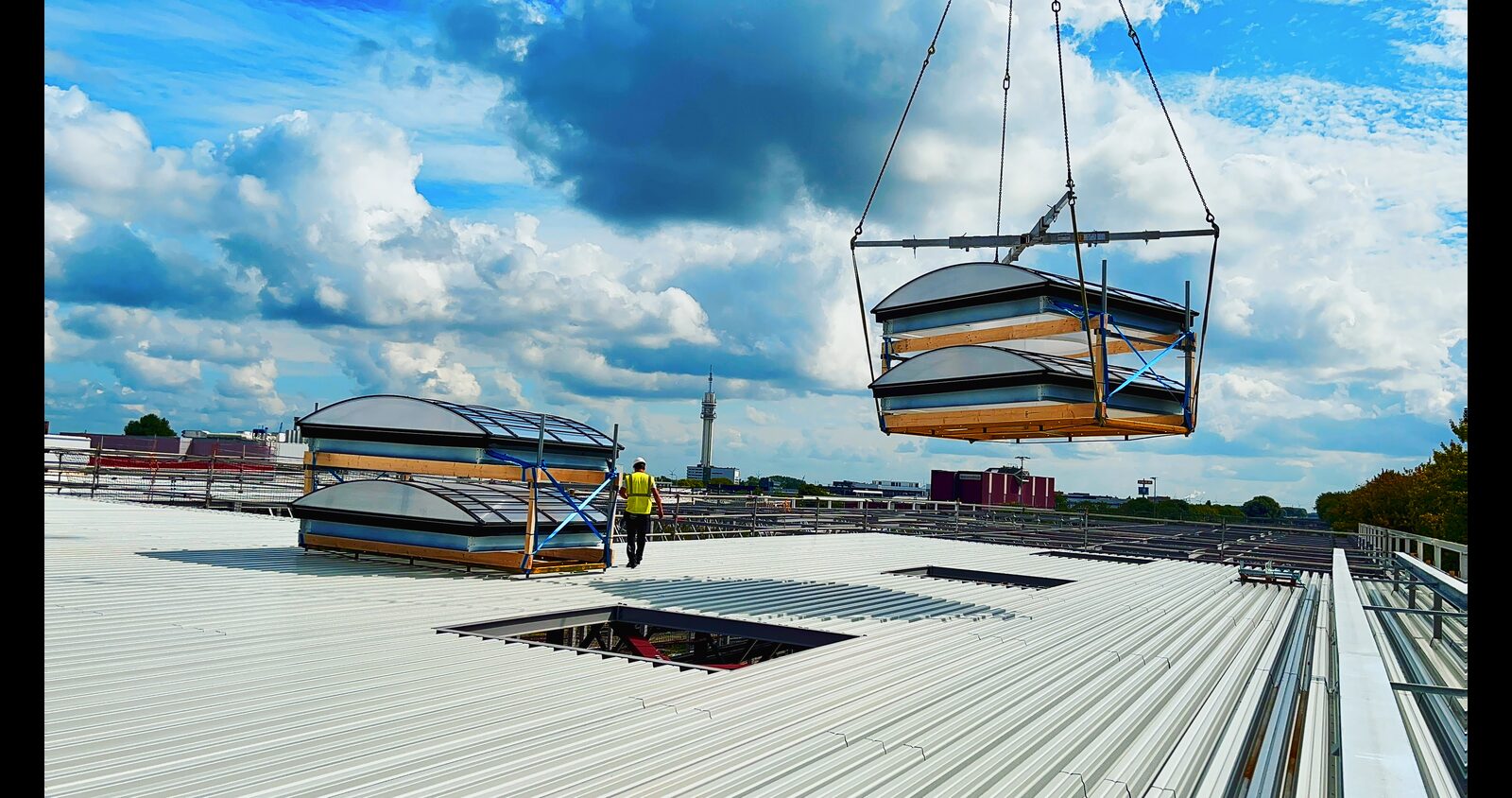
The demand for green roofs is growing and becoming more technically complex. As a result, the importance of effective collaboration between the parties involved in constructing and installing the roof is also increasing. That is why Van Ginkel Landscaping and Gervalin Roofing are increasingly working together.
Van Ginkel specializes in projects such as rooftop gardens, green facades, and interior landscaping. On the roof, its work literally builds on top of Gervalin’s. “The roofing serves as the foundation for our work,” says project consultant Marc de Jager of Van Ginkel. “We can only guarantee quality if we carefully coordinate the details during the preliminary phase.”
The collaboration between the two parties began years ago on a joint project, recalls project consultant Leo van Dalen. A substantive discussion about the right type of roofing for a rooftop garden served as the starting point. Both companies remained true to their professional principles and engaged in a dialogue to find the best solution. This led to a partnership based on mutual appreciation for each other’s expertise.
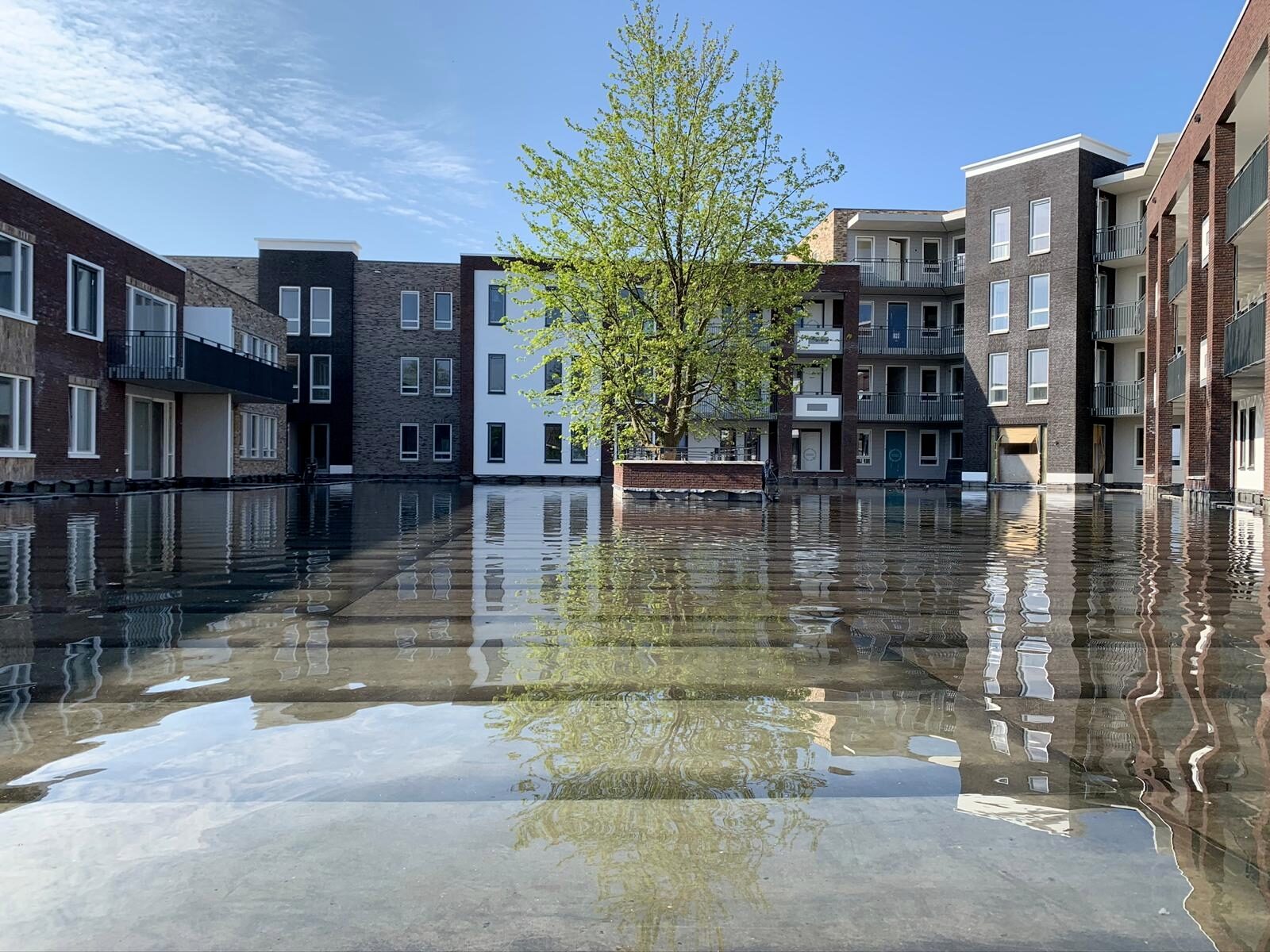
Sebastiaan Gerritsen of Gervalin: “At Van Ginkel, just like at our company, it’s all about the people. Our guys work really well together with the Van Ginkel team, both in the preliminary phase and on-site. That kind of chemistry is worth its weight in gold.” The two companies are involving each other in projects more frequently and at an earlier stage. During the preliminary phase, De Jager consults frequently with Gervalin regarding connections and detailing. Both companies also provide joint advice to clients. “You learn to trust each other,” says Van Dalen. “That’s what happened here. We now trust each other implicitly. That’s actually quite rare.”
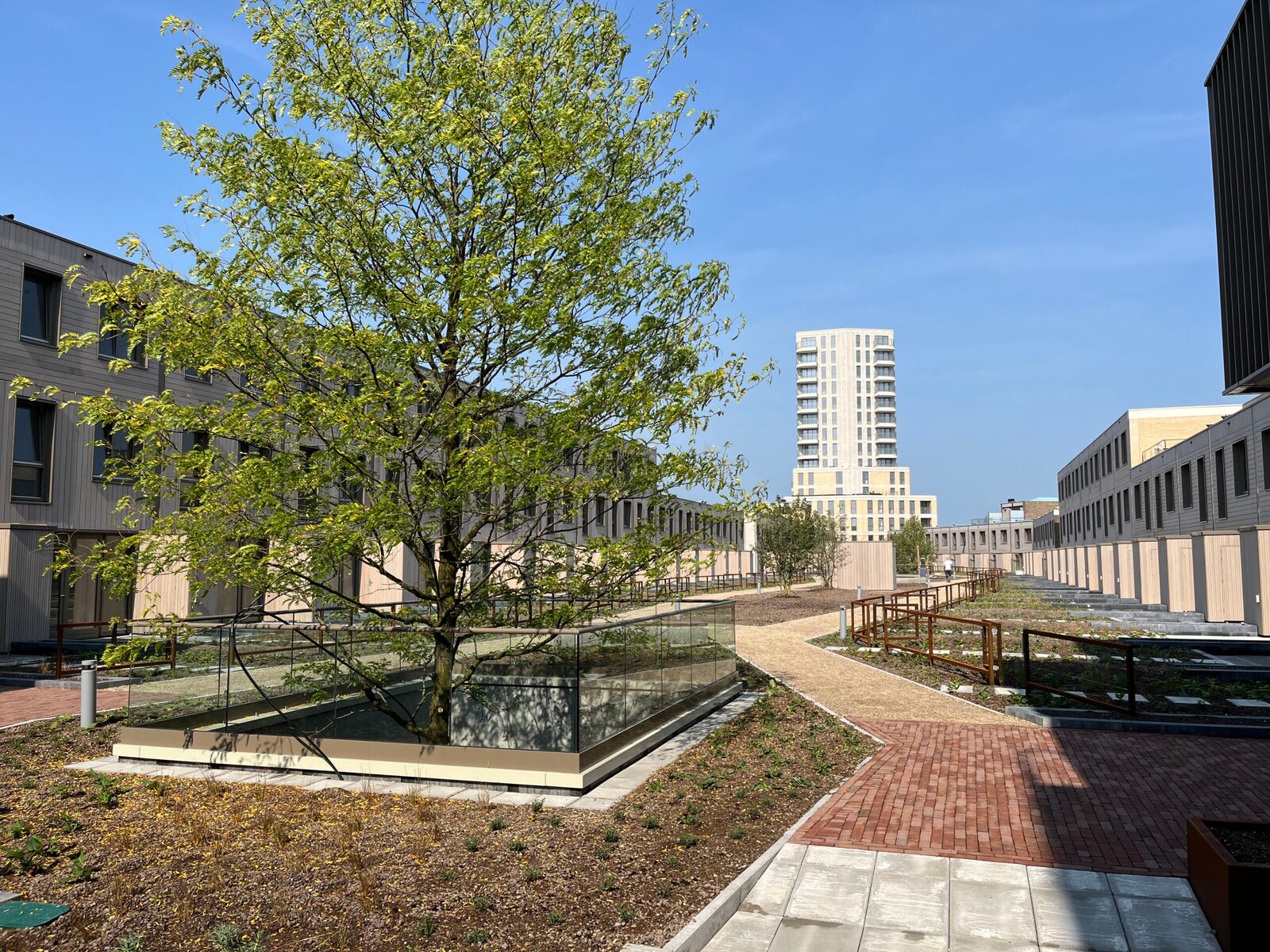
This coordination is becoming more important as roofs are increasingly used for multiple purposes. For the Buurthaven B7 project in Amsterdam, the companies are collaborating again, following a previous partnership on the Noordbaak B11 project. The deck above the parking garage will feature an intensive garden with trees, shrubs, and flowering plants. Beneath the vegetation, a retention layer temporarily holds rainwater. This also increases the importance of a reliable waterproof layer. “We’d be happy to come back to prune,” says De Jager. “Not to dig up the entire garden because there’s a leak somewhere.”
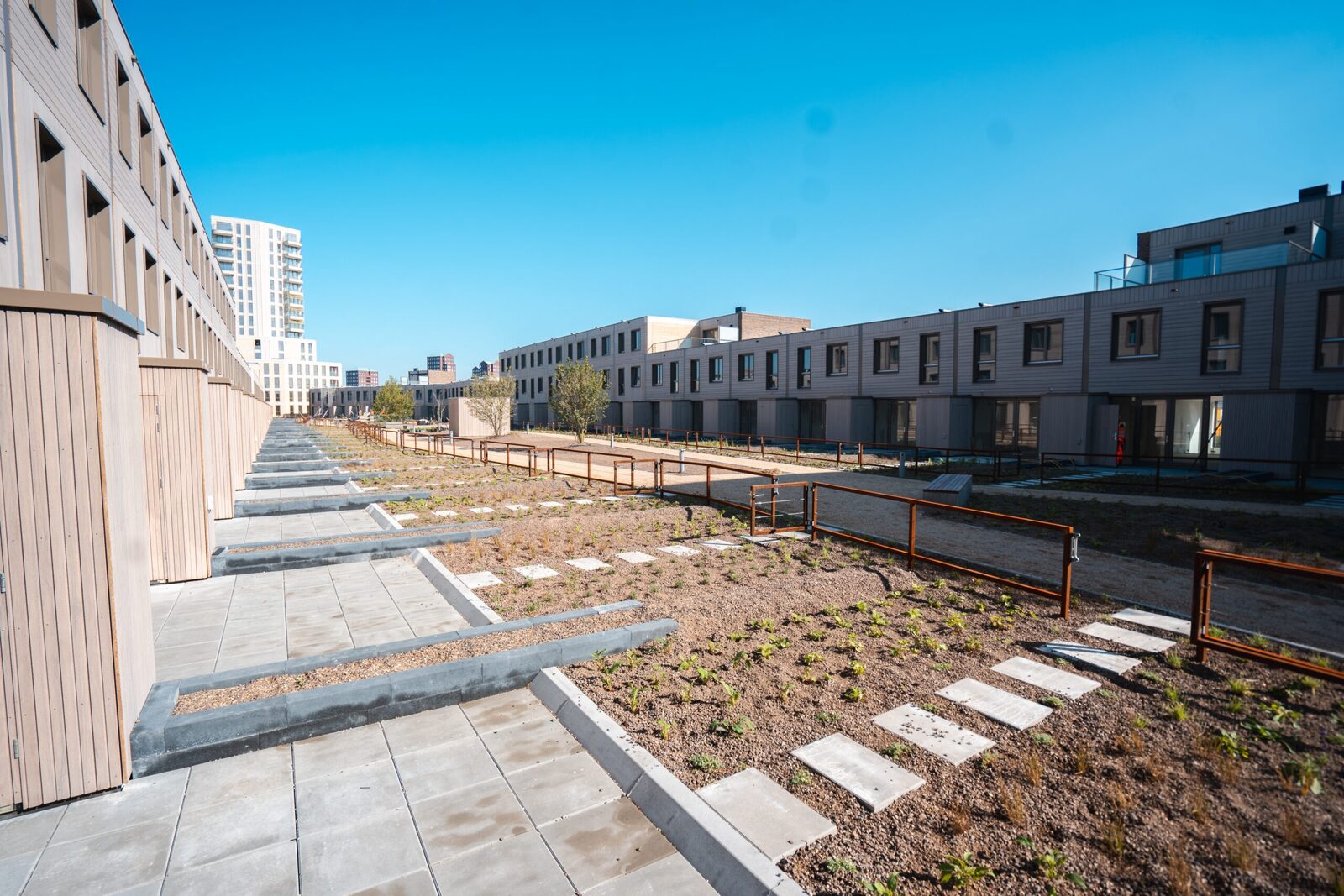
According to Director Wim van Ginkel, the partnership with Gervalin is part of a broader trend toward scaling up. Projects are getting larger, and urban space is becoming scarcer. Roof gardens on parking garages and residential complexes are increasingly being landscaped. For example, both companies also collaborated on the Noorderhaven project in Zutphen, which features several roof gardens. Van Ginkel: “As cities become denser, land is becoming increasingly scarce. This leads to more greenery on roofs and facades, as well as inside buildings.” Roofs play a role in biodiversity, climate adaptation, and the living experience for residents.
It’s precisely with projects like these that it helps when the parties already know each other and each other’s working methods. Details can be coordinated more quickly, and communication lines are short when unexpected situations arise. Van Ginkel expects that working with regular partners will therefore become increasingly common. “You have a huge responsibility to get it right. So you want partners around you whom you know will help you deliver quality.”