Platform on new construction, renovation, restoration and transformation
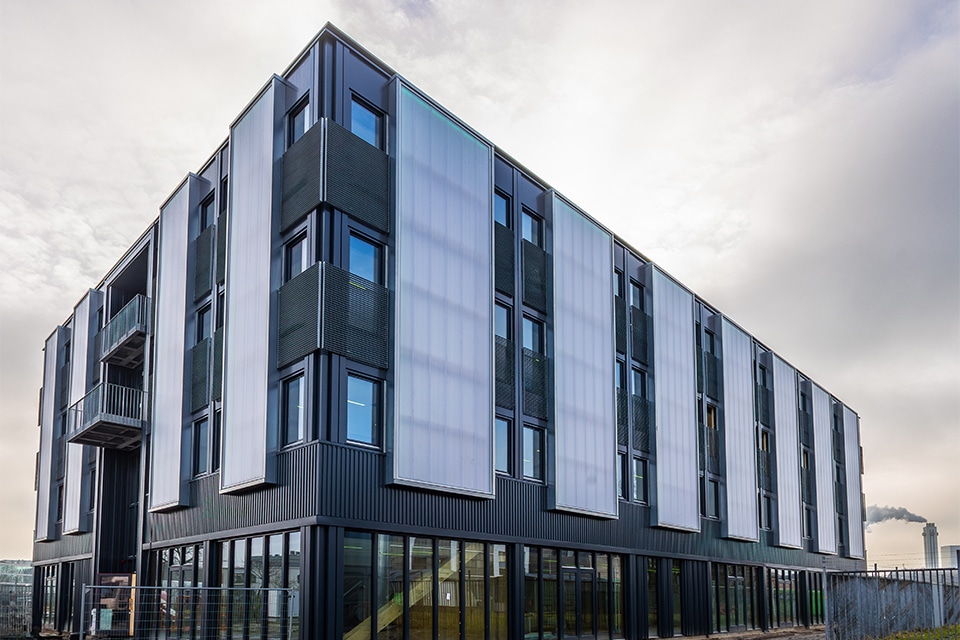
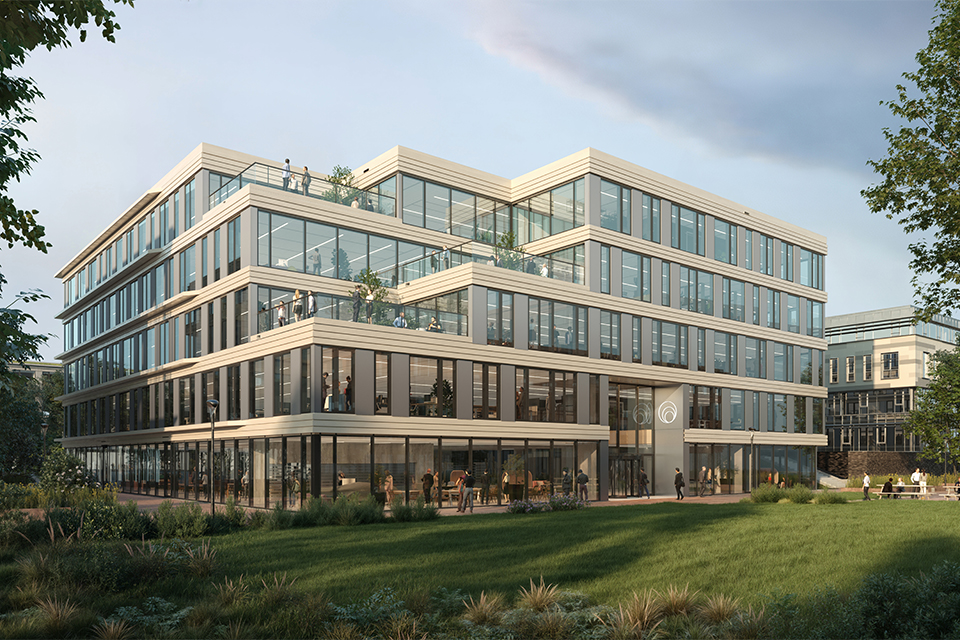
The HoutFabriek on Campus Werkspoor in Utrecht is a four-story wooden office building with an open void. The project shows what happens when client, builder, architect, structural engineer and installation specialists work together from the beginning. Thanks to the integral working method, choices regarding costs, sustainability, technology and use were constantly weighed against each other. With a building that is fully leased even before completion, the business case is also convincing.
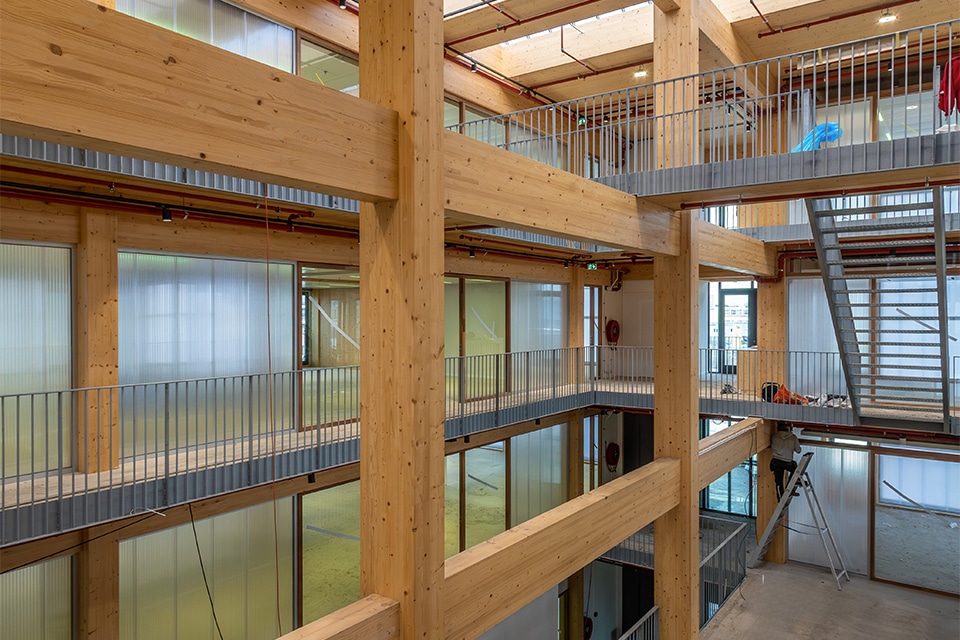
The HoutFabriek did not work according to the classic model in which design and execution are separate. In terms of content, the HoutFabriek is primarily a project in which parties consciously worked integrally. Job Kuijpers of Woody Builders says, “We looked precisely from a construction team with all disciplines to see how a building is best put together, with all the trimmings.” Harko Ebbens of Nuvia Real Estate adds: “We have sustainability goals and a set of requirements, but we also wanted to look at how we could build cheaper once.
It doesn't just have to be more expensive.”
Together with architects buro werda & m. architects, the team looked at the effect of each choice on the overall picture, so that a cheap partial solution did not lead to additional costs elsewhere. The structural grid was also optimized accordingly. According to the team, the size of 5.40 by 5.40 meters offers a good balance between usable floor space, use of materials and feasibility.
The climate strategy was also designed integrally. The team began by asking how to keep the building comfortable with less energy.
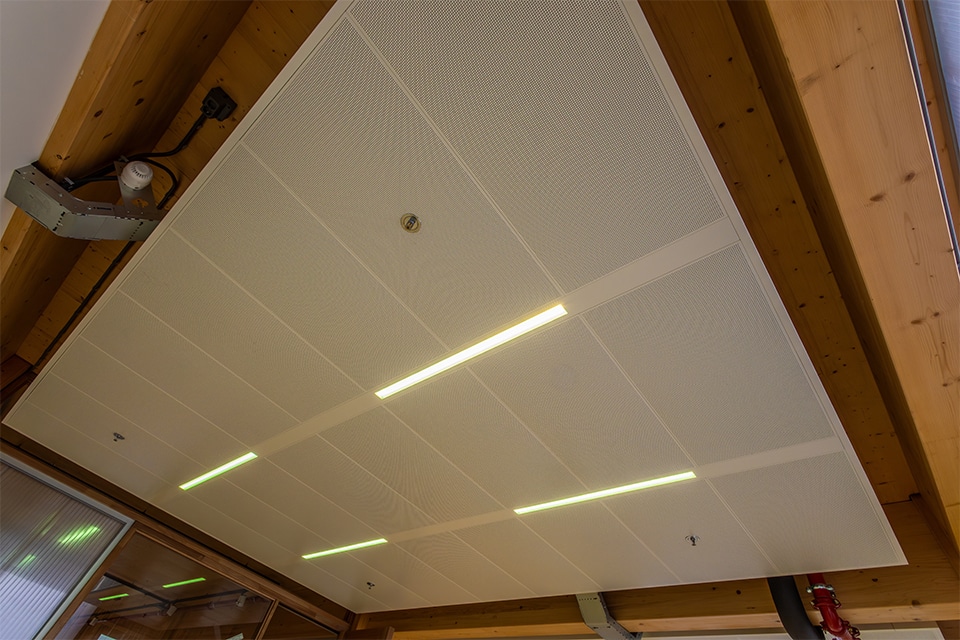
Grid congestion and limited connection capacity made this all the more urgent. Ebbens describes the choices in climate control: “We have basic principles such as that the indoor temperature may vary with the outdoor temperature. It doesn't always have to be a tight 21 degrees inside. For example, not every room is raised or cooled separately; the building is controlled as a whole with sensors. Especially the cooling required attention. That is why PCM ceilings with phase-changing materials that absorb heat and later release it again were chosen.” Kuijpers adds that those very ceilings in the building offer important advantages. They provide a fine climate in the building, thus reducing the need for mechanical cooling and heating by the climate control system. In addition, they provide a neat finish and better acoustics. Meanwhile, the installation for 4,000 square meters of floor space is running on a 3×80 ampere connection.
For all parties, the HoutFabriek is part of an ongoing learning curve on Campus Werkspoor. Like previous wooden buildings on campus, this building has already been fully leased prior to completion. This makes the HoutFabriek not only a technical forerunner, but also a market test. Kuijpers: “This building proves that you can meet challenges such as grid congestion with fewer connections and smart installation concepts. But for that we have to be willing to be more flexible with our strict and high-quality requirements, be more mindful of the climate and accept that a little discomfort is sometimes part of responsible and future-proof building. Only then can we truly live in harmony with our environment, now and in the future.”