Platform on new construction, renovation, restoration and transformation
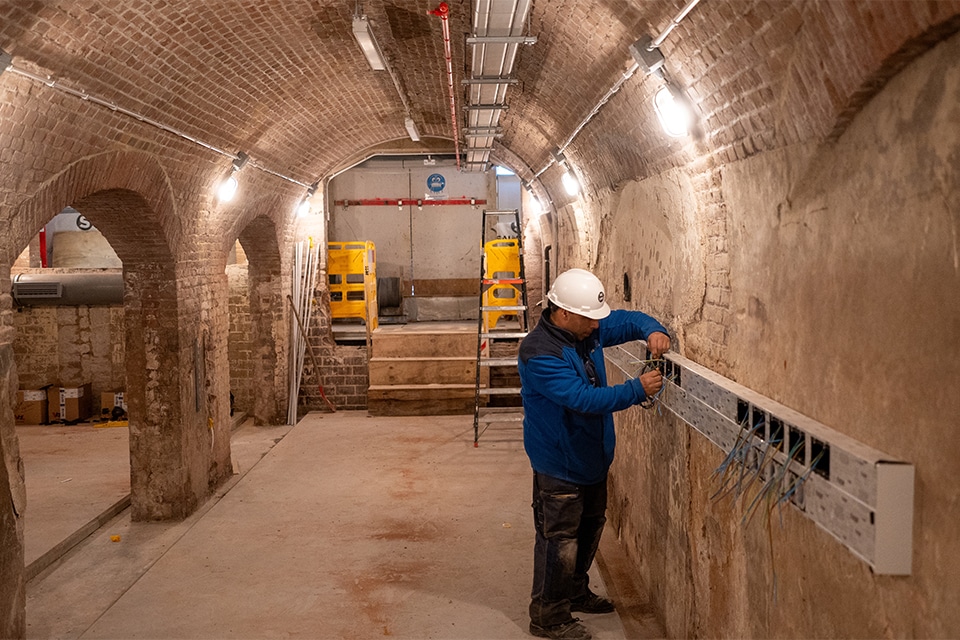
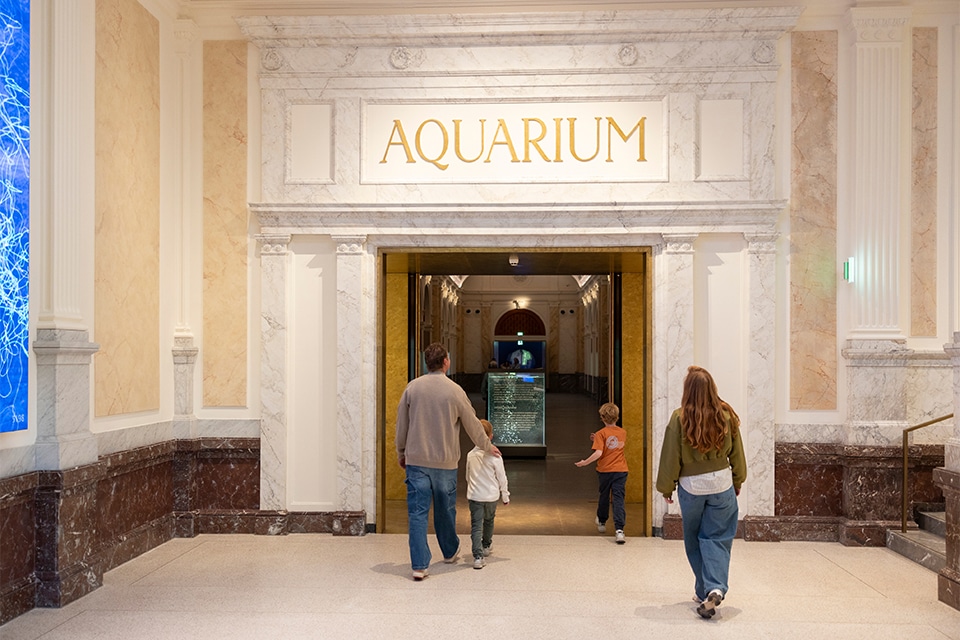
Saltwater is a sneaky enemy for building services engineering: it rapidly corrodes certain materials. During the renovation of the ARTIS Aquarium, this posed one of the greatest technical challenges for SDR Elektrotechniek, in addition to the high aesthetic standards that were required. An experienced team was therefore put in charge of the entire electrical installation; this team had previously collaborated successfully on challenging inner-city projects such as the Anne Frank House and the Heineken Experience.
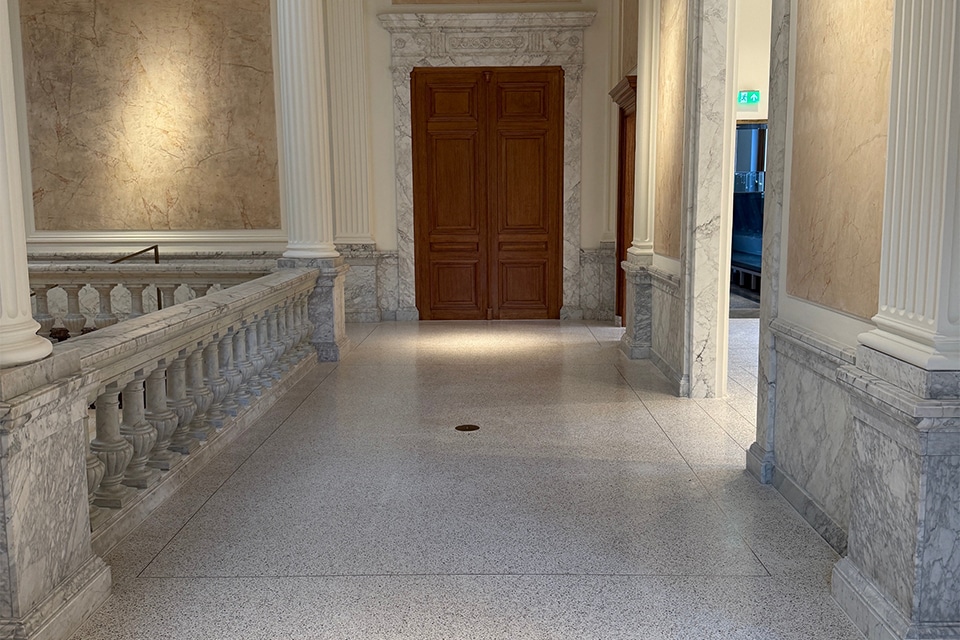
Commissioned by general contractor Salverda, the team at SDR Elektrotechniek handled the entire electrical installation, including lighting, emergency power systems, data and fiber-optic networks, and fire alarm and evacuation systems. “We first refined the consultant’s design into a feasible and buildable plan, working closely with the architect,” says Erik Poelman, project manager at SDR Elektrotechniek. “The architect had very high standards for aesthetics. Not only the light fixtures, but also smoke detectors, cameras, and emergency lighting had to be precisely aligned. Every detail contributed to the desired look and feel of the historic building.”
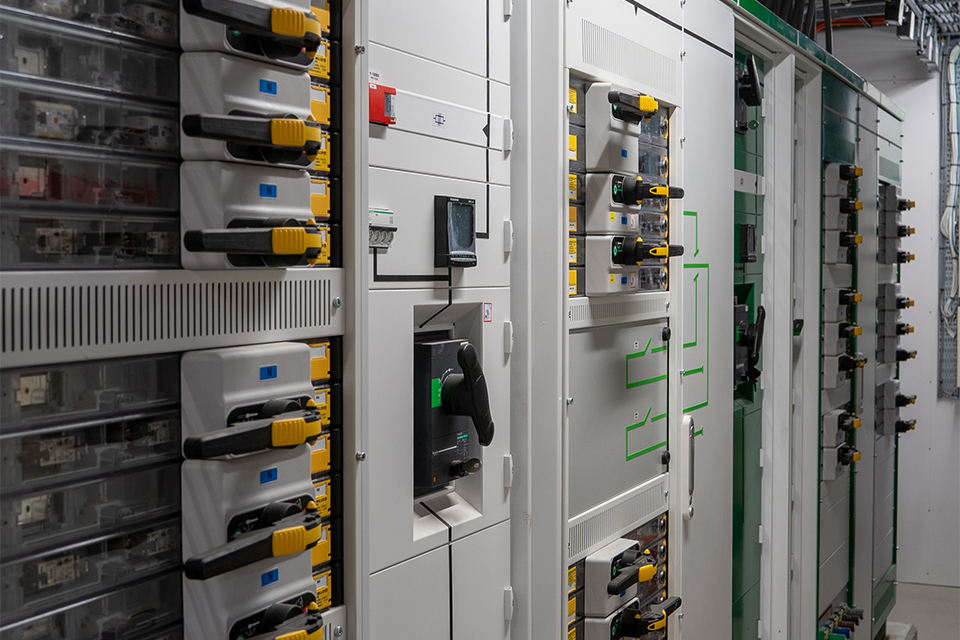
From a technical standpoint, according to Poelman, the catacombs posed the greatest challenge. “The combination of moisture and salt creates an extremely corrosive environment there. To ensure the longevity of the systems, plastic cable trays were used with special corrosion-resistant suspension systems.” In addition, the fire alarm system also required a great deal of attention. “Due to the different climate zones, temperatures, and humidity levels, careful engineering and calibration were necessary.”
Despite the extremely corrosive environment in the catacombs, SDR Elektrotechniek was still able to salvage some existing industrial light fixtures from the 1950s. “They’re true collector’s items that are no longer available new,” according to Poelman. “We had them cleaned and refurbished by a sheltered workshop. They aren’t completely restored to their original condition, but their authentic look has largely been preserved, including the original patina.”
Lighting plays an important role in the overall experience of the aquarium anyway. “The museum lighting can be controlled separately, while the aquarium lighting is fully synchronized with the natural rhythms of the fish and the seasons,” Poelman explains. “Caretakers can control this lighting via a tablet. In the main hall, the lighting can also be adjusted to suit events and desired atmospheres.”
In addition, SDR modified an existing emergency power generator from the facility to serve as a backup exclusively for the aquarium. “In the event of a power outage, this ensures that essential equipment, pumps, and life-support systems for the animals remain operational,” says Poelman, who is proud of the overall result and the collaboration with all parties involved. “It was also a great learning experience for some of our guys. Installing equipment in a museum setting and a historic building requires a slightly different set of skills.”