Platform on new construction, renovation, restoration and transformation
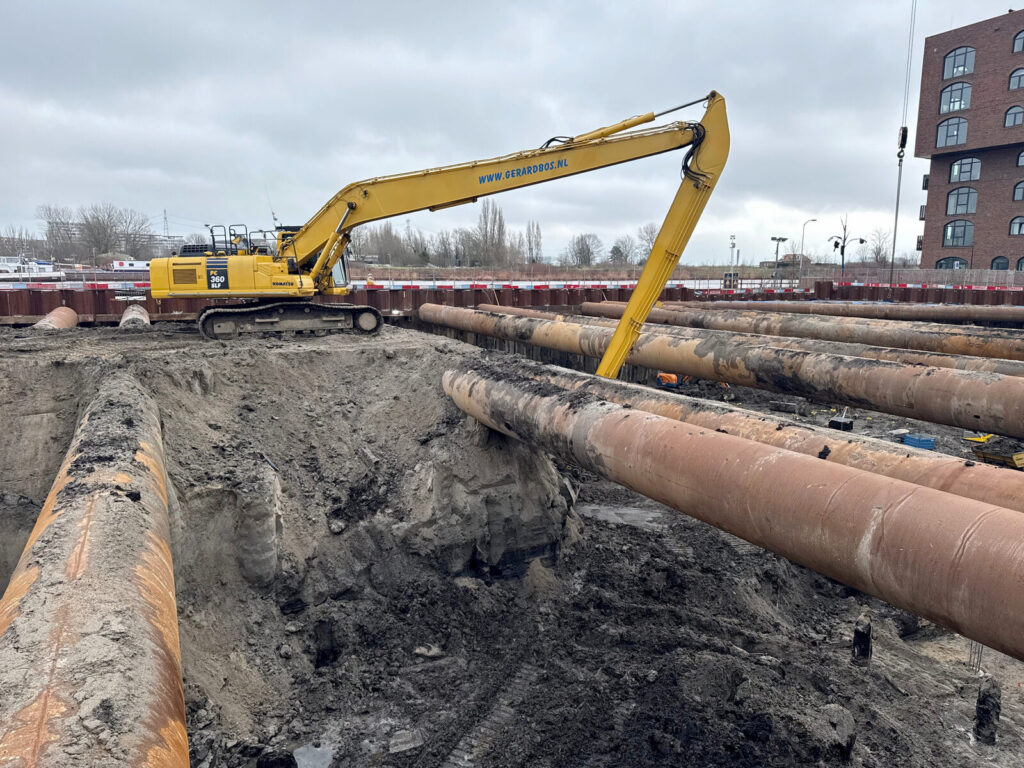
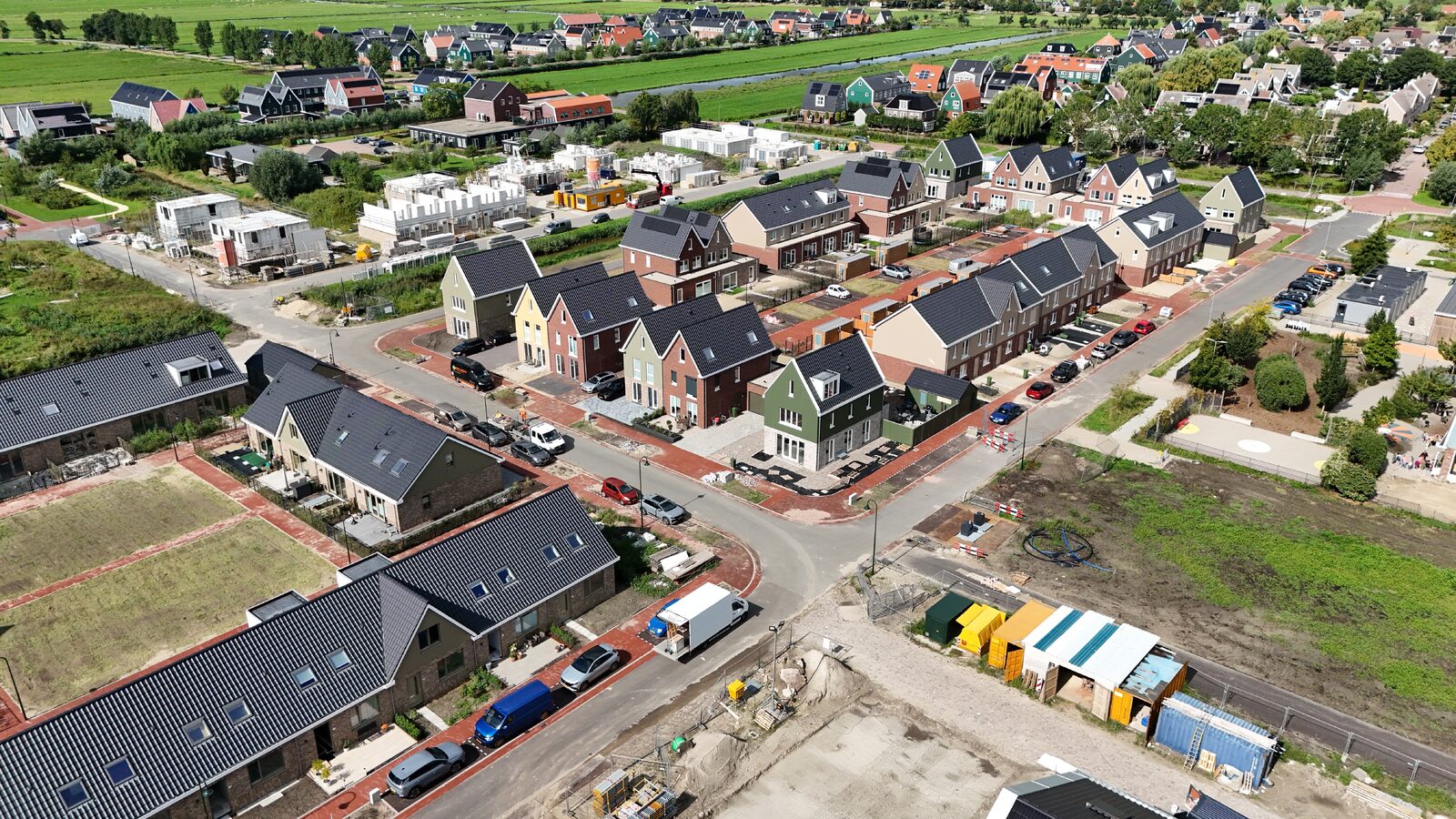
In recent years, the Cruquius area in Amsterdam has been transformed into a vibrant and modern urban neighborhood. Less visible (now) is the extensive earthwork that was required to prepare this former industrial site for construction. Kleywegen has played an important role in this process for over twelve years, and recently did so again for the stylish Houtsma project.
“From the very first plans for the area development, we were at the table with developer Amvest and various construction partners,” says Jelle van der Kleij of Kleywegen. “As part of the construction team, we contributed ideas regarding the earthwork and soil remediation—essentially, the entire infrastructure project. We were also involved from the start in the development of the Houtsma lot through Kondor Wessels Amsterdam.”
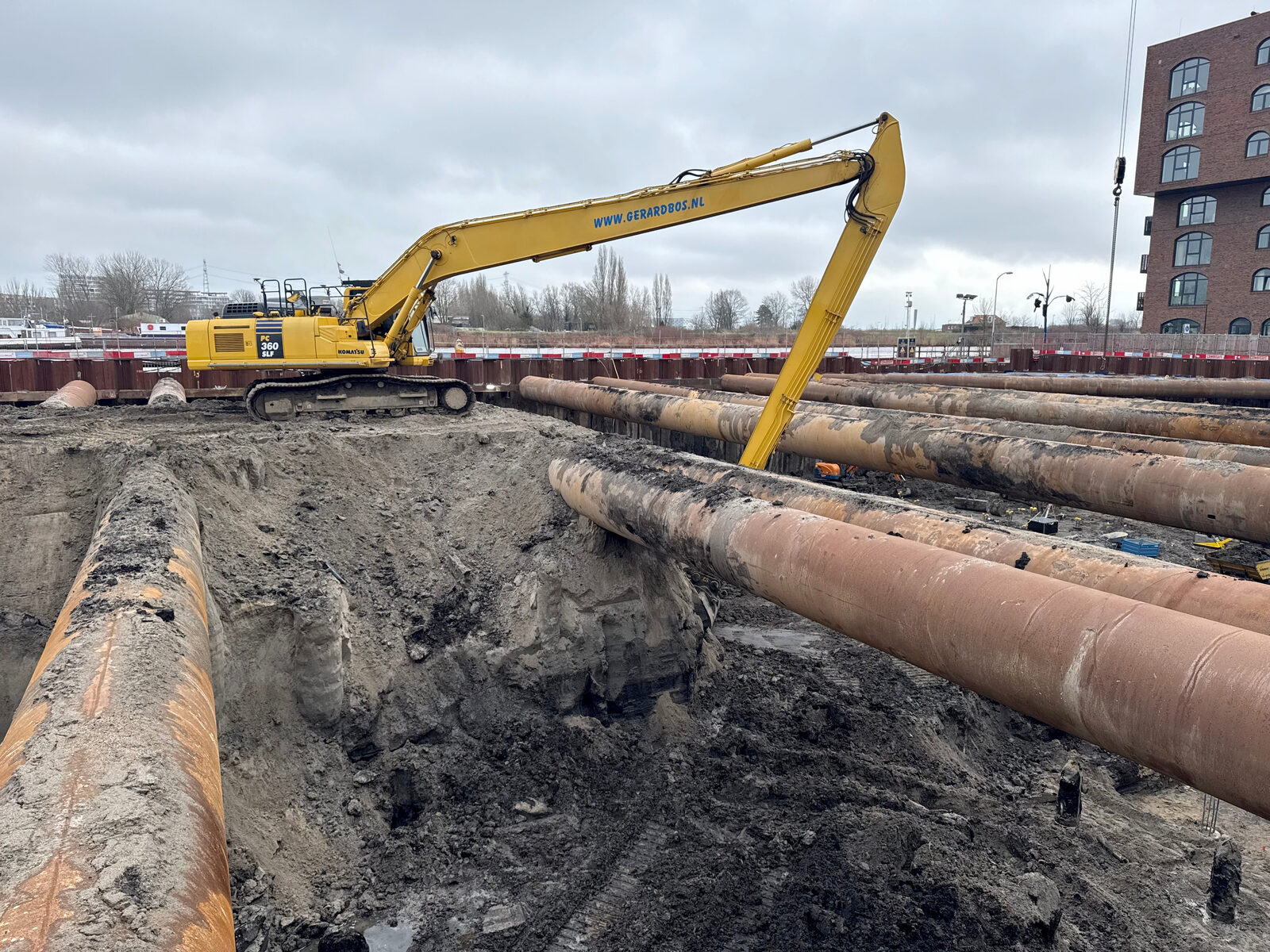
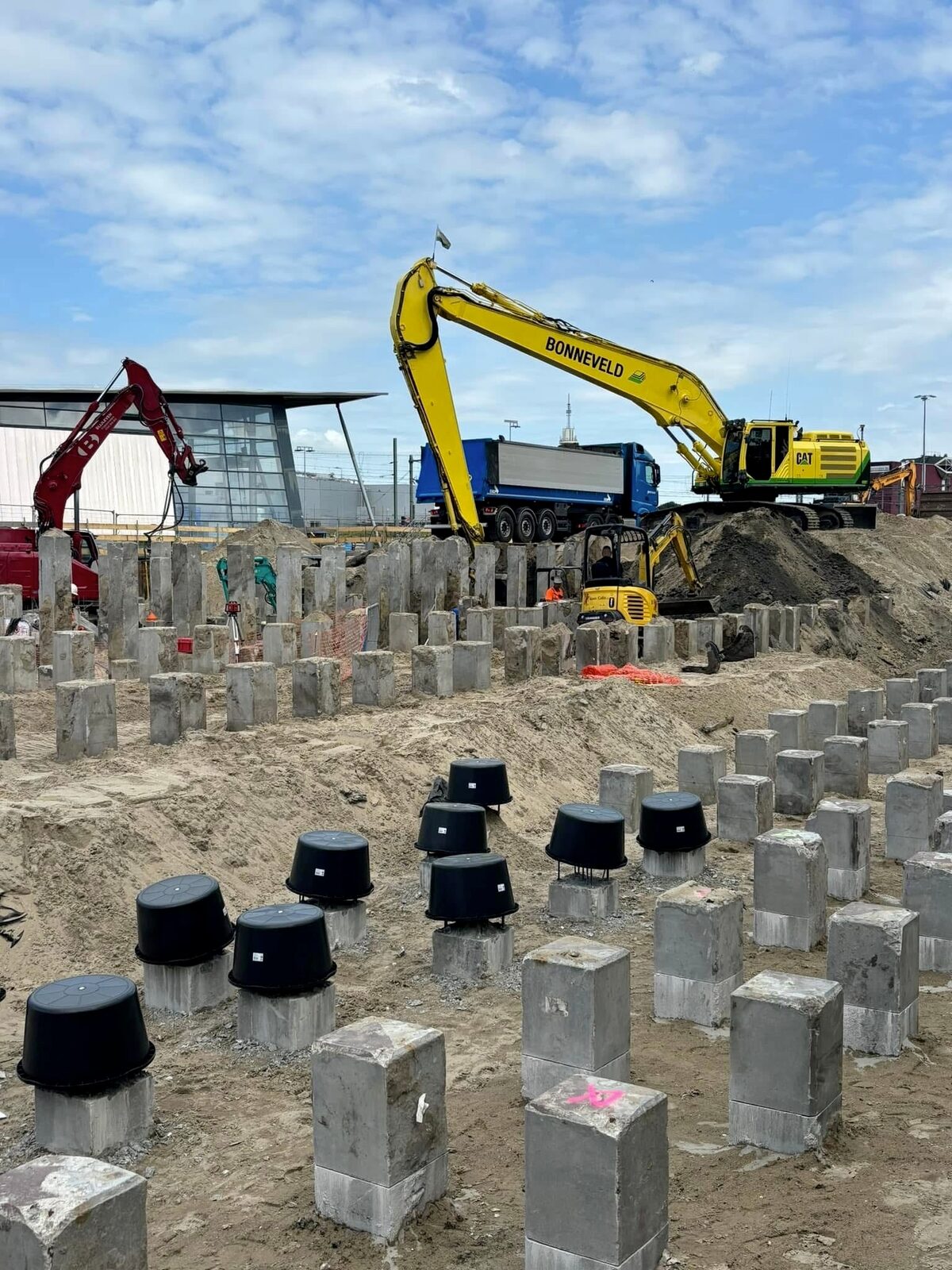
Work on Kleywegen began years ago with soil remediation. “Whenever possible, future construction plans were taken into account during the removal of contaminants,” Van der Kleij emphasizes. “The plans were therefore constantly coordinated with the various contractors.” By now, a large part of the Cruquius area has already been developed. “Houtsma is one of the latest developments. For this lot, we excavated the construction pit—covering approximately 6,400 square meters—to a depth of 6 meters. Our scope also included tension dewatering, leveling the subgrade, and installing drainage beneath the future floor structure. In addition, we drove nearly a thousand concrete piles.”
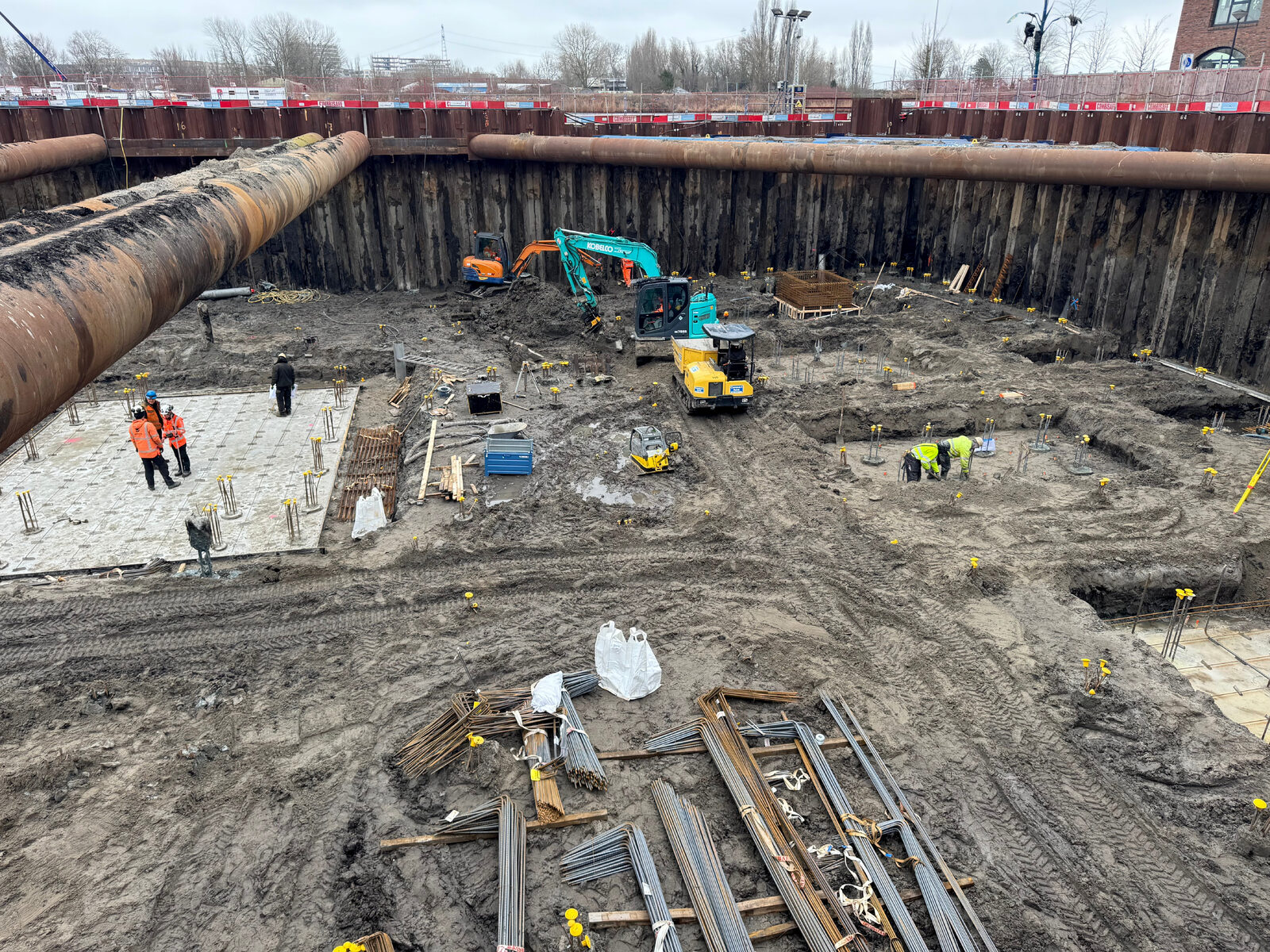
A notable aspect of the earthwork was the logistical approach. “Because parts of Cruquius were already inhabited, Amvest wanted to minimize the disruption to local residents as much as possible. That’s why a special loading and unloading dock was set up years ago,” explains Krijn van Zandwijk, who, as a site supervisor for Kleywegen, has been involved in the Cruquius project since the beginning. “All the excavated soil was hauled away by ship. In total, this amounted to approximately 30,000 m³. This prevented thousands of truck trips through the neighborhood and resulted in a significant reduction in traffic congestion and emissions. In addition, some of the soil—which had an elevated chloride content—was put to good use in a project to deepen a lake near Roermond.”
With projects such as Houtsma and the adjacent Candido, the Cruquius area development is nearing completion for Kleywegen as well. “For us, it’s a wonderful reference and a great example of the power of early collaboration,” Van der Kleij concludes. “From the very first sketches, we contributed ideas regarding the implementation methodology and typically participate on a risk-bearing basis for a fixed price. In this case, the land was one of the few items that could be offset. The rest was carried out for a fixed contract price.”