










Circular demolition and renovation of former FIOD office
Text Henk GeistPhotography C.A. de Groot
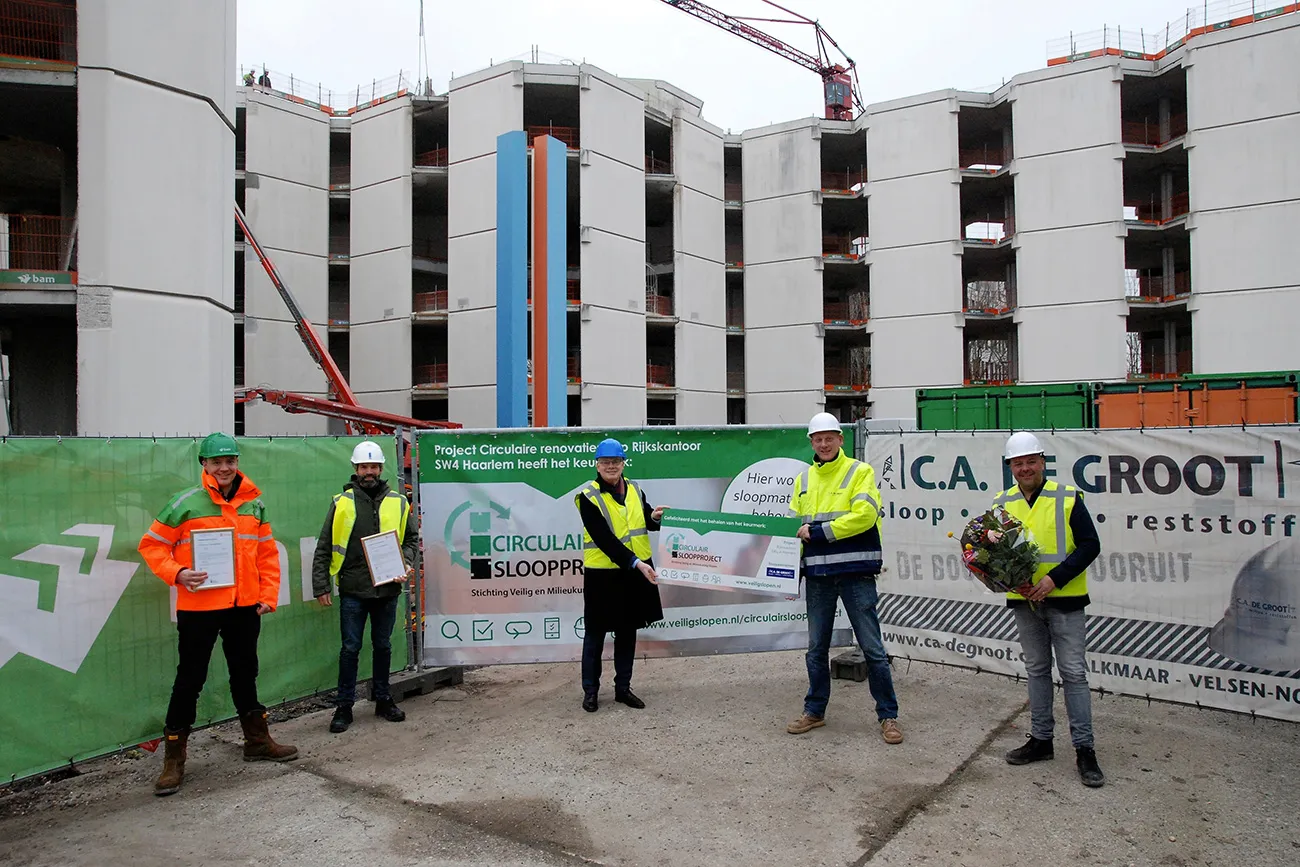
“15 per cent of the materials were reused, both at other locations and, in part, in the building itself. One example is the roof gravel, which was washed and then put back in place. And 84 per cent was recycled as raw material, including the aluminium window frames and glass,” says director Kees de Groot.
Almost 100 per cent of the materials were reused
Increasingly high-grade
For client Rijksvastgoedbedrijf, sustainability and circularity informed the new design and construction approach for this renovation and demolition project. “This project served as a model for Rijksvastgoedbedrijf. Most demolition companies are already well advanced in recycling. Reuse reduces processing costs and saves a great deal of valuable raw materials. The challenge is to make the process increasingly high-grade. That was one of the objectives here.”
Survey
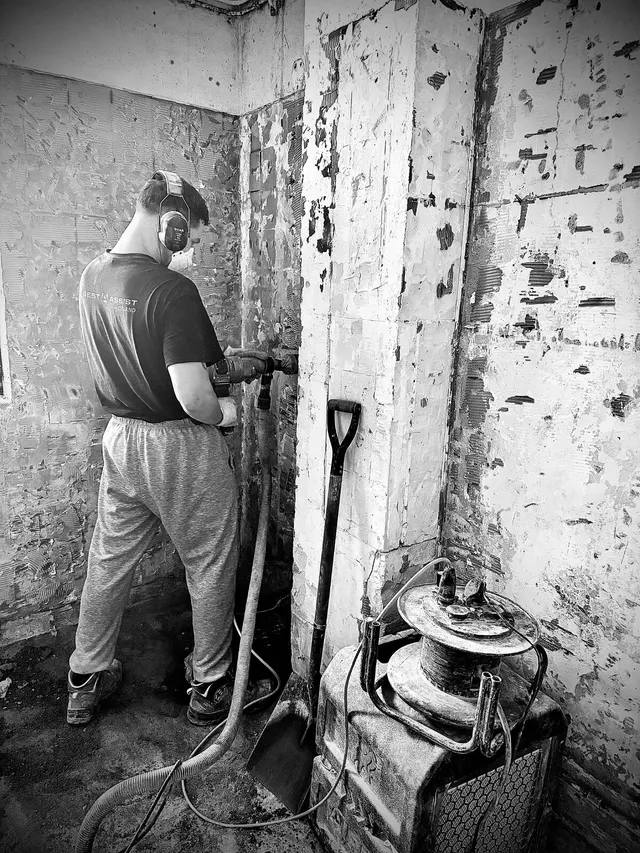
The demolition was preceded by a thorough and critical survey of the building. “What is in it? What will come out? What can we do with it? And how should staff handle it? We surveyed what BAM wanted to reuse in the new design, as well as what else might turn up as the work progressed. Everything is now recorded in BIM, but particularly in older buildings, many things are unknown because there are no records from the time of construction. We also had the demolition certified by SVMS for the first time, which was a valuable learning experience for us.” The demolition project was awarded the Circular Demolition Project Declaration, associated with certificate BRL SVMS-007. “For Rijksvastgoedbedrijf and BAM, this was proof that we had achieved our objectives. We are proud of that, because circular demolition is an essential link in the circular economy, to which we can make a major contribution in the future.”
Question about this story? Ask your question
Keep following this
Get an email when a new story is published. No account needed.
- SubjectRenovation & conversion