










Quay maintenance under time pressure: keeping heavy work efficient around the port
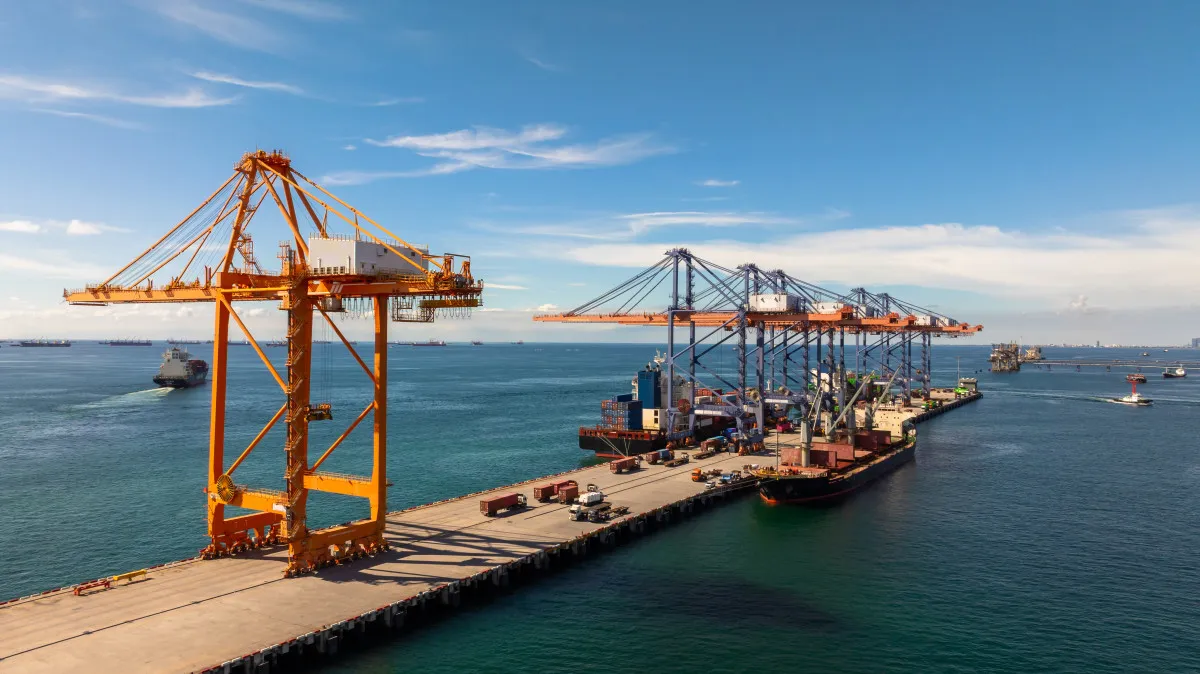
Anyone working around a port knows that shutting down is hardly an option. Ships need to be loaded and unloaded, businesses need to carry on working and logistics operations continue as usual. Sooner or later, however, a quay will need maintenance. When that happens, the aim is to complete the work without taking longer than necessary. Good preparation makes a major difference. Establish in advance exactly what needs to be done, which machines are required and how best to divide up the work. For heavy work at the waterside in particular, it helps when everyone understands what needs to happen. This keeps the operation manageable while work continues as usual. In busy port areas, that is more than just a convenience.
Choose the right machines for the job
The right approach is central to quay maintenance. A minor repair calls for a different approach from removing soil, excavating a work area or moving heavy materials. Those without a complete fleet of their own can consider hiring earthmoving machinery. This allows them to deploy exactly the machine needed at any given time. There is no need to store machines for long periods, and it is easier to respond when the schedule changes. This can be particularly useful on projects with tight deadlines. Give careful thought beforehand to the available space, ground conditions and the machine's reach. This avoids discovering on site that different equipment is needed after all.
Work efficiently around ships and traffic
A port rarely shuts down completely for maintenance. Ships keep arriving, cargo has to be moved and the quay is often busy with several activities at once. It can therefore make sense to divide the work into distinct stages. For example, start with the section that needs the most attention, then move on to the next work area in a controlled manner. This keeps part of the quay available. During work in Scheveningen, for example, sections of the quay were tackled in sequence so that the rest of the port could remain operational. This clearly shows the difference that effective planning can make.
Keep safety in focus at all times
Working quickly is useful, but safety remains the priority. A clearly organised work area is essential, particularly where heavy machinery, water, shipping and limited space come together. Check in advance where machines can be positioned, where people will be walking and how ships can continue to pass safely. The condition of the quay itself also deserves attention. A quay wall is constantly exposed to water, loading and effects such as corrosion. Problems are not always immediately visible either. Regular inspections can help identify defects in time.
Good preparation pays off
When working under time pressure, avoiding time lost through poor decisions is crucial. Arrange equipment in advance, coordinate the work carefully and make sure everyone knows when each section of the quay will be tackled. Consider what will be needed after the work is complete, too. Does any soil still need to be removed? Are there components that need to be inspected? Thinking about these matters beforehand prevents unnecessary delays. Quay maintenance need not cause major disruption to daily port operations. With a practical schedule, suitable equipment and a pragmatic approach, heavy work can run much more smoothly. This keeps the port operating while the quay is made ready for the next round.
Vraag over dit verhaal? Ask your question
Blijf dit volgen
Bij een nieuw verhaal krijg je een e-mail. Geen account nodig.
- SubjectGeneral