









The many considerations involved in building with precast concrete
Text Roel van GilsImage Bè-Ton
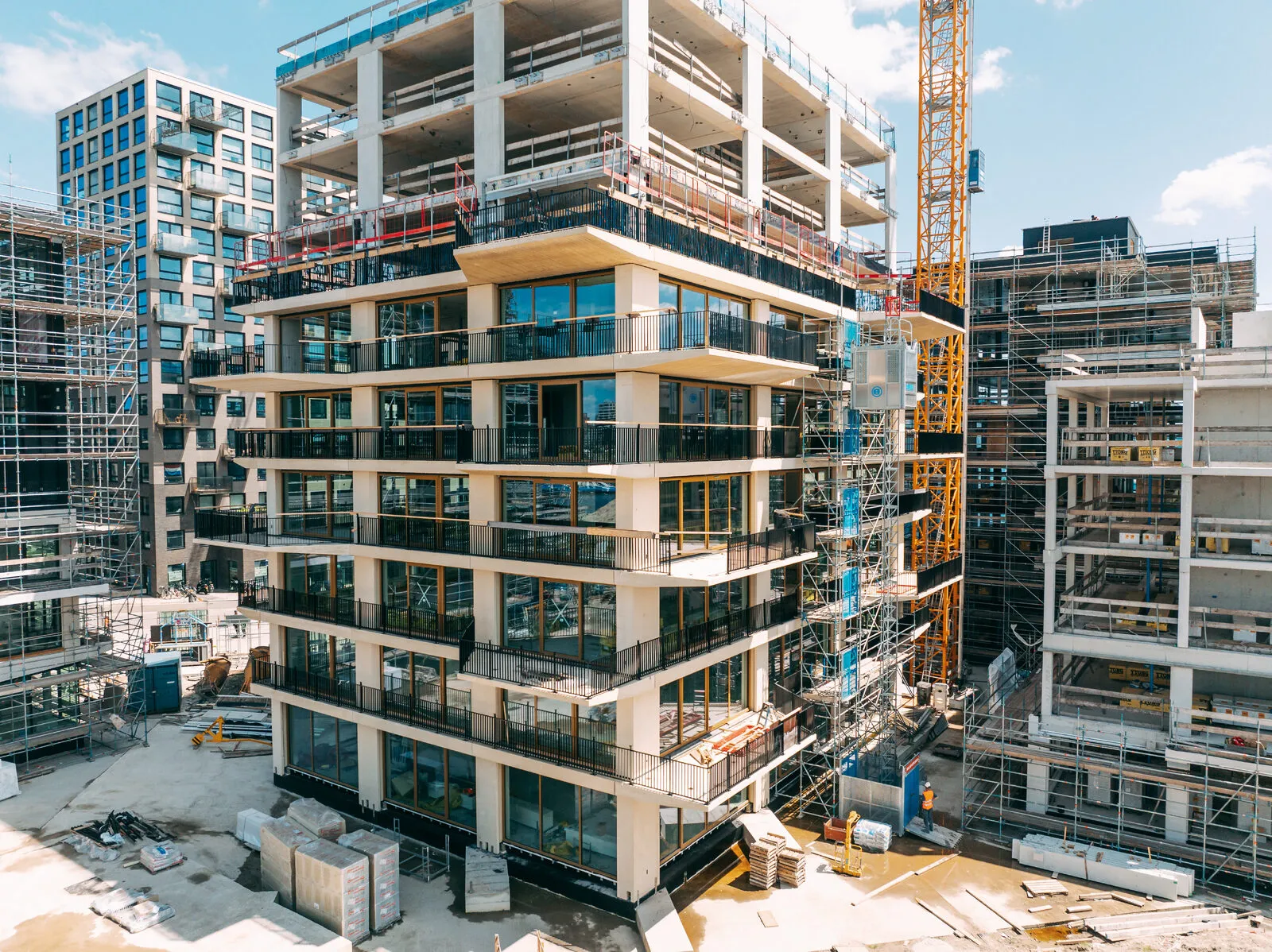
Building with precast concrete looks straightforward on paper: a design is developed, a manufacturer makes the elements and they are assembled on site. In practice, however, there is a great deal to consider between those stages. According to Ton Tetteroo of consultancy Bè-Ton, a successful precast concrete project therefore begins much earlier, at the drawing board. “By bringing specialist knowledge of production, logistics and assembly into the design phase, risks can be reduced and decisions aligned from the outset with what can be delivered in practice.”
Bè-Ton has built up that practical knowledge over many years. In almost 31 years as a business owner, Tetteroo gained experience of virtually every aspect of the precast concrete industry. “I literally started out in production. I have seen and done everything that happens there. That hands-on experience is invaluable,” he says. He built a former small terrazzo business into a fully fledged, medium-sized precast concrete company operating nationwide, which he sold in 2024. From production and engineering to procurement, logistics and sales, Tetteroo knows the process from raw material to installed element.
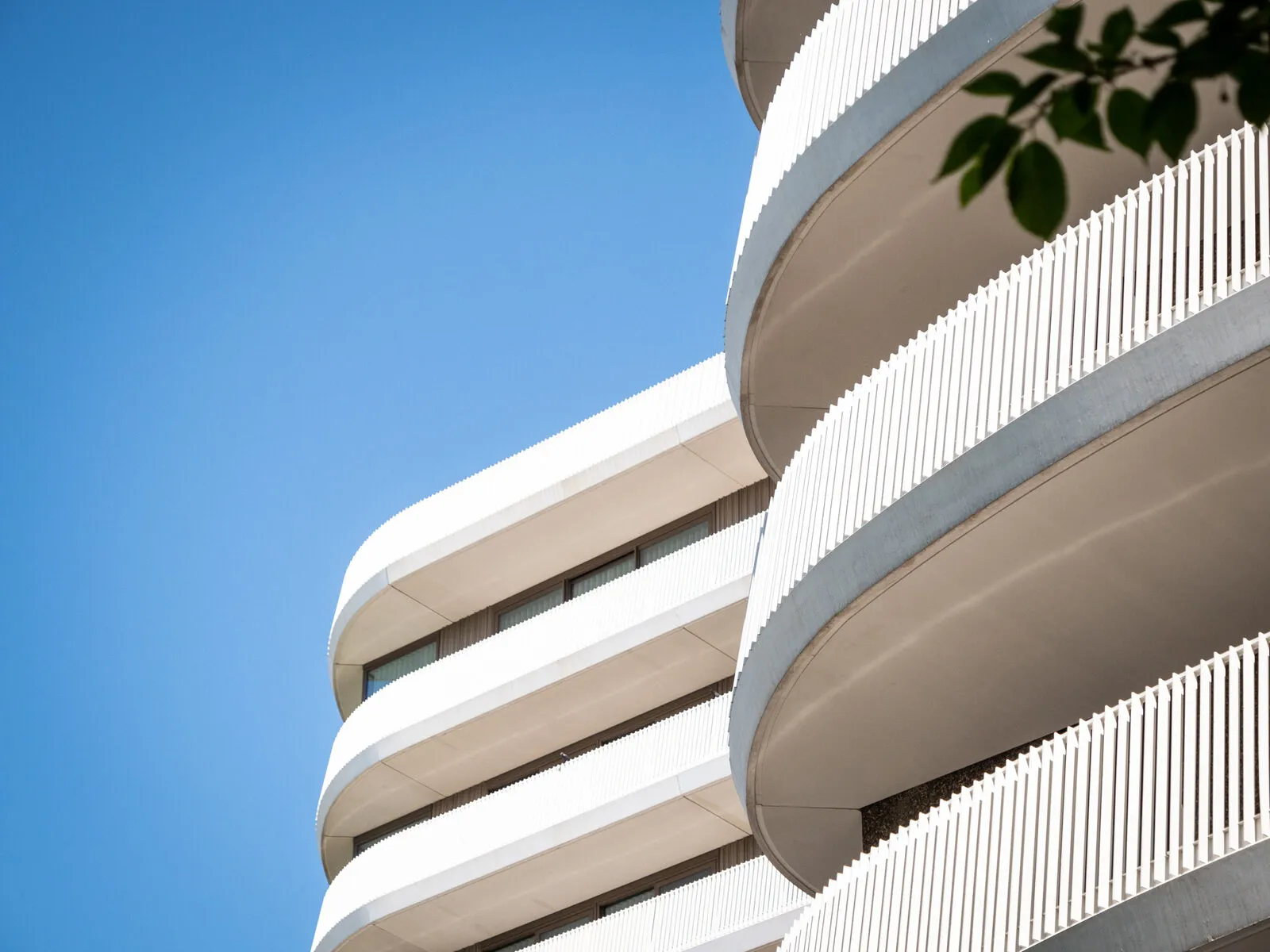
Practical knowledge
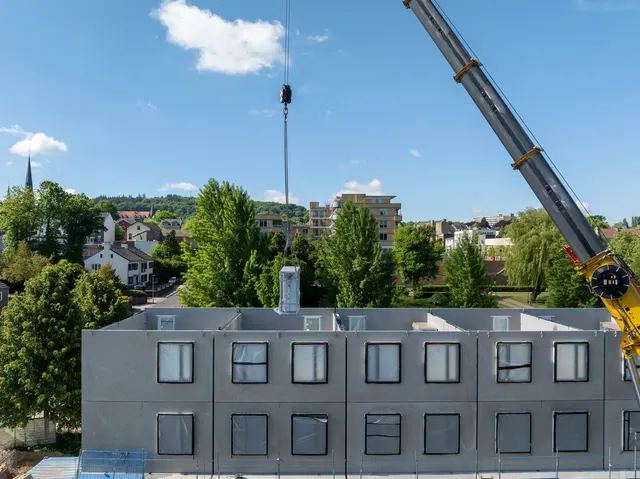
You can come up with a design, but the key question is: can you make it? Tetteroo knows from experience that this seemingly simple question can have major consequences. “A design that is technically sound does not automatically make sense from a production perspective. Are enough moulds available? How much reconfiguration is needed? Can the element be stored and transported efficiently? How will it be lifted and installed? And is the site crane suitable for the weight and the chosen construction sequence? If those questions only arise when the precast concrete manufacturer gets involved, it can lead to delays and additional costs. If, for example, an element turns out not to be manufacturable as drawn, it has to go back to the drawing board. All the effort put into the preceding stages is wasted.”
Removing friction from the process
Bè-Ton operates independently in the market. “We are not a manufacturer that needs to keep a factory busy, but a consultant focused solely on the best solution for the project,” Tetteroo says, describing his approach. Architects, developers and contractors can draw on his knowledge at an early stage. “I look not only at the precast concrete element itself, but at everything in relation to the façade, frames, finishes, installation and construction logistics.” He says this can lead to surprising improvements. “Fewer moulds, fewer reconfigurations, fewer operations or a different construction sequence can make the difference between a complicated solution and a feasible one. Early discussions with different market parties can also provide a realistic picture of costs, capacity and lead times. Sustainability is playing an increasingly important role too. By considering material use, transport movements, storage and the number of operations during the design phase, for example, unnecessary use of raw materials and energy, as well as transport, can be avoided.”
Patent
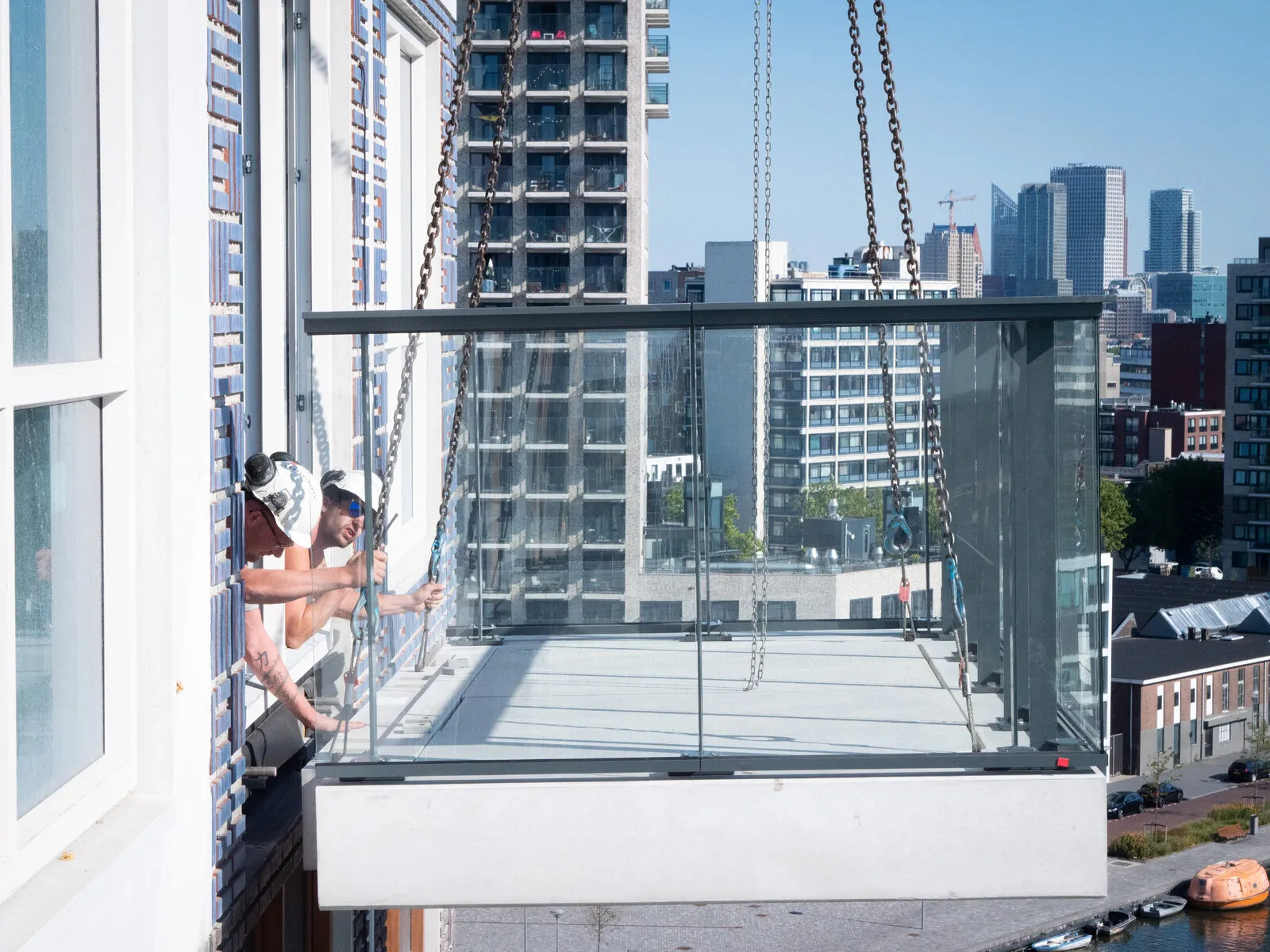
That way of thinking is characteristic of Bè-Ton. “Rather than looking for reasons why something cannot be done, we look for alternative ways of doing it,” says Tetteroo, who has several creative ideas and patents to his name. A striking example is the system for attaching balconies and access galleries at a later stage using bolts and nuts. “This means temporary propping is no longer needed, and a balcony can be attached to the façade later, complete with balustrades. That means fewer obstacles during structural work and therefore greater freedom in construction logistics.”
Precast construction offers major opportunities in terms of speed, quality and control. “But those benefits can only be fully realised when design and construction are aligned from the outset,” Tetteroo rightly points out. Bè-Ton brings expertise to the table that goes beyond assessing a drawing. “By considering manufacturability, production, logistics and installation at an early stage, we create room for better decisions. Sometimes that means a small improvement. At other times, it is the missing piece of the puzzle that makes a project technically, logistically and financially feasible.”
Question about this story? Ask your question
Keep following this
Bij een nieuw verhaal krijg je een e-mail. Geen account nodig.
- SubjectModular construction