










Sustainably optimising the climate in buildings
Text RehauPhotography Rehau
Whether they are schools, nurseries, universities, detached houses, hospitals, town halls or office towers, all spaces where people spend time need fresh air.
And the larger the building, the more people work or live in it. What is more, whether it is a new build or an existing building, the building envelope is becoming increasingly airtight. In the past, windows could simply be opened for ventilation, but this is usually no longer possible, or nowhere near sufficient, in new buildings and energy-efficient renovations. Yet ventilation is crucial inside a building. This was of course already true before the coronavirus pandemic, but we are now even more aware that pathogens can also spread through the air. Replacing indoor air plays a major role in this.
A better indoor climate means greater comfort, but above all fewer health complaints. When there is too little fresh air, people quickly become tired and irritable, and may have difficulty concentrating. People need around 600 litres of fresh air per hour. In schools, for example, the air in a classroom should be completely replaced every two hours. This can hardly be achieved by opening windows alone. Window ventilation is also undesirable in some seasons because of the impact on comfort and heat loss. In addition, it increases the risk of break-ins, causes more noise disturbance and throws the climate control system off balance.
Fresh air indoors at all times
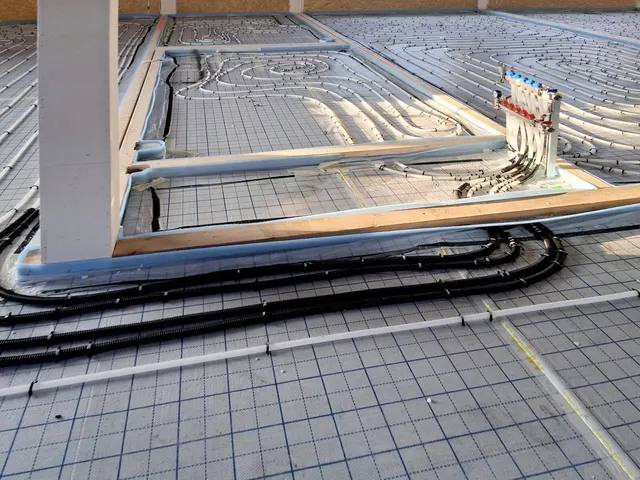
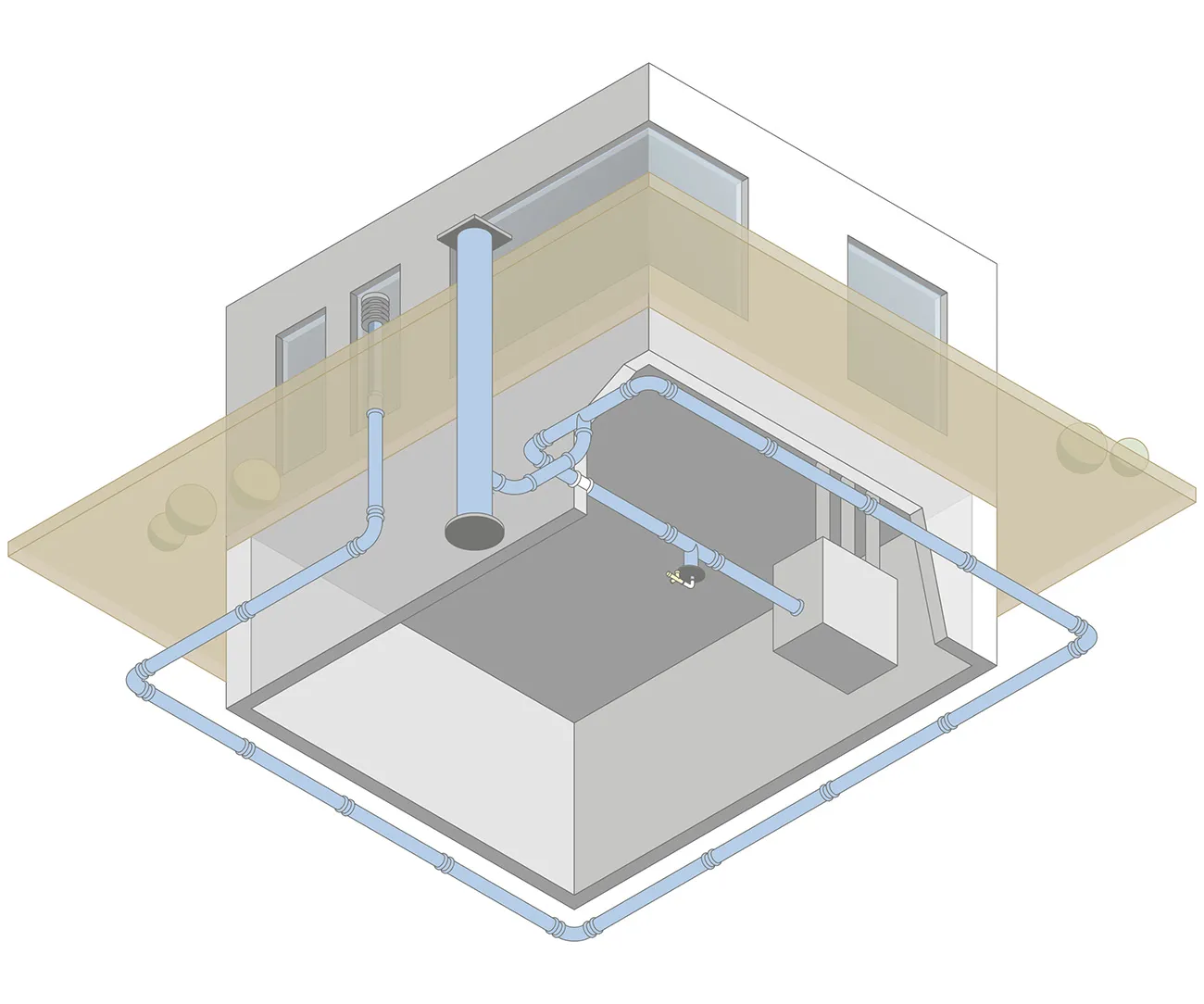
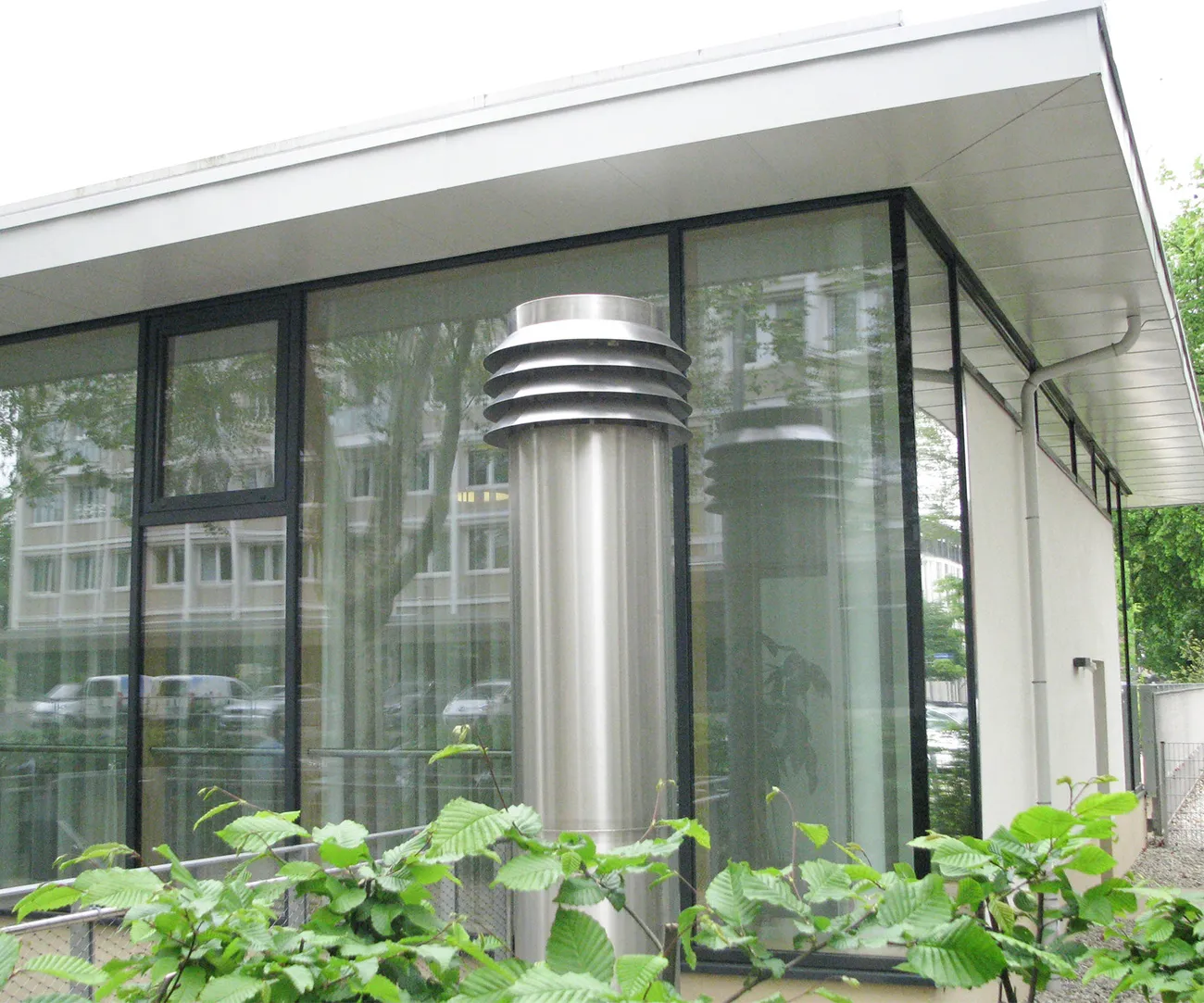
The AWADUKT Thermo earth-to-air heat exchanger system supplies the building with fresh outdoor air that is preheated or cooled, without unpleasant odours. This is an efficient, sustainable way to bring fresh air indoors. Outdoor air is drawn in, filtered and cleaned, then channelled into the building through a pipe system installed underground.
An important component of healthy building ventilation
All the outdoor air drawn in is conveyed through supply pipes from the intake tower into the building. The finish on the inside of the pipes is crucial to preserving air quality. Condensation forms inside the pipes, where microscopic particles in the air can adhere and lead to bacterial growth. The rougher the inner surface, the greater the risk of bacterial growth. The inside walls of AWADUKT Thermo pipes are therefore smooth. They are also, uniquely on the market, coated with silver ions for antibacterial protection. This unique coating prevents bacterial growth and also stops the unpleasant odours it causes.
Saving energy with air
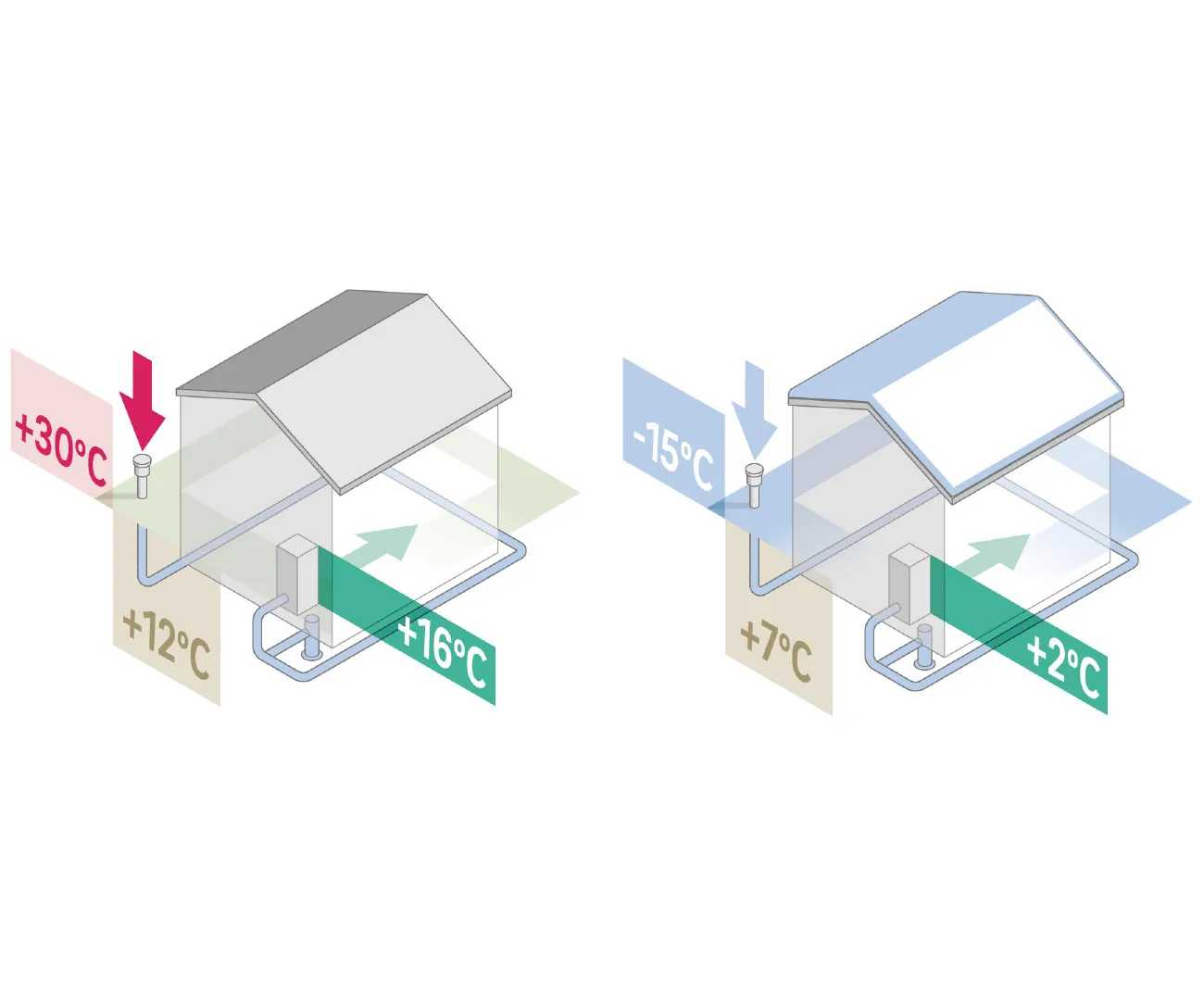
Energy can be saved by directing the incoming air through a network of pipes installed underground. A great deal of energy! At a depth of 1.50 to 2.50 metres, the ground temperature remains fairly constant in summer and winter, and that is the secret. In summer, the air is pre-cooled in this way, and in winter it is preheated. This means less intensive supplementary heating or cooling is needed. A sustainable way to save a great deal of energy.
Question about this story? Ask your question
Keep following this
Get an email when a new story is published. No account needed.
- SubjectHVAC