










Renovation of FIOD building aligns with Rijksvastgoedbedrijf policy
Text Henk GeistPhotography MVSA/Parallel
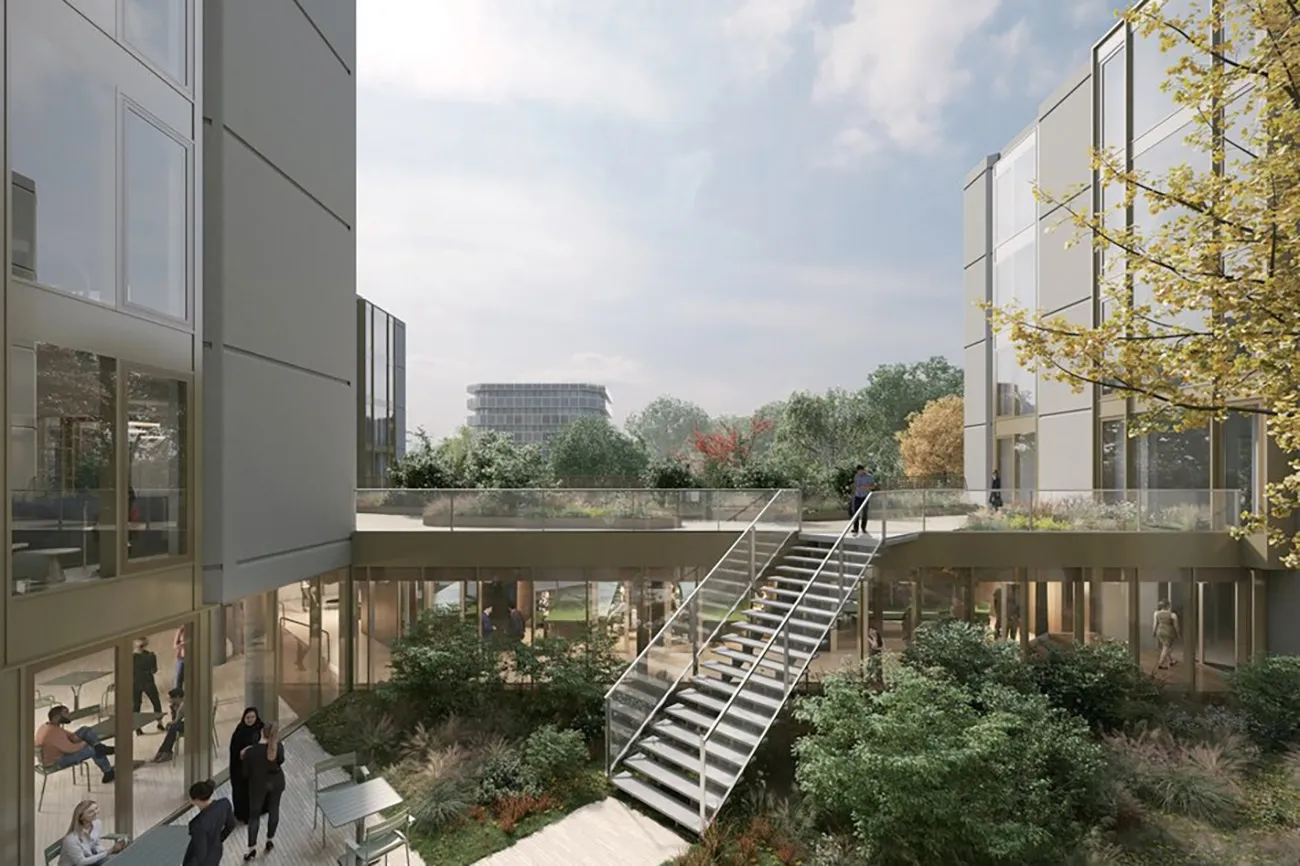
After the FIOD (Fiscal Information and Investigation Service) moved to Amsterdam, the Rijksvastgoedbedrijf (RVB) was faced with the question of what to do with the vacated building in Haarlem.
RVB sets stricter circularity requirements
“We had to weigh up our options: should we sell it, demolish it or renovate it?” says Remko Liekelema, project manager at the RVB. “At the same time, it became clear that Rijkswaterstaat, which rented a building nearby in Haarlem, was looking for new premises because its lease was coming to an end.” After consulting with Rijkswaterstaat, it was decided to take a look at the FIOD building. “Rijkswaterstaat was very critical, because it was an outdated, gloomy building and the surroundings were untidy too. But then plans for the area’s development in this part of Schalkwijk got under way, and Rijkswaterstaat liked the look of them. We were then able to bring the organisation on board with reuse and sustainability improvements.”
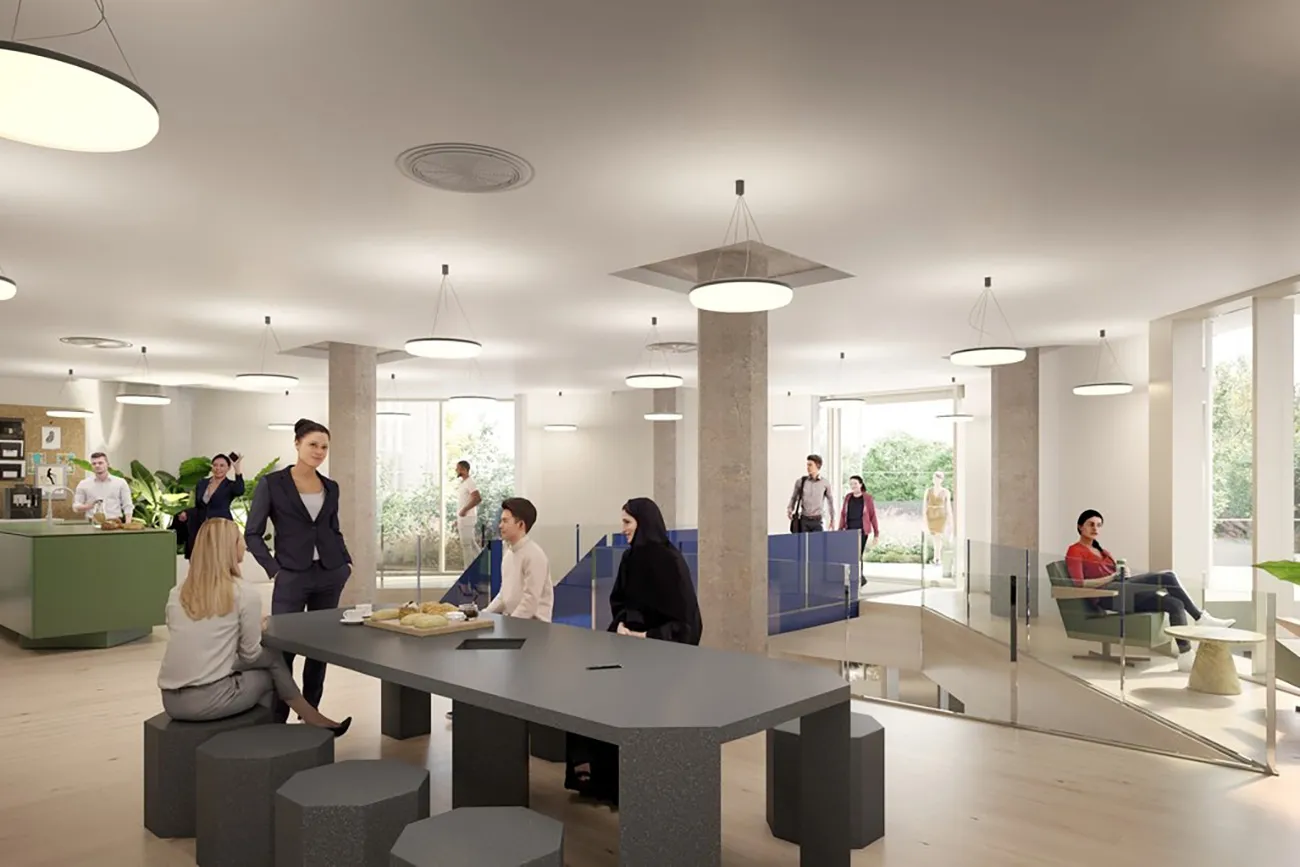
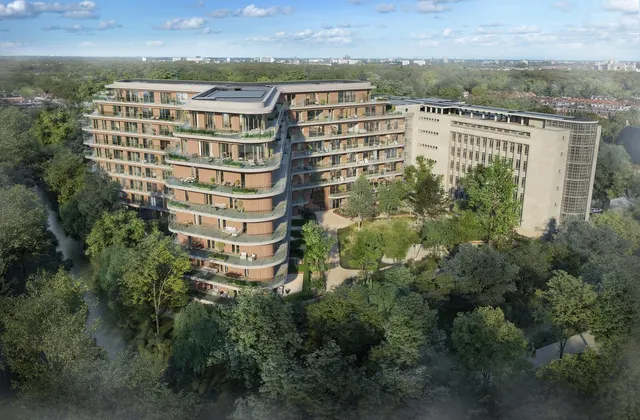
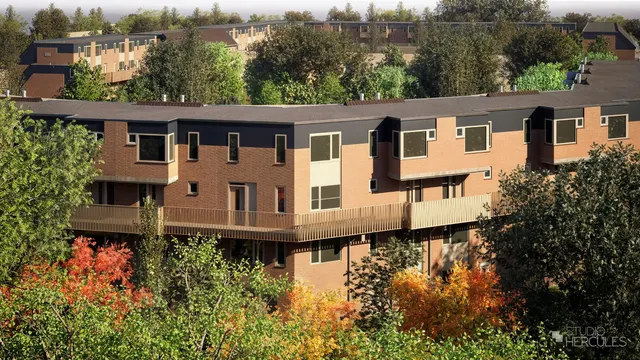
As part of this area development, the outdated Schalkwijk Midden office district is being transformed into the ‘City Among the Trees’, with many offices making way for apartment buildings set among greenery. The area will have a mix of uses. Liekelema says: “Our brief to the market also included a small ground-floor extension to the building. Rijkswaterstaat wanted a space where people could easily meet, hold meetings and have lunch. Several proposals were submitted, some of which also involved partial demolition. BAM’s proposal was the most focused on reuse and circularity, and was highly efficient. It also fits in well with RVB policy.”
From 2023, the RVB has set stricter circularity requirements for the procurement of all new-build, maintenance and renovation projects. The aim is to halve the use of non-sustainable materials such as concrete, steel and bricks by 2030. “To achieve this, we apply the materials triad: avoid unnecessary construction, use building materials that have a low environmental impact, and enable circular management through design.” During construction, a mock-up of the new office environment was created. “We invited everyone to assess it. Staff said they could see themselves working there. That was the best compliment.”
Question about this story? Ask your question
Keep following this
Get an email when a new story is published. No account needed.
- SubjectRenovation & conversion