










Plastic frames made from 100% recycled material
Text Henk GeistPhotography Schipper Kozijnen
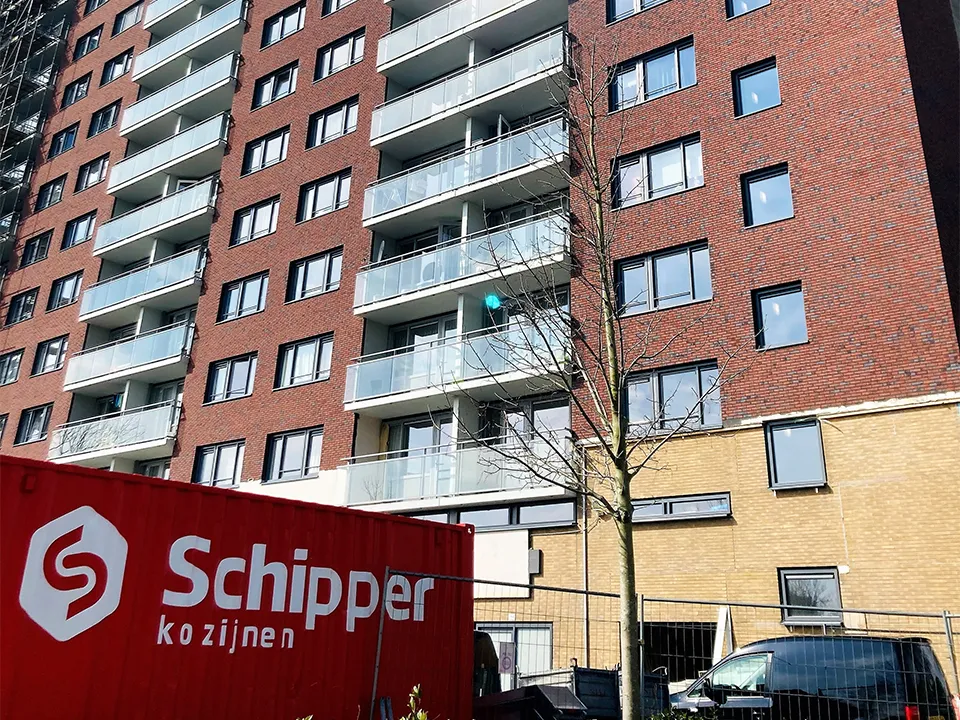
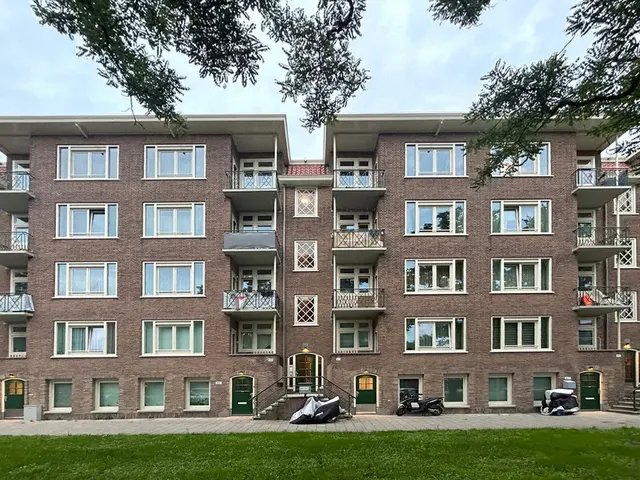
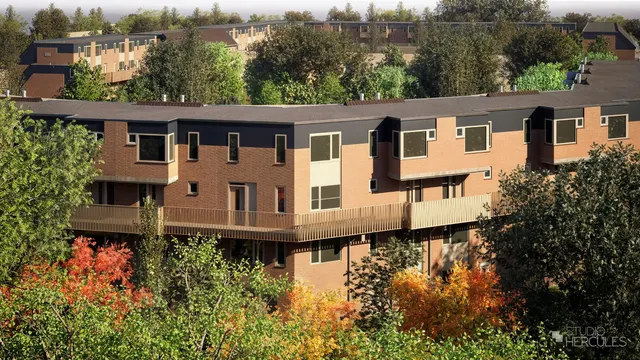
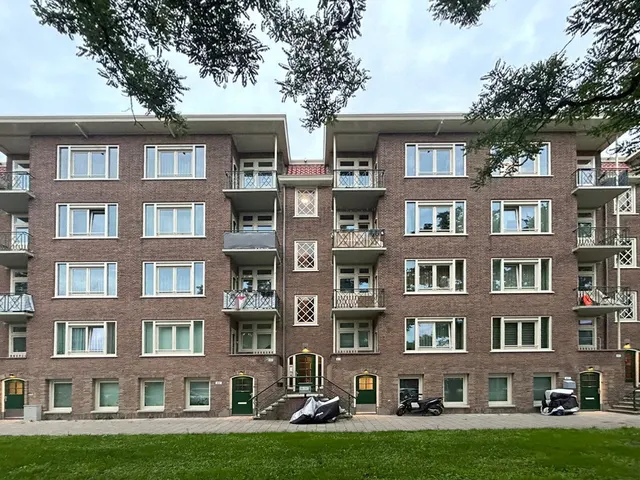
As one of Hemubo’s supply chain partners, Schipper Kozijnen has been involved from the outset in the renovation of the four gallery flats in Wheermolen-Oost, Purmerend.
“We work closely with Hemubo and DOOR Architecten, and are actively involved in the early stages of projects,” says Jappe Dekker, Head of Sales, Business Market at Schipper Kozijnen.
“We contribute to the design, offer advice and work together on the installation plan. We welcome the challenge each time of finding the most sustainable and efficient façade solution together, and continually improving our work. From the outset, it was clear that circularity was a key priority.”
A second life
What makes the project in Purmerend unique is that it features 100% recycled K-VISION frames. “Schipper Kozijnen supplied and installed the old plastic frames during a renovation in the 1980s. How remarkable that we are now replacing and processing these frames ourselves. We have given them a second life, quite literally closing the loop. It is a real first. Many plastic-frame suppliers already use some recycled material, but never before have frames been made from 100% recycled material.”
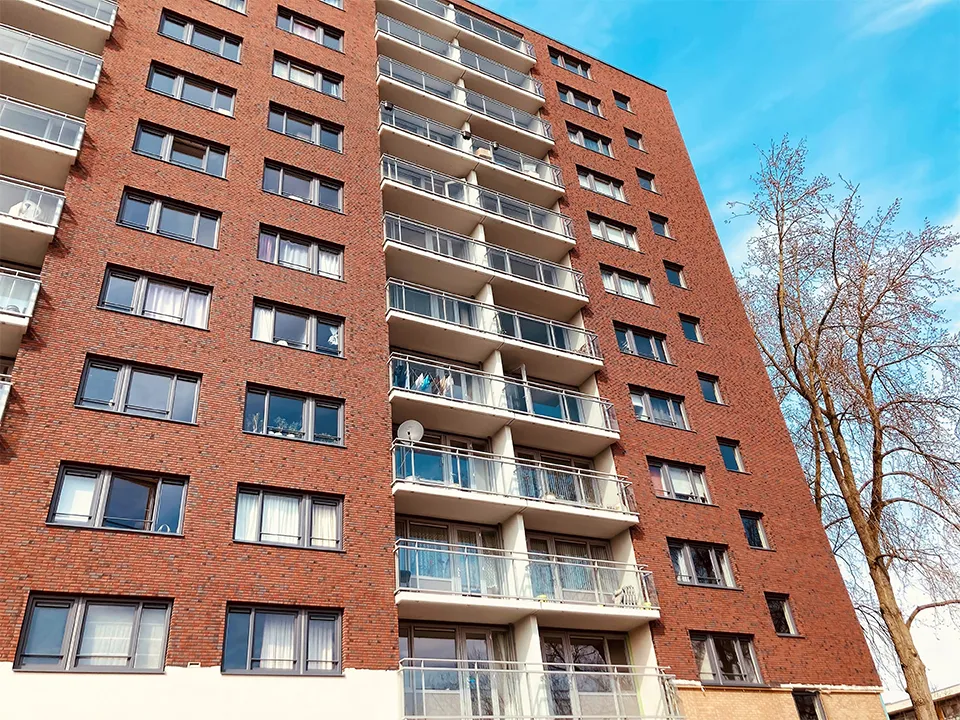
Innovative colouring system
The recycled frames meet the applicable quality and insulation requirements. Dekker: “They carry all the required quality marks and certificates. After extensive testing during production and finishing, we succeeded in making a profile from 100% recycled material. To ensure the UV resistance of recycled profiles and give them a premium matt look and feel, they are coated all around with the innovative proCoverTec colouring system. This coating also helps prevent soot from sticking, making the frames maintenance-free.”
Dekker assures us that the recycled frames have a service life of at least 50 years. “But even then, they can be fully recycled again. The material can be recycled up to ten times. Add that up and they can easily last for several hundred years. This also means significant savings in raw materials and costs.”
The next step
After the glass, hardware and other steel components were removed, the old plastic frames were ground into granulate, which was used to make entirely new profiles. Some of the flats also still had timber frames. These were reused as the base for the subframes. The glass is already recycled, but is not yet reused in the frames. “That should be the next step. We are currently at an advanced stage of discussions with partners to extend the circular supply chain to include this.”
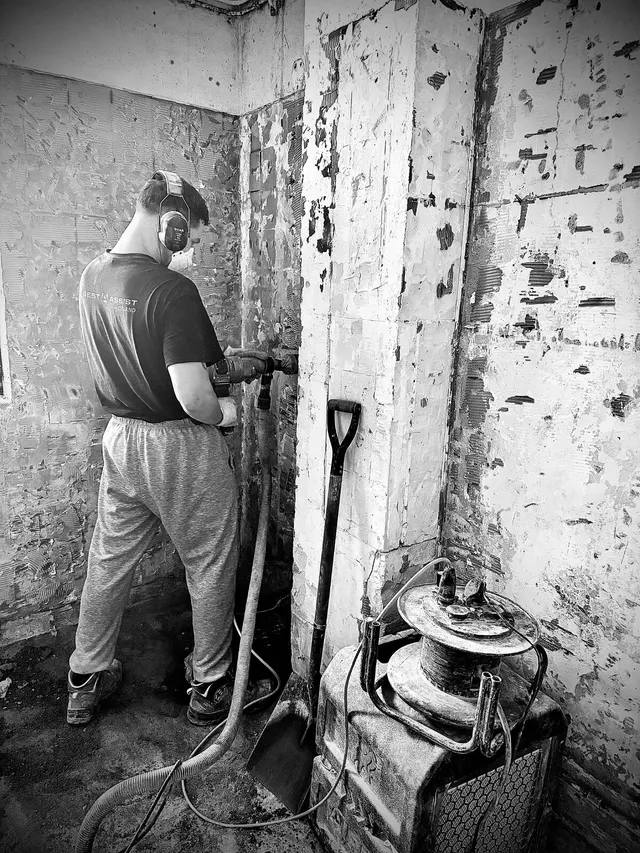
Schipper Kozijnen also actively involved residents in the project. Dekker: “We showed them in advance which frames they would be getting. We also explained how we would carry out the replacement. In addition, we offered a bespoke solution for the blinds, insect screens and net curtains on the inside. This is how we aim to minimise disruption for residents.”
Question about this story? Ask your question
Who worked on it
Wheermolen-Oost in Purmerend
- supply chain partnerHemubo
- architectDOOR Architecten
- uPVC window framesSchipper Kozijnen
Keep following this
Bij een nieuw verhaal krijg je een e-mail. Geen account nodig.
- ProjectWheermolen-Oost
- SubjectRenovation & conversion
- CompanyHemubo
- CompanyDOOR Architecten
- CompanySchipper Kozijnen