Greater comfort and lower housing costs through energy-efficiency improvements
Text Johan DebaerePhotography Nijhuis Bouw B.V.
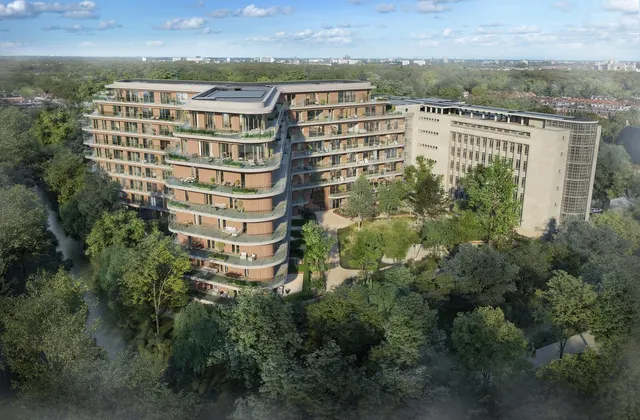
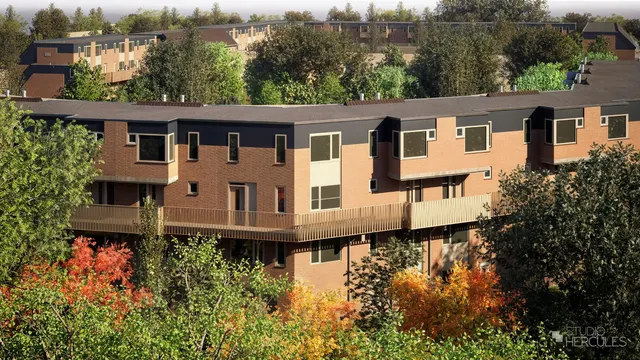
For some time now, housing association de Alliantie has been making a major commitment to improving the energy performance of homes, working with municipalities, contractors, housing associations, building owners, network operators and residents. This includes homes in Amersfoort.
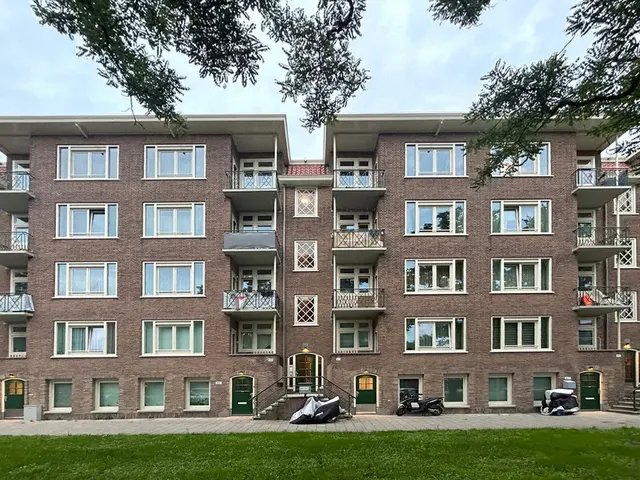
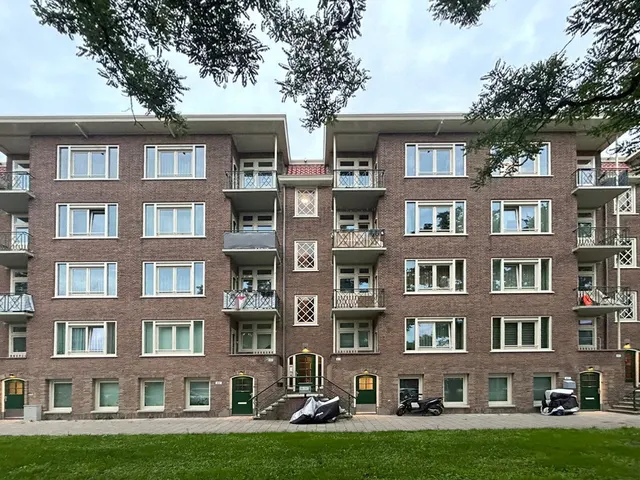
Nijhuis Bouw B.V., one of de Alliantie’s regular construction partners for its E-Sequent renovation projects, is currently improving the energy performance of 91 homes on the Dierenpaden in the Leusderkwartier district.
Insulation and more
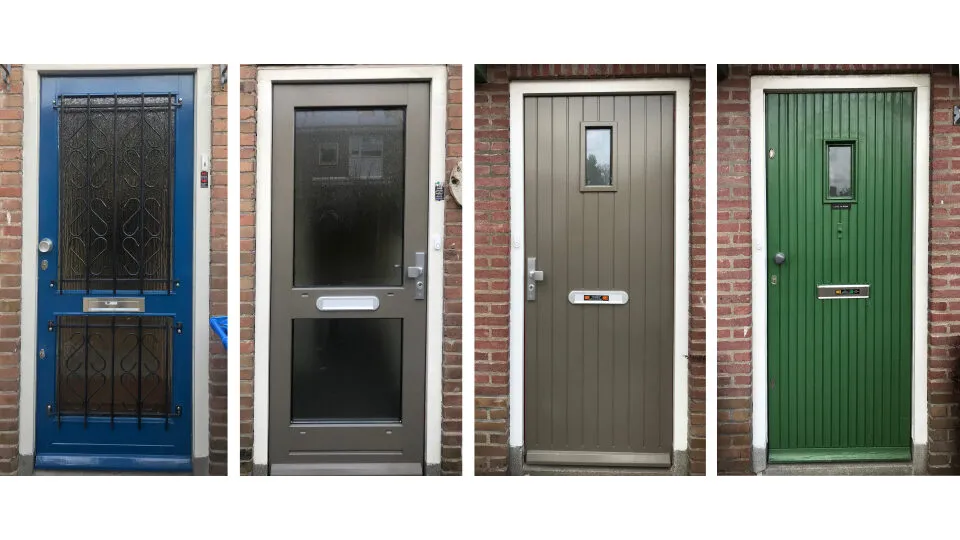
Soesterkwartier, Kruiskamp, Liendert, Schuilenburg, to name just a few: these are some of the Amersfoort neighbourhoods where homes owned by de Alliantie have recently undergone energy-efficiency improvements. The work not only makes the homes more comfortable, but also reduces housing costs and contributes to a more sustainable world. “As one of the housing association’s regular partners, we have already worked on a number of homes. Now it is the turn of 91 homes on the Dierenpaden in the Leusderkwartier,” says Arno Dankers, project manager at Nijhuis Bouw. “We first looked at what improvements we could make in this pre-war neighbourhood. Roofs, façades and floors are being better insulated. We are replacing roof tiles, window frames and glazing, and significantly improving the indoor climate by installing demand-controlled ventilation with CO2 sensors. Smoke detectors are being installed to improve fire safety, and we are fitting solar panels on the roofs.”
Renovating while protecting nature
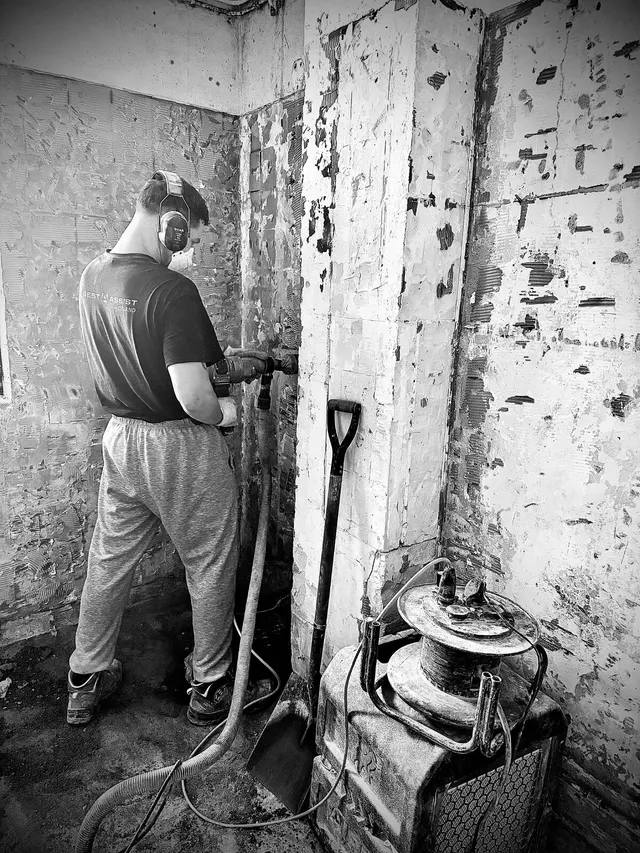
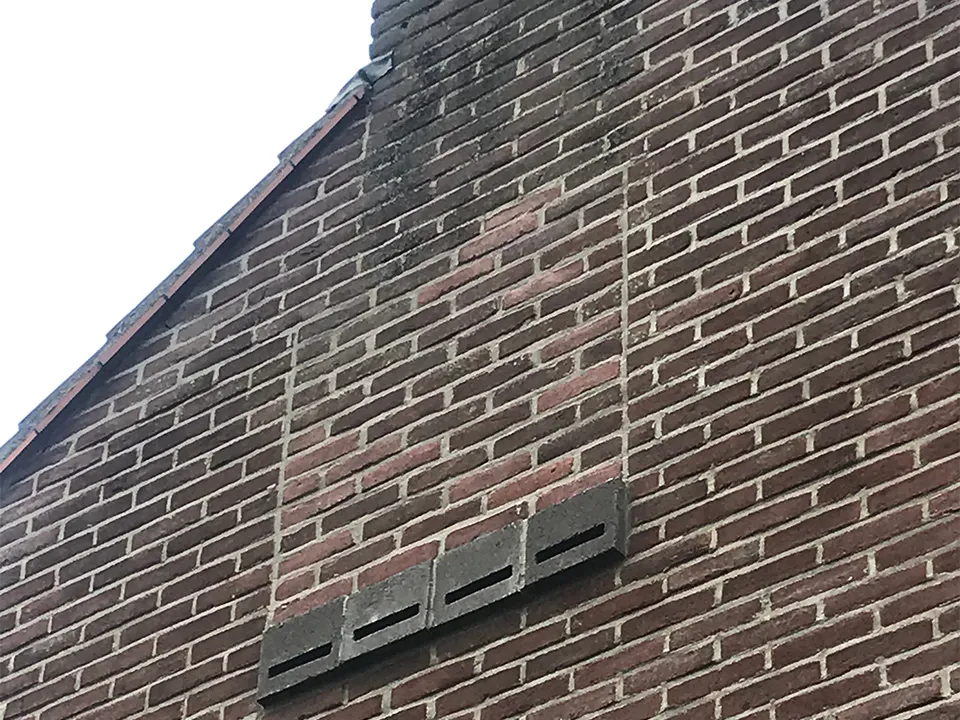
Improving the energy performance of the homes benefits more than just people. Wildlife benefits too. The construction partners carrying out this renovation must comply with the applicable flora and fauna regulations. “Our experience also enables us at Nijhuis Bouw to provide the necessary advice on this. This project on the Dierenpaden is a good example. During the preparation phase, we analysed all the flora and fauna in the neighbourhood. We decided to create permanent nesting sites for the various bird species and to integrate permanent bat boxes into the gable ends,” Dankers concludes. “As a renovation specialist, this kind of project is right up our street. We started in November 2020, and the work is due to be completed in October this year. As these are occupied family homes, clear agreements between the construction partners and with the residents are crucial.”
Question about this story? Ask your question
Keep following this
Get an email when a new story is published. No account needed.
- SubjectRenovation & conversion