3 simple measures to manage ever-rising energy costs
Text Rite-HitePhotography Rite-Hite
According to NVM, there were 1,930 warehouses in the Netherlands in 2018, with a total floor area of 31.3 million square metres. That figure has continued to rise in recent years. Most warehouses focus on stock management, with particular attention to picking and dispatching orders. The pressure from the ever-increasing number of online orders continues to grow, and costs can easily be overlooked as a result. Cooling, lighting, countless journeys and lifting movements: warehouses consume a vast amount of energy.
At the same time, we are all facing an unprecedented rise in energy prices. Sooner or later, warehouse managers will need to optimise not only their income, but also develop firm plans to curb energy consumption. Rite-Hite is not only an expert in minimising risks at the loading bay, but has also been developing solutions for an optimal indoor climate for years. The company shares three areas where significant savings can be made.
1. Ensure a tight seal at the loading bay
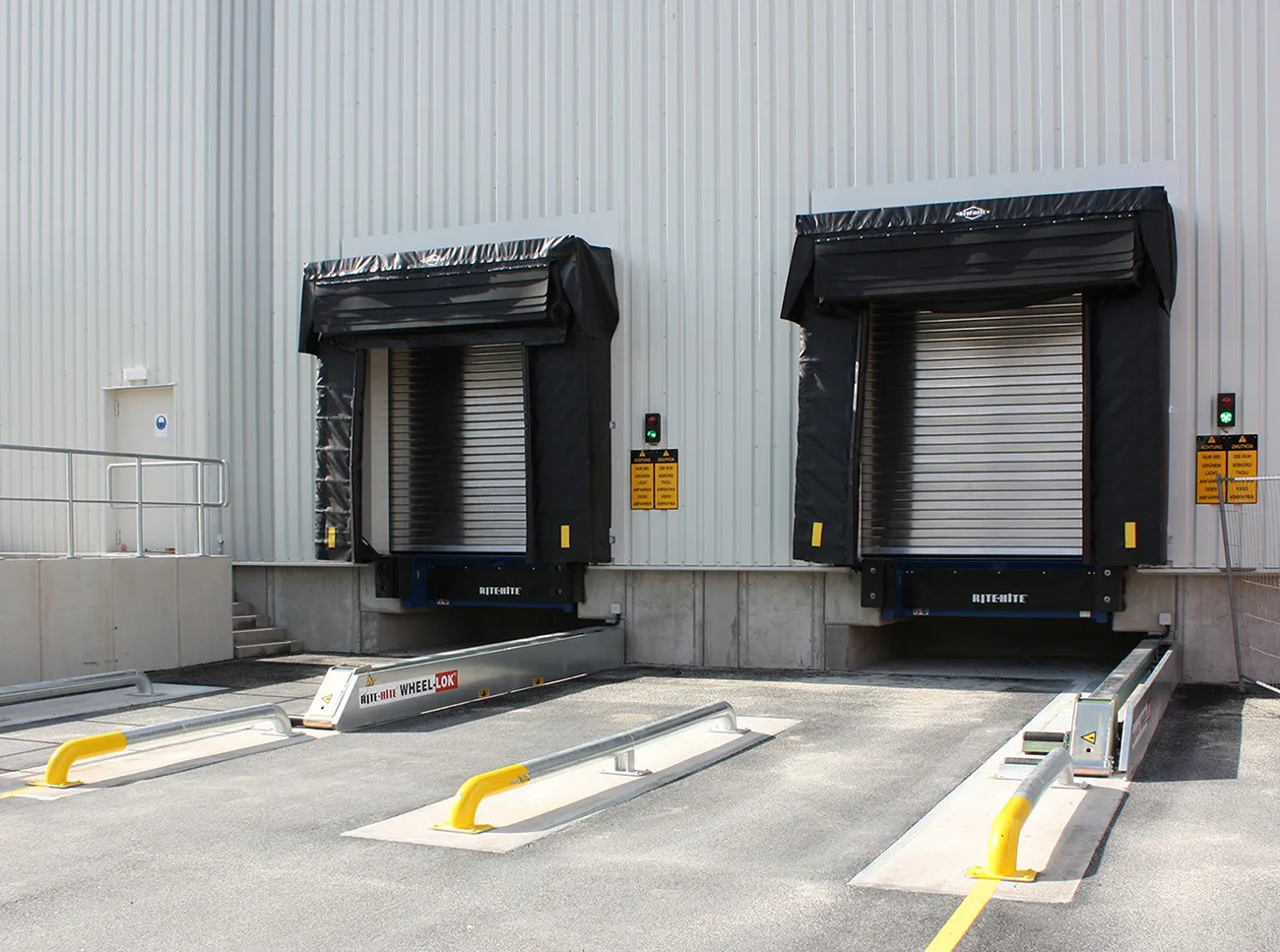
Loading and unloading can consume a great deal of energy if dock shelters do not provide an adequate seal. Most dock shelters enclose a trailer along its sides, bottom and top, but the corners remain partly or entirely open. Or there may still be a few gaps. They may not look like much, but studies show that these small openings can result in annual energy losses worth between €1,400 and €3,000 per loading bay! This alone is reason to choose the best-sealing dock shelters available, such as Rite-Hite's Eclipse.
2. Choose fans that optimise the destratification process
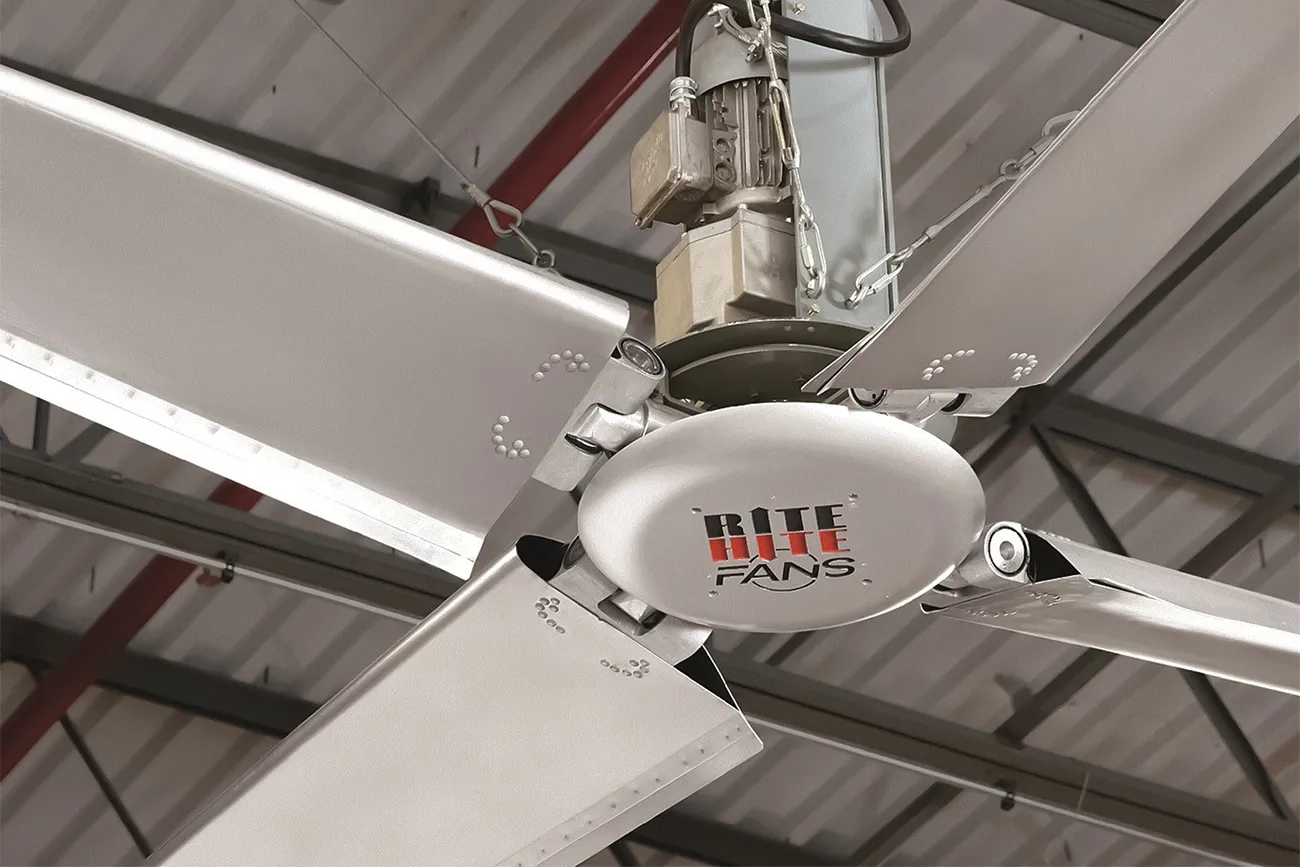
Whatever the type of warehouse, HVLS fans (with large blades and low speeds) can offer many benefits. They consume less energy than traditional, faster fans, but above all they help with destratification. This means they create an even temperature throughout the warehouse by mixing warm air with cool air. The problem is that heated air rises towards the ceiling, leaving your employees working in the cold below. HVLS fans eliminate these temperature differences without the need to adjust the heating controls. They can even reduce energy consumption by up to 30%.
3. Industrial doors need to be fast above all
Doors help maintain a good indoor climate not only at the loading bay. Forklifts and warehouse trucks often travel from one hall to another, and high-speed doors need to let them through quickly without causing temperature fluctuations. This is particularly important in applications where certain areas need to be kept cool, for example in food environments. Every fraction of a second that a door closes sooner saves energy.
Rite-Hite staff can carry out an on-site survey to identify where further improvements can be made. A small investment can often bring an unexpected benefit!
Question about this story? Ask your question
Keep following this
Get an email when a new story is published. No account needed.
- SubjectYearbook