









Modular homes, Creating Dreams, Building Hearts
Text Liliane VerwooldePhotography Cojan van Toor
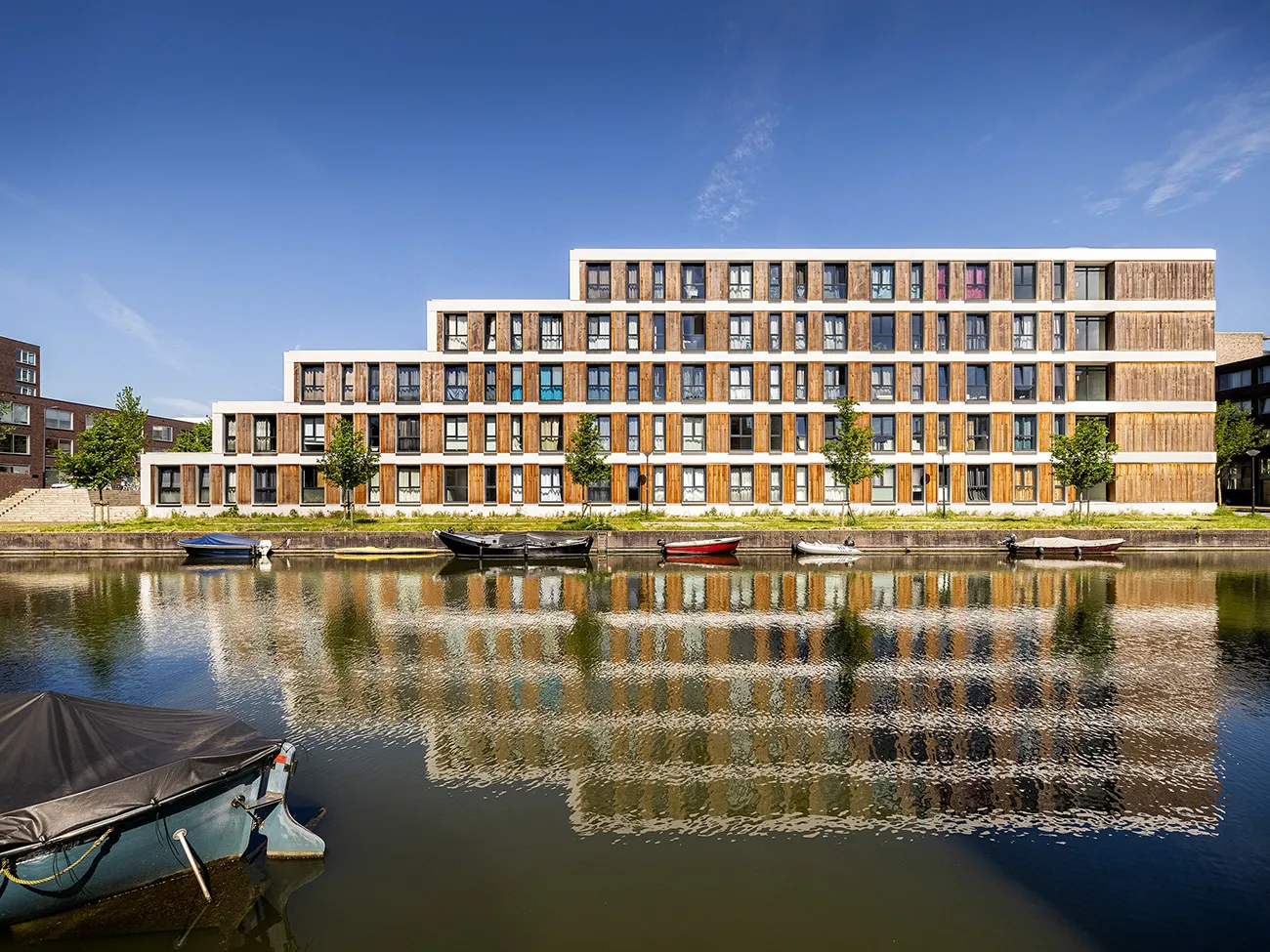
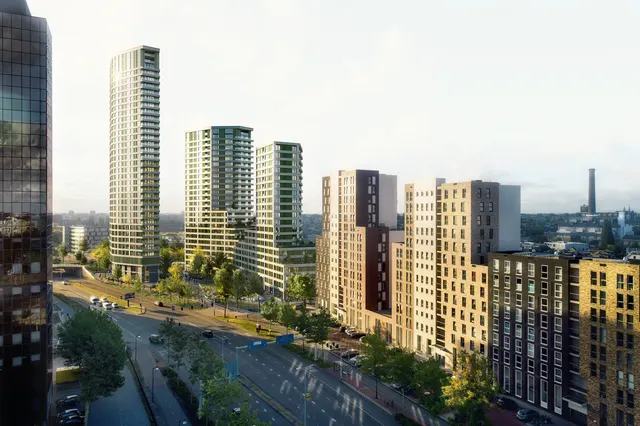
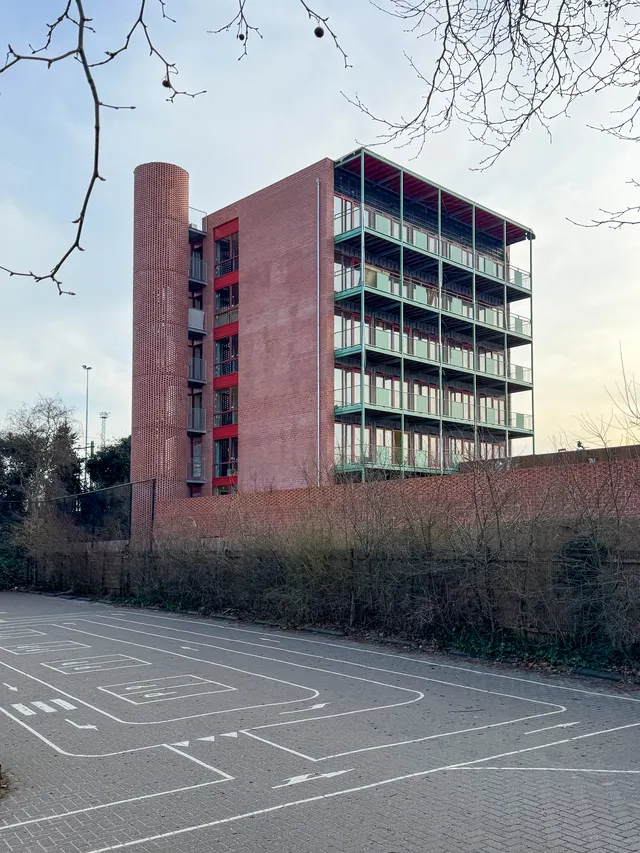
Homes by Daiwa House Modular Europe can be built at a blistering pace. At the same time, they are high-quality, comfortable, sustainable and safe. This makes Daiwa House Modular Europe’s modular homes the ideal solution to our housing problems. The solution remains ideal even when the homes are no longer needed. In that case, the circular homes are dismantled and reused.
At Daiwa House Modular Europe, the expertise of Jan Snel and Daiwa House Group come together. With more than 60 years of experience, the organisations are making a difference through modular and circular construction. Jan Snel delivers every type of modular, sustainable building solution other than housing, including schools, offices and care facilities. Daiwa House Modular Europe is Europe’s largest industrial housebuilder, delivering student accommodation, apartments, homes for first-time buyers, older people and families.
High quality. Fast. Sustainable.
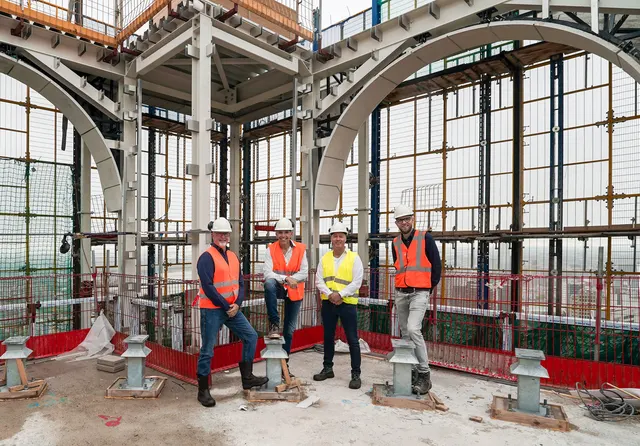
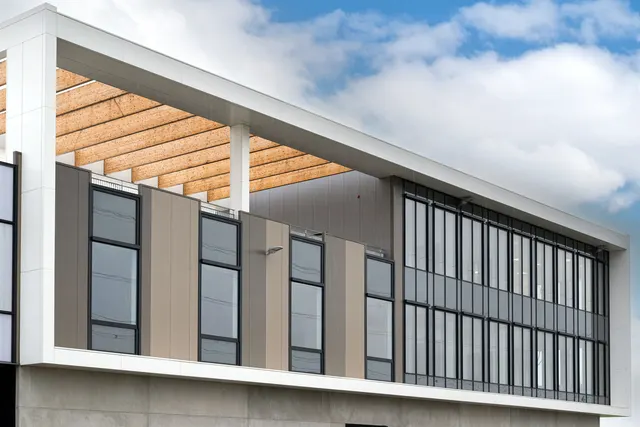
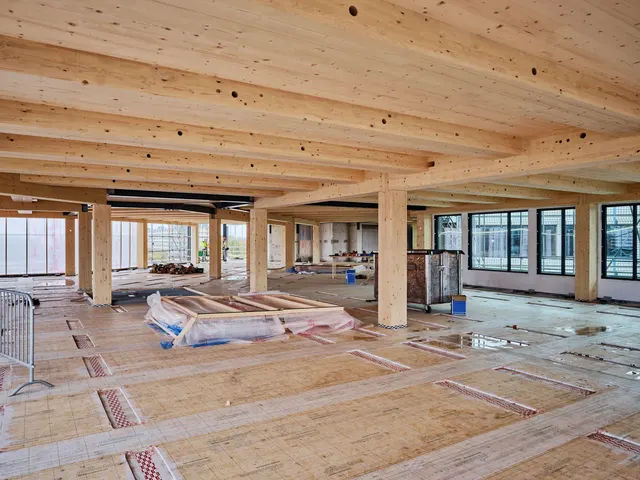
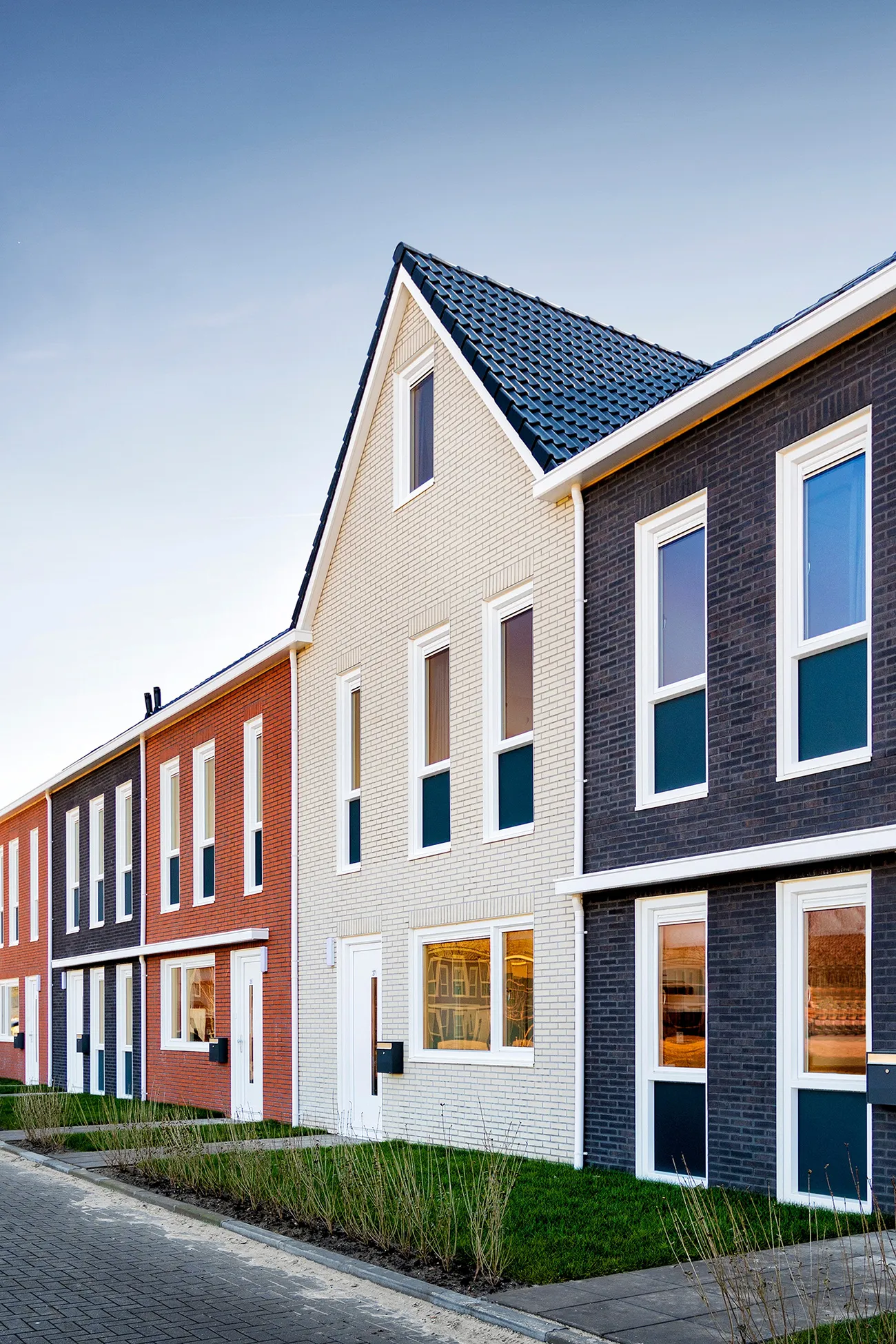
A closer look at Daiwa House Modular Europe reveals that the housebuilder differs from many of its peers in several respects. For example, the homes are fully prefabricated in its own production halls. This brings impressive benefits. “The industrial processes take place in controlled conditions, ensuring high quality,” says Head of Marketing & Communication Michiel Gieben. “Thanks to our industrial approach, production is 50% faster than with traditional construction. What’s more, all the materials used, steel for the structure, timber for the walls and concrete for the floors, are sustainable and recyclable. If the homes are no longer needed, all the modules can be dismantled and used again.”
Ready to go
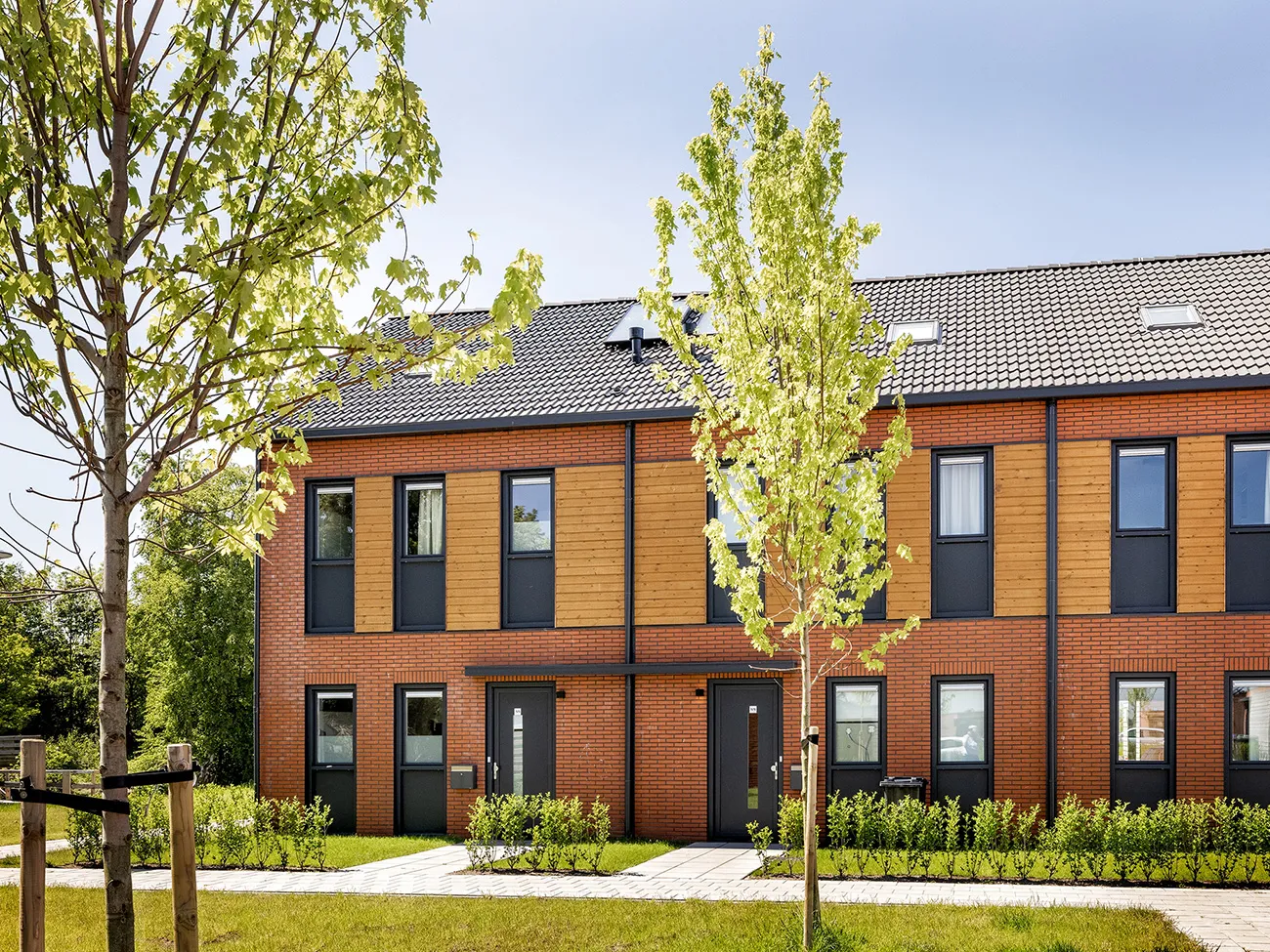
The secret lies in the extensive industrial manufacturing process. Once the ready-made modules are prepared in the production hall for a building project, things move quickly. They are transported by lorry to the site, placed in the right position and order, and connected on a plug-and-play basis. Gieben says: “Once a building project is under way, lorries arrive every half hour. Because we do as much as possible in the factory, with window frames already fitted and glazed, kitchens and bathrooms tiled and fitted out, and floors and walls finished, the pace can reach several homes a day. That means six hundred student homes in four months, with a minimum number of labour hours on site.”
Earthquake-resistant
The quality of these modular homes is perhaps best demonstrated in Groningen. Here, homeowners affected by earthquakes are allocated temporary modular homes by the National Coordinator Groningen during major renovation works. “People find them so comfortable and safe that they don’t want to move back,” says Gieben. “The homes are gas-free. They can be connected to the district heating network, fitted with solar panels or equipped with a heat pump.”
Original and innovative
However well thought-out the concept may be, the homes are a far cry from boring, cookie-cutter designs. Clients and architects choose the colours of their façades, tiling and wall finishes. “For us, it’s a tried-and-tested concept. We’ve been doing this for sixty years and have tackled every problem. At the same time, modular construction is still new and unfamiliar to many organisations, even though it offers a solution to so many of the problems we face today.”
Question about this story? Ask your question
Keep following this
Get an email when a new story is published. No account needed.
- SubjectYearbook