Sustainable setting frames for Wonderwoods’ green towers
Text Lieke van ZuilekomPhotography Wonderwoods VOF
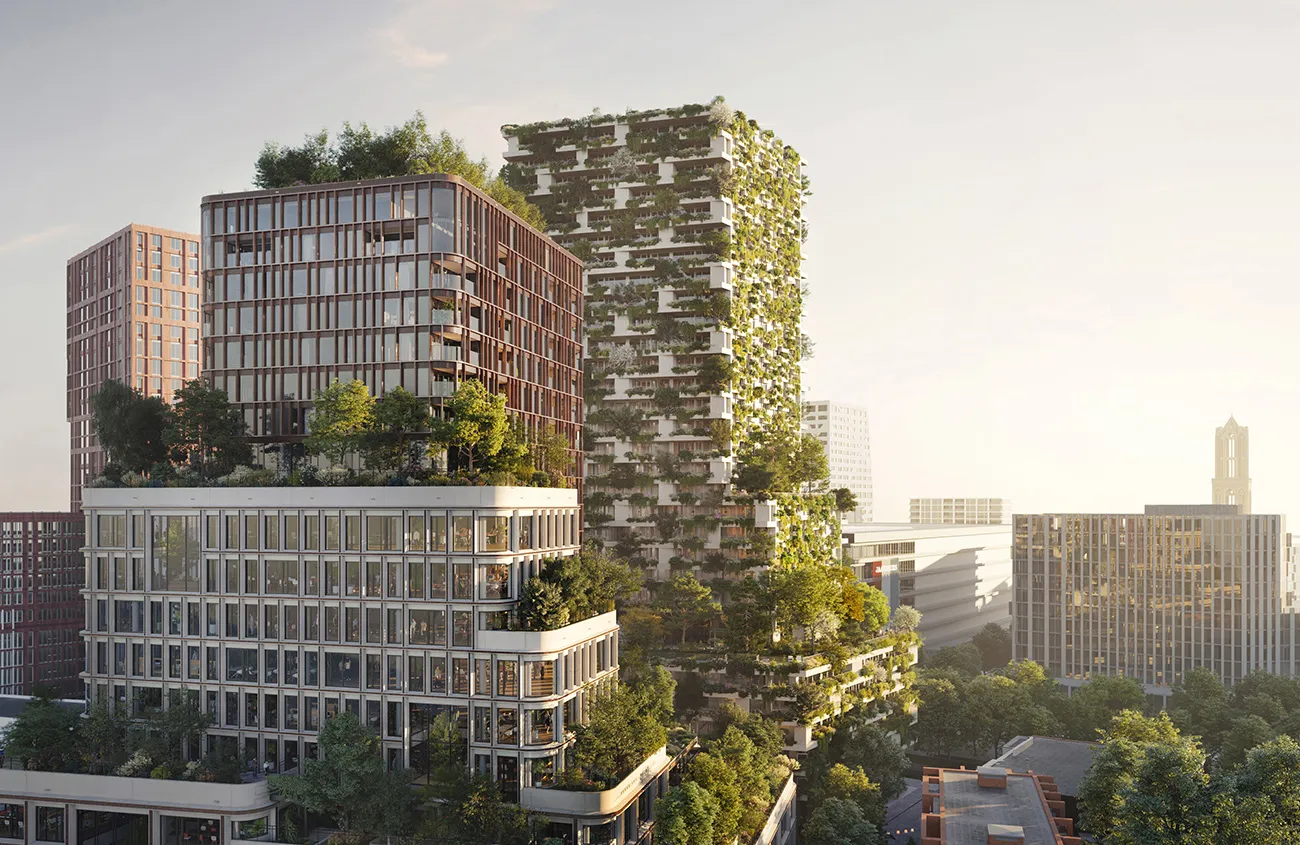
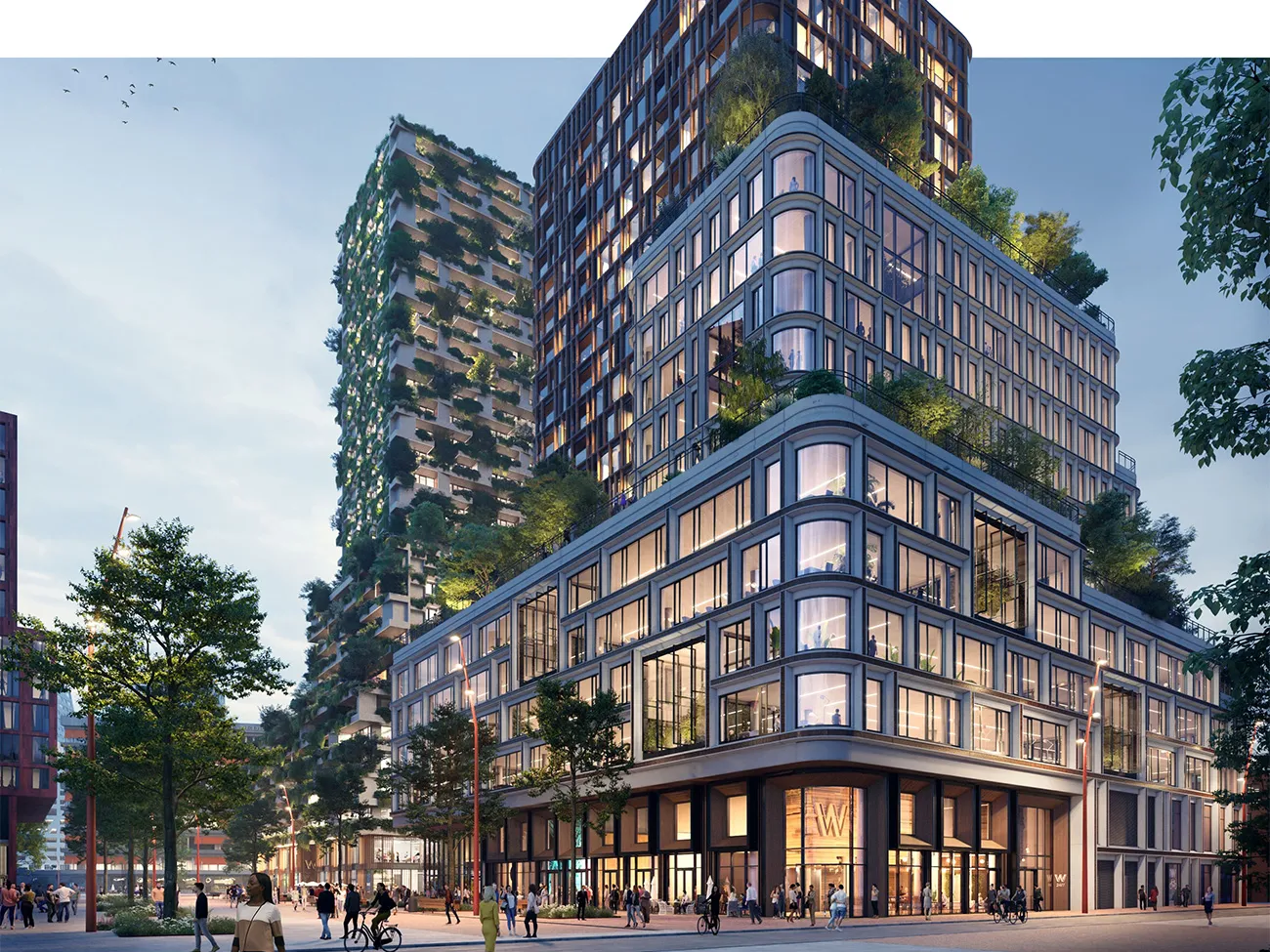
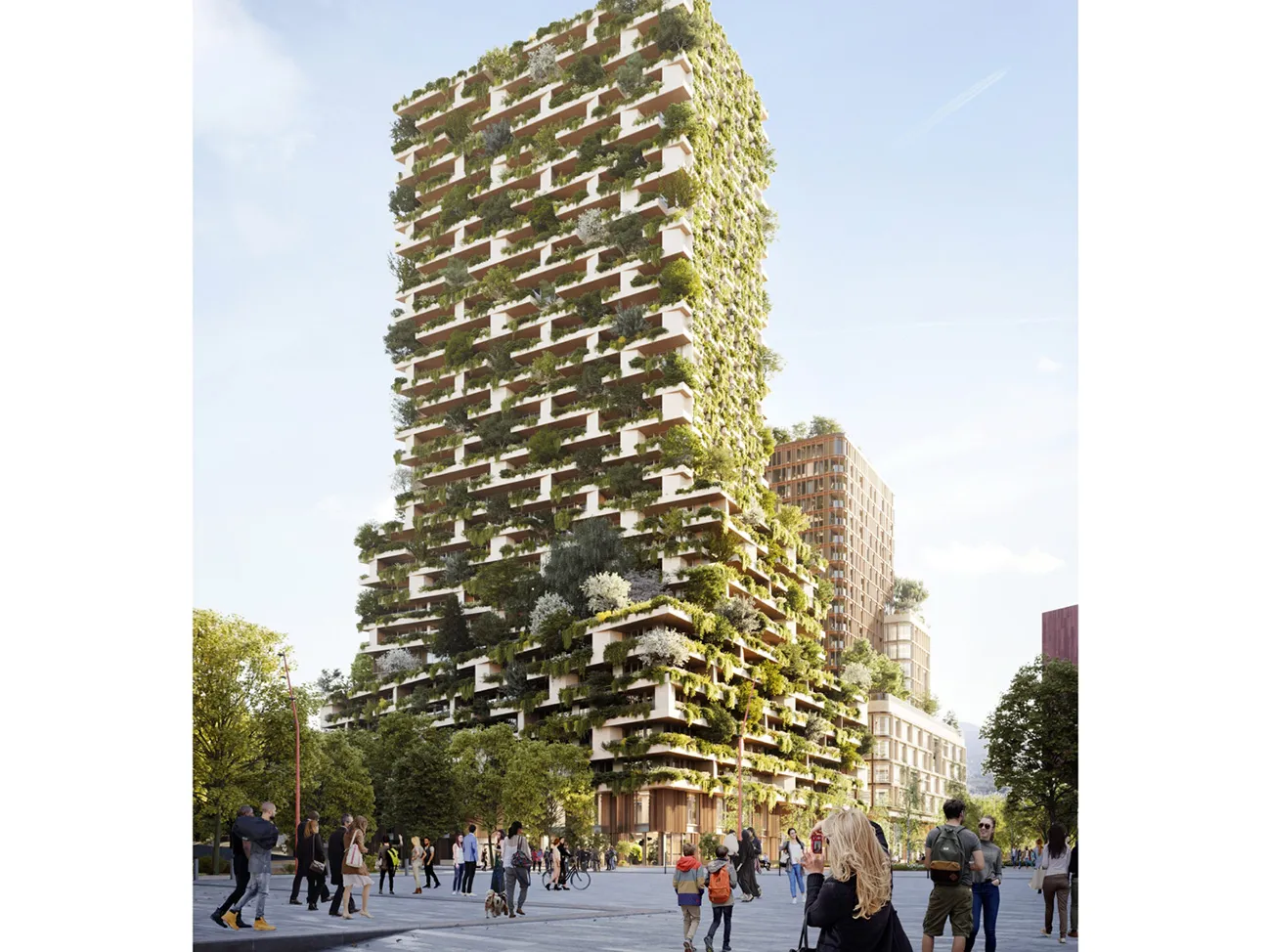
In Utrecht, Construction Care B.V. is helping to build the ‘healthy city’ on behalf of construction consortium Wonderwoods VOF (Kondor Wessels Amsterdam | Boele & van Eesteren). The Wonderwoods project comprises two green towers, 105 and 70 metres high, connected by an underground car park. With a combined floor area of around 81,000 m2 and a BREEAM ‘Excellent’ ambition for the offices, the sustainable towers will give the Jaarbeurskwartier a positive new look.
Based in Nigtevecht, Construction Care manufactures and supplies high-quality plastic setting frames and cast-in frames, primarily for major construction companies. “Our relationships often start with the building contractor, who increasingly builds using prefabricated (sandwich) concrete,” says Managing Director Freek Drop. “Plastic setting frames are an increasingly popular choice for these projects, offering major advantages over materials such as traditional timber. These benefits apply during manufacture and installation, as well as throughout the building’s lifetime.”
Stability and reliability
Choosing Construction Care’s plastic setting frames means choosing stability and reliability. “They also deliver excellent performance in terms of wind and water tightness, fire safety and sustainability,” says Drop. “Our setting frames are unaffected by moisture and cannot rot or develop mould. Their high quality is maintained at all times, even if the cavity remains open for a little longer. A closed-loop manufacturing process, in which waste material is actively collected, ground down and extruded into new profiles, takes these sustainable qualities to the highest level.”
The cast-in frames are guaranteed to be UV-resistant and comply with fire class B (difficult to ignite and flame-retardant).
Close coordination
All Construction Care plastic setting frames are supplied ready to install and made precisely to size. “Close coordination is essential to ensure a perfect fit and airtightness and watertightness,” Drop stresses. “The Wonderwoods project is a perfect example of how this can be anticipated. We were involved two years before the project was awarded, contributing to the development of the façade detailing. We are also involved in the façade engineering, in both 2D and 3D, working closely with the construction consortium, structural engineer, concrete manufacturer and aluminium façade supplier. At an early stage, we supplied setting-frame material to the precast concrete factory for a mock-up. We also agreed the schedule in advance: when would the first setting frames be needed, in what quantities and in what sequence?”
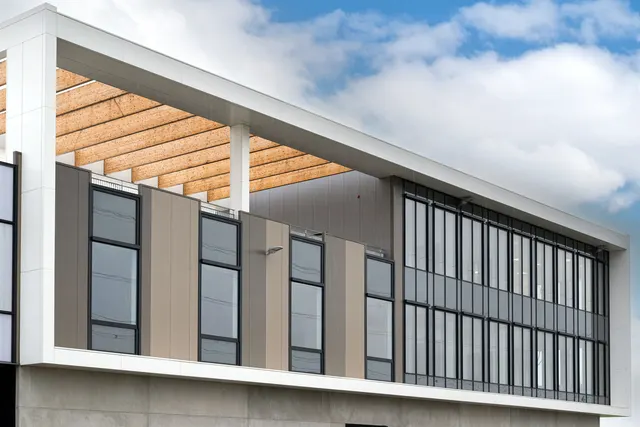
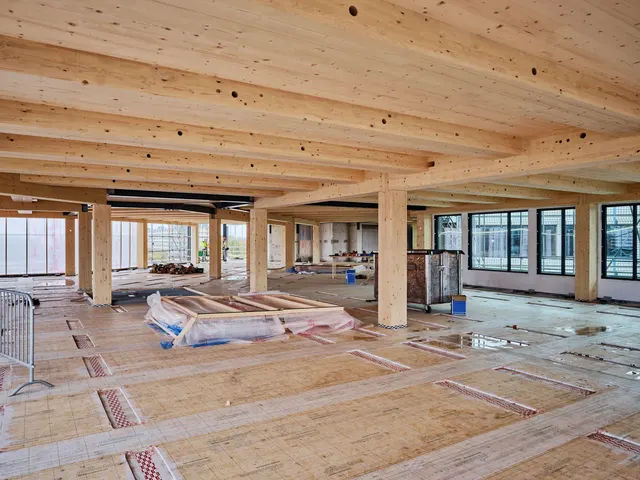
In March 2021, Construction Care was awarded the contract to manufacture and supply the plastic setting frames. “We had to deliver the first setting-frame elements just two months later.” The tallest tower, designed by Stefano Boeri Architetti, will have a combination of timber-frame construction on the long façades and prefabricated sandwich concrete on the short façades. “The windows in the short façades are anchored in our setting frames, which were supplied in five different sizes,” says Drop. He says the second tower, designed by MVSA Architects, presented a greater challenge, as all its sandwich concrete façade elements have plastic setting frames. “Virtually every plastic frame element is different. The production sequence also mixes up the dimensions. This placed specific demands on our deliveries, which we met very successfully.” In addition to the standard setting frames, Construction Care also supplied the curved corner elements. “That specialist component also went very smoothly.”
Optimal airtightness and watertightness
Construction Care manufactured and supplied a total of 750 setting frames for Wonderwoods, in sizes ranging from 2 x 2 to 8.5 x 2.66 metres. “The fully seamless setting frames were delivered just in time, complete with everything needed to cast them in airtight and watertight.” Drop cites the sealing tapes used to provide a durable seal at the front between the concrete and the setting frame. He also points to the cast-in tapes, which ensure airtightness and watertightness on the inside. “A plastic corner profile with an upstand creates a carefully designed water barrier along the top. This prevents any moisture that might nevertheless get into the cavity from running inwards over the top of the setting frame.”
Keeping a close eye on progress
The supply also includes an anchorage calculation. “For this, we work with our regular structural engineer, Klaas Schoustra of Arsycon Glas en Geveladvies. Based on factors including the selected profiles, installation details and frame weight per m2, we calculate exactly how and where our setting frames should be anchored. The calculation is submitted to the lead structural engineer for approval in advance. The positions of the cast-in anchors are also clearly marked on the setting frames, so they can be incorporated into the casting process without any problems.” Construction Care keeps a close eye on progress during this process too: is it moving faster or slower than expected, and what does that mean for deliveries? And are any setting frames being rejected because they are damaged or broken? “By identifying these issues in good time, we prevent work from grinding to a halt.” The final plastic frame elements elements were delivered at the end of August.
Question about this story? Ask your question
Keep following this
Get an email when a new story is published. No account needed.
- SubjectYearbook