










‘We turn every floor into a heating system’
Text Lieke van ZuilekomPhotography JK vloerverwarming
For more than 28 years, JK vloerverwarming has developed, manufactured and installed underfloor heating solutions based on low-temperature heating and high-temperature comfort cooling. “We are the specialist in underfloor heating for housing and commercial buildings, and the market leader in surface-ground and routed underfloor heating,” says Rudi Maagdelijn, business manager for the Netherlands. “But we are also well equipped to staple or tie underfloor heating systems in large-scale projects. From our base in Ede, and with around 50 specialist employees, we carry out projects in the Netherlands and abroad. Our clients and end users can count on excellent quality and service.”
Existing concrete and tiled floors
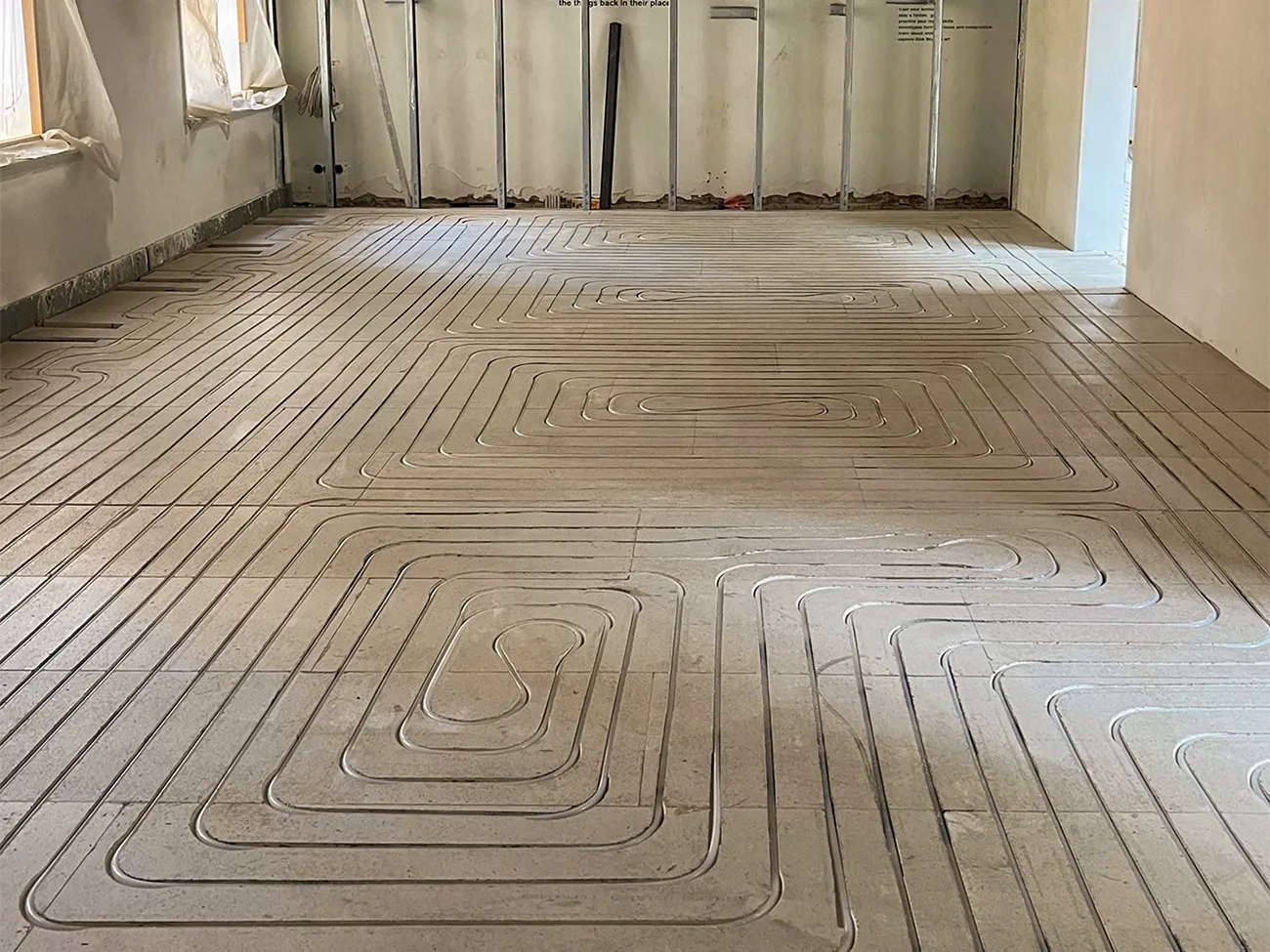
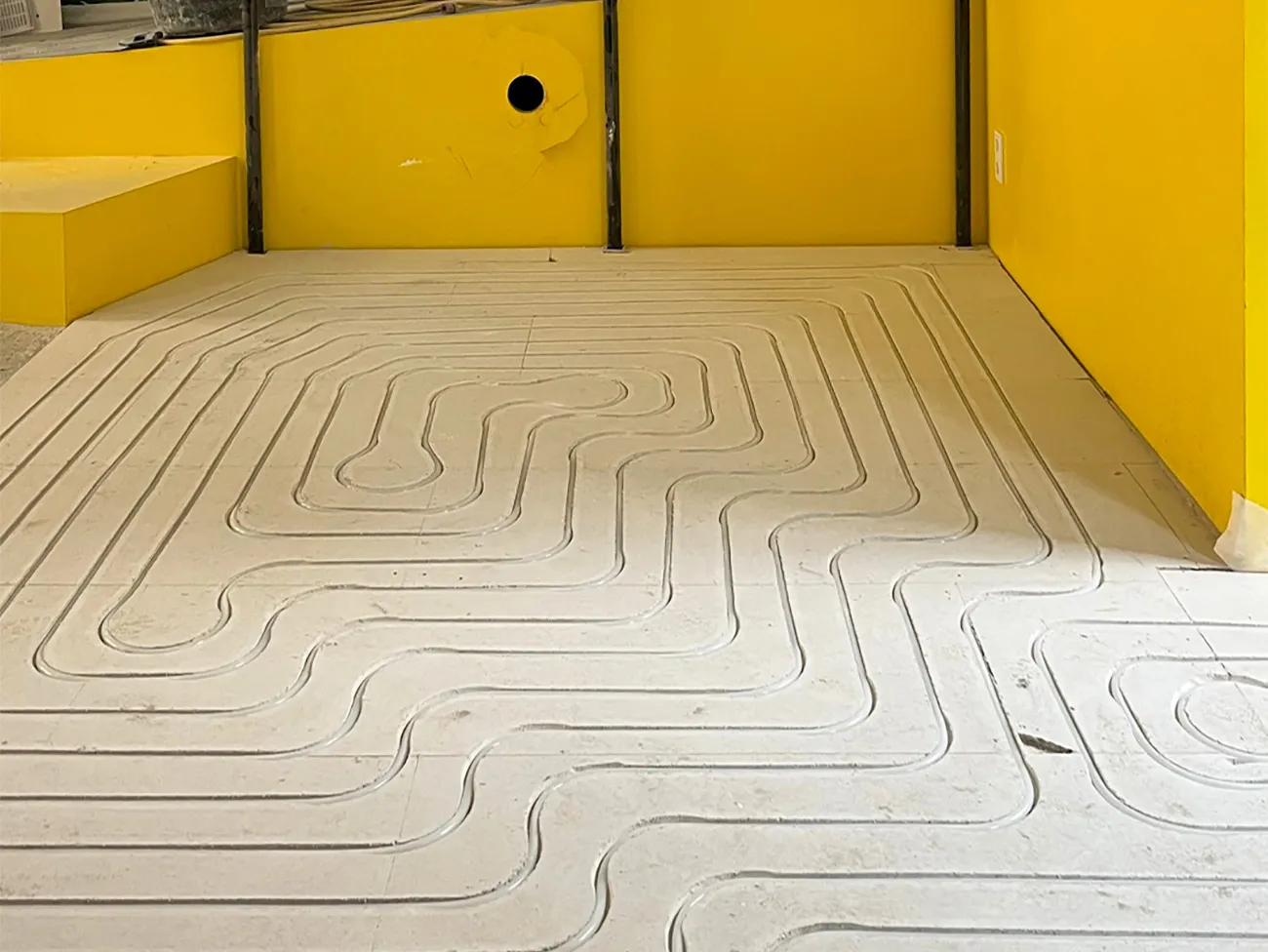
JK vloerverwarming was founded in 1994, when its director and founder Hein Janssen introduced a patented grinding machine for existing floors: the JK floorgrinder. “Even in 2022, grinding and routing underfloor heating into floors remains our core business,” says Maagdelijn. “Using a special diamond grinding disc, vacuum turbines and a HEPA filter, we can grind precise groove patterns completely dust-free. This also applies to non-structural concrete floors and tiled floors, into which the underfloor heating pipes are installed directly. This technology also makes it possible to upgrade existing homes quickly and intelligently, without having to remove the existing screeds. It also avoids unwanted increases in floor height. Because our underfloor heating pipes sit directly beneath the floor finish, they ensure a fast response time and heat output. This is true even at low flow temperatures, bringing comfort and sustainability together.” JK vloerverwarming is certified by DIN CERTCO for this method. “It is also sustainable because all the grinding dust is efficiently captured, collected and filtered by us for reuse in the production chain, as an additive in our JK sealing compound and for other useful applications.”
Dry construction floor systems
As well as in existing homes and commercial buildings, JK vloerverwarming’s surface-ground underfloor heating technology is proving popular in conversion and renovation projects, where vacant offices and other unsuitable existing buildings are converted into homes.
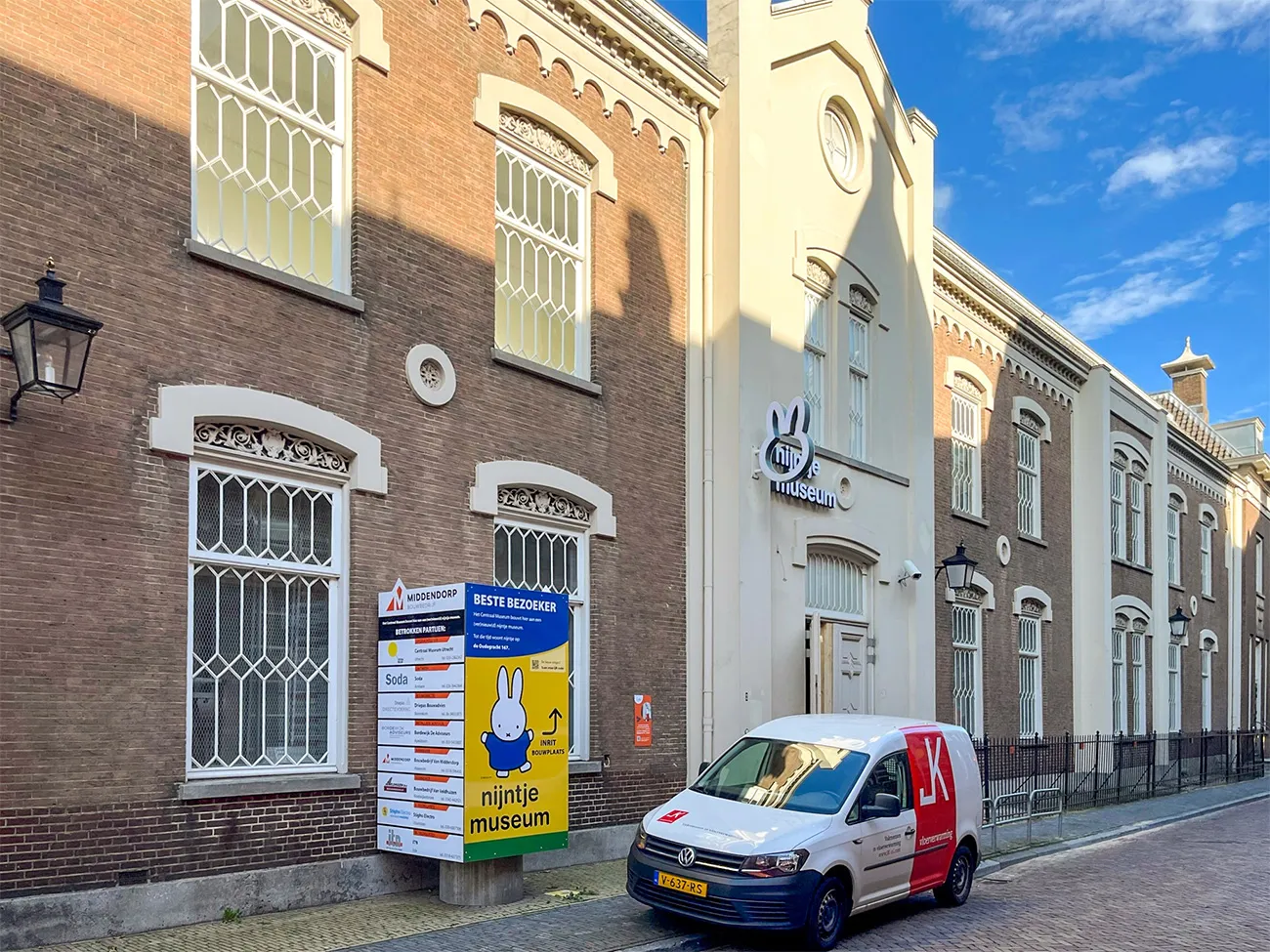
“We also carry out a lot of renovation and refurbishment work, such as the renovation of the Nijntje Museum in Utrecht,” says Maagdelijn. “It is a fine example of a project where the JK floorgrinder is used in combination with dry construction floor systems such as Knauf and Fermacell. In this case, a special routing disc is used. This is a very good solution, particularly in characterful canal houses and 1930s homes with timber beam floors.” Specifically for these buildings, and in close collaboration with Fermacell, JK vloerverwarming has tested its lightweight dry construction system as a heat emission system. It also scores very highly for fire resistance (30-60 minutes) and sound absorption (Fermacell 2E26 system).
Existing buildings and new build
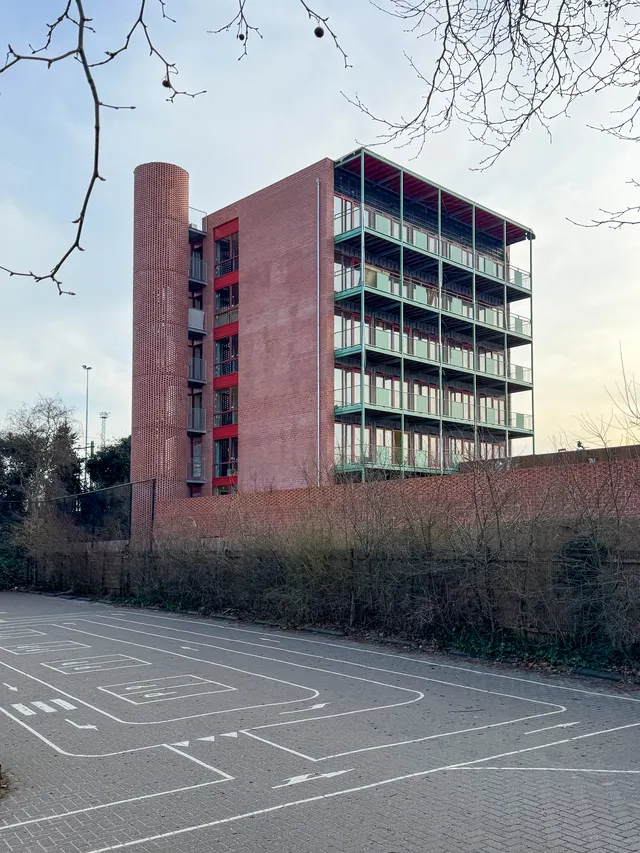
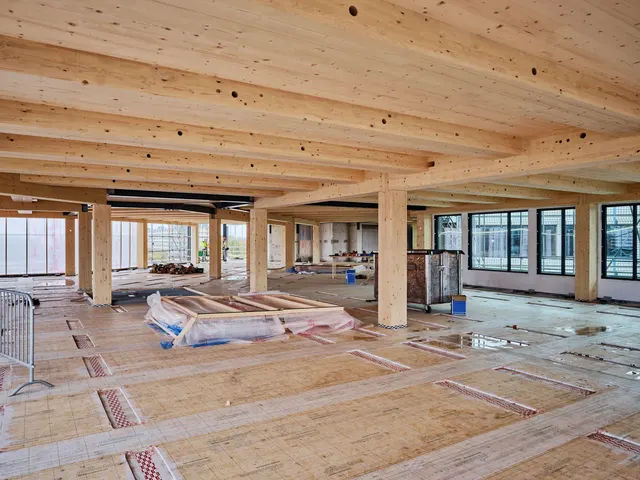
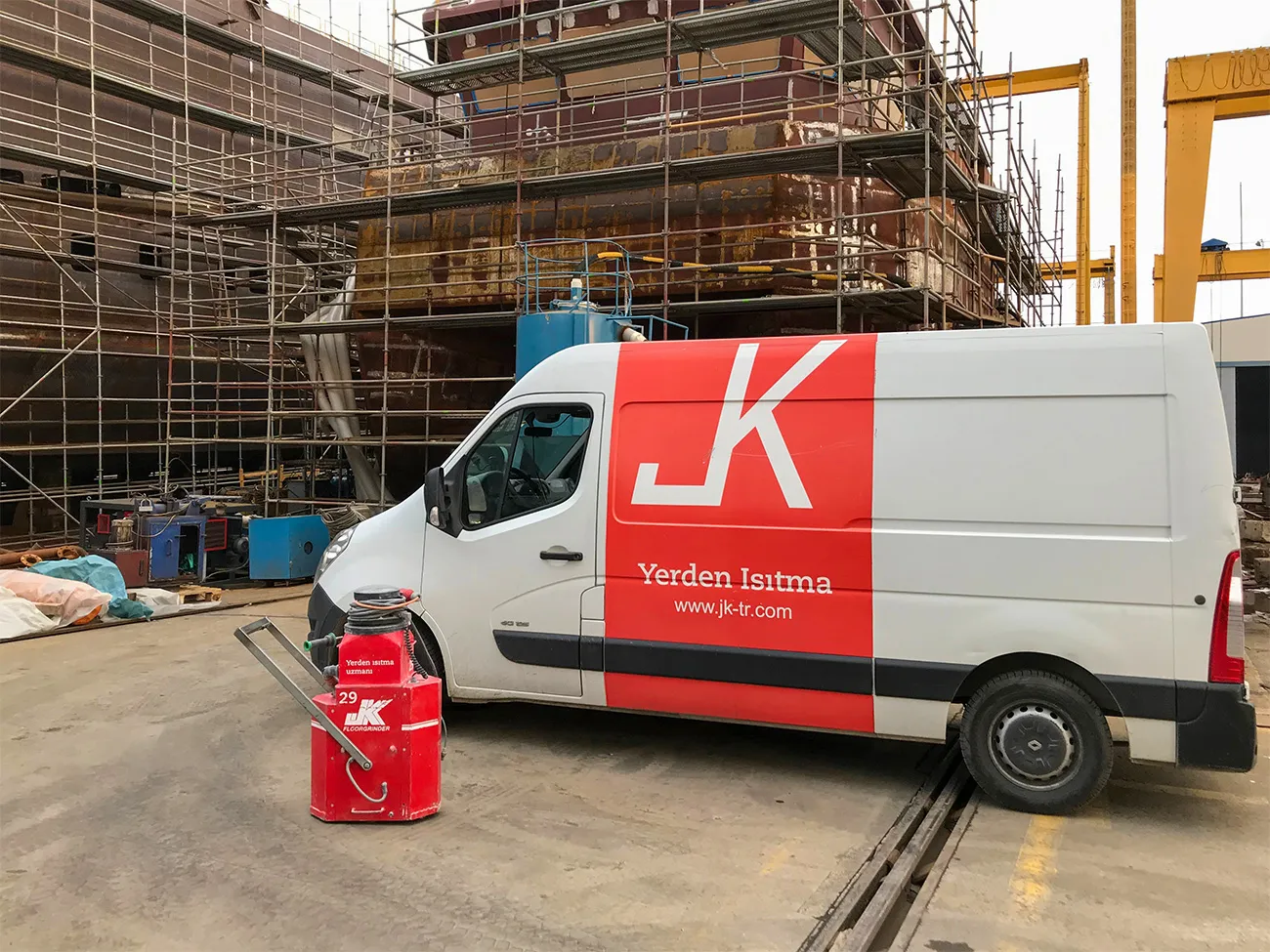
JK vloerverwarming operates in several countries in Europe and beyond. “Since last year, for example, we have been working in Denmark and Poland, where we have already installed our first surface-ground underfloor heating systems,” says Maagdelijn. “We also carry out projects in shipbuilding in Turkey.” While JK vloerverwarming focuses abroad mainly on grinding and routing underfloor heating into existing buildings as part of renovation and conversion projects, in the Netherlands it also undertakes large-scale new-build projects. “A good example is the Scheldeplein project in Amsterdam. A new storey is being added here, with nine new flats. In collaboration with Stam Montagebouw, we installed a Fermacell dry construction floor system and ground in the underfloor heating. We then filled all the grooves with JK sealing compound to provide a solid base for the final finish.” JK vloerverwarming is also involved in new-build projects including De Bongerd Oeverzone, Buiksloterham Plot C and Centrumeiland in Amsterdam.
Whether it is a new-build, renovation or conversion project, in housing or commercial buildings, JK vloerverwarming always uses innovative inverse PE-RT underfloor heating pipes for grinding and routing. “Inverse PE-RT means that the oxygen-diffusion-resistant protective layer is on the inside of the pipe,” says Maagdelijn. “This makes the underfloor heating pipe very robust and prevents damage and corrosion.” The underfloor heating systems are based on high-quality stainless steel manifolds, with or without a pump, manufactured at JK vloerverwarming’s own factory in Ede using only leading-brand components. As a Premium Partner, JK vloerverwarming uses Danfoss controls for the regulation and adjustment of its underfloor heating systems.
Question about this story? Ask your question
Companies in this story

Keep following this
Get an email when a new story is published. No account needed.
- SubjectYearbook
- CompanyKnauf