State-of-the-art sliding door made from 75% recycled post-consumer aluminium:
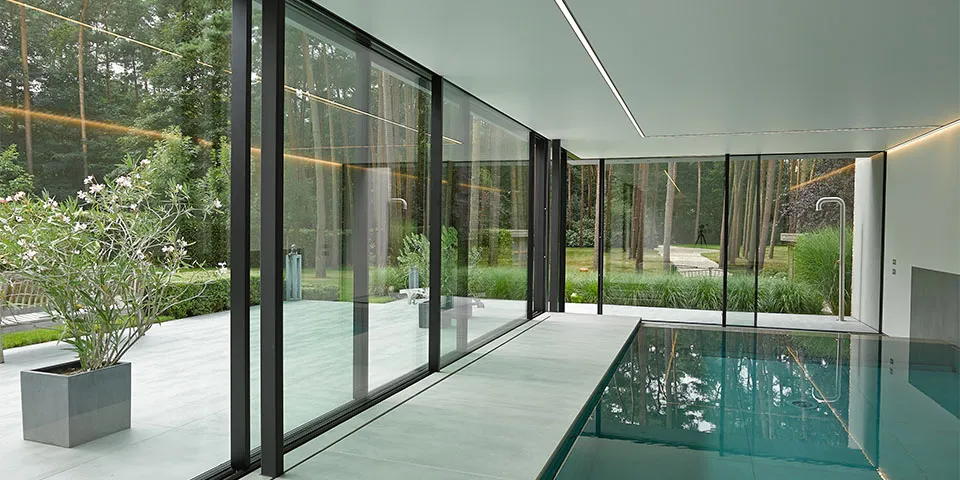
Sliding systems as art with a purpose
Very large glazed areas, extremely slim aluminium profiles and a range of functional solutions. Under the motto ‘Light is More’, Sapa was one of the first system suppliers on the market to introduce a minimalist sliding door that brings indoor and outdoor spaces into perfect harmony. “The Artline sliding door bridges the gap between high quality and maximum daylight, creative design and comfort, functionality and aesthetics,” says Perry Hermans, Country Manager at Hydro Building Systems Netherlands BV. “Invisible frames and floor-to-ceiling glazing provide 98% transparency. Artline also offers excellent resistance to wind, air and water, as well as security, while sustainability is built in from the outset. This is due in part to our new production technology, Hydro CIRCAL 75R, an alloy containing at least 75% recycled post-consumer (end-of-life) aluminium.”
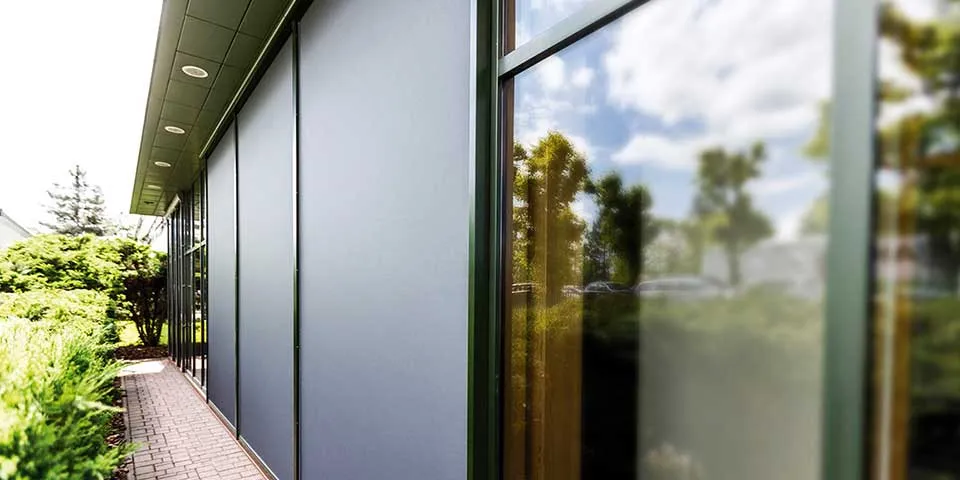
The thermally broken sliding door system stands out for its large glazed areas, minimal central mullion and maximum sash weight of up to 500 kg. (Image: Hydro)
The Artline sliding door is art with a purpose. The thermally broken sliding door system stands out for its large glazed areas of up to 3.5 metres in height, a minimal central mullion of 26 or 38 mm, optional motorised operation and a maximum sash weight of up to 500 kg, allowing even floor-to-ceiling glazed areas to be opened effortlessly, Hermans explains. “The aluminium frames and sashes are concealed within the building structure at the top, bottom and sides, resulting in a very slim appearance. The sliding door is suitable for heavier triple glazing in single-, double- and triple-track configurations and features an open-corner solution that can also incorporate Renson’s Panovista Max. Thanks to its advanced technology, it delivers excellent thermal (Uw value = 0.98, based on a window measuring 3,000 x 2,800 mm) and acoustic insulation. The sliding door system also carries CE marking, supports current EPB requirements and meets RC2 burglar resistance class. This makes Artline an ideal fit for modern, contemporary architectural trends.”
Post-consumer strategy
From the second quarter of 2020, Artline sliding doors will be manufactured as standard using the Hydro CIRCAL 75R alloy. “While most manufacturers of aluminium profile systems use pre-consumer aluminium, we have deliberately chosen a post-consumer strategy,” says Hermans. “Our parent company Hydro has developed a special Hydro CIRCAL 75R alloy containing at least 75% recycled post-consumer aluminium. This aluminium comes from windows, doors and curtain walls in buildings that have reached the end of their service life. At two Hydro production sites in Europe, Dormagen in Germany and Clervaux in Luxembourg (ed.), all aluminium scrap recovered from demolition, renovation and conversion projects is shredded, sorted and remelted into new alloys for the manufacture of aluminium building systems that meet all current and future regulations without any loss of quality. This gives architects, developers, contractors and end users the assurance of a sustainable, high-quality product.”

The post-consumer aluminium comes from windows, doors and curtain walls in buildings that have reached the end of their service life. (Image: MEDIASHOTS)
Significant energy and CO2 reductions
“Thanks to Hydro CIRCAL 75R, the energy required for aluminium production is reduced to just 5% compared with primary alloys,” says Hermans. “This achieves a significant reduction in CO2 emissions per kg of aluminium used, around one third of the European average, and allows us to take responsibility for reducing our impact on the climate.” The CIRCAL production process is fully traceable and certified by the independent organisation DNV GL.
A business enquiry for SAPA? Get in touch
Companies in this story
Keep following this
Get an email when a new story is published. No account needed.
- SubjectRenovation & conversion
- CompanySAPA