Energy efficiency? Yes, but without compromising healthy, comfortable living!
New build in 2020 is all about climate awareness, circularity, NOM and BENG. As a ventilation and solar shading specialist, Renson sees the requirements in this area primarily as challenges. For example, putting demand-controlled ventilation on the map. Ventilating each room in the home as needed, and only when it is really necessary, is not only good for your wallet, but also ensures the best possible indoor air quality 24/7. Without residents having to give it a second thought. Whatever people may claim, C+ ventilation, with a natural supply of fresh outdoor air to each individual room and demand-controlled extraction of polluted indoor air, can match the best heat recovery ventilation systems in terms of both energy consumption and comfort under BENG, making it ideally suited to BENG and NOM homes.
The ‘+’ in Renson’s ventilation solutions stands for smart ventilation, in other words, providing extra ventilation only where and when it is needed. Humidity, odour and CO2 sensors in the Renson Healthbox 3.0 monitor indoor air quality 24/7 and adjust the ventilation level accordingly in each room. The major advantage is that rooms with good air quality are not unnecessarily flushed with fresh air, for example, the kitchen at night or the bedrooms during the day when nobody is there. The result is not only that you can ventilate much less overall, since ventilation is based solely on what the sensors monitor, but also much more efficiently, sustainably and energy-efficiently. With the best possible indoor air quality in every room guaranteed.
Renson Healthbox 3.0 with accompanying app.
Comfortable indoor temperatures
When it comes to solar shading, Renson goes a step further still. For this company, healthy living means more than high indoor air quality. It also means a comfortable indoor temperature. With the last few hot summers and heatwaves in mind, it is gradually becoming a greater challenge to cool our well-insulated, airtight homes energy-efficiently than to heat them. In line with this, BENG 4 stipulates in ‘TO July’ that architects, consultants and property developers must take account in their designs of the number of days on which temperatures rise too high for the indoor environment to remain comfortable.
Natural measures
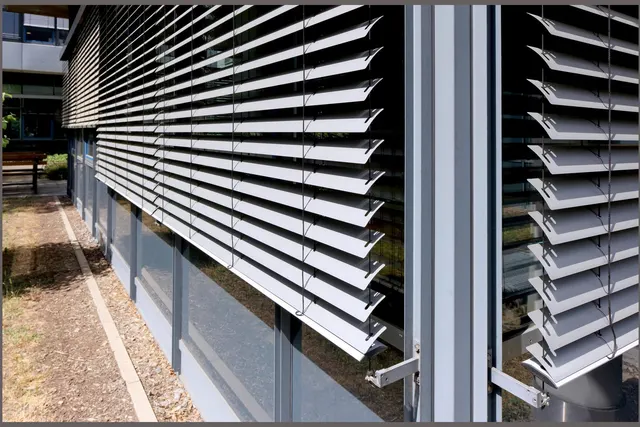
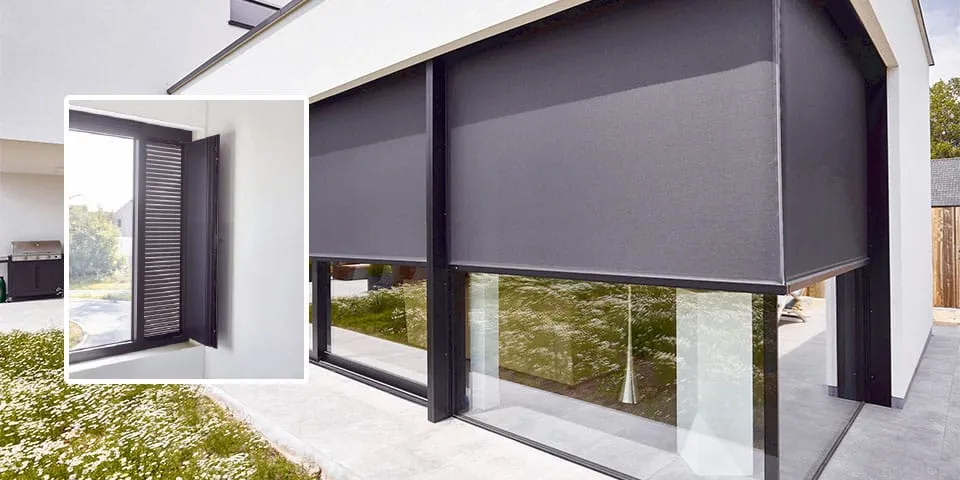
Here too, Renson is committed to natural measures to keep indoor temperatures under control. Combining dynamic external solar shading with passive night cooling avoids the need for power-hungry, climate-unfriendly active cooling such as air conditioning. Fabric solar shading blocks the sun as efficiently as possible before it reaches the glass, while burglar-resistant window grilles allow cooler night air to be let in safely, helping to cool the interior.
Another advantage is that dynamic solar shading such as screens still lets you benefit from free solar heat in winter. What is more, this type of fabric solar shading can be perfectly integrated into the façade without compromising your design.
Question about this story? Ask your question
Keep following this
Get an email when a new story is published. No account needed.
- SubjectGeneral