









‘Energy performance measurements are becoming increasingly necessary’
Text Jan-Kees VerschuurePhotography Aboma
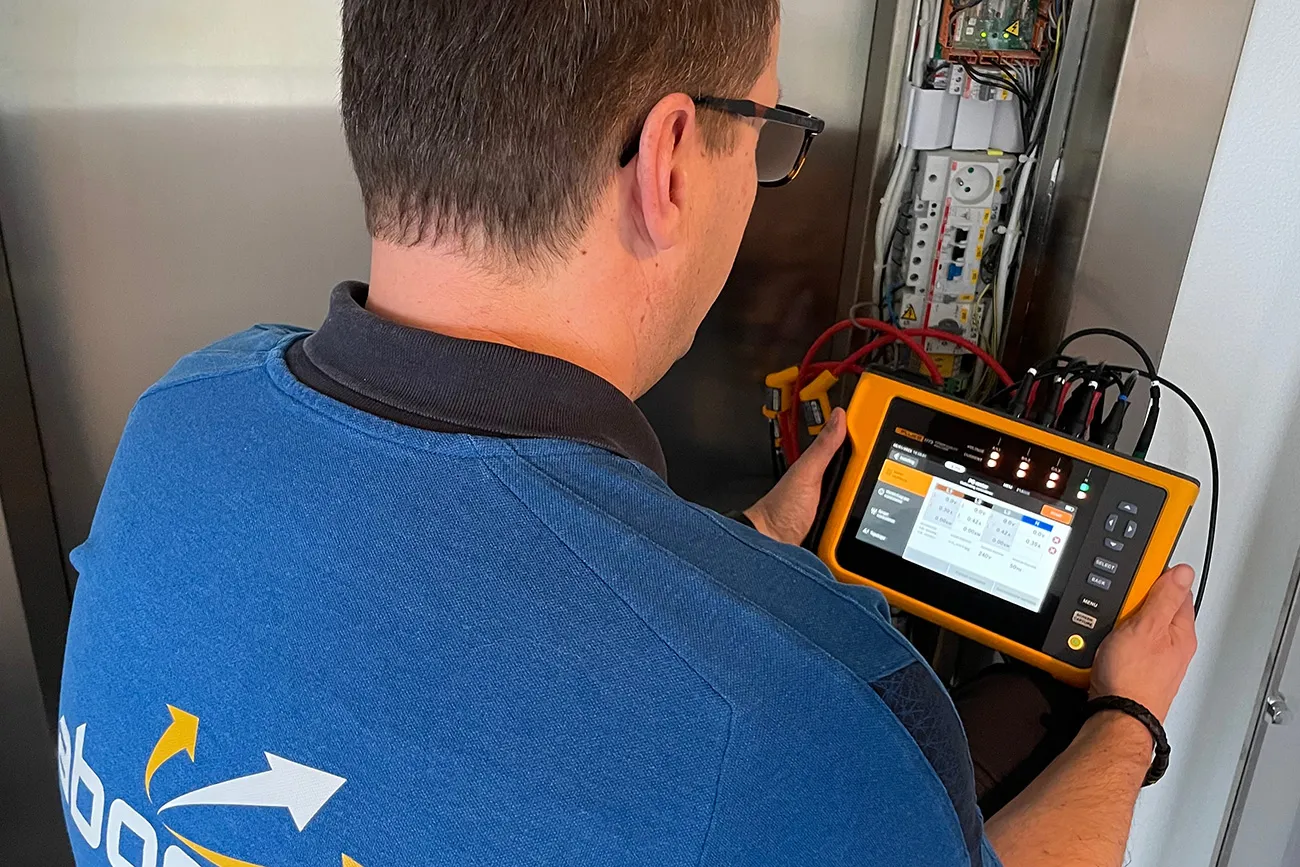
From 1 January 2023, office buildings must have an energy rating of at least C. This means primary fossil energy consumption of no more than 225 kWh/m² per year. As an independent organisation, Aboma contributes by carrying out energy performance measurements for lifts and escalators, measuring their electricity consumption. “There is considerable scope to reduce the electricity consumption of lifts in office buildings, depending on the age and type of lift installation,” says inspector Harry Hulsink.
Driven by legal requirements and rising prices
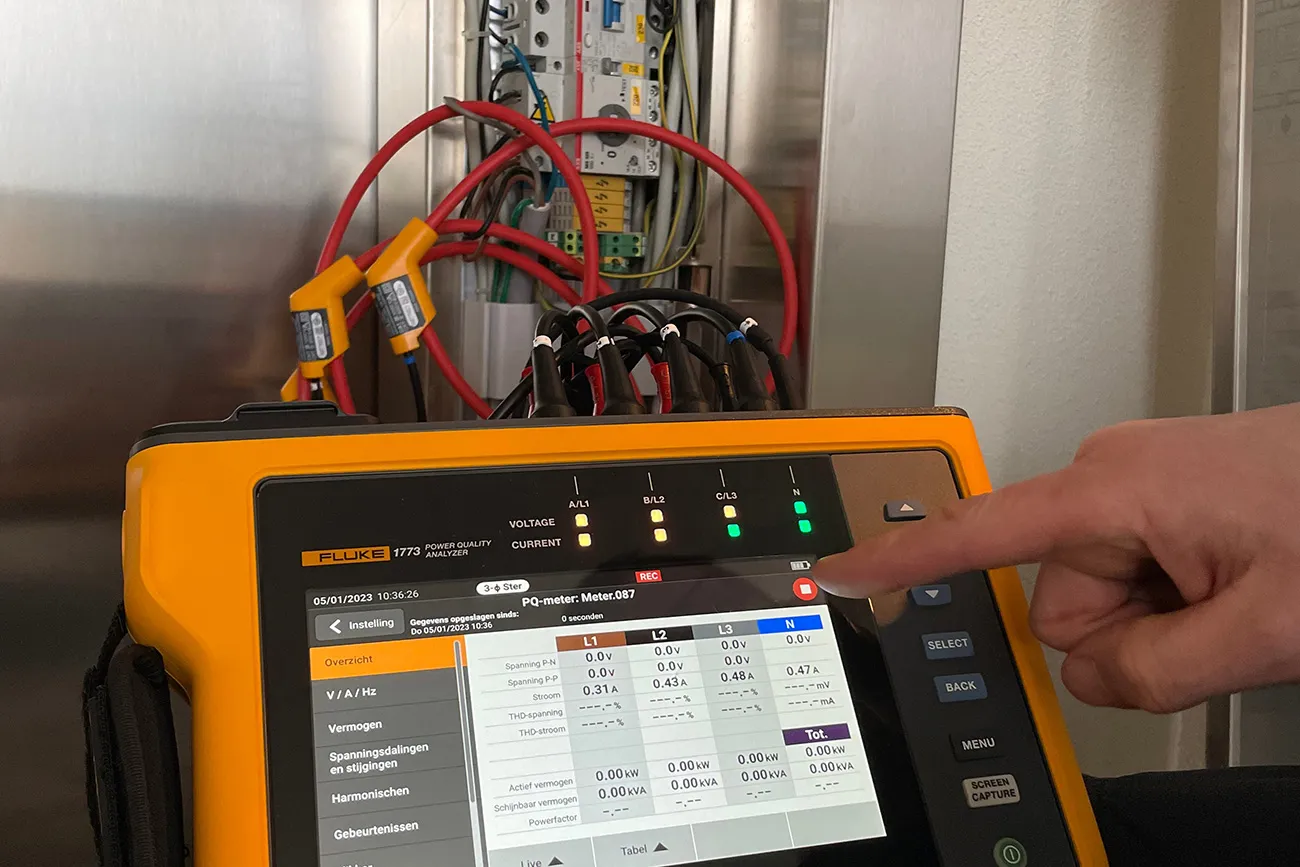
Aboma’s energy performance measurements provide a clear picture of the energy consumed by lifts and escalators in different situations. This information enables the building owner, who must establish the maximum energy consumption of the building as a whole, to see where and when a great deal of energy is being used and where changes are needed to achieve energy savings, says Hulsink. “Our energy performance measurements are carried out once, as part of obtaining the required energy rating, and we conduct them in accordance with European lift standards (EN ISO 25745; ed.).”
As an independent organisation, Aboma can provide an accurate energy performance measurement that remains valid for ten years, an offering that is also increasingly important given rising energy prices. “We mainly measure lifts in existing office buildings in the broadest sense. The rating requirement does not apply to residential buildings, and in new-build projects the manufacturer is responsible for ensuring the correct energy rating for the relevant installations. We can be commissioned by the building owner, a consultancy or the manufacturer responsible for maintaining the lifts and/or escalators.”
Standing charges
Aboma carries out the measurements itself, giving the building owner an accurate picture of current energy consumption. The owner of the lift or escalator installation then gains a clear understanding of total electricity consumption. It may be possible to adjust its operation and reduce standing charges. “Our measurements also distinguish between the electricity consumed by the drive system and by the lighting.” Hydraulic lifts and older lifts generally have high energy consumption. Hulsink says there is considerable scope for savings through changes to the main power connection, motor consumption or a gradual start-up. “A so-called soft starter allows the installation’s start-up energy requirements to be adjusted more gradually. Think of it like the gears on a bicycle. Modern lifts can also act as generators, recovering energy from the weight of a descending lift. However, Aboma carries out these energy performance measurements solely to establish an independent rating, based on the measured energy performance of existing installations.”
Question about this story? Ask your question
Keep following this
Get an email when a new story is published. No account needed.
- SubjectGeneral