‘Ensuring attention to lift safety features does not wane’
Text Patricia van der BeekPhotography Aboma
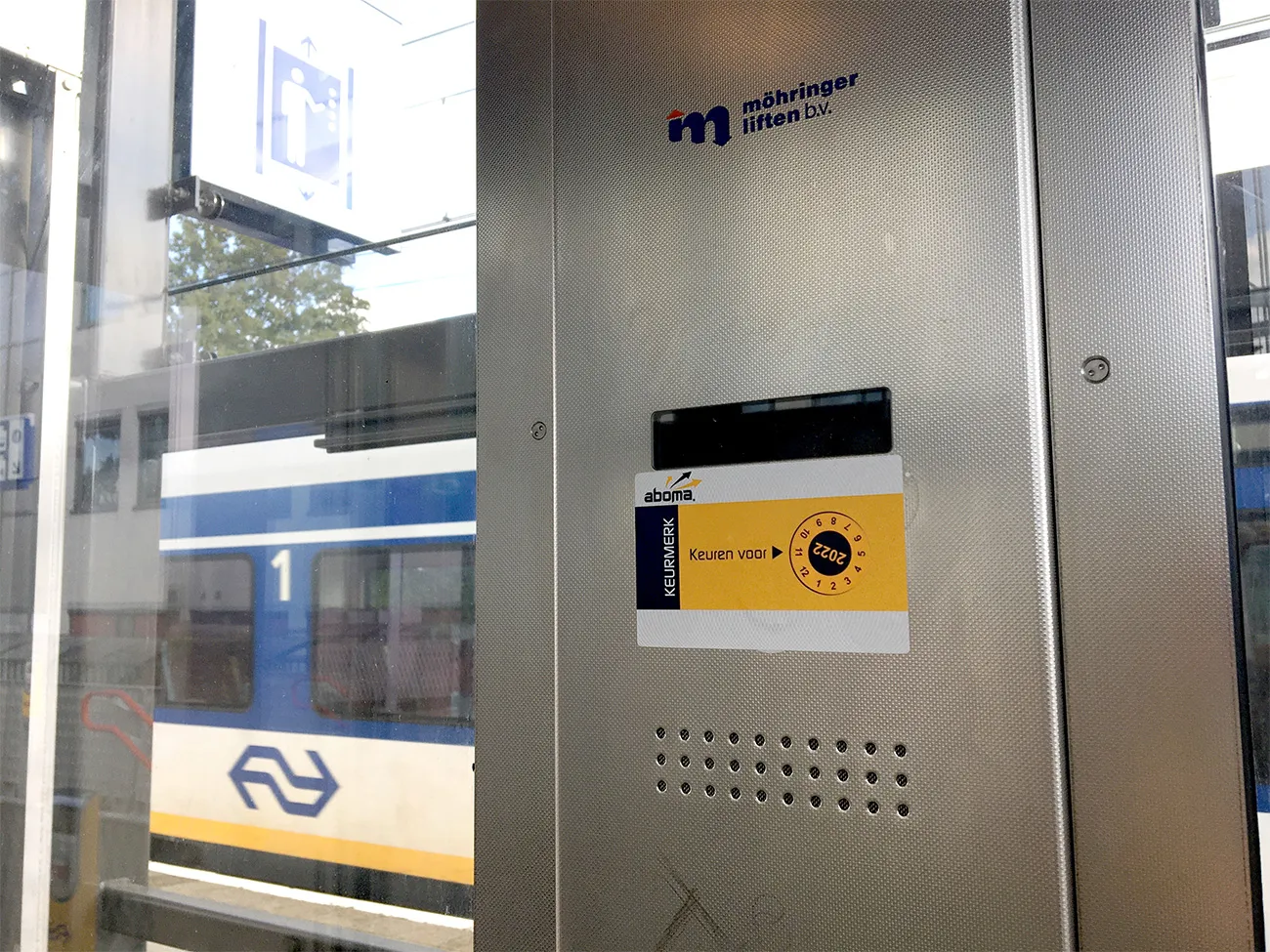
Taking the lift to your flat on the tenth floor. Using the escalator in the shopping centre. We barely give it a thought: these means of vertical transport are such an everyday part of our lives. The same goes for their safety. Aboma plays an important role in this. As a Conformity Assessment Body, or CAB, Aboma carries out independent inspections and checks on lifts.
“Precisely because lifts in the Netherlands are so safe, the need for lift inspections is not always immediately apparent,” says Bert Huisman, Lift Manager at Aboma. “There are hardly any accidents. Even so, inspecting lifts is crucial. It prevents attention to safety features from waning, which could lead to accidents.” Lift inspections are compulsory and are carried out by CABs. These assessment bodies are designated by the Ministry of Social Affairs and Employment and accredited by the RvA.
Checking safety features
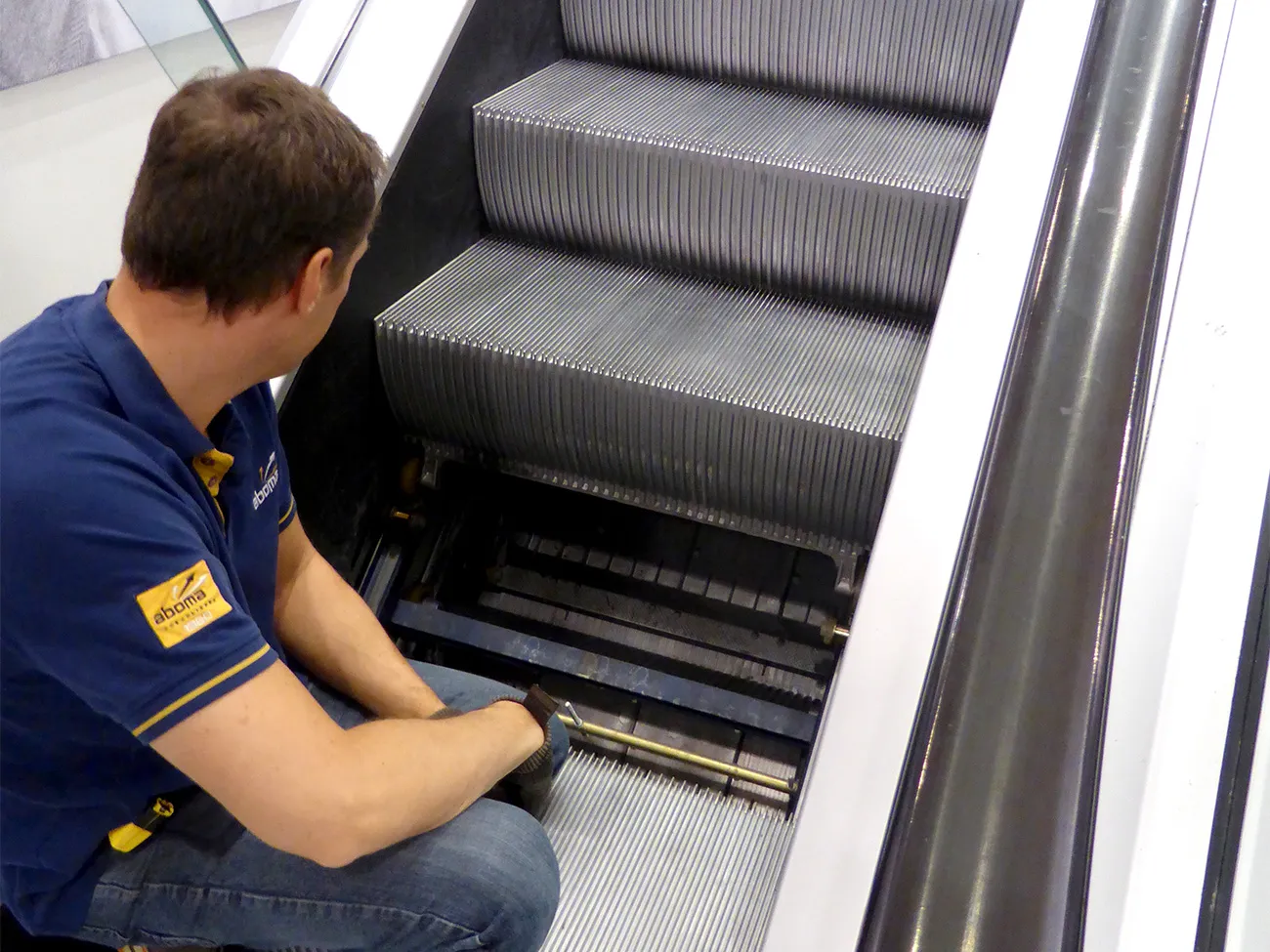
Asked which lifts Aboma inspects, Huisman replies: “We inspect all building-related lifting equipment for people and goods. This includes passenger lifts in apartment buildings and hotels, for example, as well as escalators, ship lifts, lifts in wind turbines and lifts in civil engineering structures. We check that the safety features on these lifts comply with the applicable laws and regulations. These include a safety gear to prevent the lift from falling if it descends too quickly, emergency lighting and an alarm system in the event of a fault, or an automatic door interlock when the lift is not at floor level.” Aboma carries out lift inspections when lifts are first put into service, as well as periodic inspections during their use. Existing lifts must also be inspected when they are modified.
Practical experience
“When carrying out inspections, it is important that inspectors know the products they are working with,” Huisman continues. “All our inspectors have worked as lift engineers. They know what they are inspecting and what they reject, and can explain their reasoning. That practical experience is very important. Each inspector also has a specialist area, such as wind turbines, escalators, lifts in buildings or façade access equipment. A lift engineer is always present during inspections to operate the lift.”
New legislation and technologies
The world of lifts is constantly changing. Legislation changes every few years. Technological developments move even faster. Huisman says: “This results in a huge variety of lifts and lift technologies, each requiring a different approach to inspection. This is where our inspectors’ practical experience comes in, along with the lift engineer’s specialist knowledge and increasingly sophisticated tools. This combination is crucial to maintaining the quality of our lift inspections and continuing to safeguard the safety of lifts that we tend to take for granted.”
Question about this story? Ask your question
Keep following this
Get an email when a new story is published. No account needed.
- SubjectGeneral