A one-stop shop for sustainability
Text Lieke van ZuilekomPhotography Batenburg Installatietechniek
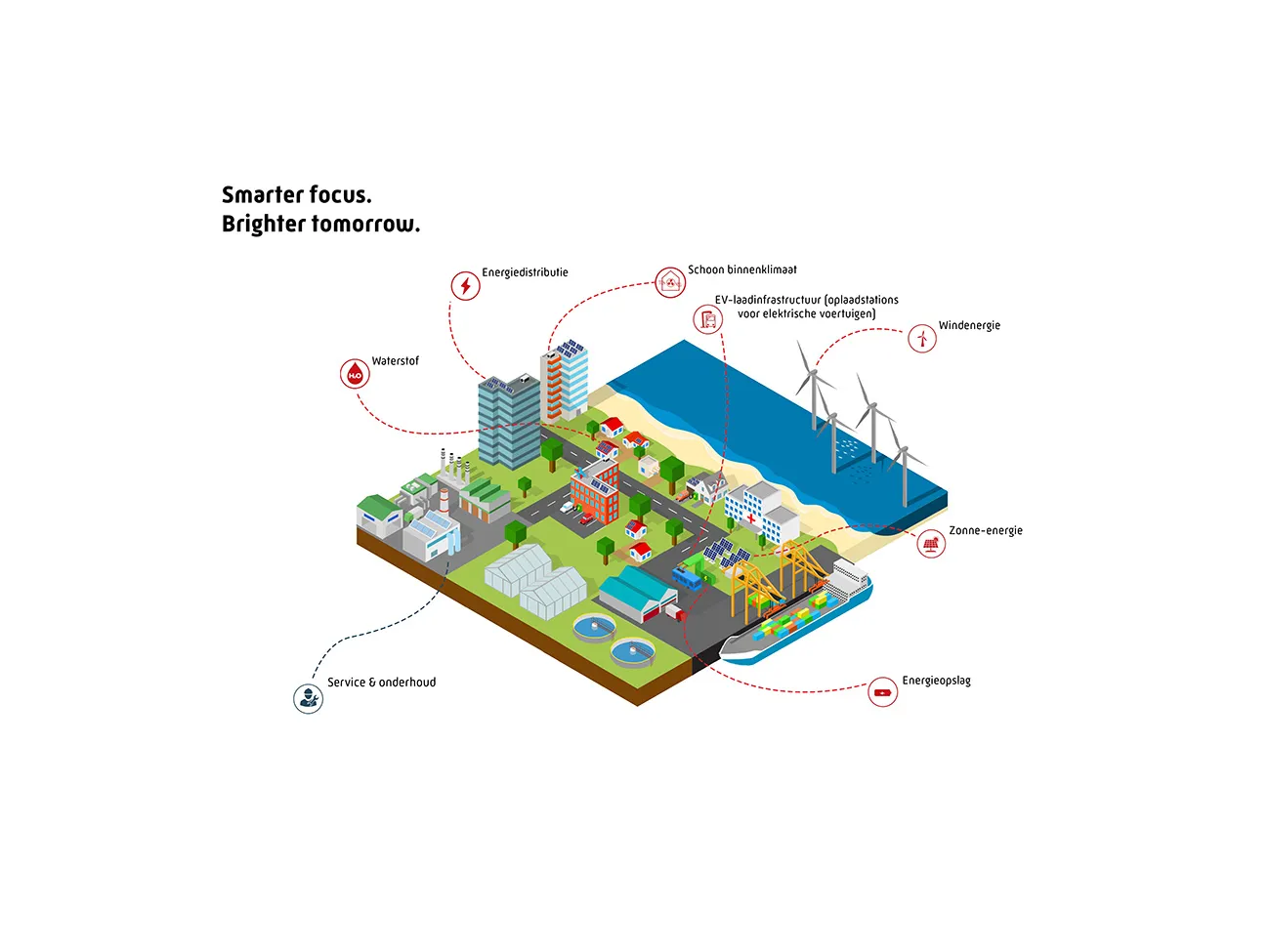
The UN Climate Agreement adopted in Paris includes a range of commitments to halt climate change. Cutting our CO2 emissions by phasing out fossil fuels is essential to achieving this, but it also presents major challenges, says Gerard van Dalen, director of Batenburg Installatietechniek. Where should a business start? What options are available? What are the pros and cons of each? And what should take priority? “With more than 60 years’ knowledge and experience in sustainable energy projects, we are pleased to support our clients. Businesses, housing associations, public authorities and institutions can come to us for calculations, drawings and advice. We also supply, install and maintain all the technologies required, as a one-stop shop for sustainability.”
“To meet the targets of an energy label C by 2023, at least 40% lower CO2 emissions by 2030 and a carbon-free energy system by 2050, we must make a gradual transition to sustainable energy supplies. This is a major challenge, says Van Dalen, given that the vast majority of our buildings still use natural gas for space heating, hot water and cooking, among other things. “To make a smooth transition to green energy possible without compromising capacity or comfort, we first map out the building: what systems are in place? Can we make them all-electric? Are there opportunities to use solar power, wind power, hydrogen, geothermal energy and/or e-mobility? And what size should these systems be? Is on-site energy storage an option? Naturally, we also take the building’s structural condition into account.”
Trias Energetica
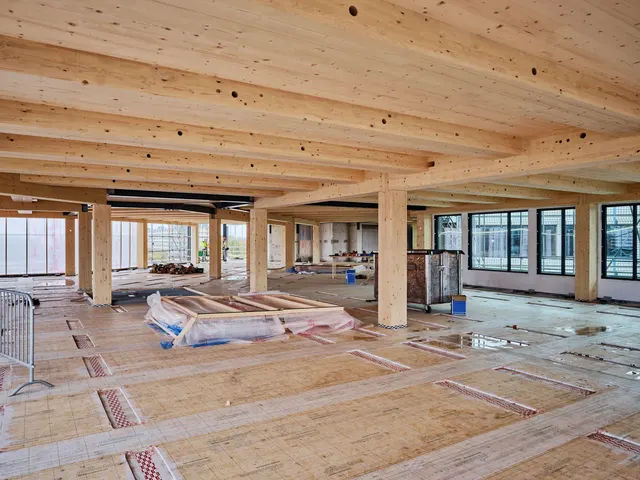
Batenburg Installatietechnieken bases its advice on the Trias Energetica, a three-step strategy for sustainability that begins by reducing the building’s energy demand as much as possible. “As well as optimising building services, for example with LED lighting, motion sensors and solar panels, this could include insulating the building envelope or improving its insulation,” says Van Dalen. “Although we do not carry out this work ourselves, we know various consultants and contractors who can help. We would be happy to design a bespoke sustainable energy solution to meet the remaining energy demand.”
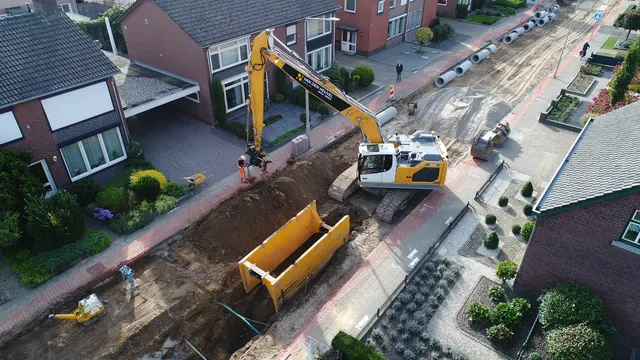
Popular products in Batenburg Installatietechniek’s sustainable range include transformer substations (compact substations), energy storage systems and charging stations for electric vehicles. “When businesses switch to an all-electric energy supply, their electricity demand rises considerably,” says Van Dalen. A transformer substation may then be necessary. Our transformer substations are assembled entirely in-house, enabling us to guarantee short delivery times. We are also happy to arrange connection to the network operator’s medium-voltage grid. By precisely matching the transformer substation to any energy storage system, we can smooth out inefficient peak loads (peak shaving), so businesses never pay too much.”
A sustainable infrastructure
On-site energy storage is becoming increasingly attractive, according to Van Dalen. This is not only because the net metering scheme is gradually being phased out, but also because grid congestion is worsening. “Anyone looking for an efficient, reliable energy supply without conversion and transmission losses can no longer afford to ignore on-site energy storage.” Choosing Batenburg Installatietechniek means opting for high-quality systems from leading European suppliers. It also means access to comprehensive load balancing solutions that keep the energy use of EV charging points and other consumers in balance 24/7. Batenburg Installatietechniek has recently added electric truck charging to its portfolio. “We also provide the sustainable charging infrastructure for all the major bus depots in the Netherlands.”
Taking responsibility
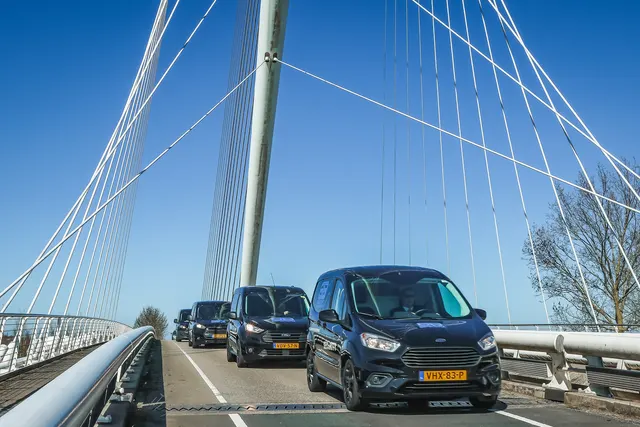
As well as supporting clients from start to finish in their energy transition, Batenburg Installatietechniek is taking responsibility itself. “As a full-service provider of sustainable energy, we have a role to set an example,” says Van Dalen. “We are working hard to make our own premises more sustainable. We are opting not only for our own solar power generation and storage, but also for thermal energy generation. At one of our premises, for example, we plan to use hydrogen for heating. The experience we gain will enable us to serve clients even better in the future. Our ambition is to be completely off gas within two years. We have also set clear CO2 targets. By 2030, we aim to have halved our CO2 emissions. That is why, for example, we use wind power from the wind farm at Slufterdam. We have also electrified our fleet. We are currently exploring the options for electric commercial vehicles, which will also bring us into line with the trend towards sustainable, zero-emission construction sites.” For every kilo of CO2 that Batenburg Installatietechniek still produces, trees have been planted since November in the Batenburg forest in Vorden, in collaboration with Natuurmonumenten.
Question about this story? Ask your question
Keep following this
Get an email when a new story is published. No account needed.
- SubjectYearbook