Sustainability is essential for good, happy and safe living
Text Lieke van ZuilekomPhotography ERA Contour
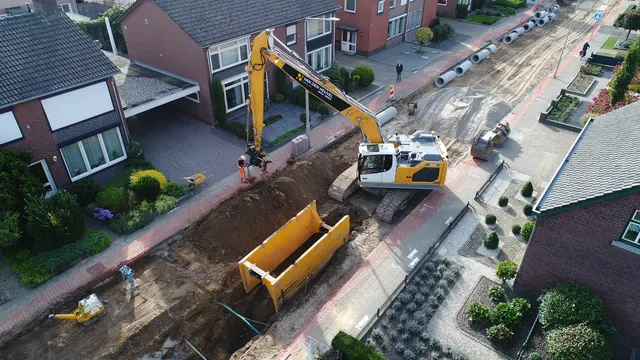
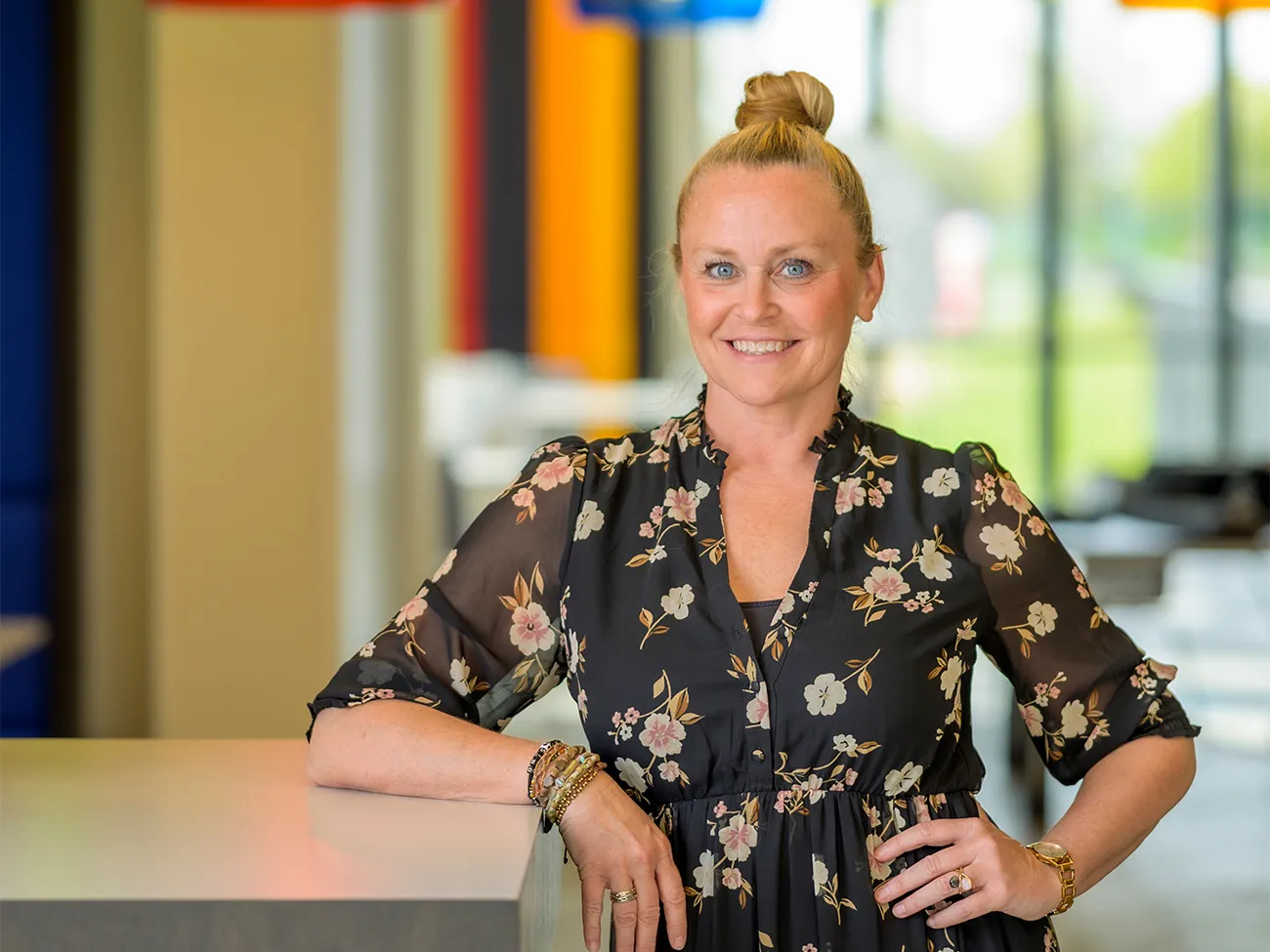
Happy residents and thriving neighbourhoods. This has been ERA Contour’s ambition for more than half a century. To be precise, for 58 years. “Together with our clients, we develop and create neighbourhoods and districts where people can live well, happily and safely. We do this for a wide range of target groups, from new build to renovation and conversion,” says chair of the board Bianca Seekles. “Sustainability plays an essential role in this. We take numerous initiatives to reduce our environmental impact. For example, we minimise energy use on our construction sites and actively seek ways to reuse surplus materials. We also develop and build residential locations designed to last for years, where the city and nature come together in harmony.”
“Sustainability is a broad concept,” says Seekles. “When it comes to the home itself, it must of course comply with all legislation and regulations, and then some. Our ambition is for residents to be able to live in climate-resilient homes, while keeping their energy bills to a minimum. We also actively seek ways to reduce the CO2 emissions of our buildings. At neighbourhood level, sustainability is primarily about biodiversity and nature-inclusive design. During the coronavirus pandemic, we all experienced how lovely it is to take a short walk among greenery. It is no coincidence that we develop neighbourhoods with plenty of green space and opportunities to experience nature. Neighbourhoods that encourage people to get outside, with good transitions between public and private spaces. Finally, for us, sustainability also has a social dimension. How can you encourage neighbours to talk to each other and perhaps even look after one another? This, too, is something we are keen to prioritise.”
A sustainability toolbox
Of course, not every aspect can be incorporated into every project, Seekles acknowledges. “Nor does it need to be, because different contexts call for different interventions. We are developing a sustainability ‘toolbox’ to help us select the right interventions for each project. It covers technical, green and social measures, through which we aim to make a real difference. We have also recently embarked on the process of obtaining B Corp certification, so that we can combine our sustainability ambitions with sound business management.”
Putting connection at the heart of the project
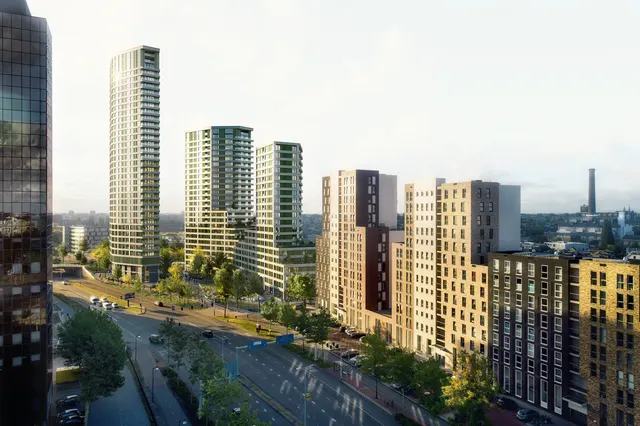
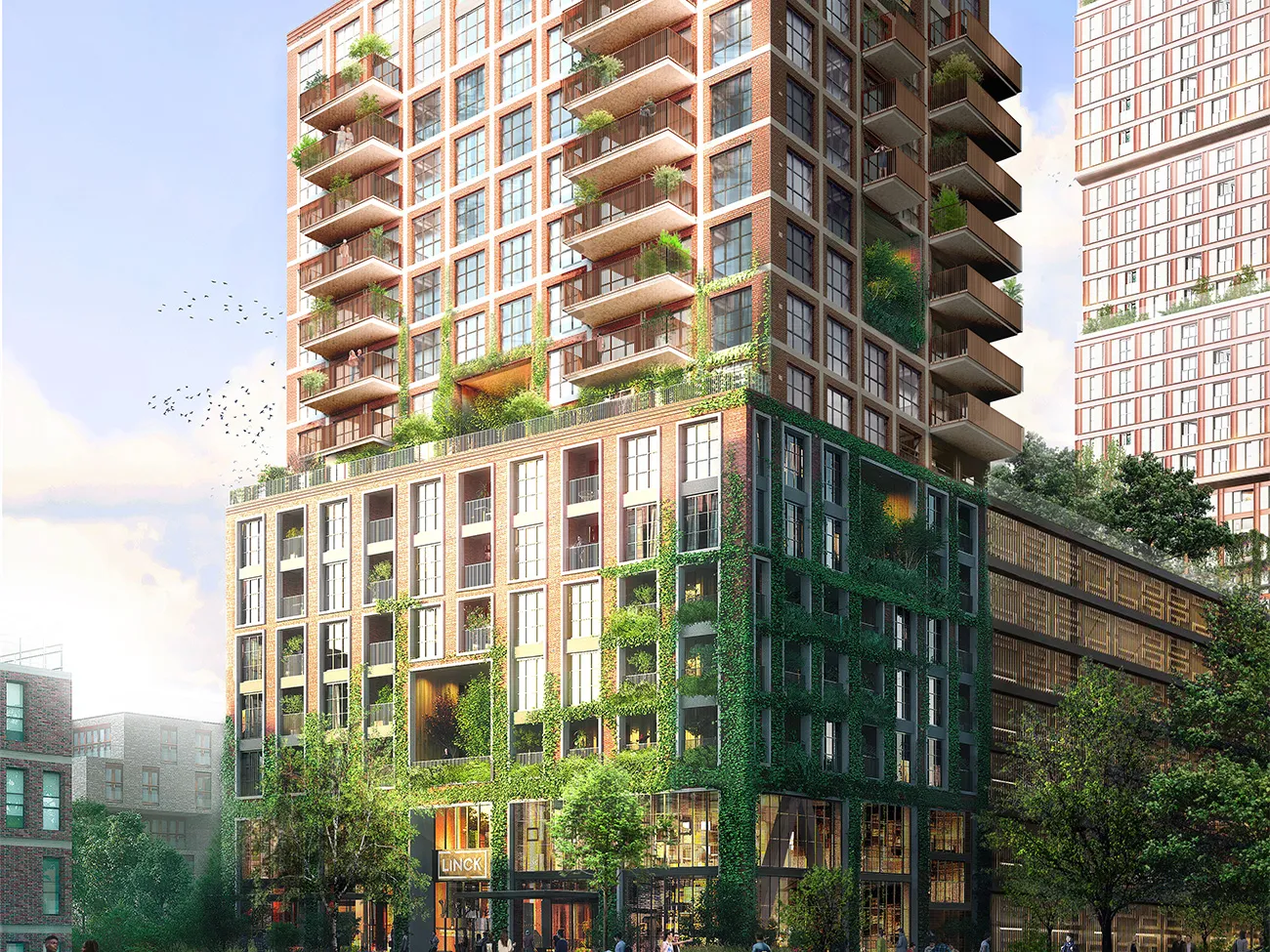
Project Linck in de Binck is a fine example of sustainability. ERA Contour will soon begin construction of a distinctive residential building in one of the most attractive locations in the Binckhorst district of The Hague, with connection at its heart. Between residents and visitors, between indoors and outdoors, and between nature and architecture. “Biodiversity and nature-inclusive design have been considered from the outset,” says Seekles. “We have thought very carefully about the residents. About people, but also about the birds, butterflies and bees that will find a home in the building. The inner-city site at Fokkerhaven has plenty of water, but very little nature. Linck in de Binck will change that. The building will act as a ‘stepping stone’ rather than a barrier between nature and architecture. This will be achieved, for example, through the large sky gardens, or green ‘pockets’ on the façade, as well as various green loggias.” A fifteen-storey atrium brings this green quality indoors too. Public spaces flow harmoniously into one another, while an open layout encourages social interaction to the full.
A revolutionary timber residential building
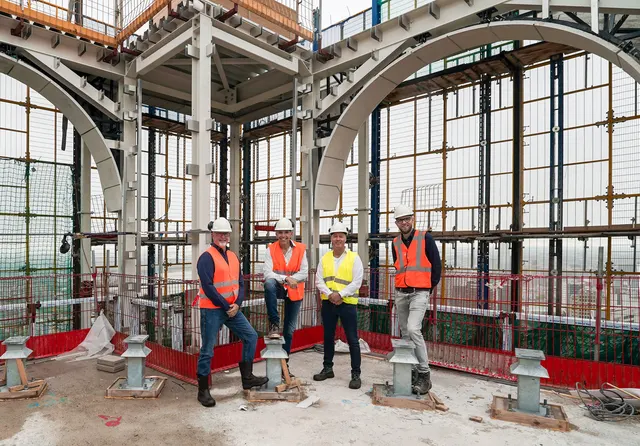
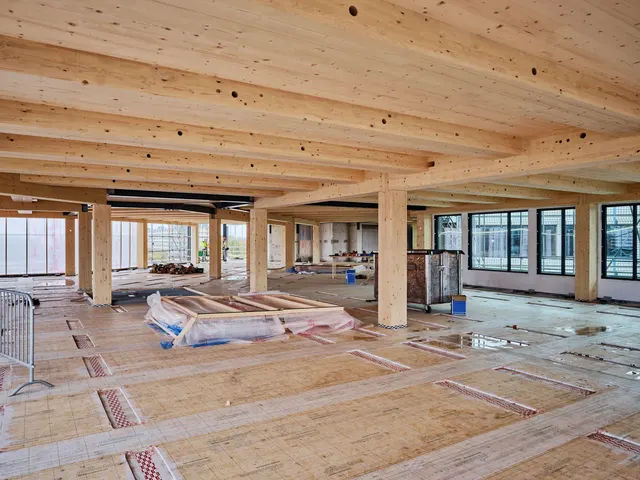
Twenty kilometres away, the SAWA residential tower will boost biodiversity and nature-inclusive design on the Lloyd Pier in Rotterdam. Developers Nice Developers and ERA Contour also aim to prove that circular timber construction is possible in high-rise buildings. “Timber is used wherever possible, from the primary structure to walls, floors, beams and façade finishes, delivering a huge reduction in CO2 emissions,” says Seekles. “The balconies and terraces at SAWA will feature large planters with an interesting mix of flowering and evergreen plants and shrubs. One particularly innovative measure is that we have excavated and stored the existing topsoil from the construction site in bulk bags. The soil will later be put to new use as potting compost, giving us access to rich soil straight away.” Various seeds from Rotterdam’s natural environment will be sown on the low-rise roofs. “Native plants from the surrounding area will also be carried here by the wind and take root, creating a beautiful, natural environment.”
A sustainable second life
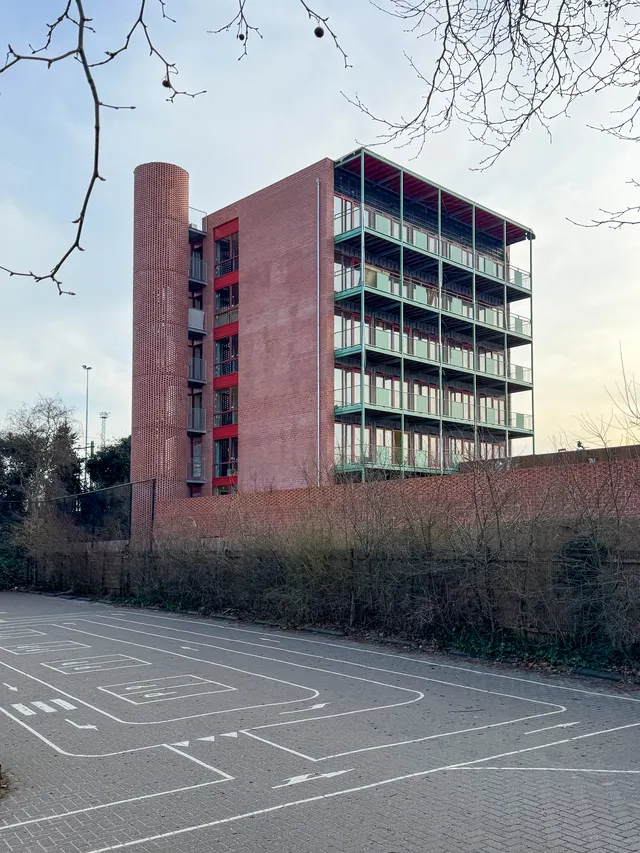
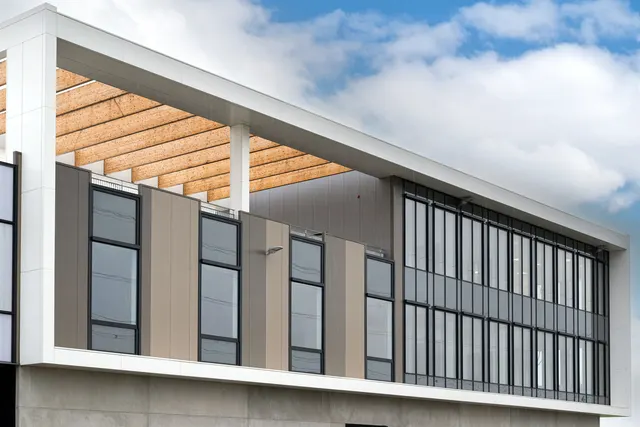
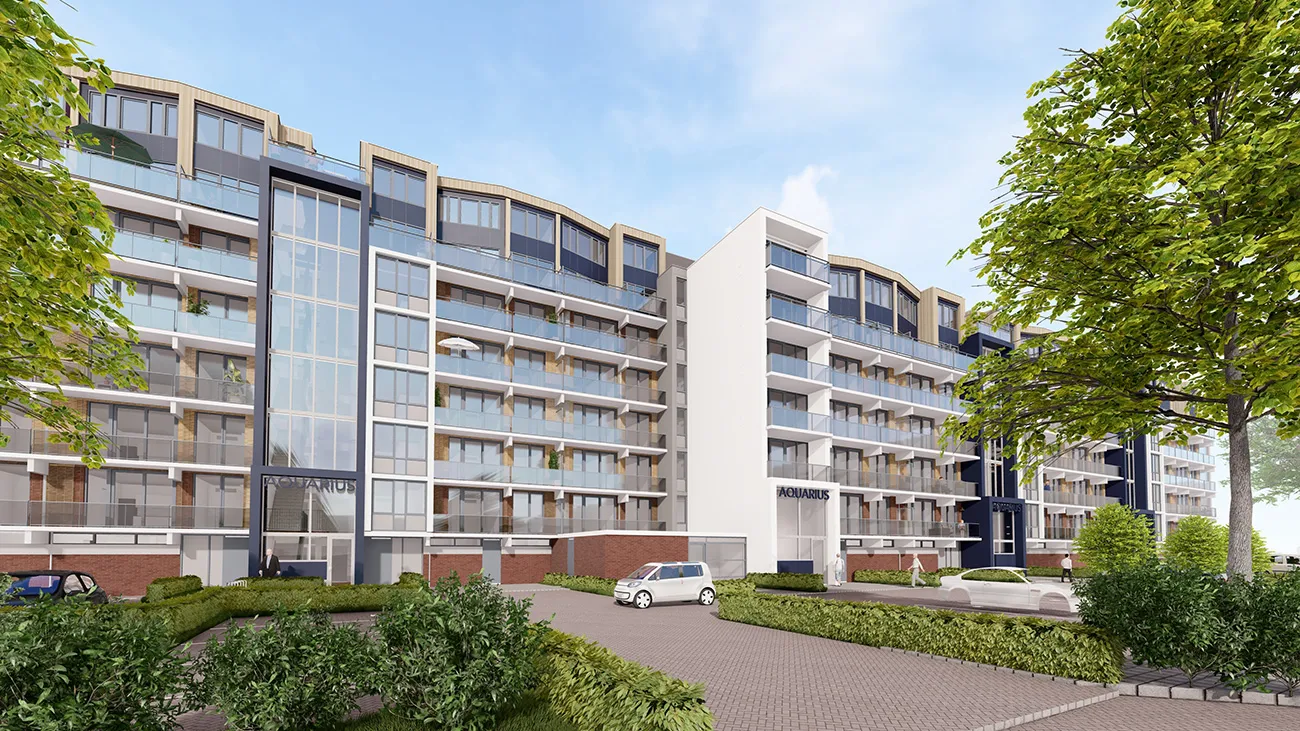
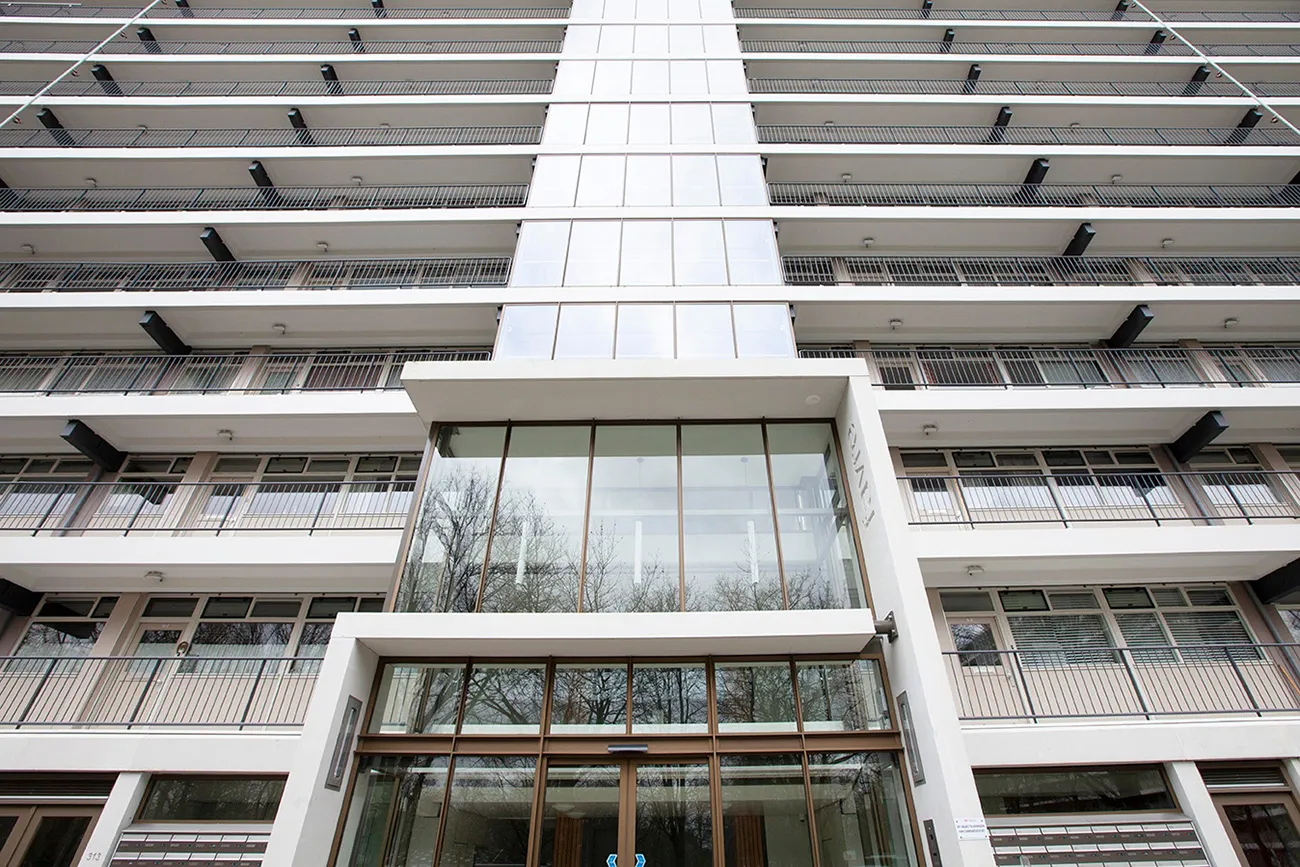
ERA Contour is also acting sustainably by giving large numbers of ERA flats built between 1964 and 1973 a technical facelift, in partnership with housing association Havensteder and Smits Vastgoedzorg, says Seekles. “This gives them a bright future once again. If demolition is unavoidable, we look at which components can be given a second life. A good example is the block of flats on Ivoordreef in Utrecht, where the railings and various façade elements will find a new home in the new build.” Another excellent example is the sustainable renovation of Aquarius in Amstelveen. The existing block of flats is being thoroughly stripped back, after which additional stairwells and a timber rooftop extension will be added. “The flats are also being reconfigured and given a cosy, warm new ‘coat’, so residents can continue to live well and comfortably there for many years. Wherever possible, existing building components are being reused here too.”
Question about this story? Ask your question
Keep following this
Get an email when a new story is published. No account needed.
- SubjectYearbook