










Confidence in acoustic performance, in new build and renovation
Text Lieke van ZuilekomPhotography Fonofloor B.V.
Urbanisation, a rise in the number of complex projects, flexible layouts and new forms of housing that have to meet ever higher quality standards: these are just some of the current issues in construction that call for architects and designers to be creatively adaptable. Acoustic performance is an important part of these challenges. Housing associations, property developers, owners’ associations and municipalities are setting the bar ever higher than the requirements of the Building Decree 2012, which means that greater levels of acoustic insulation are also needed. There is also demand for innovative, novel applications of materials, which Fonofloor B.V. is pleased to provide.
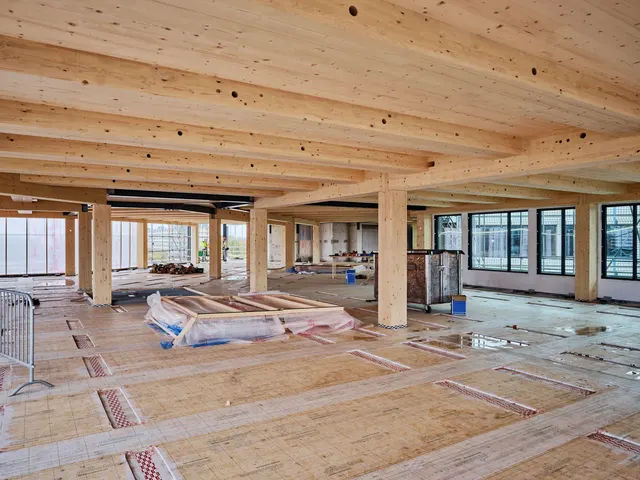
Since 2002, Fonofloor B.V. has supplied acoustic insulation membranes to reduce impact sound in floating screeds. “Acoustics and sound are challenging subjects,” says manager Martin van den Bersselaar. “Noise nuisance can arise in various ways. In our view, residents and users deserve optimum acoustic comfort. The ‘Fonofloor Formula’ is ideally suited to delivering this. With this formula, we guarantee the acoustic performance in advance. We also support every stage of the project. We advise during the design process, inspect the structural floor for defects that could adversely affect its insulation value, and work exclusively with approved preferred installers, whose work comfortably exceeds the minimum requirements of the Building Decree 2012. This is verified by an independent measurement after completion.”

Acoustic performance exceeds the Building Decree
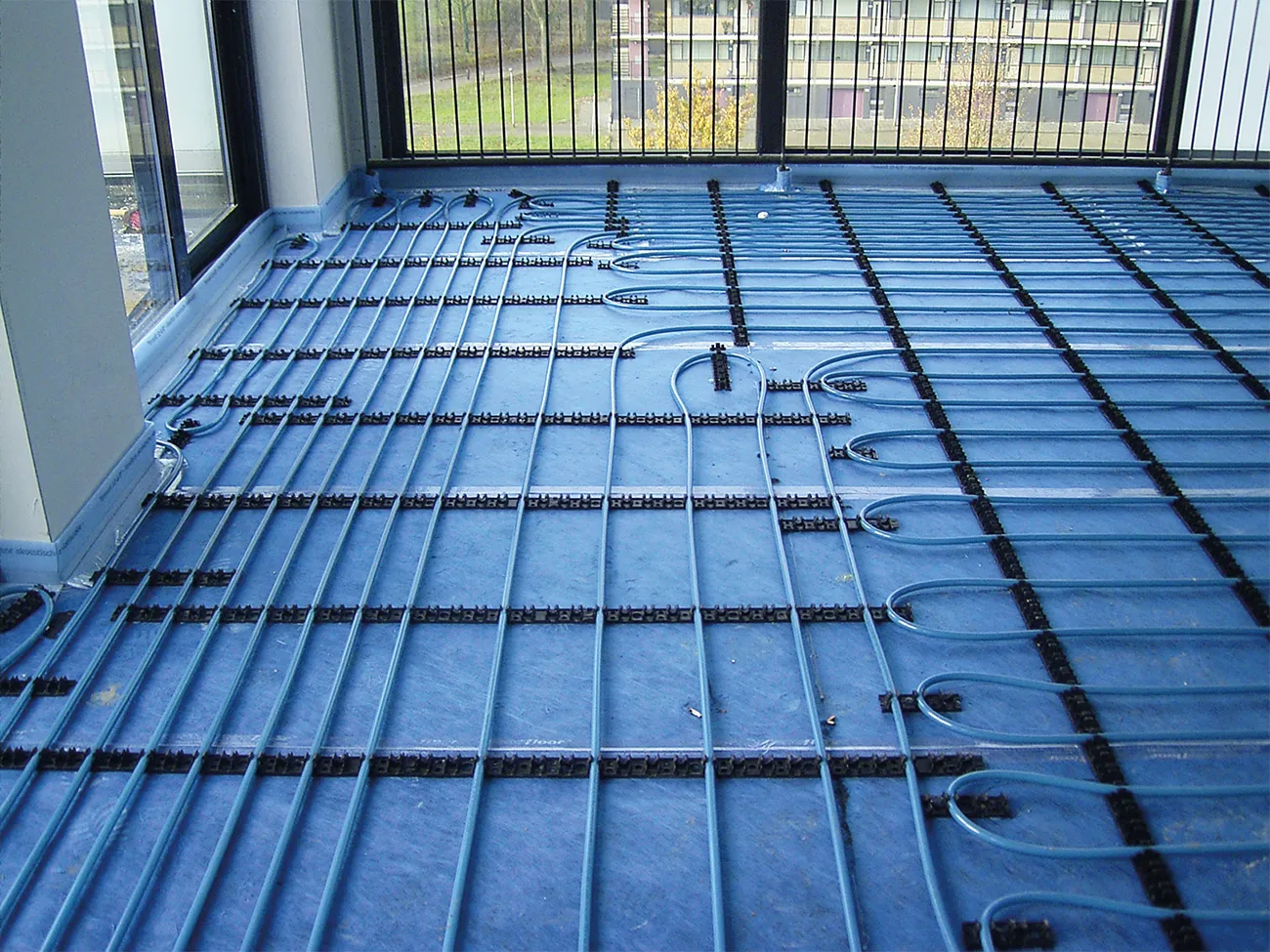
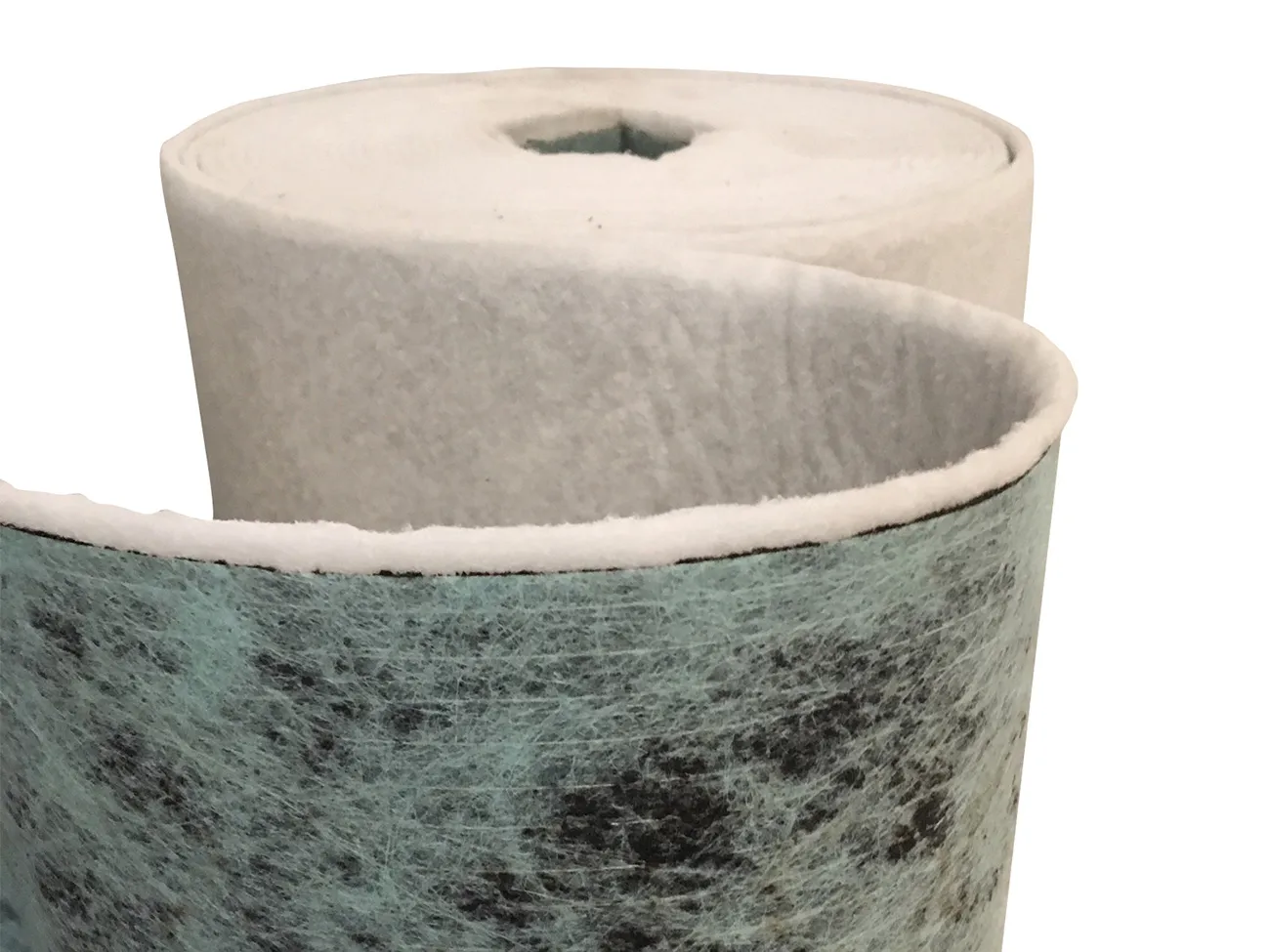
People in the Netherlands still experience noise nuisance all too often. Research shows that the acoustic requirements in the Building Decree still leave < 25% of people at risk of experiencing nuisance. “Noise from neighbours is the number one cause of annoyance,” says Van den Bersselaar. “The number of reports in this area has even risen by 10% over the past three years. Housing associations and owners’ associations in particular are grappling with this problem and actively seeking robust, affordable and comfortable solutions. Fonofloor products are an excellent fit for this ambition and are based on the mass-spring-mass principle. A resilient insulation layer is installed between the structural floor and the sand-cement or anhydrite screed to absorb sound waves and vibrations. All Fonofloor products consist of a largely recycled bituminous layer and a resilient polyester non-woven backing. The products are supplied in rolls and can easily be unrolled across the floor. The insulation membranes are vapour-tight. Underfloor heating can also be installed on top of the insulation layer if required. We recommend using the Fonofix clip rail, which can be bonded directly to the insulation layer. This prevents penetrations that would compromise the layer’s insulating properties.”
Robust: no problem continuing work after installation
In 2020, mineral wool or EPS boards are still regularly used in floating screeds. Fonofloor B.V.’s floor insulation membranes, however, have a bituminous top layer that makes the product less vulnerable than traditional products. “Fonofloor®, for example, has very high resistance to dynamic and static loads. You can simply walk on it without compromising its performance. Water is no problem either,” says Van den Bersselaar. “Fonofloor® is just 8 mm thick and has a dynamic stiffness of 18 MN/m3. The insulation membrane achieves very good acoustic results, from LnT,A ≤ 49 to well below ≤ 39.” For renovation projects, where floor build-up heights are often restricted, he recommends the thinner fonofive® (6 mm). “We developed fonoblock+® specifically for timber floor structures. This 9 mm-thick membrane combines the extremely high density and acoustic properties of lead foil with a resilient layer, making it suitable for both impact sound and airborne sound insulation. This means we can offer a suitable solution for every project.”
A business enquiry for Fonofloor BV? Get in touch
Companies in this story
Keep following this
Get an email when a new story is published. No account needed.
- SubjectYearbook
- CompanyFonofloor BV