A listed church gets a modern second life
Text Storm Wissink (Letterdesk)Image Wibaut
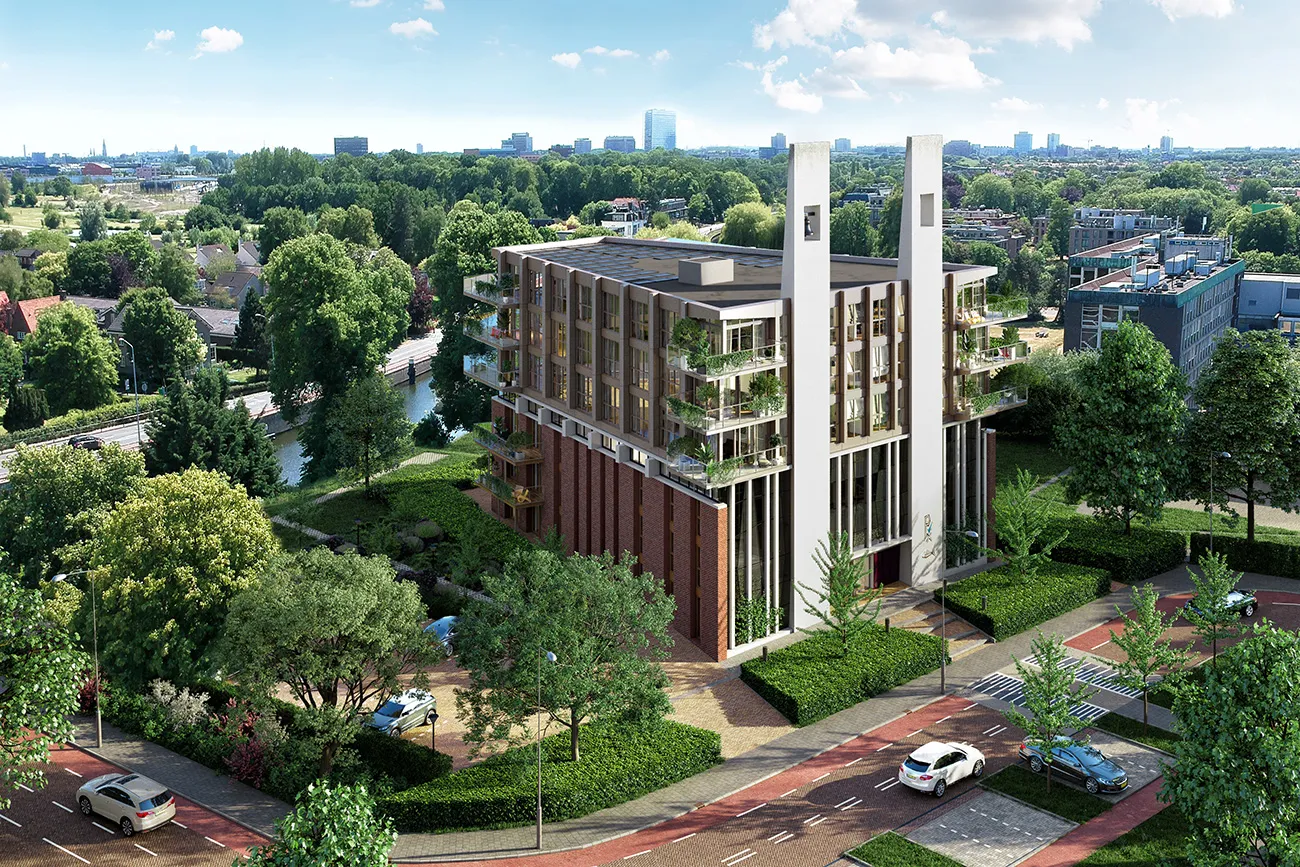
Living in a church is almost impossible to imagine. In Voorburg, this dream has become a reality. Developer Wibaut took on the challenge together with construction group Horsman & Co. “Converting a church into homes is a unique opportunity,” says Ernest van der Meijde, director of Wibaut. John Moors, commercial director at contractor Horsman & Co, and Eric De Winter, project manager for the project at Wibaut, add: “A truly unique project that brought us its fair share of challenges.”
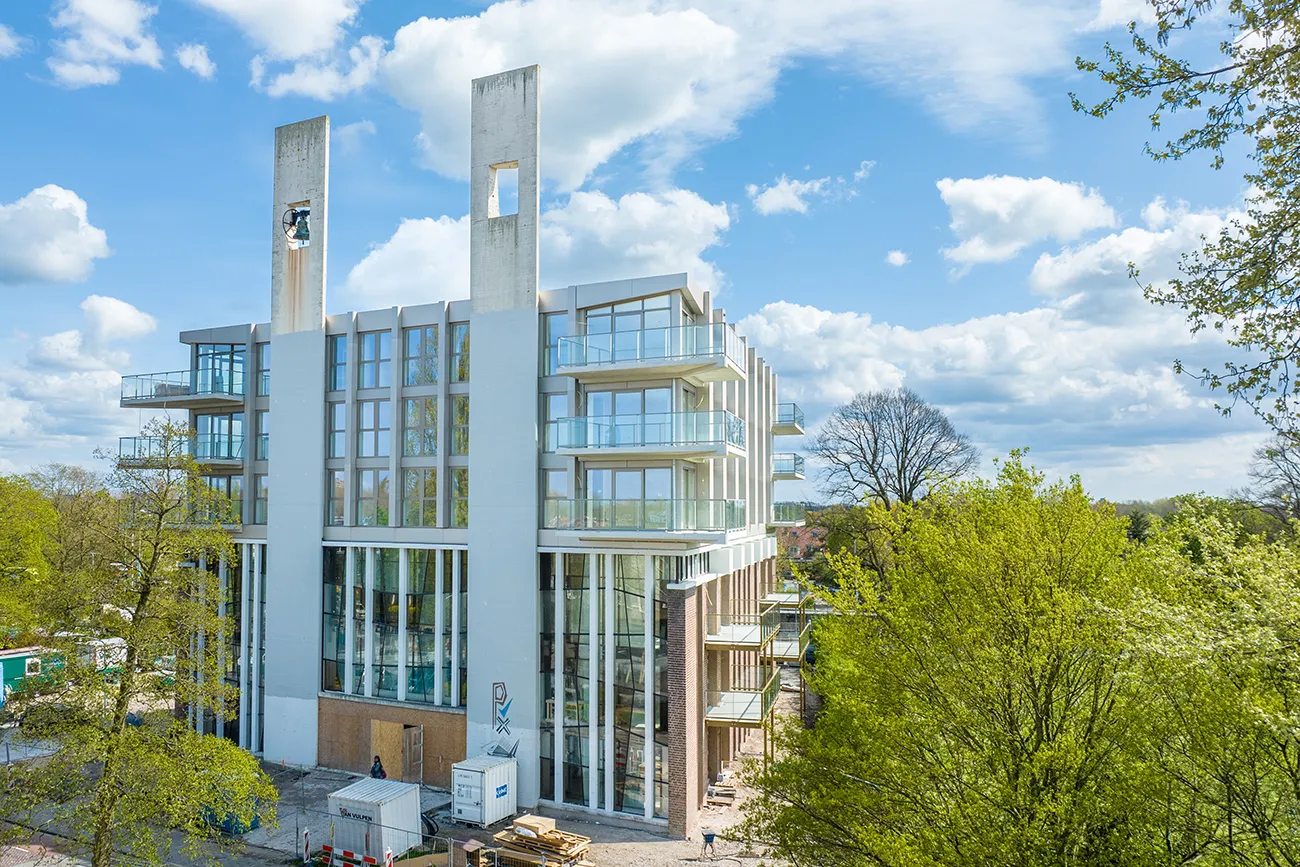
The Fonteinkerk in Voorburg has not been used by its former owner, the Protestantse Gemeente Voorburg, since 2014. When the municipality announced that it would dispose of two of its five existing churches, Van der Meijde saw an opportunity. “We were ready to take on the purchase fairly quickly, but needed some time to work out the plans.”
The municipality quickly approved the plans, after which a consultation process with local residents began. “We presented our plans to the neighbourhood, which was quite critical of the initial proposals,” says Van der Meijde. The consultation process therefore led to a number of changes. “Thanks in part to input from local residents, we arrived at the new, current plan,” says De Winter.
Surprises hidden in a listed building
The Fonteinkerk had been on the shortlist for listed status for some time. Shortly before the purchase, the building was granted the designation. “Demolition was therefore out of the question, but the municipality was a good partner in that respect,” says De Winter. “The construction work was a logistical puzzle: you want to, and have to, preserve as much of the original building as possible,” says Moors. “For example, the listed façades and distinctive pylons have been retained.”
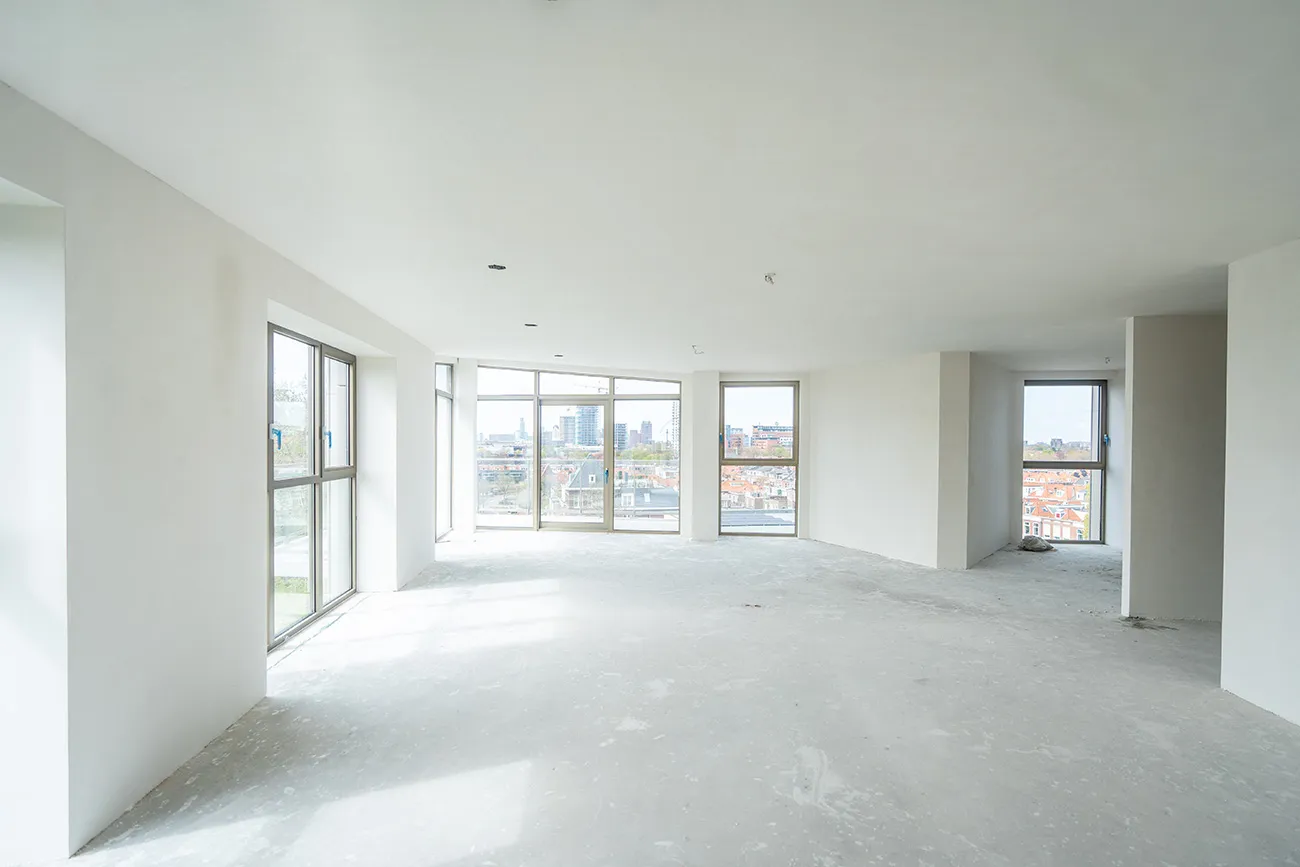
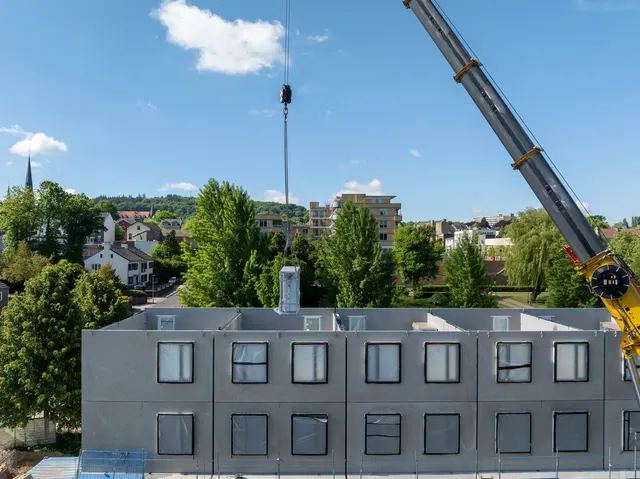
Construction of nineteen flats began in January 2022, eight of them in the old church and eleven in three new storeys being added above it. “Preserving the frame of the old church was already a challenge, let alone building three more storeys on top of it,” says Moors.
“It took real ingenuity to build the load-bearing structure for those floors within the old frame, especially when you come across surprises.” De Winter adds: “We had the original 1957 construction drawings, but you still come across things that were not included on the drawings at the time.”
A special story
Despite the logistical challenges of working on a listed building, the project went smoothly and all the flats have been sold. “Sales began in the middle of the pandemic. It was a little slow at first, but all the flats were eventually sold within a year,” says Van der Meijde. There was no concern about sales: “It remains a special project, living in such a unique building.” Moors adds: “Historic and listed features, such as the original mosaics, have been reinstated on the landings of the different floors. This gives you a sense of the atmosphere of the old church.”
“It is a fine example of a passion for the craft, from development through to delivery,” says Van der Meijde. The result was a project to be proud of, made possible by an exceptional collaboration. “We have created something special for ourselves, for the buyers and for the surrounding area.”
Question about this story? Ask your question
Who worked on Fonteinkerk
- developerWibautIn this story
- contractorHorsman & CoIn this story
- architecthp architectenIn this story
- structural engineerSchaal IngenieursIn this story
- building servicesVink Installatie GroepIn this story
Keep following this
Get an email when a new story is published. No account needed.
- ProjectFonteinkerk
- SubjectModular construction
- CompanyWibaut
- CompanyHorsman & Co
- Companyhp architecten
- CompanySchaal Ingenieurs
- CompanyVink Installatie Groep