









Safe off-site construction starts at the drawing board
Text Roel van GilsImage Aboma
Think ahead, rather than think on your feet
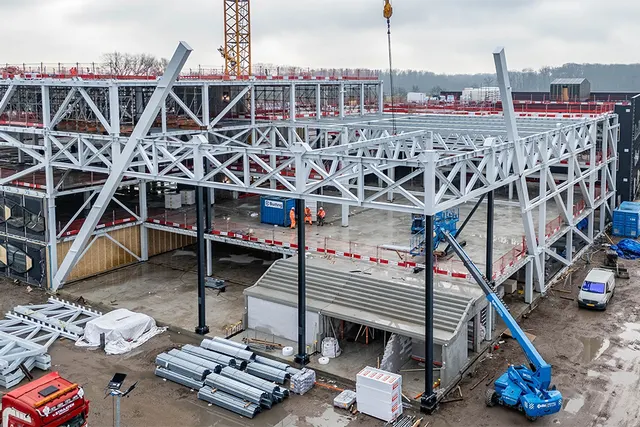
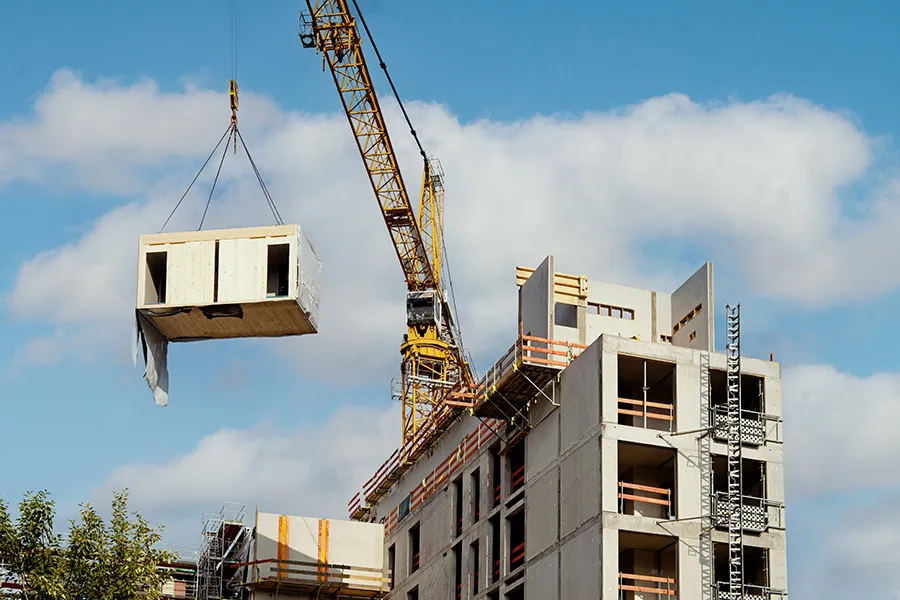
Off-site construction is on the rise, but it is not always carried out safely. The wheel is regularly reinvented, often at the very last moment and using traditional methods and existing equipment. This does not always help to improve safety. According to the experts at Aboma, safe off-site construction starts at the drawing board.
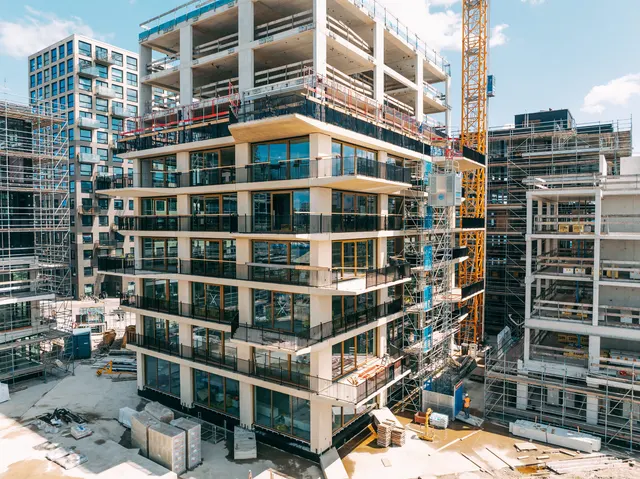
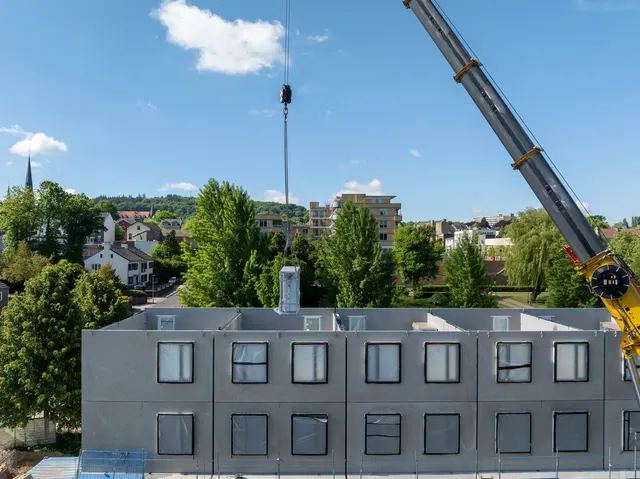
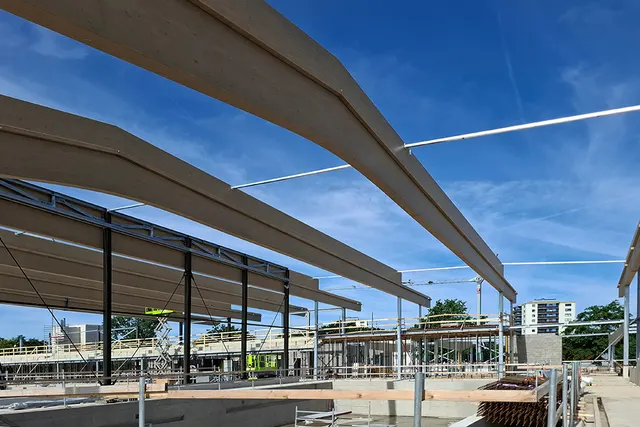
Off-site construction covers a broad range of methods, from complete modular units to concrete floor sections assembled on site. In essence, something is produced or assembled elsewhere, then put together on site. “The risks are often similar: crush injuries, falls, elements toppling over and the weight being underestimated,” says Remco van Noordenne, senior adviser at Aboma. “For example, prefabricated elements require specific lifting equipment and safety measures. Yet the sector often sticks to traditional methods, even when new technologies such as manipulators and automatic lifting hooks are available.”
Safety measures
Safe construction starts at the design stage. “The earlier safety is considered in the process, the greater the influence,” says Duco Opdam, adviser at Aboma. “If safety measures are only considered at a late stage, it is often difficult to implement them effectively or cost-efficiently. Yet this is often done on a project-by-project basis or retrospectively, rather than being embedded at company or industry level.” Van Noordenne adds: “Companies look to each other: what is my competitor doing? Instead of actively developing safety measures and installation processes themselves, they often wait for others to try them out. This delays improvements and allows familiar risks to persist. We think nothing of installing foundations for offshore wind turbines without anyone on site, yet when we have to lay a floor three metres above ground on a building site, we would still rather be there in person.”
Legal requirements
According to Opdam, off-site construction cannot simply be used in every setting. “Laws and regulations covering lifting zones, working at height and fall protection can impose restrictions.” Where it is permitted, the occupational hygiene strategy stipulates that fall risks must be prevented, says Allard Schonewille, adviser at Aboma. “The starting point is a collective protective measure that makes a fall physically impossible, rather than working while tied off, which still carries risks. If workers are tied off, they need proper instruction and supervision to ensure that equipment is used correctly. The key question is: how did you plan the work in advance, and are you carrying it out as planned? This is not only about staff safety, but also about protecting bystanders. When lifting modules or elements in a residential area, for example, there needs to be room for lorries and cranes, and risks to the surrounding area must be prevented.”
Every construction site and project calls for an assessment: is off-site construction suitable here, and if so, what safety measures are needed? “The key message is clear: safety in off-site construction starts with thinking ahead. Do not wait to react or improvise when something threatens to go wrong during construction. Instead, consider the installation method, equipment, surroundings and people from the very first design. This is the only way to combine the speed of off-site construction with the safety that is essential in the construction industry,” Opdam concludes.
Question about this story? Ask your question
Companies in this story

Keep following this
Get an email when a new story is published. No account needed.
- SubjectModular construction
- CompanyDuco