Safety Leadership Training
Text Roel van GilsImage Aboma
No psychological pep talk, but a chance to hold up a mirror
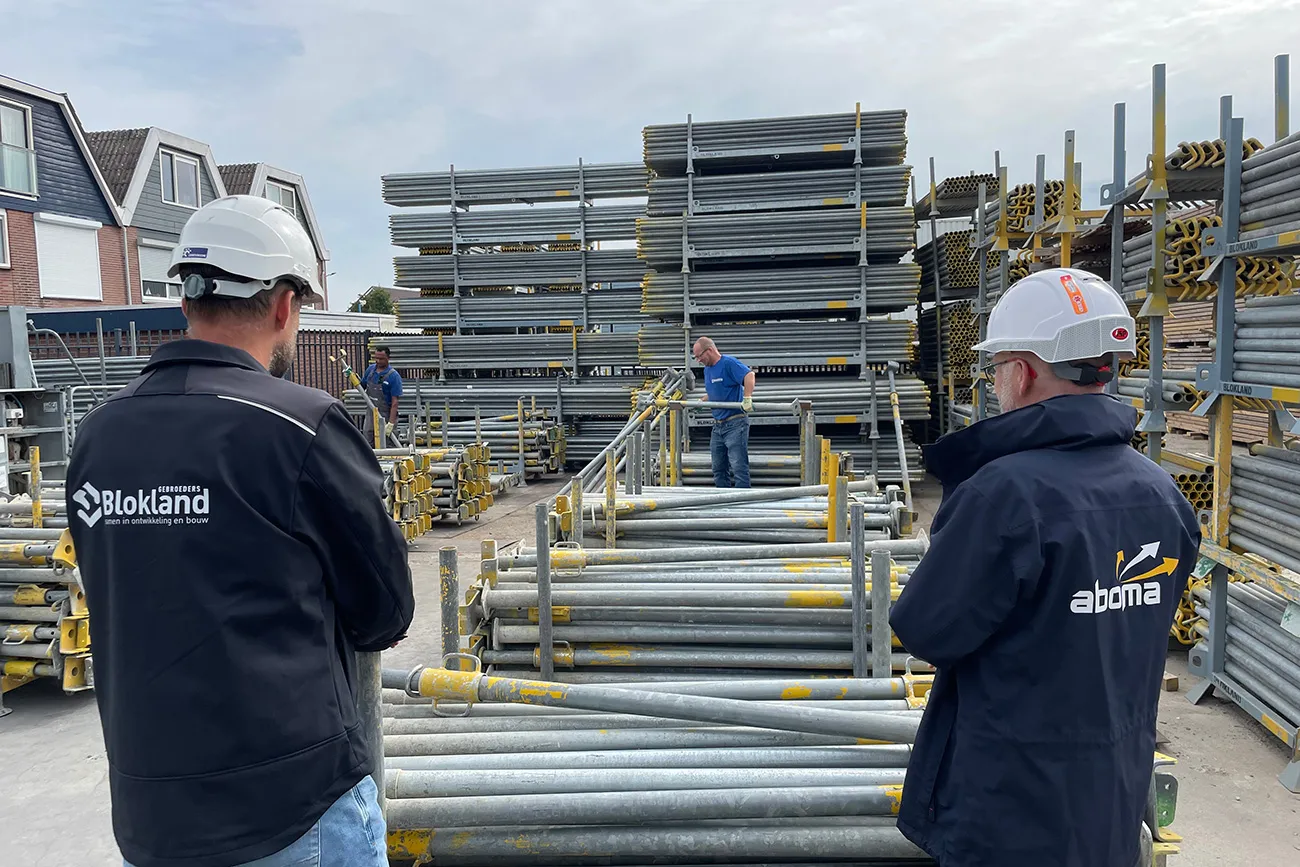
The construction industry has its ‘hard’ safety measures, such as toe boards on scaffolding and the right certification, well in hand. There is sometimes still room for improvement when it comes to safe working practices. But how do you tackle this without constantly having to act like a police officer? Construction company Gebroeders Blokland called on Aboma, whose Safety Leadership Training provides practical tools for improving safety culture. It has proved a winning formula: the follow-up training is already in the diary.
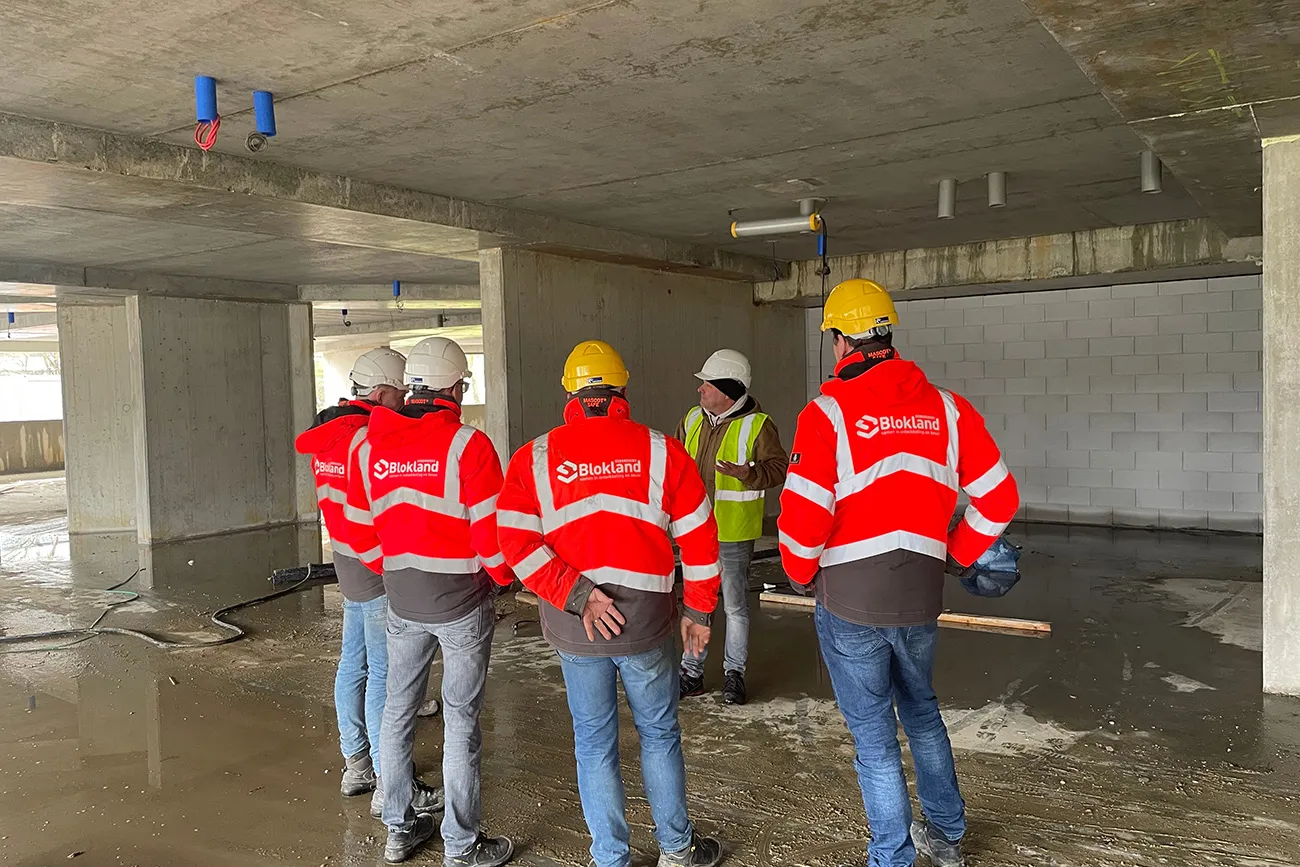
How do you ensure that employees put safety awareness first, think along and report unsafe situations? According to Mitran Boelee of Aboma Consultancy, it all depends on how employees are managed and the priorities set by the organisation or its managers. “Managers have an important role to play in motivating employees to engage with safety. In our 3-day Safety Leadership Training, we explore together how people think about safety, to understand why unsafe practices occur. We then share practical tools to help managers change things. On the final day, we bring in actors and put the ‘lessons learned’ into practice.”
Martin Nederveen of Gebroeders Blokland is now well versed in this area. “Our managers increasingly felt like police officers when calling employees out for unsafe behaviour. This often met with resistance on site. That was why we spoke to Aboma about how to break out of this vicious circle. And it has paid off. Our managers have been given excellent ‘tips and tricks’ to encourage safe working, which are already having a tangible impact on site. The training programme is tailored to the target group in an engaging way. No psychological pep talk, just practical skills, taught in a straightforward way and focused on construction sites. Holding up a mirror is precisely what makes the training so effective. And, by the way, it also makes people laugh.”
“We’ve noticed that it’s now a little easier to talk about safe working, and that people approach it differently,” says Nederveen. “Our people are also more receptive. That’s why we’re organising the training again in the autumn, partly with a different group, so that we can keep each other on our toes. Another nice ‘bonus’ is that safe working often goes hand in hand with better quality.”
Question about this story? Ask your question
Keep following this
Get an email when a new story is published. No account needed.
- SubjectModular construction