Residential and non-residential construction
Building at speed in Bajeskwartier
Text Jasper Martin (Letterdesk)Photography Heddes Bouw & Ontwikkeling
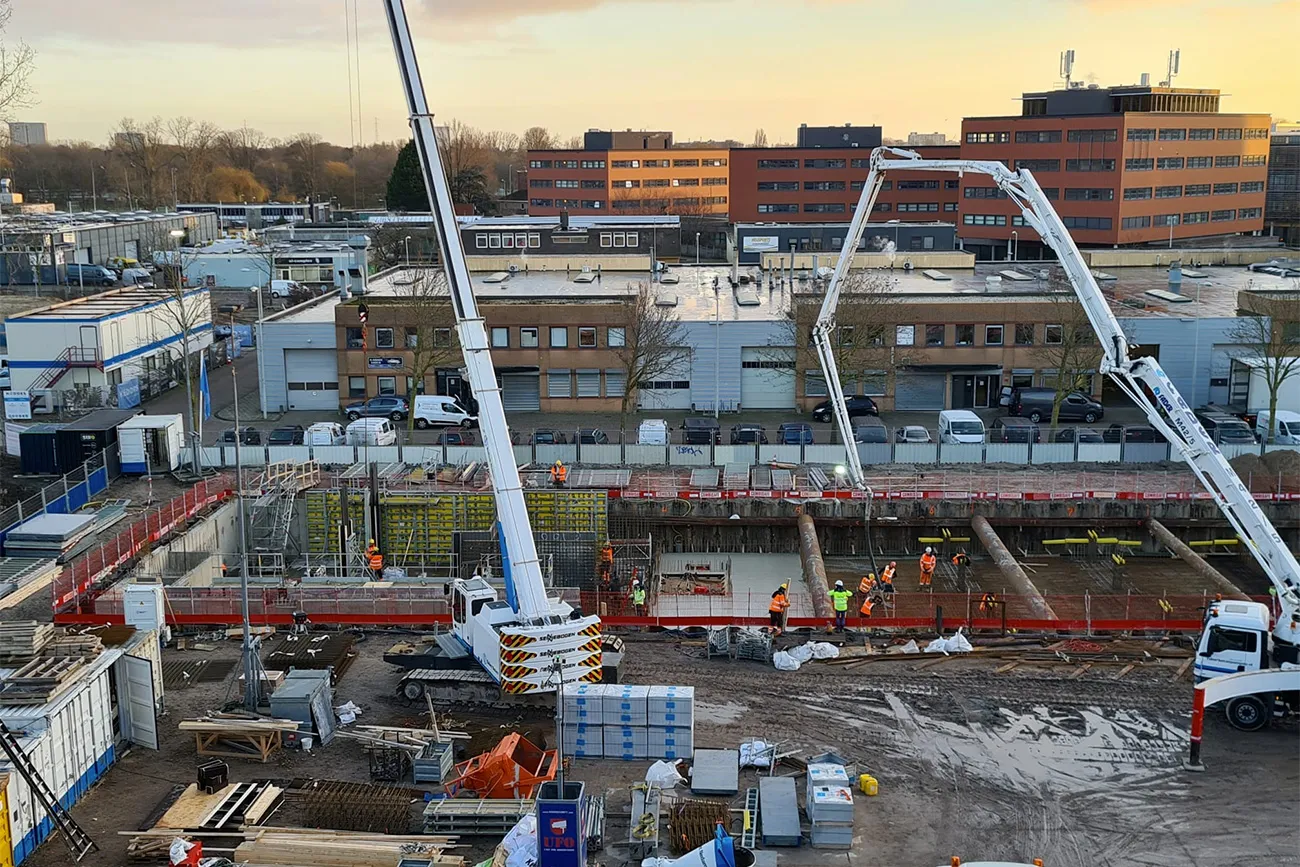
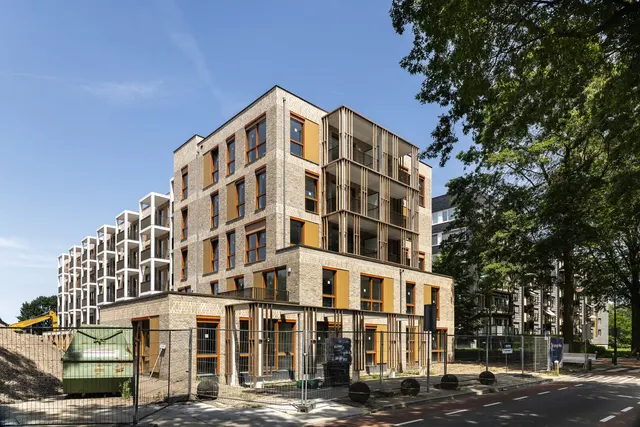
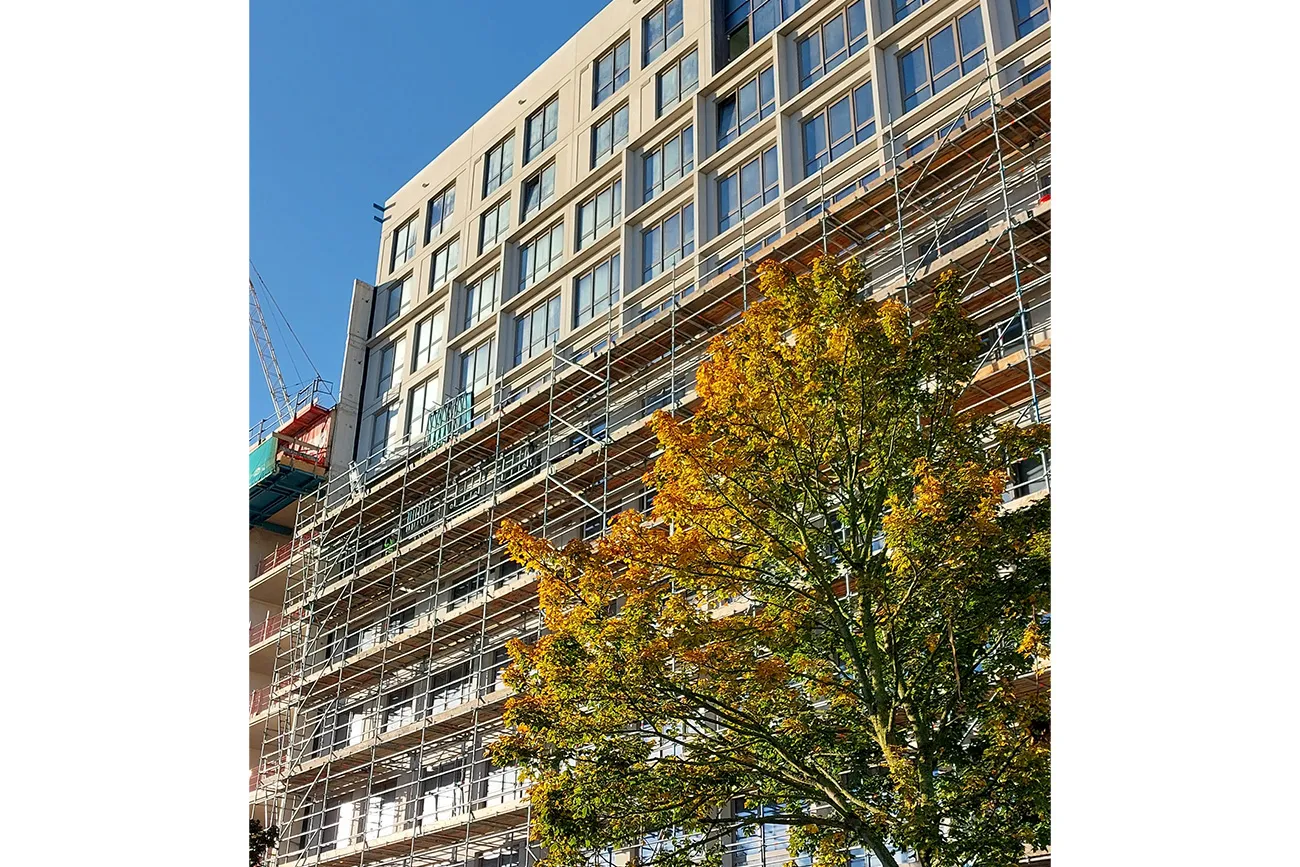
A challenging project with multiple clients and a fast construction schedule, right in the heart of the rapidly developing Bajeskwartier in Amsterdam. The building is still surrounded by scaffolding, but will ultimately house 200 hotel rooms and 280 student homes. Paul Bos, project manager at Heddes Bouw & Ontwikkeling, explains the challenges and what makes this project so special.
Commissioned by Hotel Janssen and De Alliantie Ontwikkeling, Bos is coordinating the construction process for the building, which is set to become a valuable addition to the rapidly developing area around the former Bijlmer prison. “A learning district with several schools is being developed here. The hotel and student homes are a good fit for the area’s development. The hotel is primarily for long stays, so students will also be staying there.”
The beauty of repetition
It is no surprise that the clients ultimately chose Heddes. “We have delivered several projects for De Alliantie in the past, so we already had an established relationship. Projects like this are a perfect fit for us. Both the hotel and the student homes have challenging designs and tight deadlines. The buildings need to open on time for hotel guests and provide the latest cohort of students with somewhere to sleep. That calls for good organisation and a creative approach to design development and construction, which is what we do well.”
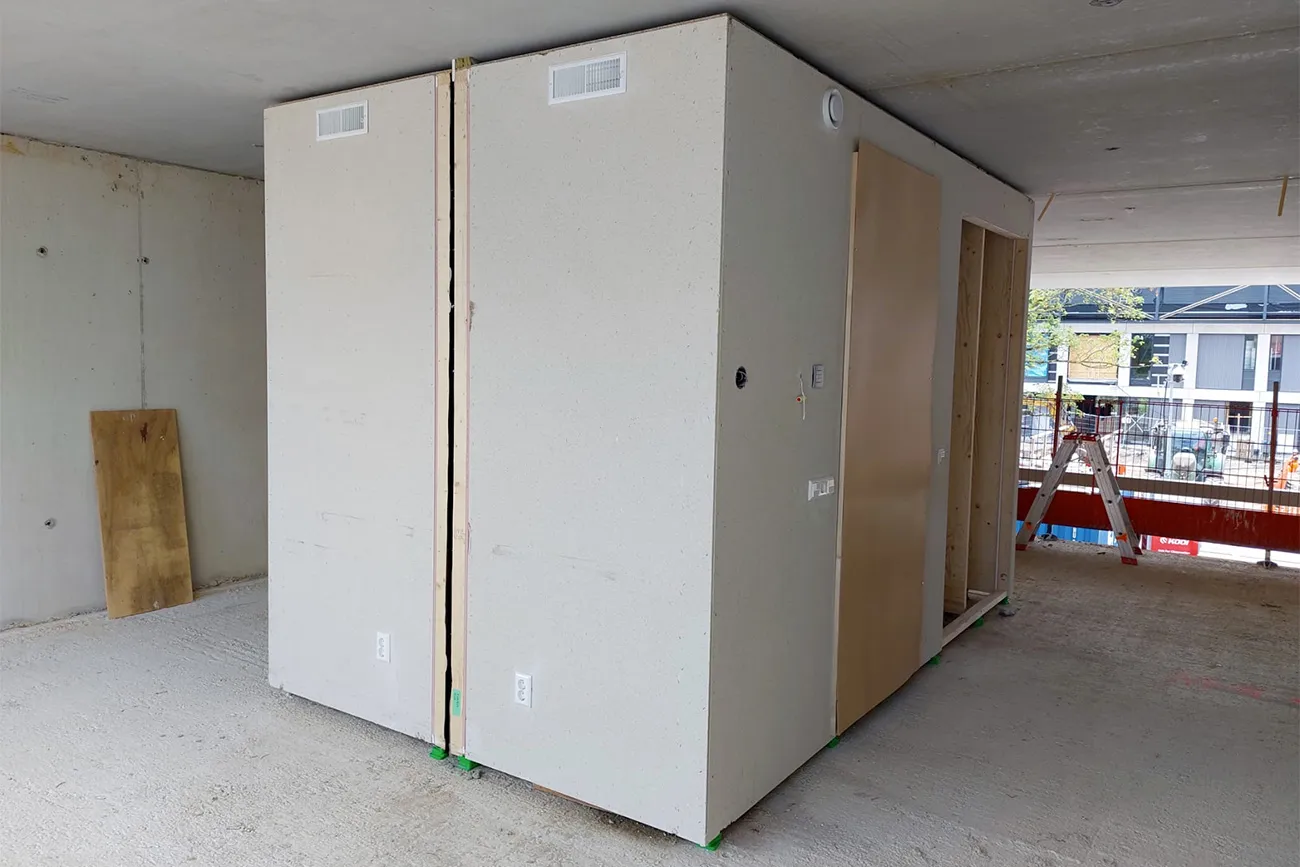
That creativity can be seen in various elements of the project, including the bathrooms in the student accommodation. “Almost all the rooms are identical. With such a tight deadline, we looked for ways to use the same solution repeatedly. That led us to prefab bathrooms from Ursem Modulaire Bouwsystemen, which we are installing in all the student rooms. This not only means fewer construction movements, the modules also incorporate the technical room, saving a considerable amount of time.”
Managing different interests
The Bajeskwartier project is anything but standard, Bos explains. “One part of the building will be a hotel, the other student homes. That means not only two different clients, but also two different target groups. In addition to the clients, we have to work with all kinds of other parties, such as utility companies that ensure the building is connected to essential services. This requires good coordination, because the two clients need to agree on the end result. Fortunately, everything is running smoothly.”
A long lead-in
The project’s location caused considerable delays. “The back of the building is within the Bajeskwartier development area, which the developer had already given a lot of attention to. The front, however, is on municipal land. Much less thought had been given to the development of this area, so we had to resolve a number of technical challenges. For example, the entrance was considerably lower than the municipal land it had to connect to. Fortunately, the municipality is now addressing this, so rainwater does not run into the building.”
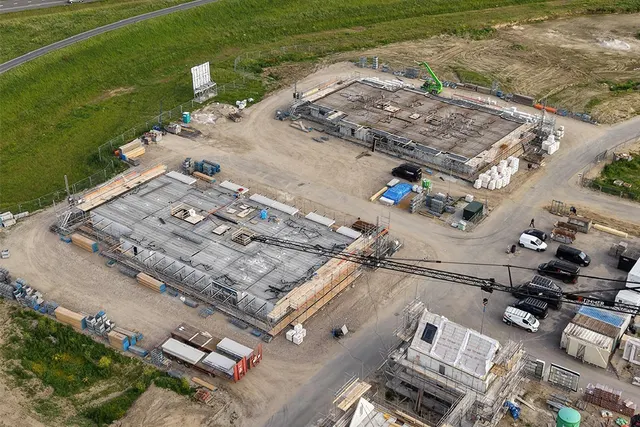
There was a second factor causing delays, which made the lead-in longer than planned. “We had to wait for a survey into possible noise nuisance. It was not completed until a year later, so we moved quickly to get started straight away. It is great to see that, a year after we got the green light, we are already handing over the first hotel rooms.” Heddes’ integrated approach is clearly reflected here. The project moved from collaboration during the construction team phase to a contract and delivery, with the construction method incorporated into the design during the design phase. The structural shell is being built using a tunnel formwork system, after which the façade is enclosed with precast concrete sandwich panels. This integrated approach is the foundation of a successful, exceptionally fast construction process.
I worked on that!
The building is now impossible to miss when driving along the A10 near Amsterdam, and that makes Bos proud. “It is great to see the architects’ plans become reality. And of course, I am proud to be able to say: I worked on that!”
Question about this story? Ask your question
Keep following this
Get an email when a new story is published. No account needed.
- SubjectResidential and non-residential construction