Platform on new construction, renovation, restoration and transformation
Housing projects in the Netherlands are increasingly facing delays due to complex procedures, grid congestion, and lengthy decision-making processes. The Hoge Wei development in Kesteren shows that there is another way. “Thanks to an integrated approach and close collaboration among all parties involved, the zoning plan was approved in record time, without a single objection,” says Jonathan ten Bolscher of RvB Engineering.
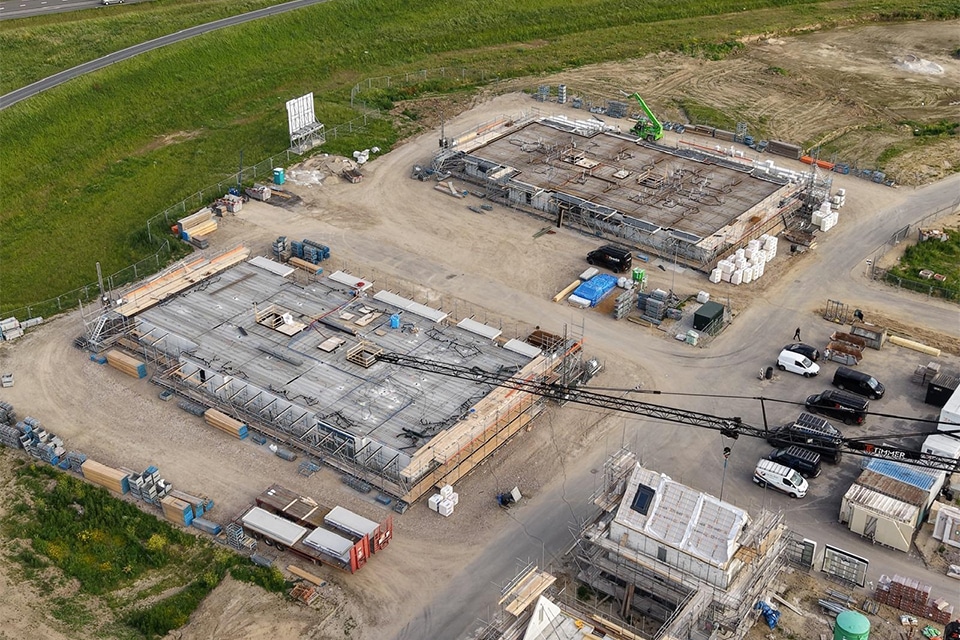
For the development of this new residential area, spanning more than 80,000 square meters, RvB Engineering is handling the planning procedures, project management, and the implementation of various technical disciplines. “We oversee the project from inception to completion and are responsible for, among other things, the infrastructure, civil engineering design, water management, construction, geotechnical engineering, and coordination of all utility services,” says Ten Bolscher, summarizing the broad scope of RvB Engineering’s work.
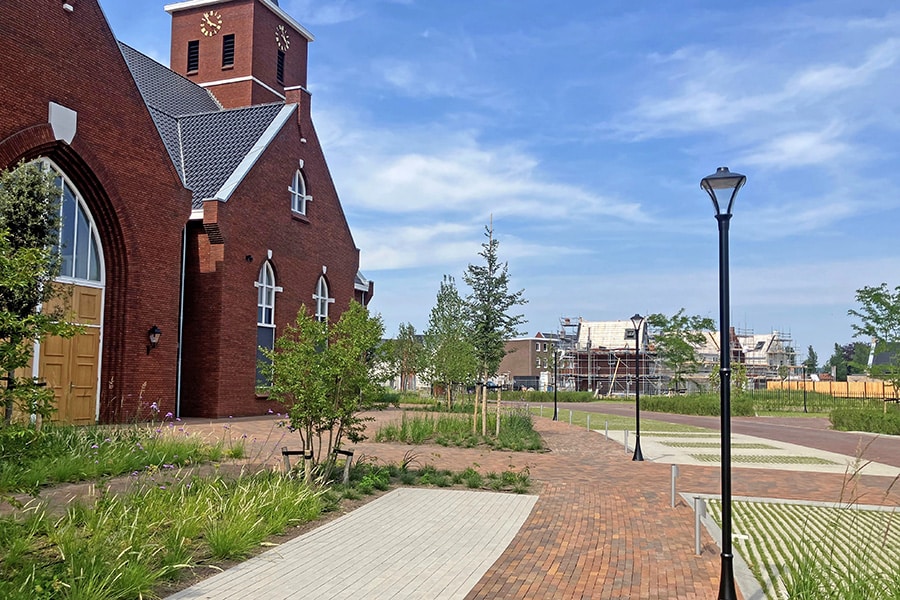
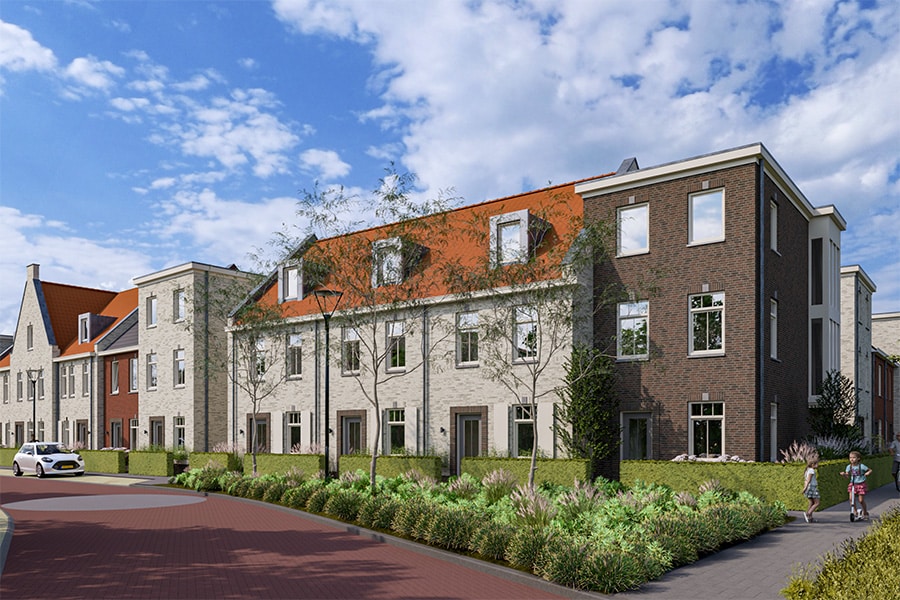
The scale of the project is unprecedented for Kesteren. “In this village in the Betuwe region, 355 homes are being built, including five apartment buildings up to nine stories high. This development will visibly transform the village and therefore required a careful approach toward the surrounding community,” says Ten Bolscher. “Local residents have therefore been actively involved from the start through several public engagement meetings. During these meetings, we listened carefully to the wishes and concerns of the neighborhood. As a result, iconic trees—which residents have been looking at for years—were incorporated into the plans. Road safety also received a great deal of attention. An existing roundabout is being modified—not because of capacity issues, but to make the traffic situation safer for cyclists and other road users.”
According to Ten Bolscher, one of the project’s biggest challenges is the tight schedule. “Because the zoning plan was adopted quickly, the implementation also had to be prepared at a rapid pace. Aligning utility services, housing construction phases, and collaboration among all parties involved requires constant coordination. In addition, we took the challenges surrounding grid congestion into account early on, so we could address those bottlenecks in a timely manner. In any case, we’ve found it very beneficial to have a broad range of disciplines under one roof. Thanks to the short lines of communication between urban planners, civil engineers, structural engineers, water consultants, and project managers, we can adapt quickly when circumstances change.”
According to Ten Bolscher, Hoge Wei proves that housing development does not necessarily have to take years. “With administrative commitment, early stakeholder involvement, and an integrated approach, it’s possible to quickly turn plans into actual homes. This is an encouraging sign at a time when the housing challenge is greater than ever.”