Residential and non-residential construction
More and more clients are professionalising their role in construction projects’
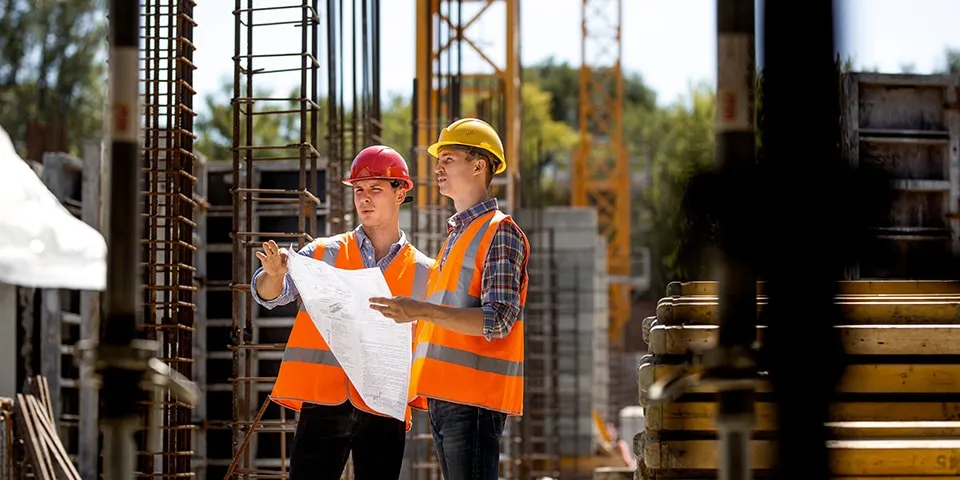
Alongside contractors, clients in the construction sector are also responsible for a healthy and safe working environment. For example, the client provides the worksite or prescribes working methods. Under the law, a client can be held accountable for working conditions; the Working Conditions Decree also sets out obligations for clients in the construction sector. These have recently been tightened, resulting in greater awareness.
“Responsible clientship offers benefits above all,” says senior adviser Marco van den Bogaerdt of Aboma, which supports companies and organisations with safety management. “Safe and healthy working and quality go hand in hand. There are fewer costs arising from failures; responsible clientship also contributes to continuity of service, corporate image and the wellbeing of employees and clients. This is one reason why we are seeing greater awareness among clients in the construction sector of the importance of safe and healthy construction.” Awareness among contractors has been established for longer; professionalisation on the client side can help, says Van den Bogaerdt. “For example, in maintenance or renovation, the building owner is responsible for safe access to the roof, and where there is a risk of asbestos, the client is required to carry out a preliminary survey. Contractors are increasingly drawing clients’ attention to this.”
‘From reactive to proactive policy’
The management of construction projects during the delivery phase is another area of focus. This includes agreements on the requirements contractors must meet and how the client will check compliance. In practice, Van den Bogaerdt sees the client’s role in construction becoming increasingly professionalised, following the example of industry and its approach to safety management. “We are seeing a welcome shift from reactive to proactive policy in this area, particularly among government bodies and larger municipalities.” Aboma supports clients with building surveys, construction safety plans, project inspections and various audits. “The audits cover, among other things, issues that are important in light of legal obligations and the principles of responsible clientship, including work in public spaces, such as reviewing construction safety plans and ensuring that work areas are set up safely. It is essential for clients in the construction sector to understand their liabilities in this area.”
Question about this story? Ask your question
Keep following this
Get an email when a new story is published. No account needed.
- SubjectResidential and non-residential construction