Residential and non-residential construction
Specialist solutions for industrial concrete floors
Text Marieke Pitlo, Roel van GilsPhotography Twintec
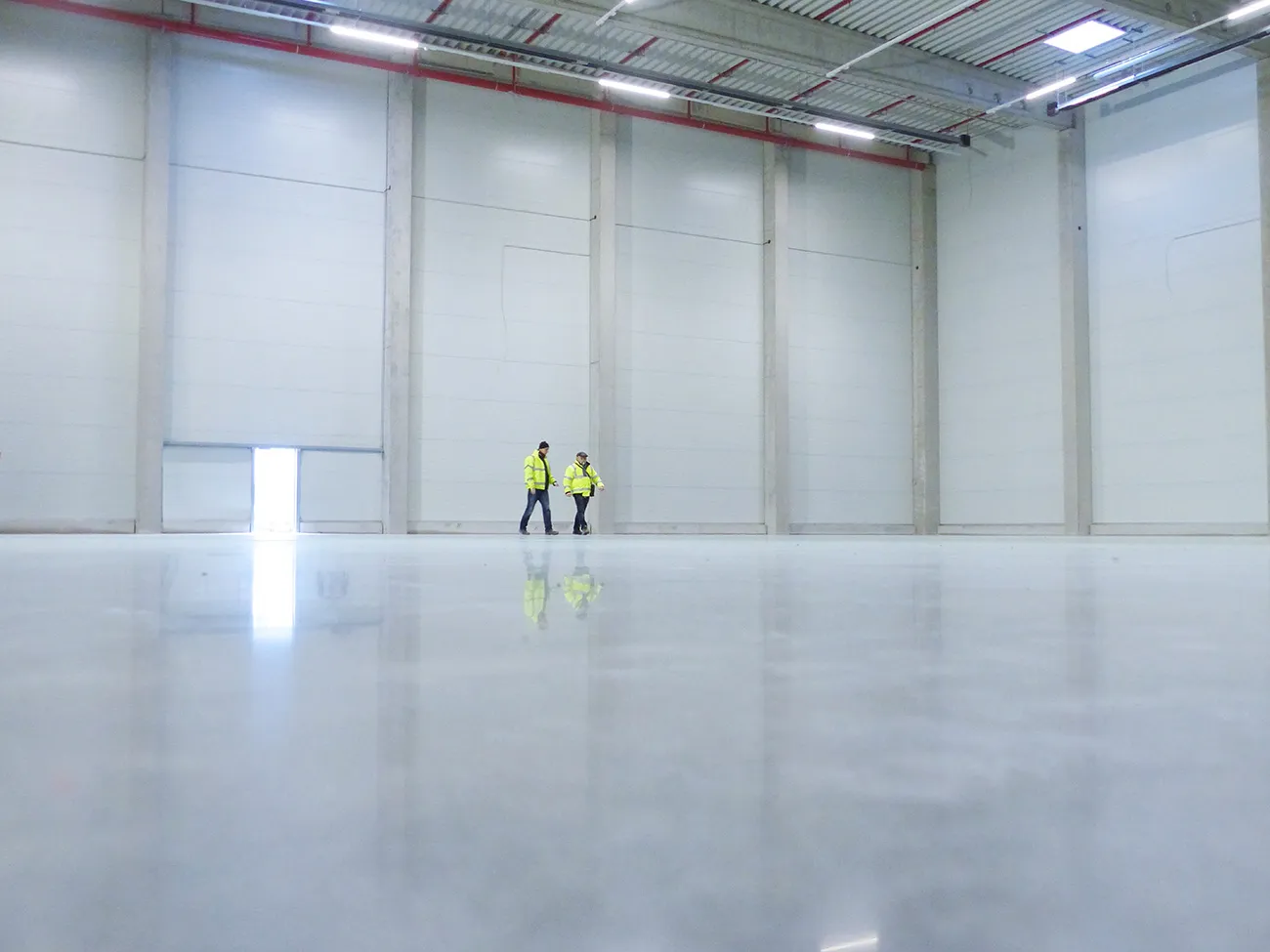
The rapid pace of change experienced by users/operators of logistics and distribution centres, the adoption of new technologies, increased throughput capacity and environmental considerations all call for specialist solutions for industrial concrete floors. Marieke Pitlo of Twintec explains why the role of the specialist flooring contractor does not start with the project tender, but with early involvement in the design, long before the invitation to tender is issued.

“In many cases, the end user or client identifies problems with the design of the new warehouse, leading to design changes at a later stage, delays to project programmes and, ultimately, higher costs,” Pitlo says, drawing on her experience. “Many of these new ‘insights’ could, however, have been identified through the early involvement of a specialist flooring contractor during the project’s design phase.” By getting involved early, Twintec provides advice, specifications and design details to the end user to ensure that the floor is fit for purpose and tailored to the end user’s specific needs, long before the first spade goes into the ground.
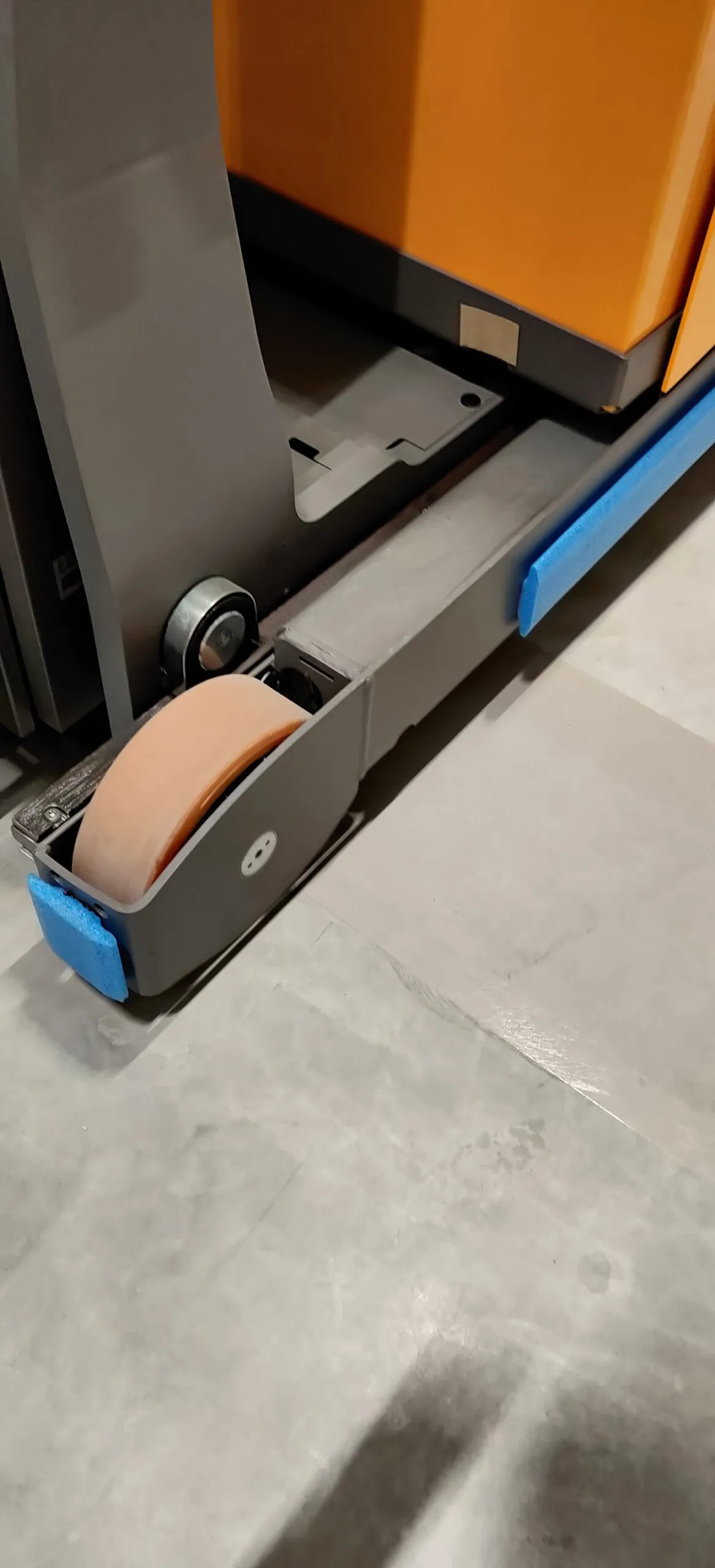
Operational requirements
Requests for quotation are often received directly from the main contractor, with limited information about the building’s future function. Pitlo explains: “This might include the racking layout, operational requirements, automation functions or a possible change in the building’s use. The request is often for a specific type of floor. If we had a full picture of the end user’s operational requirements, it might turn out that a completely jointless (Twintec® ULTIMATE) or ‘jointless’ steel fibre reinforced concrete floor (Freeplan®) would better suit the end user’s current/future requirements. The environmental aspect should certainly not be overlooked during the design phase either. Using alternative aggregates in the concrete mix, electric machinery or even Twincon fibre (recycled fibre) helps reduce CO2 emissions. If too little attention is paid to an optimised design, this inevitably affects both the use of the concrete floor and maintenance costs in the short and long term.”
In short, an optimised design is key to reducing CO2 emissions, maintenance costs and the building’s whole-life costs.
Have a business enquiry for Twintec? Get in touch
Companies in this story

Keep following this
Get an email when a new story is published. No account needed.
- SubjectResidential and non-residential construction
- CompanyTwintec