










Residential and non-residential construction
De Bocht Amsterdam | ‘De Bocht’ set to become landmark in new Cruquius neighbourhood
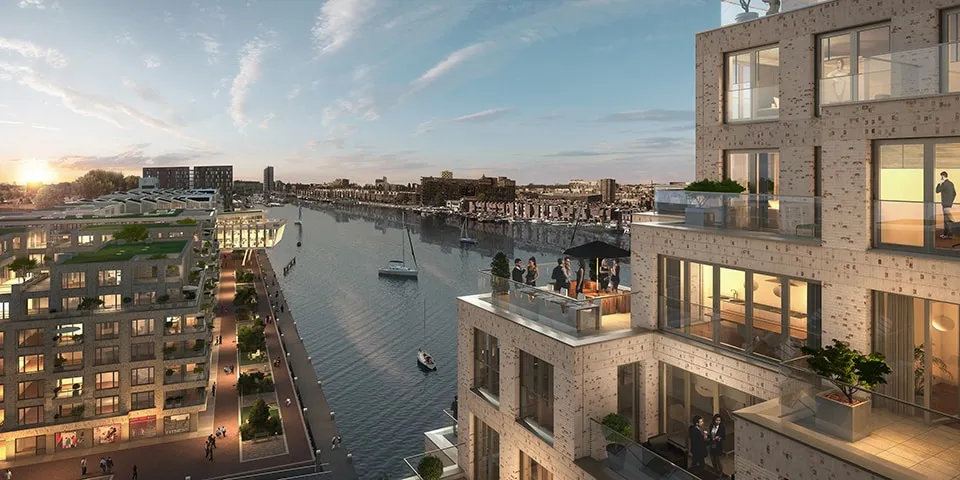
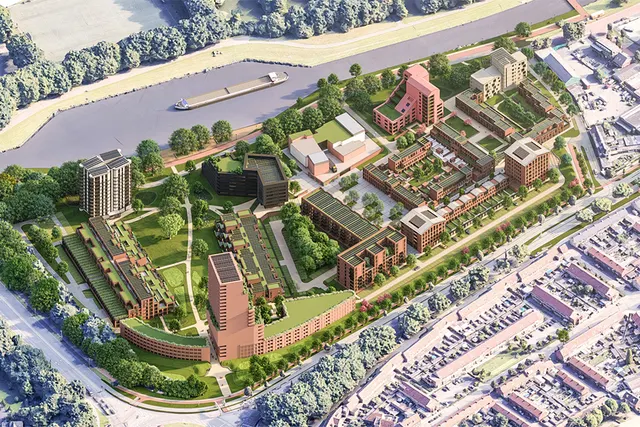
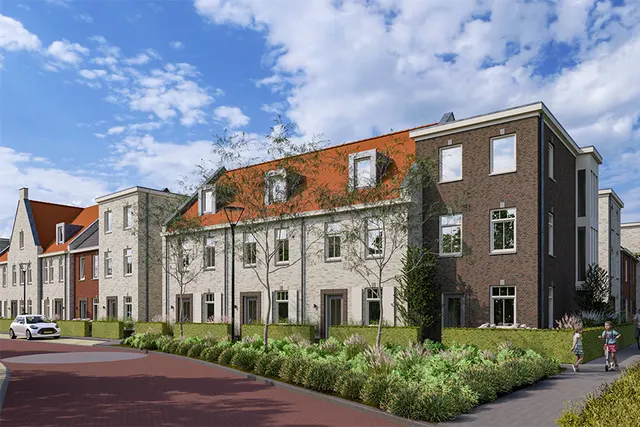
With its stepped tower, apartment building De Bocht is set to become one of the landmarks of the new Cruquius neighbourhood in Amsterdam East. The building follows the curve of the Cruquiusweg alongside the Entrepothaven and aims to give residents the fullest possible enjoyment of the waterfront.
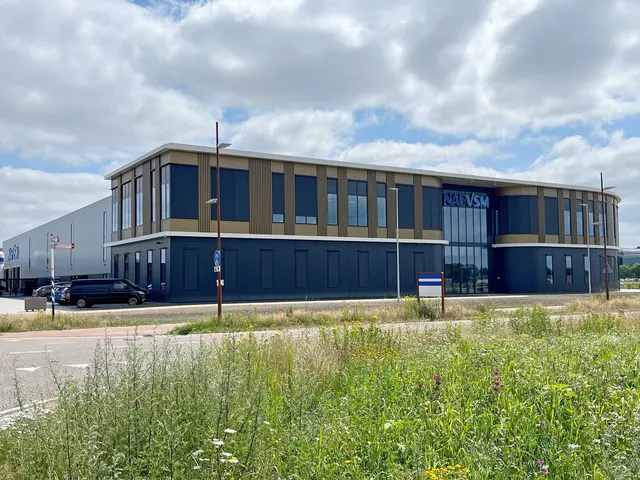
De Bocht is one of three buildings in the De Binnenbocht project, which comprises a total of 156 homes, including social housing, private-sector rentals and owner-occupied homes. It is being developed by Amvest and designed by LEVS architecten, which moved into a neighbouring office building ten years ago. De Bocht contains 124 apartments and 700 m² of commercial space. Construction of apartment building 2Peer, with 24 homes for people sharing accommodation, is nearing completion. The final building to be constructed between the two is De Loods, with 8 loft homes. It recreates the distinctive old warehouse that once stood here, using the original trusses.
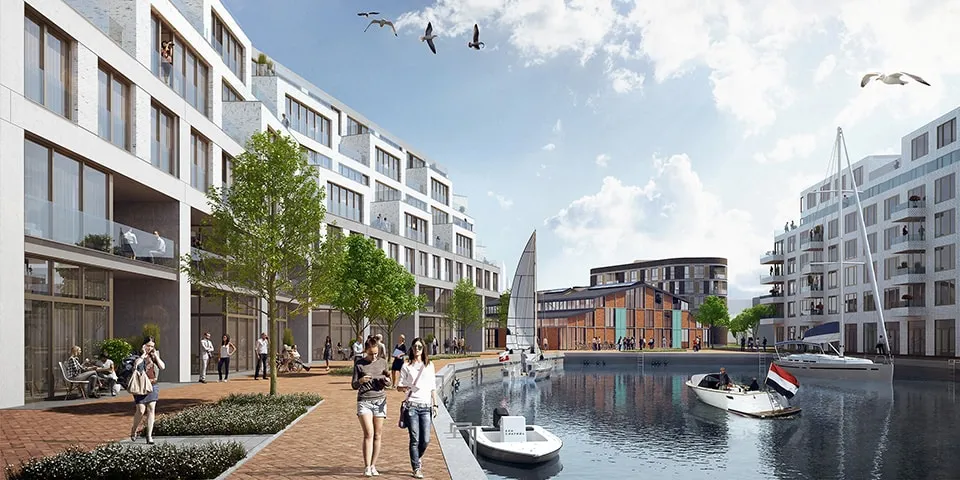
The large glazed picture windows give residents the fullest possible enjoyment of views across the water.
Living, working, culture and water
Cruquius is the last island in the eastern harbour area to be converted from an ageing industrial estate into a mixed-use residential and working district. “In the coming years, the Entrepothaven will become an attractive blend of stylish new buildings and industrial heritage, bringing together living, working, culture and water,” says Adriaan Mout of LEVS. The municipality of Amsterdam has not drawn up an urban development plan for the redevelopment. Instead, there are just a limited number of conditions, set out in a so-called ‘rules of the game’ map. Mout says: “That map is no more than an A4 sheet of paper. The municipality’s limited oversight and the freedom to build without design review place a heavy responsibility on the developers and designers involved to come up with a good plan. One of the guidelines is that the presence of water must remain tangible. Our design for De Bocht responds to that.”
The stepped profile between the seventh and fifteenth floors makes De Bocht a statement building.
A sculptural, monolithic building
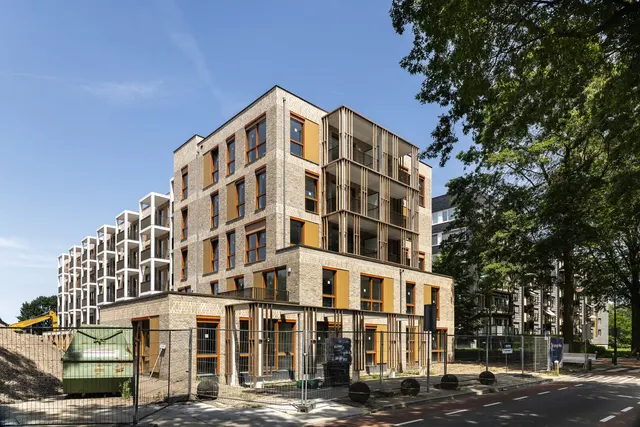
The 40-metre-high tower tapers as it rises in a series of steps, giving the apartments large terraces that invite residents outdoors. “The large glazed picture windows give residents the fullest possible enjoyment of views across the water. The stepped profile between the seventh and fifteenth floors also makes De Bocht a statement building. This gives it the character of a sculptural, monolithic building. The terraces face the water, creating the impression of a waterfall. We are giving the building a light, maritime yet industrial look as a reference to the area’s past. We are doing this by using a light-coloured, variegated brick with subtle colour variations created by a special firing process, combined with concrete elements. We spent a long time looking for the right brick, one that matched the surroundings in colour and, with its unusual larger format, would also give the building a robust quality. The industrial character is expressed through the horizontal concrete bands, which form a structuring element in the façade design.”
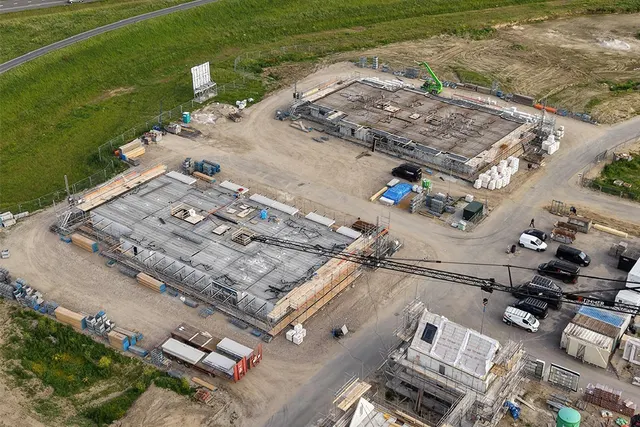
The bricks are applied at the Groningen-based company Hibex’s factory to the precast concrete façade panels. “There are around 460 façade elements in total, and they have to fit together precisely. Given the angles in the design, this requires a great deal of preparation, but it enables fast construction without scaffolding on this restricted site,” says Surya Steijlen of LEVS.
Because of the soil contamination, an underground car park was not feasible. The solution is a three-storey car park in the heart of the complex. A green courtyard will be created on its roof. As the complex follows the curve of the road, De Bocht offers a very wide variety of homes. Mout says: “Every home has its own qualities, so future residents have plenty to choose from. You can live in an intimate setting overlooking the courtyard, on the street or along the quay. The ground-floor homes on the waterside also have a tall, three-storey façade and a beautiful position along a traffic-free quay. We want residents to enjoy the presence of the water to the fullest.”
Question about this story? Ask your question
Who worked on De Bocht
- developerAmvestIn this story
- architectLEVS architectenIn this story
Keep following this
Get an email when a new story is published. No account needed.
- ProjectDe Bocht
- SubjectResidential and non-residential construction
- CompanyAmvest
- CompanyLEVS architecten