










Residential and non-residential construction
‘The construction-related issues made this project intensive’
Text Liliane VerwooldePhotography Van Wijnen
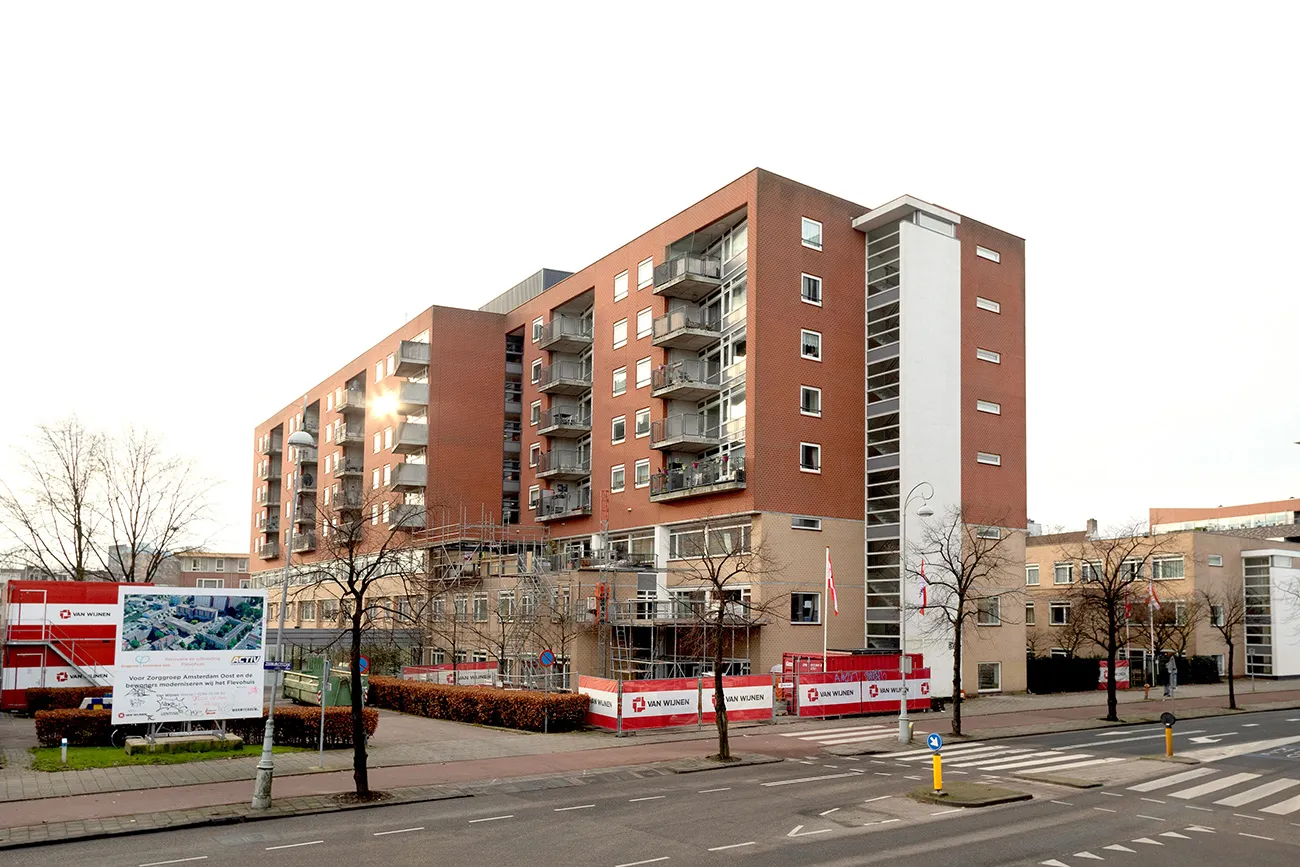
Renovation while the apartments remain occupied
Could the Flevohuis care home be renovated while its 140 residents continued living there? And could the renovation work be carried out in a way that caused as little disruption as possible? Contractor Van Wijnen took on the challenge and devised an effective decanting plan.
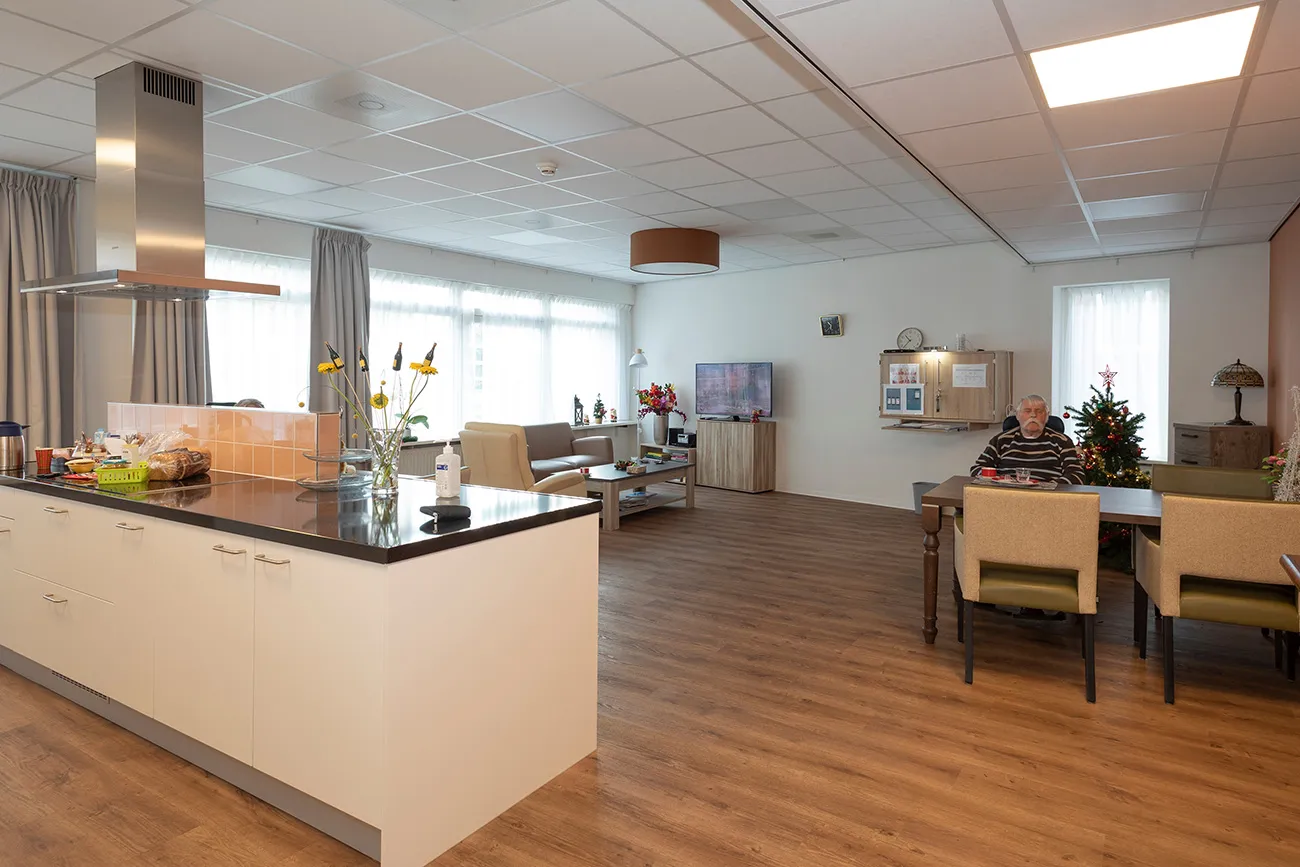
Flevohuis care home in Amsterdam consists of several residential groups and clinics, spread across three storeys, with one building section extending over two storeys. The renovation renewed every floor, from the building services to the final coat of paint. An additional storey was added to the two-storey section, and two new extensions were built in the courtyard garden. These additions created space for an extra clinic, an additional residential group and a new tea room.
The entire project was delivered by a construction team comprising Activ Vastgoed for project management, Van Wijnen for the building work, Lenting for plumbing, Lindeman for electrical work and Warmtebouw for mechanical building services.
A phased decanting plan
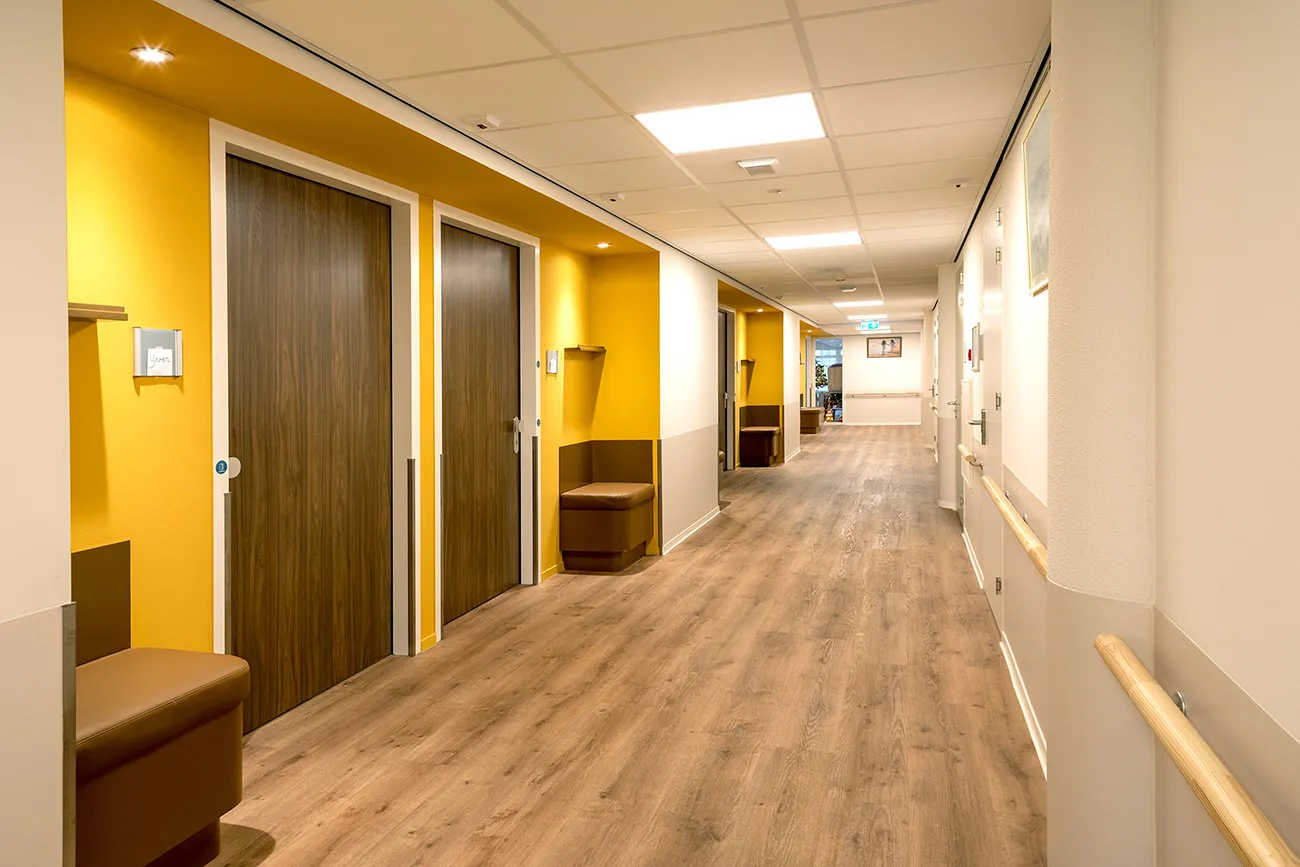
The team decided to carry out the renovation and extension in ten phases. Sander Kokmeijer, project manager at Van Wijnen, explains the approach: “We worked on the rooms of two residential groups or an entire clinic at a time. All the departments had residents’ rooms, a communal lounge and various sanitary and shared spaces. These were completely stripped out and then rebuilt. Once a phase was complete, there was a moving week, after which the next department became available to us. This decanting plan worked perfectly.”
Adding a storey using a light steel frame
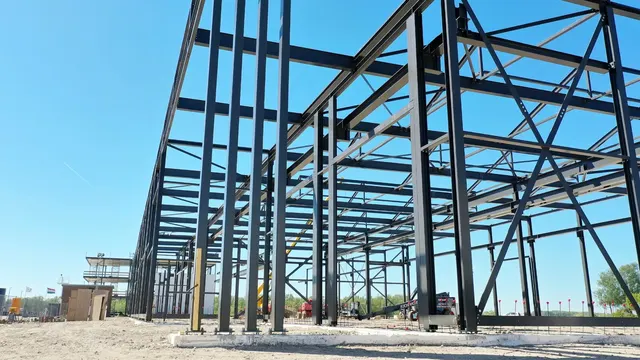
The biggest structural intervention was adding a storey to the two-storey building. As the project progressed, it became clear that a conventional steel frame would place too much strain on the elderly residents living below. “That led us to the light steel principle, a steel-frame construction method well suited to adding new storeys. Thanks to this method, the new floor was made wind- and watertight in no time.”
Communicating with residents
Van Wijnen kept in touch with residents throughout the project, letting them know what to expect and when. “This helped foster mutual understanding, especially as we were part of the furniture here for two years. Our site manager even told residents each day what noise to expect.”
COVID-19 brought an additional complication. The renovation work took place just as the pandemic broke out. “COVID-19 hit clients and care staff hard at Flevohuis. The strict quarantine rules had a major impact on site staff and the logistical phasing plan. But despite everything, we continued working as a team.”
Plans changed
During the project, the client also gained new insights into care provision. In response, they decided to convert most of the second floor of the office section into flexible mini-apartments with their own facilities. “This required a new design, cost estimate, extension of the building services and a new permit. As a construction team, we also brought this to a successful conclusion. In summary, we can say that the construction-related issues in particular made this project intensive and challenging.”
Have a business enquiry for Lenting Techniek BV? Get in touch
Who worked on it
Flevohuis in Amsterdam, renovation
- Lenting for the plumbing workLenting
- Construction workVan Wijnen
- Construction managementActiv Vastgoed
- electrical workLindeman
- mechanical installation workWarmtebouw
- clientZorggroep Amsterdam-Oost
- Architect/structural engineerArchisupport
Keep following this
Get an email when a new story is published. No account needed.
- ProjectFlevohuis
- SubjectResidential and non-residential construction
- CompanyLenting Techniek BV
- CompanyVan Wijnen
- CompanyActiv Vastgoed
- CompanyLindeman
- CompanyWarmtebouw