LocHal, Tilburg | High-quality air distribution ductwork in a converted locomotive shed
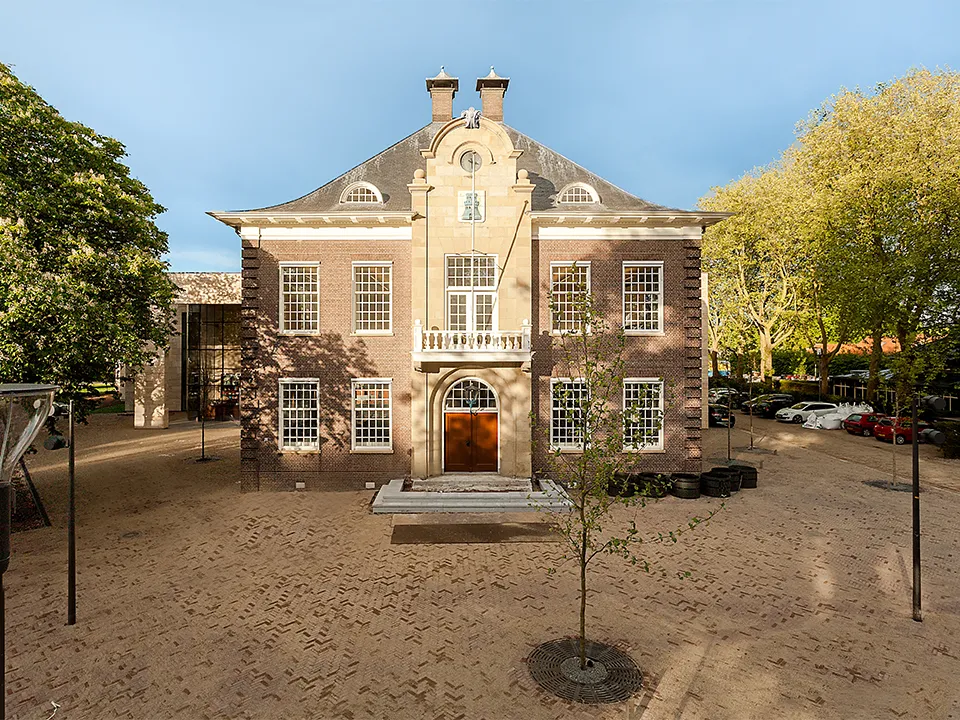
The locomotive repair shed built in 1932 in Tilburg’s Spoorzone has been converted into ‘de LocHal’, a comfortable place to learn, create, research, do business and meet. Ferrocal b.v. made an important contribution to this comfort by supplying air and ventilation ducts.
The 85-year-old duct manufacturer modelled, produced, installed and insulated the air and ventilation ducts in the LocHal. Ferrocal works on sustainable buildings and a healthy indoor climate in non-residential construction throughout the Netherlands. Corporate social responsibility and sustainability are key principles for the organisation. For example, Ferrocal works with various organisations to provide opportunities for colleagues who face barriers in the labour market. At Ferrocal, they call them people with different abilities. The company also devotes considerable attention to reducing and separating waste and taking energy-saving measures.
Industrial look
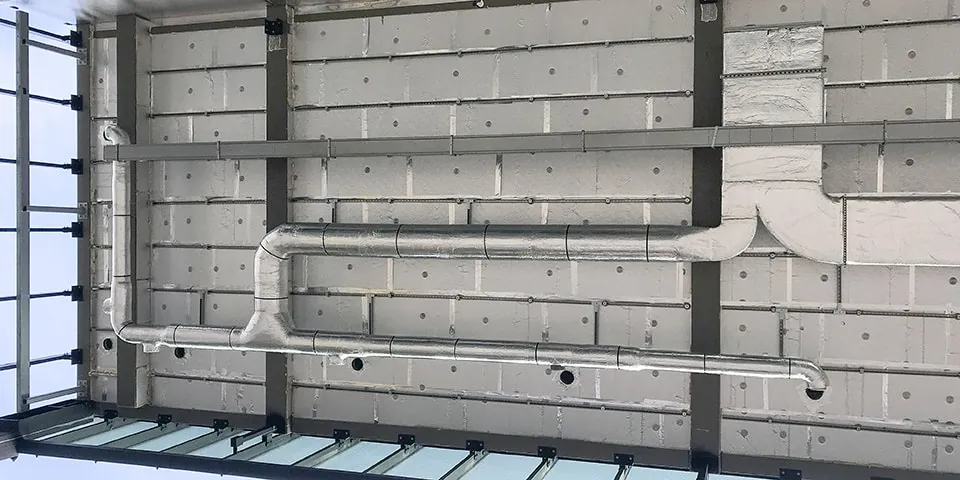
“A special project,” says Ferrocal project manager Albert-Jan Kistemaker. “The LocHal is a magnificent building in a magnificent location. Its historic character lives on beautifully in the industrial look of the converted building, where features including the steel trusses have been left exposed. Our air and ventilation ducts are visible too. They have since been sprayed with black acoustic material, making them less prominent.”
Modelling the air distribution ductwork
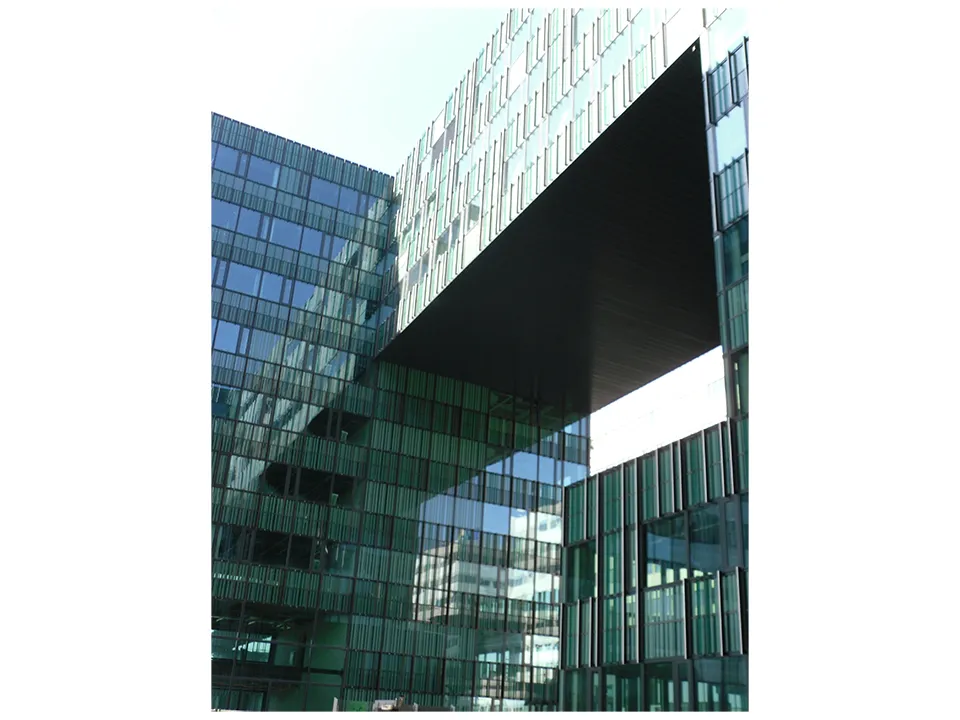
BINX Smartility approached Ferrocal about the project in April 2017. From that point on, Ferrocal contributed to the design of the LocHal. Based on BINX’s preliminary design, Ferrocal modelled the air distribution ductwork for the production and installation of the air and ventilation ducts. Once a week, one of Ferrocal’s modellers visited BINX to work on the model on site. Clash detection was also carried out there to identify and resolve any potential conflicts at an early stage. Kistemaker says: “We have our own Revit library with a level of detail of LOD 400. Our modellers, as well as clients, can select Ferrocal products from it and integrate them directly into their models.”
Quality requirements
Albert-Jan continues: “When modelling, we carefully consider the air volume in M3/h, airtightness and maximum air speeds. This prevents the ducts from generating unwanted noise. It also saves energy.” Ferrocal is a member of the trade association Luka and endorses its quality requirements. One of these is compliance with airtightness class C. This means that as little air as possible is lost during transport. The less air lost, the smaller the air handling unit can be. This saves energy. Albert-Jan says: “To guarantee airtightness, we give the air and ventilation ducts our utmost attention. This starts in the production process, during which we carry out quality checks. Transport, installation and insulation are also handled with the greatest care. This ensures that the finished product meets the quality requirements.”
Round and rectangular
Ferrocal produced the air and ventilation ducts for the LocHal based on the 3D model. “Our air distribution ductwork is made from Sendzimir-galvanised steel. At our own production facility in Brummen, we use this galvanised coil to make both rectangular and round ducts. The round ducts are usually standard sizes and products, available from stock. The rectangular ducts are always made to measure. For this project, we produced 1,400 linear metres of round ducts. The rectangular ducts, totalling around 2,100 square metres, range in size from 200x50mm to 2,500×1,000mm.”
18 metres high
An air distribution system consists of more than just ducts. The connecting components, such as fire dampers, reheaters and grilles, were ordered and supplied by BINX. Ferrocal adapted the ductwork to these components and included them in the installation. Work got under way in early 2018. “This brought its share of challenges,” says Albert-Jan. “First, the height. We’re talking about a hall more than 18 metres high. You can’t just install a 2.5-metre-wide duct in there! Safety was another related challenge. We don’t install anything when conditions are unsafe, and work with the client to find a safe solution.” Ferrocal installed the ducts before the walls were built. This worked well, but also required precise measurements of components including the fire dampers.
Great project, enjoyable collaboration
Ferrocal’s regular work on the project has been fully completed. On 30 November, BINX Smartility handed the building over to the municipality of Tilburg. Kistemaker looks back on a great project and an enjoyable collaboration: “Thanks to the good preparation, every party knew what was expected of them, and we could hold each other to that. Communication between us was direct, and everyone paid attention to each other’s work. Together, we worked hard towards one shared goal: giving the city of Tilburg a magnificent building that it can enjoy for many years to come.”
Een zakelijke vraag aan Ferrocal B.V.? Get in touch
Wie aan LocHal werkte
- building services site managerBINX SmartilityMentioned in LocHal, Tilburg | Modern techniques in an old shell
Keep following this
Get an email when a new story is published. No account needed.
- ProjectLocHal
- SubjectHeritage construction
- CompanyFerrocal B.V.