










Risk management helps prevent damage
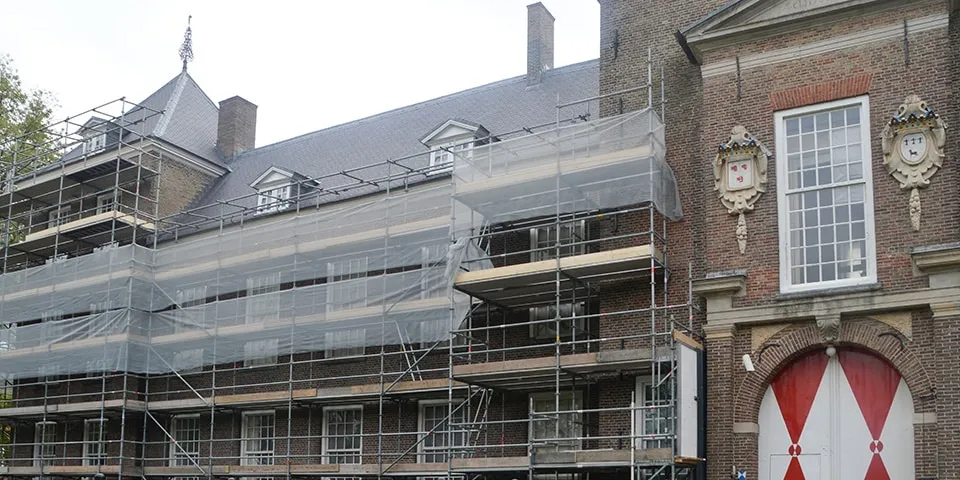
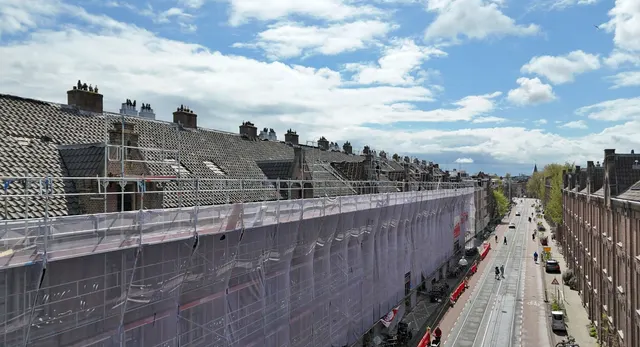
Owners and managers need to take an active approach to storm risk. What measures should be taken to prevent damage, and consequent increases in premiums, in the future? Insurers report that damage to buildings caused by storms and extreme rainfall is on the rise. It is now the leading cause of damage to listed buildings. The KNMI defines a storm as wind speeds of at least force 7 on the Beaufort scale (14 metres per second). This can create dangerous situations, such as trees being blown over or roof tiles coming loose. An analysis of the total losses on property insurance policies caused by individual events shows that only one of the ten costliest events was unrelated to the weather. The five largest were all directly linked to storms (see box).
Storm: the leading cause of damage to listed buildings
Preventing storm damage
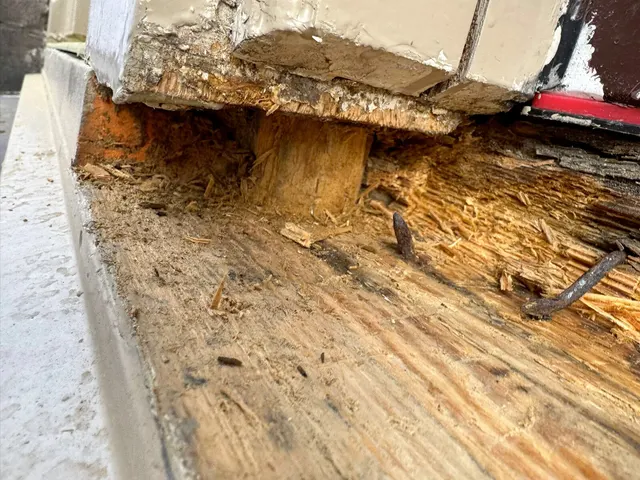
Listed buildings often feature distinctive components and structures. Check these after rainfall. Water can collect on a flat roof, for example if a drain is blocked, potentially causing leaks. After a storm, also inspect a tiled roof carefully. If roof tiles shift, leaks can occur. Cleaning gutters regularly helps prevent blockages caused by leaves, for example. Take good care of your trees and plants too. Have them inspected regularly by a qualified gardener. Rot, for instance, can cause trees and plants to come loose in a storm and seriously damage a building.
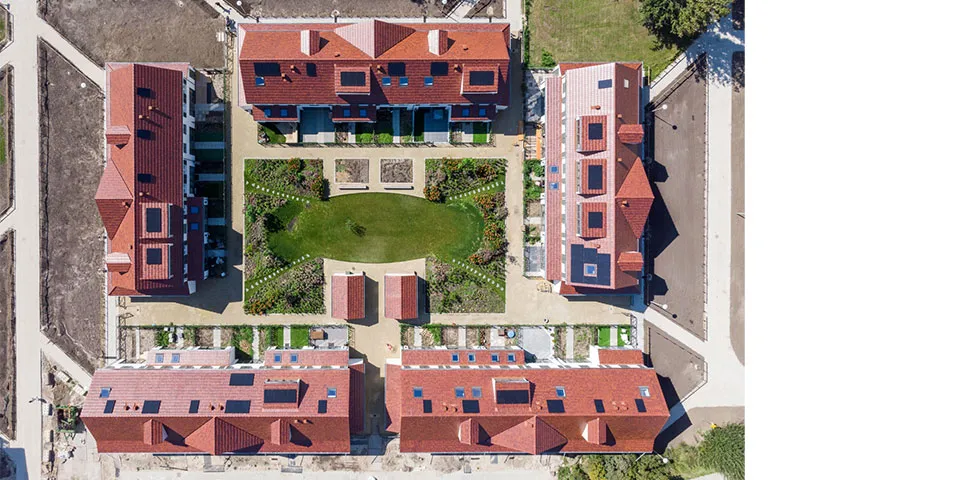
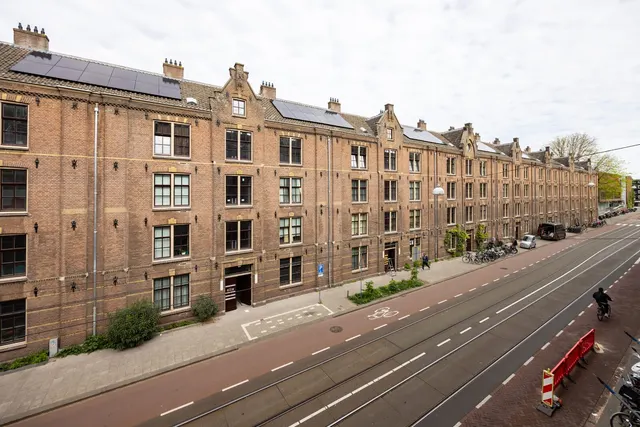
Image: Matt Ragen.
Risk management
If storm damage does occur, it is advisable not to start work on it yourself straight away. Document the damage first, for example by taking photographs or making a video. Of course, it is important to arrange emergency measures as soon as possible to prevent further damage.
It is vital to develop awareness of storm risks. Make sure you get good advice from your insurance adviser: risk management is essential. The risk, or likelihood of damage, can usually be assessed. Unfortunately, however, the impact, in terms of the scale of the damage, cannot be predicted. Finally, the question is this: as the owner or manager of a listed building, do you want to bear the risk of damage yourself, or transfer it to an insurer for a fixed price (the premium)? An insurer will always advise you to choose the latter when dealing with risks that could have a major impact. Owners and heritage managers would be wise to discuss this with their adviser. By choosing special forms of cover and/or a voluntary excess, you can influence the premium payable and bring the level of risk into line with your current financial circumstances.
Drs D. (Dennis) Spaen
Senior Relationship Adviser, Donatus, the insurer for churches and listed buildings
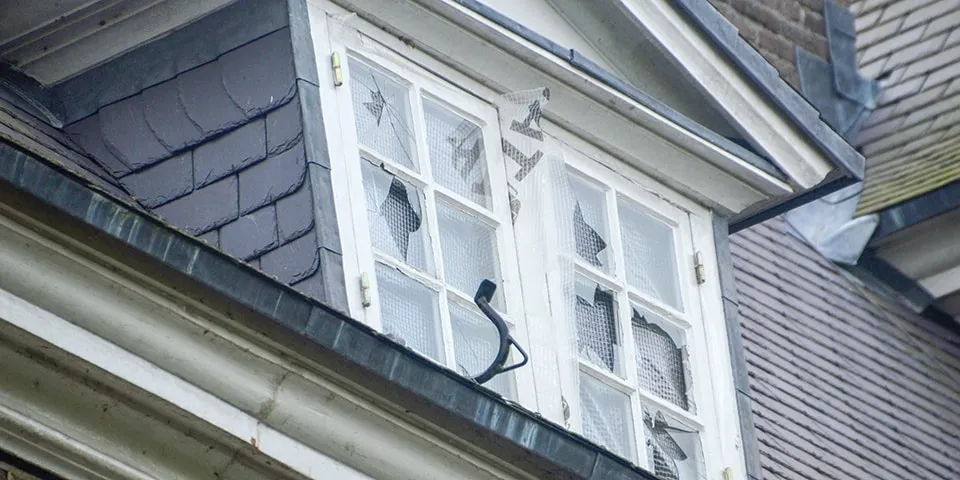
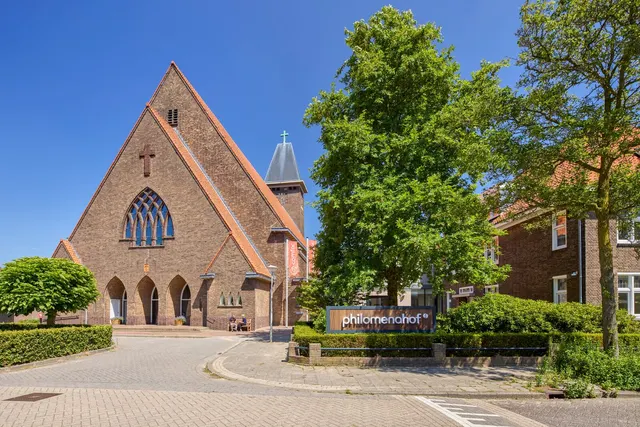
Image: heeze24.
Costliest loss events in the Netherlands, 2000-2018
(x 1,000,000)
- 23 June 2016 (storm and hail) 500
- 18 January 2007 Kyrill (storm) 171
- 28 October 2013 Christian (storm) 110
- 18 January 2018 (storm) 90
- 27 October 2002 (storm) 75
- 28 July 2014 (rain) 73
- 13 May 2000 (fireworks disaster) 66
- 31 August 2015 (hail and rain) 46
- 31 March 2015 (storm) 33
- 26 May 2009 (severe weather, rain, thunder and lightning, hail) 32
Question about this story? Ask your question
Keep following this
Get an email when a new story is published. No account needed.
- SubjectHeritage construction