Platform on new construction, renovation, restoration and transformation
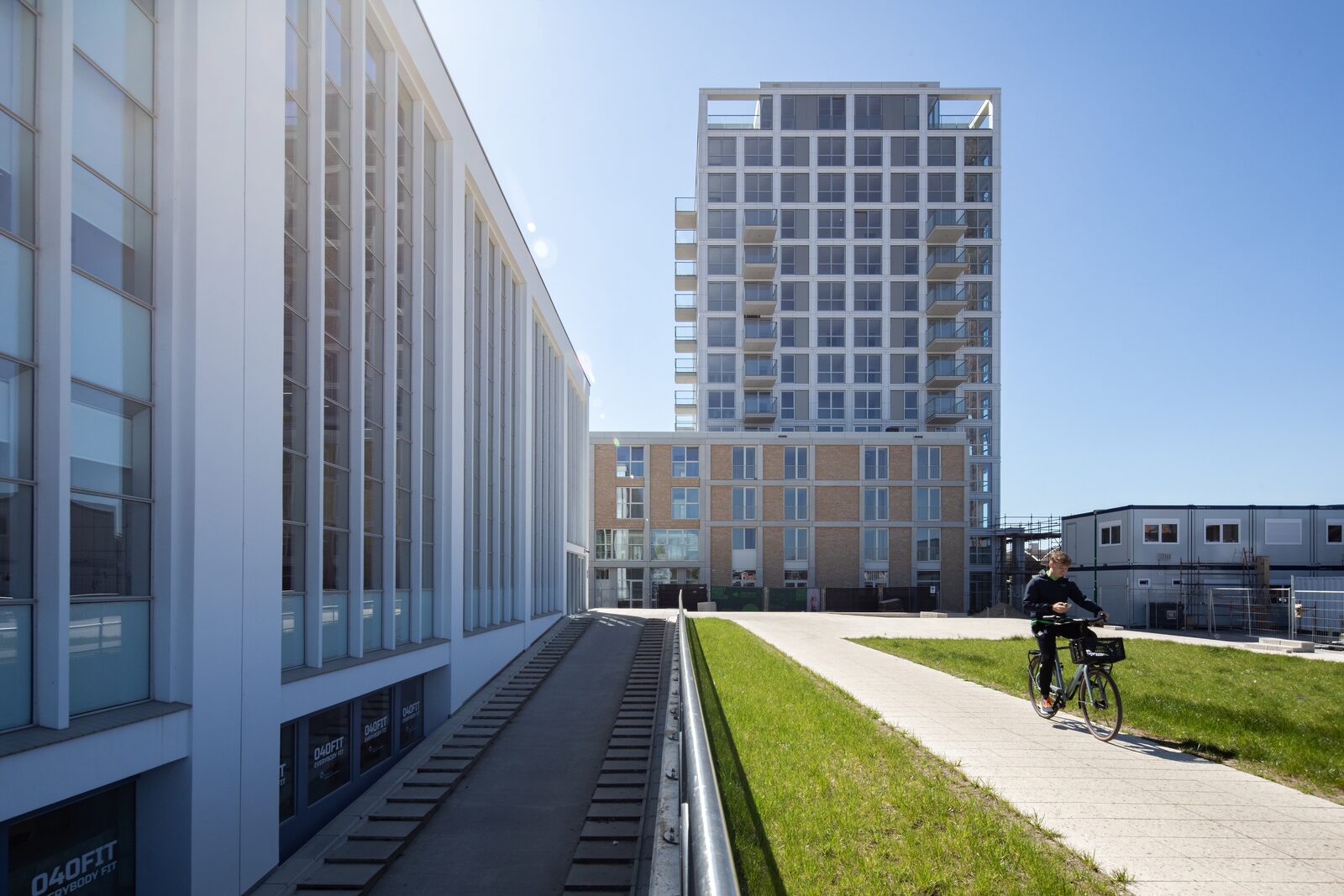
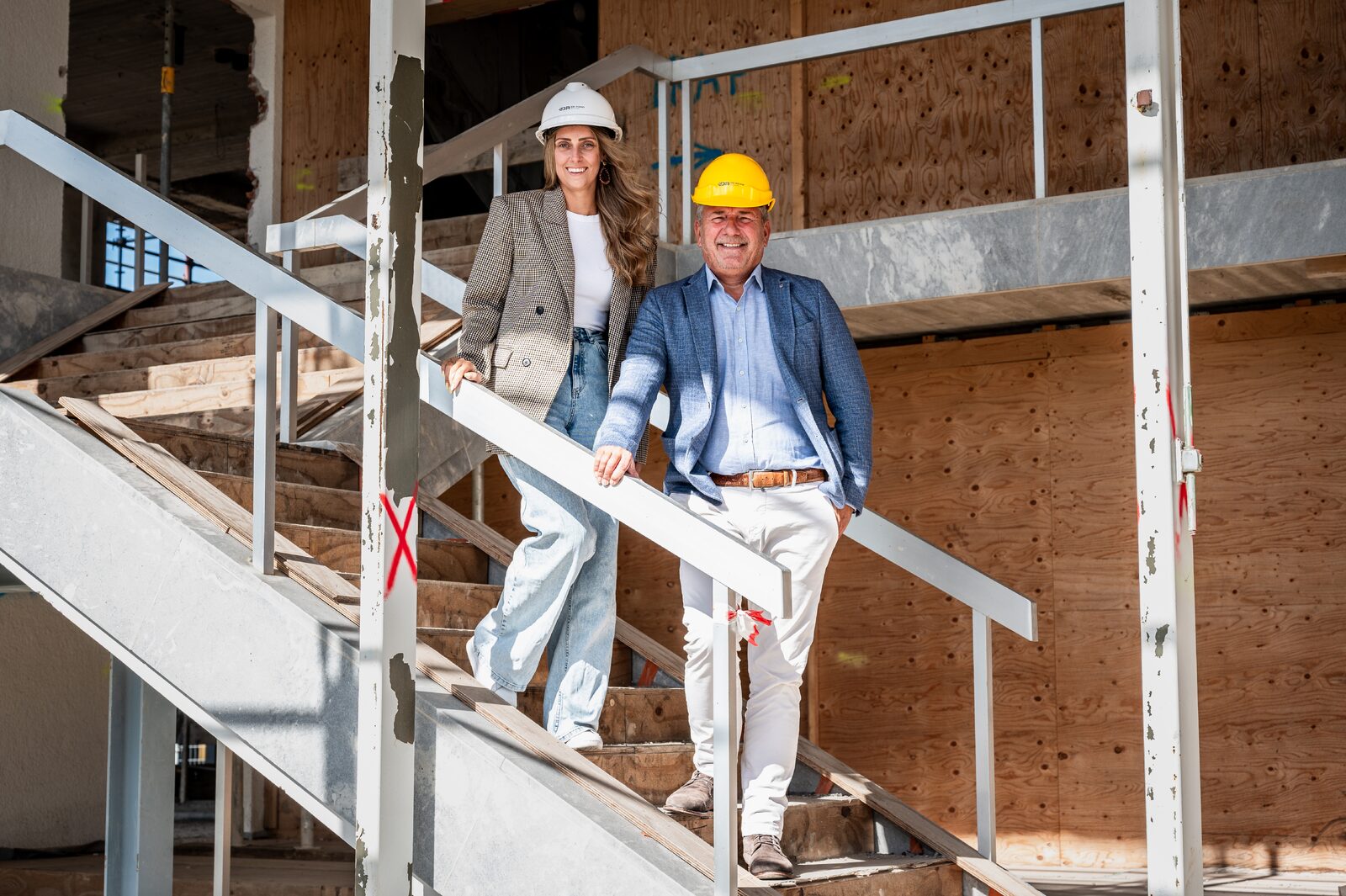
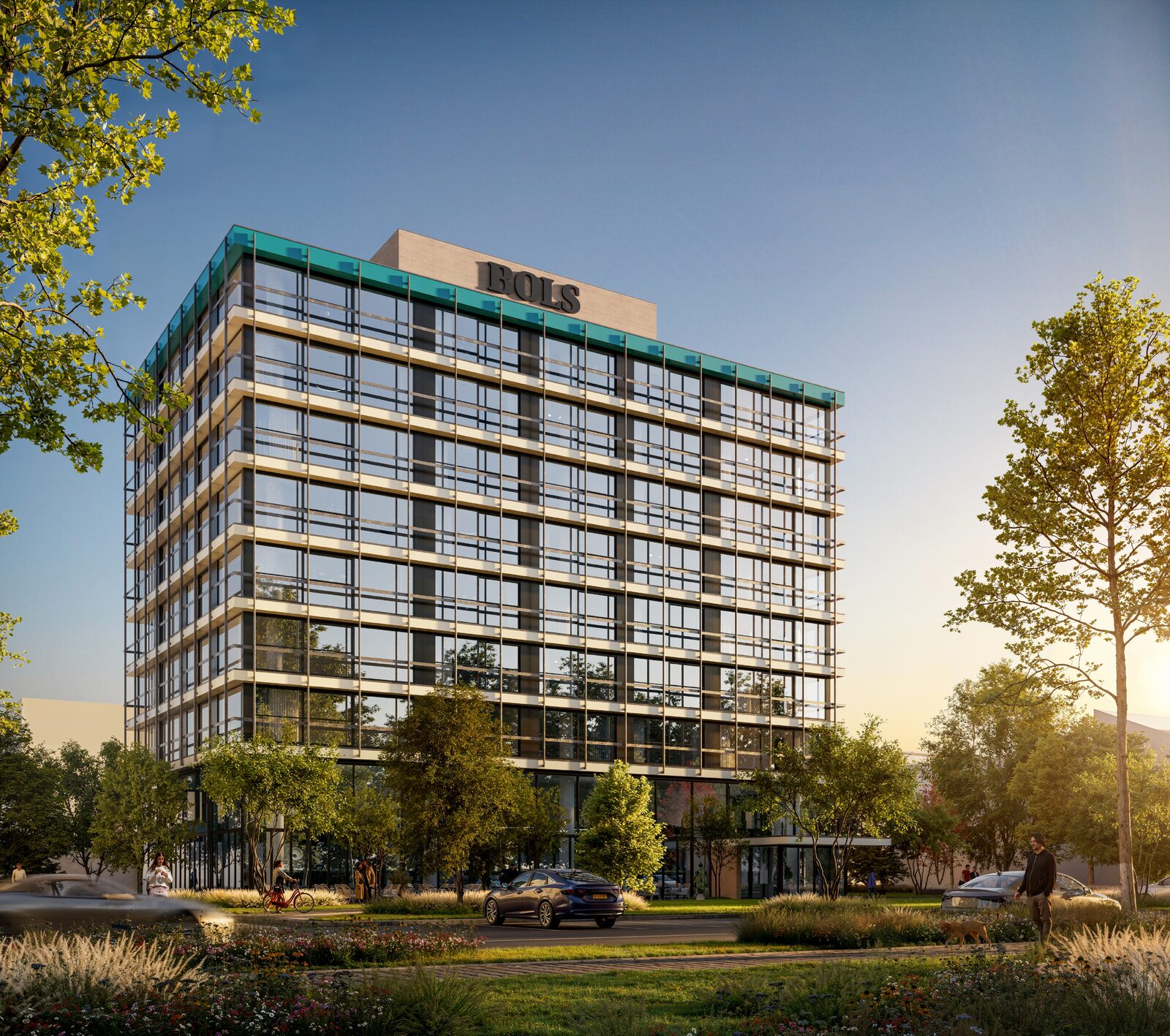
Demolishing a vacant office building and starting from scratch often seems like the most obvious option. Yet the Building Development Council in Nieuw-Vennep opted for preservation and transformation. The striking Bol Tower has been converted into a residential complex with 98 studio apartments and six mezzanine apartments. This marks the first phase of the project, in which a former industrial area is being transformed into the green, low-traffic residential neighborhood of Bolspark. Project developer Mariëlle Vink of De Raad Bouwontwikkeling and Cees Slaats, Bolspark project director, explain why the existing building serves as the foundation for a new chapter.
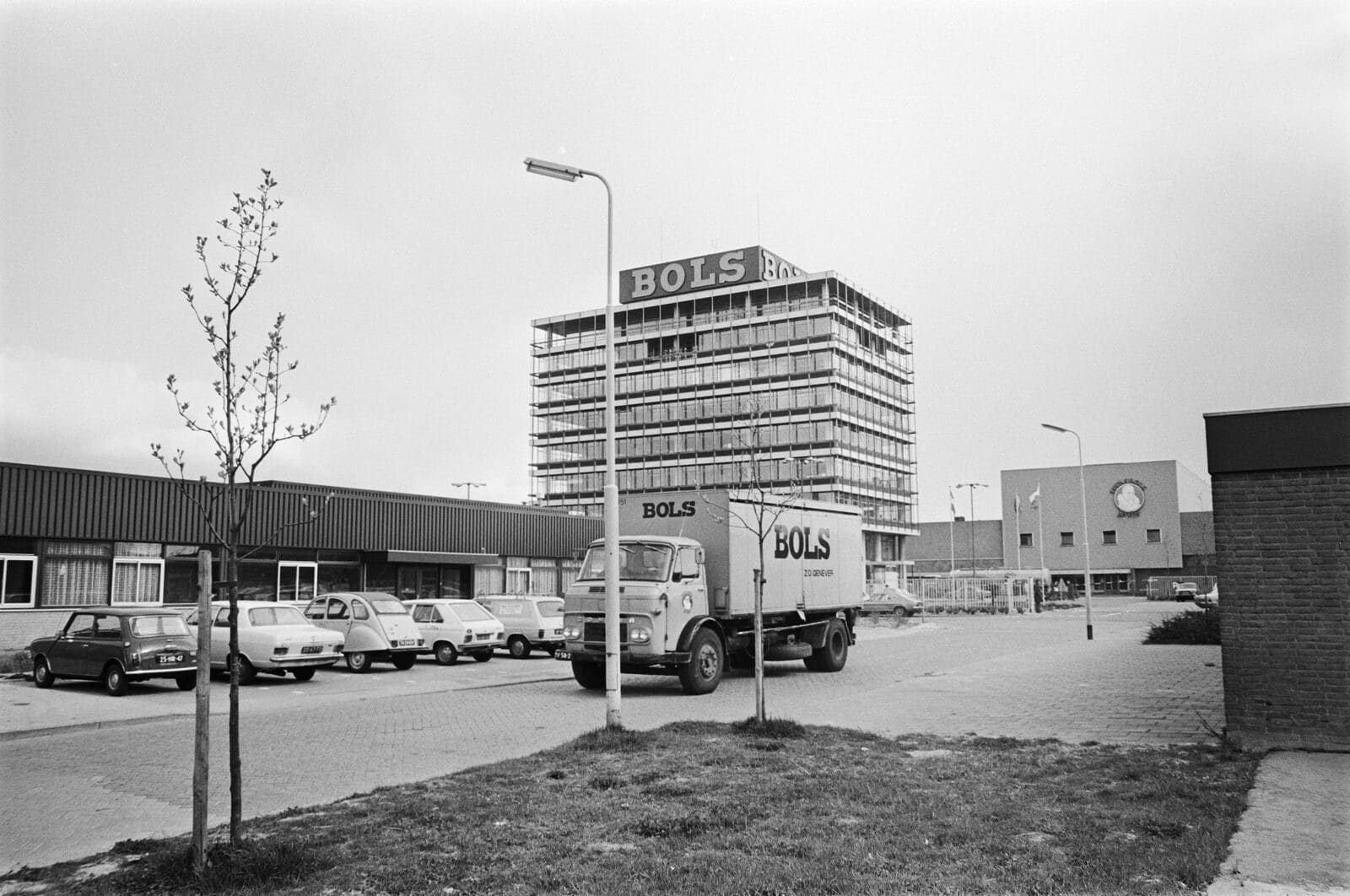
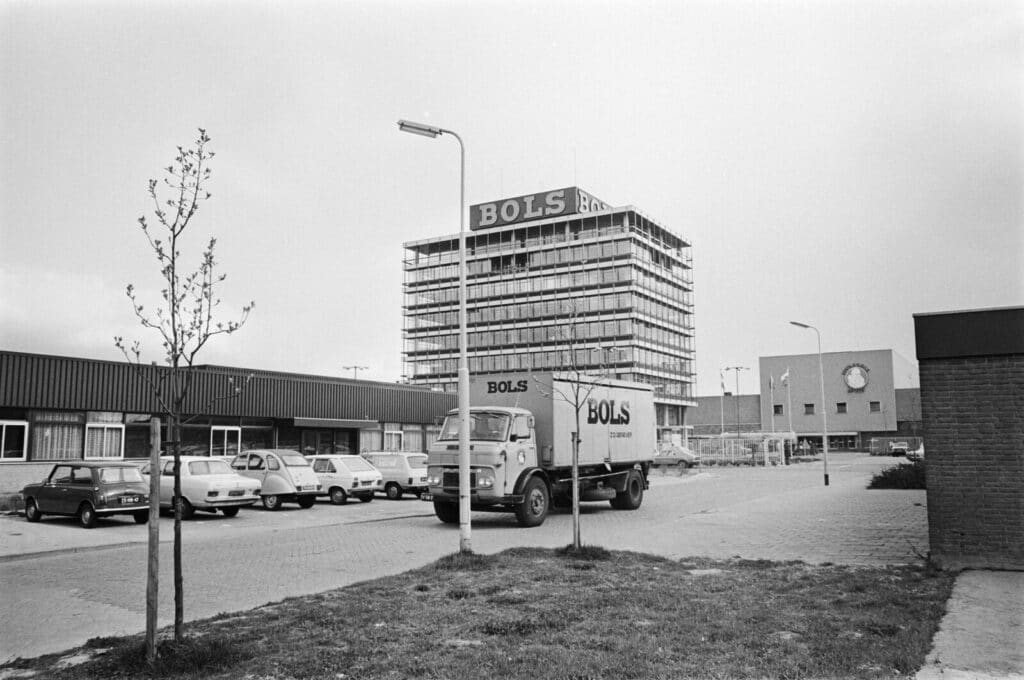
The Bol Tower had been part of the Lucas Bols factory since the late 1960s and remained as a landmark after the company left. “The tower has always meant a great deal to Nieuw-Vennep and serves as a link between the past and the future neighborhood. That is why we decided to preserve it,” Vink explains. “Demolition and new construction might have resulted in fewer surprises, but they would also have erased an important part of the local identity.”
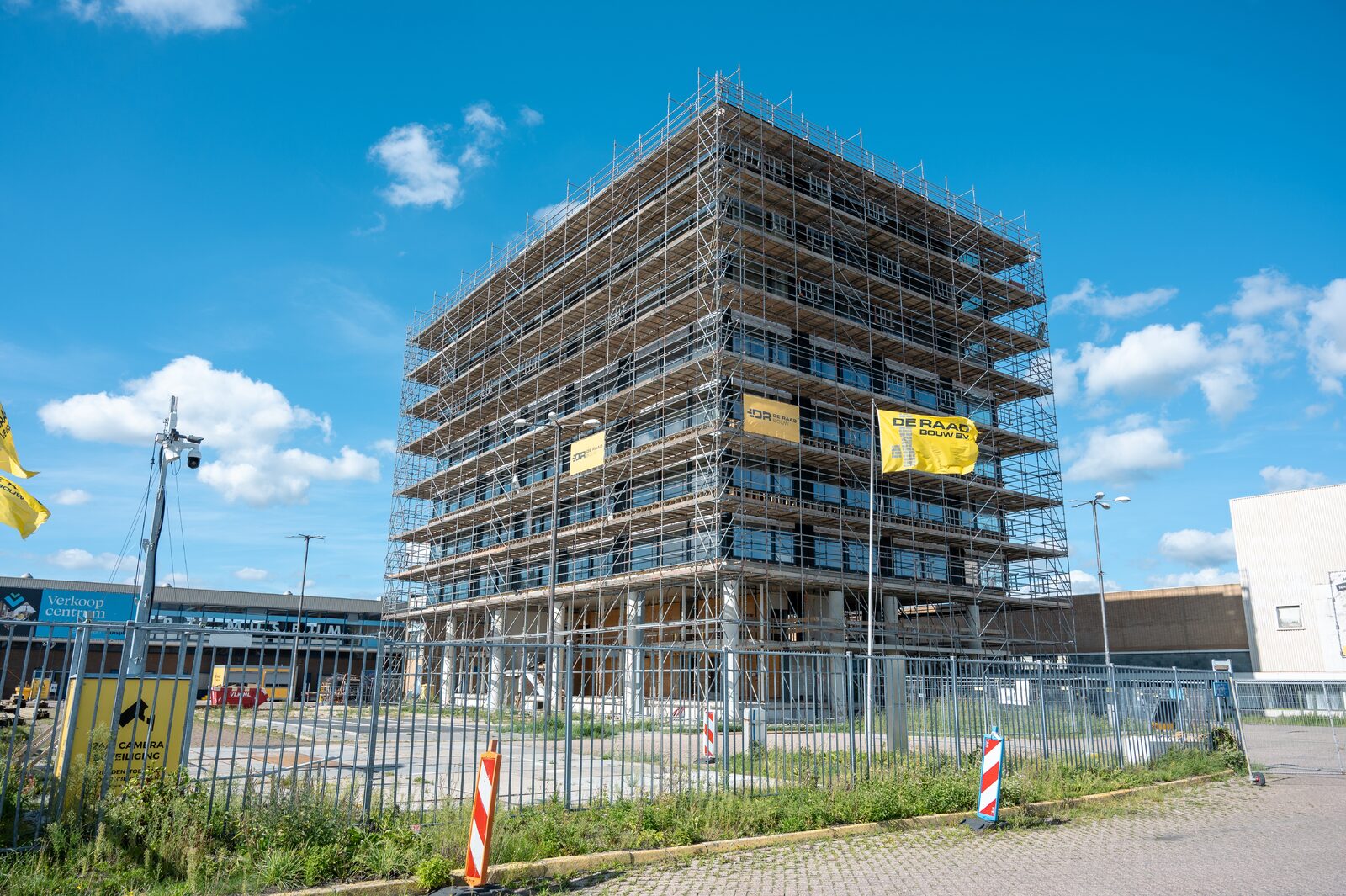
The silhouette, the horizontal lines, the metal framework, and the transparent appearance have been restored. The concrete shell, the floor slabs, and parts of the supporting structure have also been preserved. The original mosaic wall—a monumental work of art inextricably linked to the tower—has been given a prominent place in the future restaurant. “It was quite a challenge to protect this wall during construction,” Vink says with a laugh.
Transformation requires research, measurement, and adaptation. “Fortunately, the tower turned out to be structurally very sound, and a considerable number of archival drawings had been preserved,” says Slaats, who can draw on his experience with previous transformation projects. But not everything could remain unchanged. Due to the new floor plan, the central concrete core could not provide complete stability. Therefore, steel trusses were integrated to absorb wind loads and ensure stability without compromising the building’s characteristic silhouette.
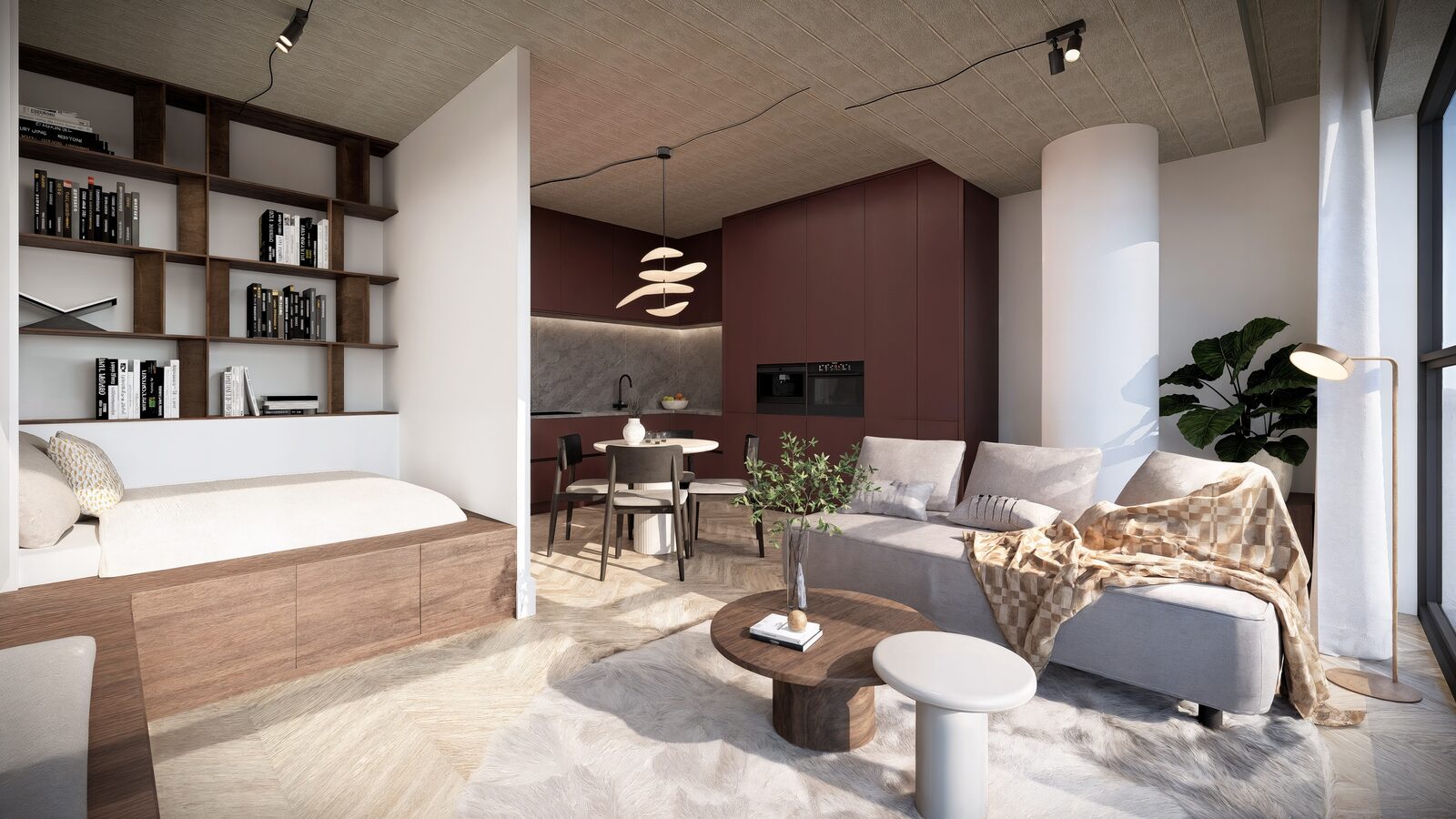
The apartments come fully furnished with a kitchen and a modern bathroom. Electrically operated sliding windows provide fresh air and plenty of natural light, while an energy-efficient heat pump heats and cools the apartments. Residents also have their own washing machine hookup and access to a communal laundry lounge, which also serves as a gathering place in the tower.
The neighborhood will feature 881 homes, amenities, communal gardens, small parks, and tree-lined avenues. Cars will disappear from the streets and be housed in parking hubs and underground parking garages on the outskirts. The City Council is also providing more parking spaces than required by current standards. This ensures the neighborhood remains car-free and green, while residents and visitors still have ample parking. “We don’t want to create a collection of isolated residential blocks, but rather a welcoming neighborhood where people enjoy spending time and where connections are formed,” says Vink.
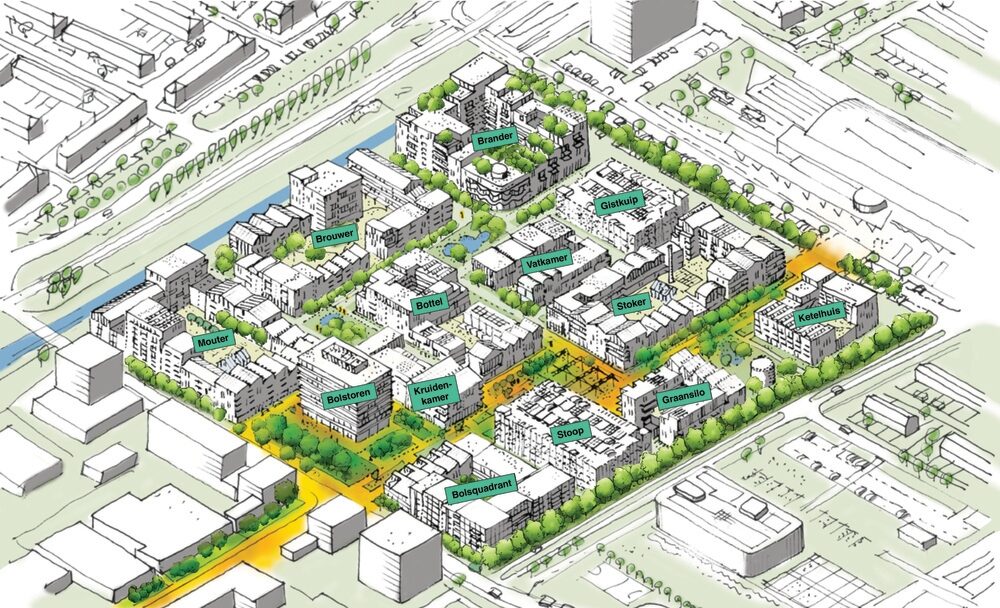
Together with architects and landscape architects, De Raad is working on a neighborhood for a diverse range of residents by building affordable apartments, public housing, single-family homes, and larger apartments. “The neighborhood should be a home for all groups. A beautiful, vibrant neighborhood where history remains tangible. For example, one of the old silos will remain standing and be integrated into a small park. In addition, we’re incorporating trusses from the old halls into a playground.”
This long-term approach aligns with the organizational structure of the De Raad Group. De Raad Bouwontwikkeling is developing Bolspark, De Raad Bouw is constructing the buildings, De Raad Bedrijfs- en Woonmakelaars is handling sales and rentals, and De Raad Vastgoed manages residential units, commercial spaces, and parking facilities, among other things. “We’re not going to leave here as soon as the neighborhood is finished. Creating a pleasant neighborhood where people enjoy living is our top priority. Precisely because we’ll remain the owners and managers of various parts of the neighborhood after completion, we’re developing a neighborhood and buildings that are future-proof and that we’re happy to keep in our portfolio.” This not only gives a tower a second life, but also ensures that the developer remains visibly accountable for what is being created.